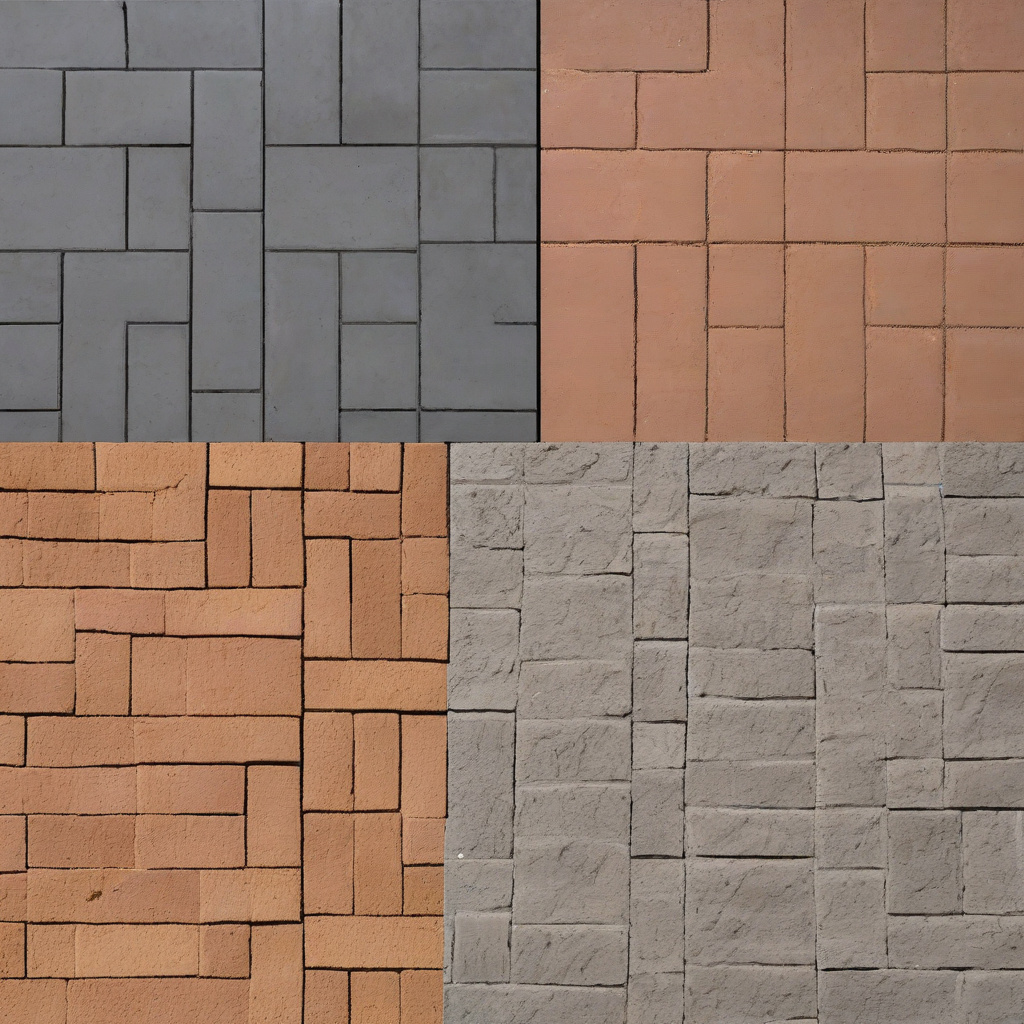
As the sun blazes down on Southern California, homeowners are finding that their patios are essential to both lifestyle and property value. Two prime choices for these outdoor havens are concrete and paver patios, each offering its own advantages and challenges. Yet, when the time comes to make a choice, the decision between them can feel like choosing between a sharp suit and a casual ensemble. They each have their own appeal and function, but which one fits your lifestyle best?
Brief summary: Discover the pros, cons, and costs of concrete versus paver patios, set against the backdrop of Southern California’s renovation trends. This article dives into the durability, maintenance, and aesthetic differences, ensuring homeowners make informed decisions about their outdoor spaces.
Concrete Patio: The Solid Choice of Southern Elegance
Concrete patios have been a staple in Californian homes for decades. Known for their robust nature and clean aesthetic, concrete offers a timeless solution. As straightforward as they may appear, concrete patios pack a punch in terms of durability, withstanding decades of use without significant wear. In a place like Los Angeles, where the climate ranges from arid heat to rare but intense rains, concretes’ weather-resistant properties are a major draw.
Homeowners often appreciate the smooth, minimalist look of concrete, which enhances the modern architectural design so prevalent in Southern California. The choice of colors and finishes means customization can be as simple or as complex as one desires, from a sleek polished finish to a textured surface imitating stone.
One of the significant benefits of concrete is its cost-effectiveness. In Los Angeles, for instance, the average installation cost remains competitive, making it a preferred choice for those mindful of their budget. Yet, despite these perks, there are considerations: repairs can be cumbersome and costly. Once cracks develop, patching them without marring the patio’s aesthetics can be challenging.
For all its benefits, the decision to choose concrete should weigh the ease of installation and initial cost against potential maintenance hassles down the road. Indeed, concrete is a solid choice, quite literally and figuratively.
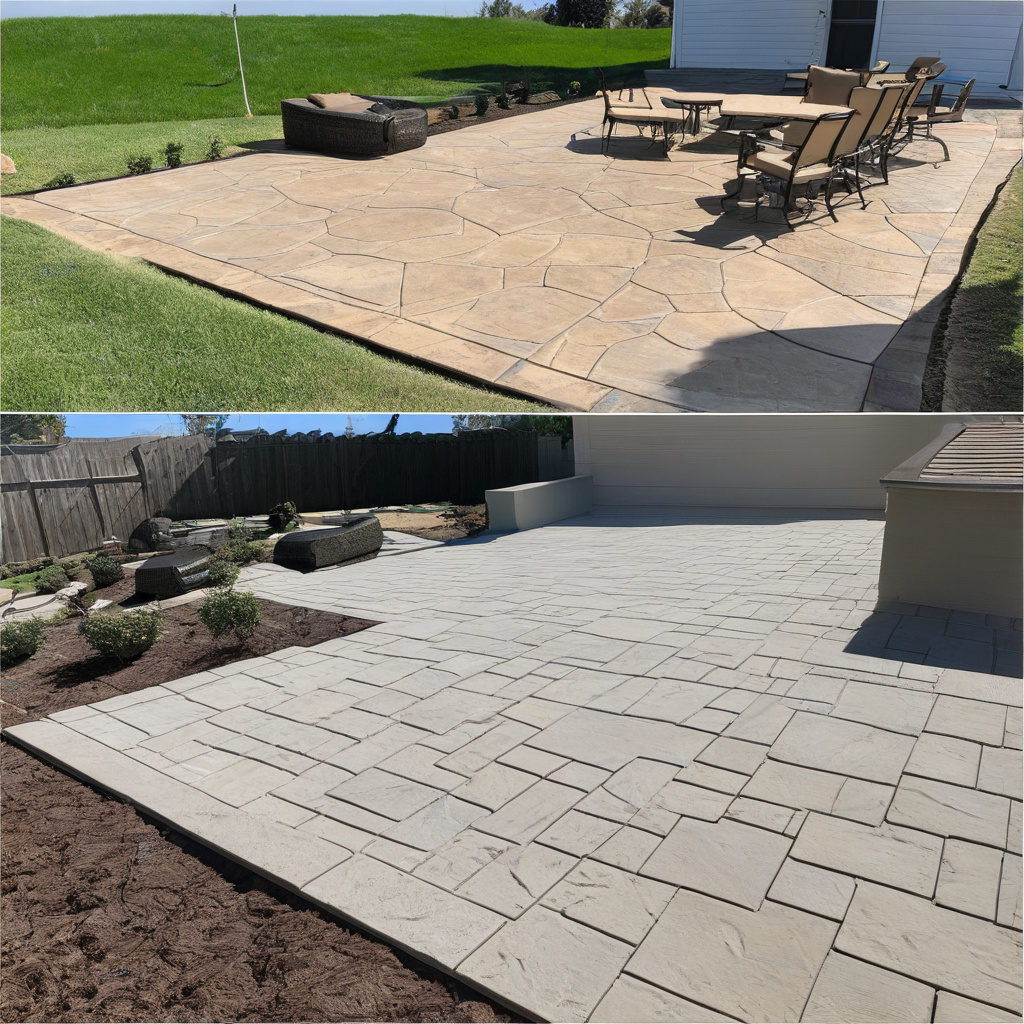
The elegance of concrete lies in its adaptability and durability, offering a maintenance-friendly surface that can withstand California’s diverse climatic shifts.
Paver Patios: The Flexible Flair of Modular Design
If variety is the spice of life, then paver patios bring the culinary equivalent to outdoor design. Unlike a solid concrete slab, pavers offer a modular approach to patio design. Each piece acts like a puzzle, allowing homeowners to play with colors, patterns, and textures to create a personalized masterpiece. This ability to customize is why paver patios are often a favorite among design-conscious homeowners in Southern California.
In terms of maintenance, pavers come with a significant advantage: ease of repair. If one paver becomes damaged, it can be replaced without disturbing the surrounding area—a massive boon for time and cost-saving, especially in a place where aesthetics are paramount. Such flexibility ensures that patios remain pristine without extensive overhauls.
However, paver patios require more planning and precision during installation. The foundational work must be meticulously done to prevent future settling issues. This complexity often means higher initial costs compared to concrete. But many find that the hassle-free maintenance and aesthetic flexibility outweigh these early challenges.
When considering a paver patio, homeowners should imagine a space that can evolve—changing patterns with a designer’s eye and augmentable over time with minimal fuss. It’s the art of making the complex simple. For a deeper dive into patio styles, visit this detailed guide on patio remodeling options.
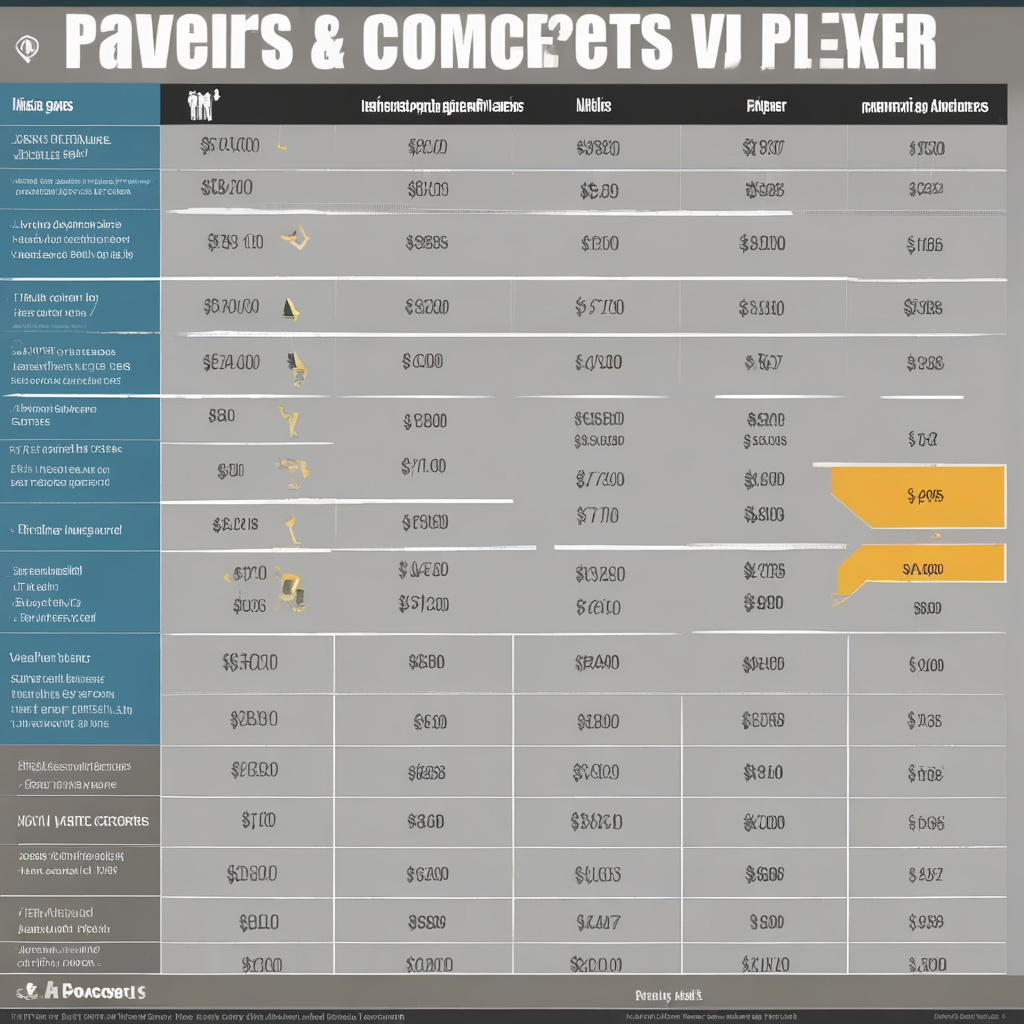
It’s clear that pavers offer an inviting flexibility, with the ability to adapt and adjust to the natural shifting sands of design preferences and climate conditions.
The Cost Comparison: Dollars and Sense
The financial aspects of paving versus concrete are often at the forefront of every homeowner’s mind when planning an upgrade. In Los Angeles, where professional construction services are easily accessible yet notoriously costly, the decision often comes down to analyzing the cost benefits over time. A comprehensive understanding of long-term expenses can sway even the most aesthetic-focused buyer.
Here’s a simple table to help compare the costs and timelines associated with each option:
| Aspect | Concrete Patio | Paver Patio |
|---|---|---|
| Initial Cost | $5 – $10 per sq. ft. | $10 – $20 per sq. ft. |
| Maintenance | Moderate | Low |
| Repair Ease | Difficult | Easy |
| Longevity | 20-40 years | 25-50 years |
| Installation Time | Short | Moderate |
While the initial sticker price for concrete might be enticing, pavers often prove to be the more economical choice in the long-term maintenance game.
Making the Choice: Form, Function, and Everything in Between
Beyond simple aesthetics and cost considerations, there are several practical factors to account for. Homeowners need to envision how they intend to use their patio. Will it host large gatherings beneath sunlit skies, or remain a personal sanctuary during the balmy evenings? Perhaps the area will be paired with specific additions, such as an outdoor kitchen or a fire pit.
The decision also hinges on your garden’s integration within your household. For those focusing on greening their homes, understanding how each option complements various decking choices becomes vital. Discover alternative solutions, such as innovative waterproof deck systems for seamless integration.
This section serves to deepen your understanding, considering not just the patio’s direct function, but its ability to grow with your evolving landscape—one where form meets function at a family-friendly intersection.
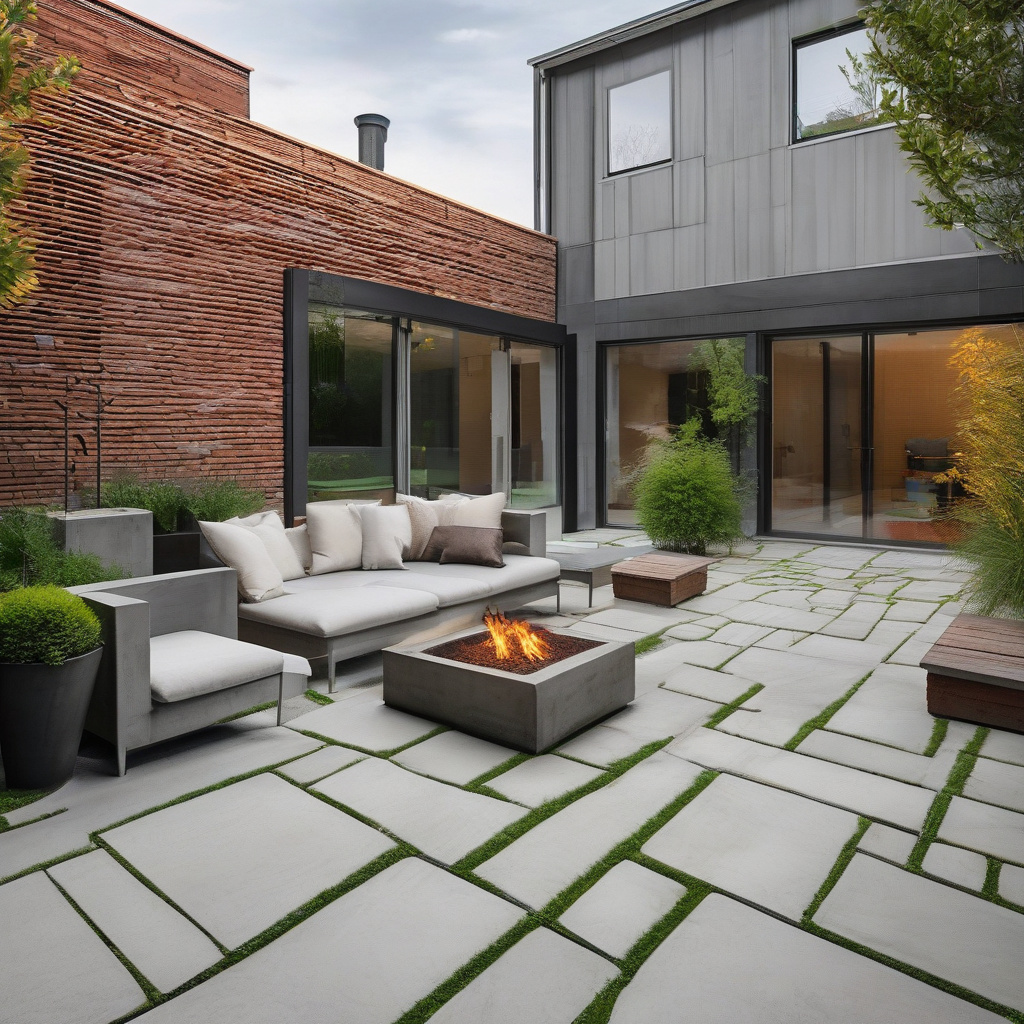
Each patio option provides unique opportunities, an amalgamation of personal taste and strategic foresight, tailored to every homeowner’s singular vision.
Sustainability and Material Choices
With sustainability increasingly on the radar for many Southern Californians, the type of materials used in construction is non-negotiable for a growing number of informed consumers. Employing eco-friendly materials that reduce the environmental footprint without sacrificing quality or longevity remains critical in contemporary renovation projects.
Concrete manufacturers have begun incorporating recycled materials to lessen ecological impact, aligning themselves with environmental practices. Conversely, pavers often utilize permeable materials that facilitate natural water filtration, reducing runoff concerns—a significant benefit in drought-prone California.
With the innovation of composite materials, greater emphasis is placed upon minimizing maintenance while maximizing aesthetic appeal. For an in-depth exploration of maintenance aids, check out these indispensable composite care tips.
An industry study revealed a 30% increase in property value when eco-friendly materials were used in outdoor renovations.
The choice ultimately converges with an understanding of how your property can both reduce environmental impact while enhancing property value—a modern design paradox that continues to captivate thoughtful homeowners.
Final Thoughts: Integration of Space and Style
In the end, Los Angeles homeowners are tasked with finding the perfect blend of durability, style, and economy. Whether opting for the unyielding reliability of concrete or the adaptable charm of pavers, every decision shapes not only personal comfort but long-term satisfaction and marketability of one’s home.
Integrating other outdoor structures, such as pergolas or solid covers, can further elevate the comfort and usability of your open-air space. For those considering such enhancements, explore the benefits of different structures for your patio with a practical guide on patio covers.
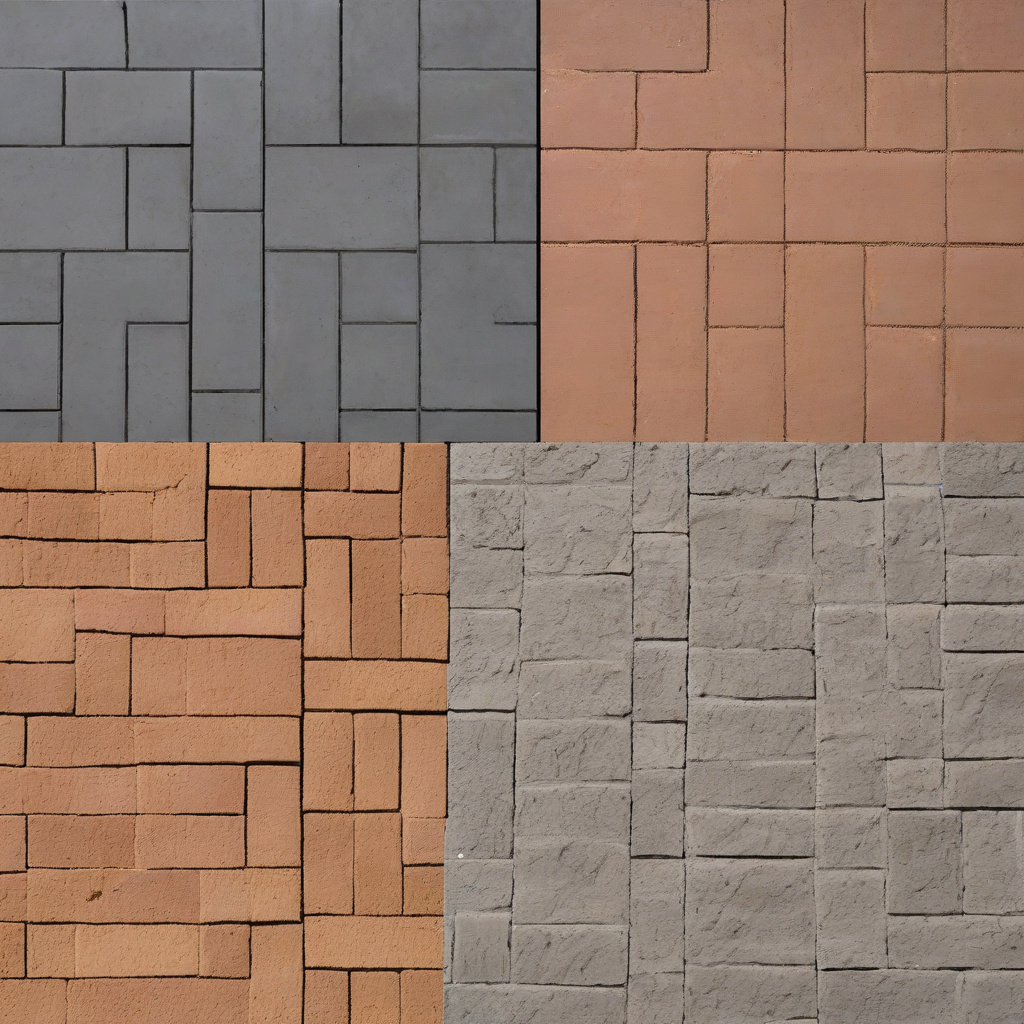
Ultimately, when patios are created with both passion and purpose, they become much more than a mere extension of your home; they transform into reflections of creativity and legacy, laid out beneath the bright Californian sky.
“Strategically planned outdoor spaces can yield a 20% increase in property appeal,” reports a leading Southern California real estate analyst, underscoring the significance of a well-executed patio project.
- Concrete patios offer durability with a minimalist finish, but repairs can be costly.
- Paver patios provide customization and easier repairs, ideal for design-focused homeowners.
- While concrete initially costs less, pavers may offer more value due to lower maintenance.
- Weather resistance and material sustainability are critical in Southern Californian projects.
- Integrating additional structures can enhance the functionality of your chosen patio style.
“`html
FAQ
What are the main differences between concrete patios and paver patios?
In the world of backyard upgrades, concrete patios and paver patios each provide their unique offerings to homeowners. Concrete patios are known for their strength and seamless look. They present a flat, continuous surface that many modern homeowners love for its clean lines and minimalist aesthetic. On the other hand, paver patios are constructed from individual units, offering modular style and design flexibility. These can mimic anything from old cobblestones to contemporary brick patterns, giving them a unique edge when it comes to customization. Many contractors observe that the modular nature of pavers allows for easier repairs, as individual units can be replaced without disturbing the whole structure. This difference can be pivotal in older properties, where ground shifts might necessitate occasional tile replacements.
How do cost considerations differ between concrete and paver patios?
Cost is a significant factor for most homeowners when deciding between concrete and paver patios. The initial cost of a concrete patio is often lower, which appeals to those renovating on a budget. However, experts highlight that over the patio’s lifespan, costs can balance out due to maintenance. While concrete may crack over time, repairs are usually more complex and costly compared to pavers. In real projects, it’s commonly observed concrete repairs sometimes demand resurfacing of large areas. Paver patios, though generally more expensive to install due to labor intensity, offer easier maintenance. Homeowners can swap out damaged pavers individually, a process that many find straightforward and budget-friendly. It’s prudent to weigh upfront expenses against long-term maintenance to make an informed choice.
What are the advantages of a concrete patio in everyday use?
Concrete patios shine in their ability to deliver a smooth, even surface ideal for versatile activities. Families often appreciate this when it comes to placing outdoor furniture or setting up dining areas. The uniform surface reduces trips and falls, making it a safe option for children’s play areas. Homeowners who use their patios frequently for gatherings will find that concrete is durable, even under heavy usage. Plus, many modern finishes such as staining or stamping can add aesthetic appeal. In urban settings like those in California, experts often recommend concrete for new builds, where the modern aesthetic seamlessly complements contemporary architectural designs.
What are some potential disadvantages to installing a paver patio?
While paver patios offer great style flexibility, they also have downsides that homeowners should consider. One concern is the likelihood of weeds growing between the joints if not properly maintained. In practice, this means you might have to deal with periodic weeding or re-sanding to keep them looking clean. Another common issue arises during installation—improper leveling can lead to an uneven surface, causing tripping hazards and water pooling. In busy households, this might translate to unexpected maintenance challenges. For those considering a DIY installation, it’s often a good idea to seek professional advice to avoid pitfalls. Rest assured, seasoned professionals can be reached through resources like this link—you can reach out to a local expert for advice.
When is a concrete patio the better choice for your home?
A concrete patio may be the optimal choice for homeowners seeking durability with minimal decoration needs. For those living in areas with stable soil conditions—like much of urban California—concrete provides stability and ease of upkeep. Many experts advocate for concrete in settings where large, seamless surfaces are preferred, perhaps for modern exteriors where continuity is key. Home renovators who value long-term investment with less frequent maintenance tasks often find themselves leaning towards concrete. Additionally, homes undergoing extensive renovations might benefit from the adaptability concrete offers, allowing it to blend well with a variety of landscaping features and other hardscape elements.
What should homeowners consider when maintaining their paver patios?
Maintenance of paver patios requires attention to detail, yet many find it manageable with a little regular care. Homeowners should routinely check for loose or misaligned pavers, especially after severe weather, which can shift the foundation. Filling gaps with joint sand minimizes weed growth and enhances stability. Sealant application is another consideration—applying a sealant every few years will protect against color fading and staining. Seasoned DIYers see this as a weekend project, while those who prefer professional hands can consult experts. A common misconception is that once laid, pavers need no further attention, but proactive maintenance prolongs longevity and eye-catching appearance.
What are the long-term durability considerations for concrete vs. paver patios?
The question of long-term durability often weighs heavily in the decision-making process. Concrete patios are notorious for their strength but can develop cracks over time due to natural settling and temperature fluctuations. This doesn’t mean concrete isn’t durable; rather, it requires occasional proactive maintenance, like sealing, to extend its lifespan. Paver patios, contrastingly, offer a different type of durability. Individual pavers absorb stress and shift, reducing the likelihood of universal cracking. This modular aspect allows homeowners flexibility, but the flip side is ongoing attention to joint maintenance. Many renovators in earthquake-prone areas favor pavers for their adaptability, suggesting they manage ground movement better than large concrete slabs. Ultimately, understanding your area’s climate and soil and discussing options with a local expert can aid in making the best long-term choice.
What are some common installation mistakes with concrete and paver patios?
Inexperienced installers often underestimate the preparatory steps needed for both concrete and paver patios. For concrete, improper ground preparation can lead to significant problems like cracks and uneven settling. Experts stress the importance of thorough subgrade compaction; without it, soil movement over time can damage the surface. With paver patios, a frequent mistake is neglecting to create a proper base layer. This results in shifting and settling issues that compromise the aesthetic and structural integrity of the patio. Whether you’re interested in DIY solutions or hiring professionals, ensuring a solid groundwork is fundamental. Skilled professionals can be crucial here, helping you navigate potential pitfalls before they become costly problems. For those seeking professional guidance, reaching out via local contact can provide directed advice and assistance.
“`