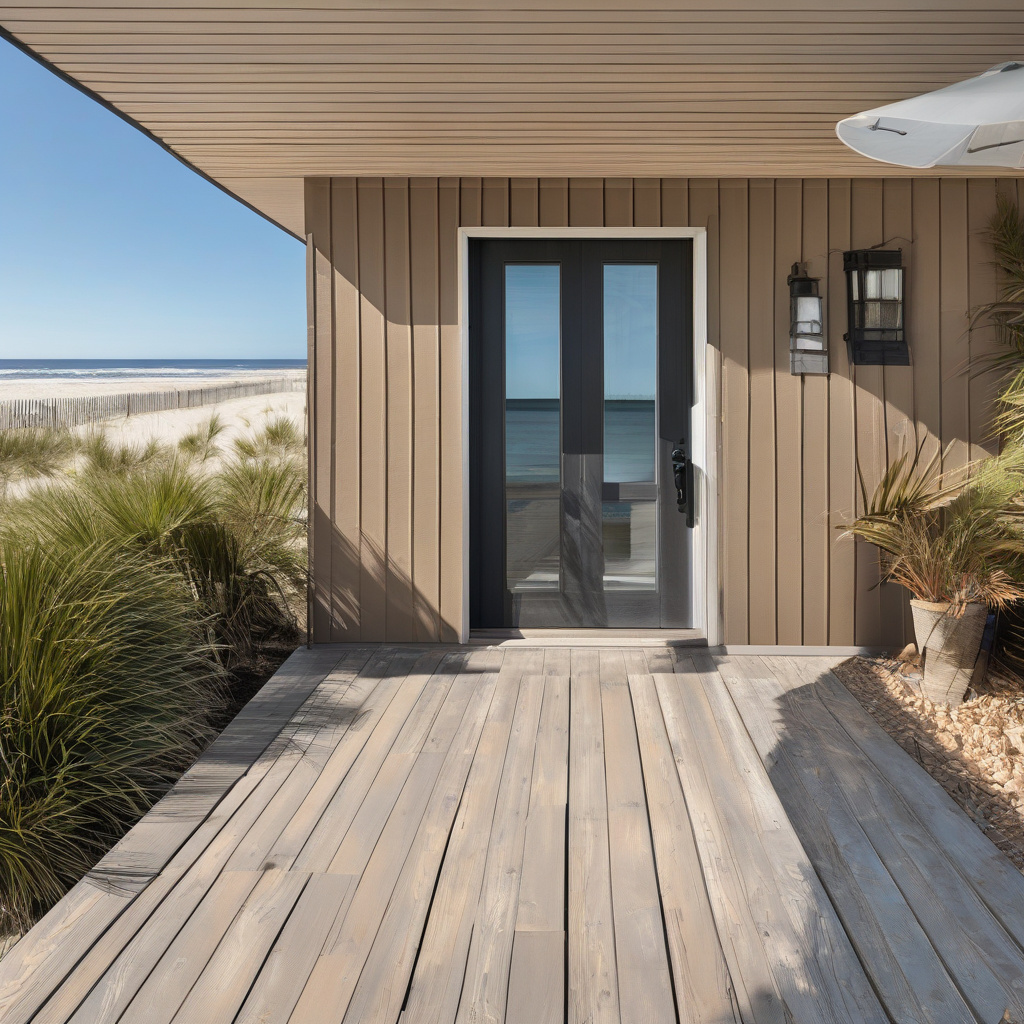
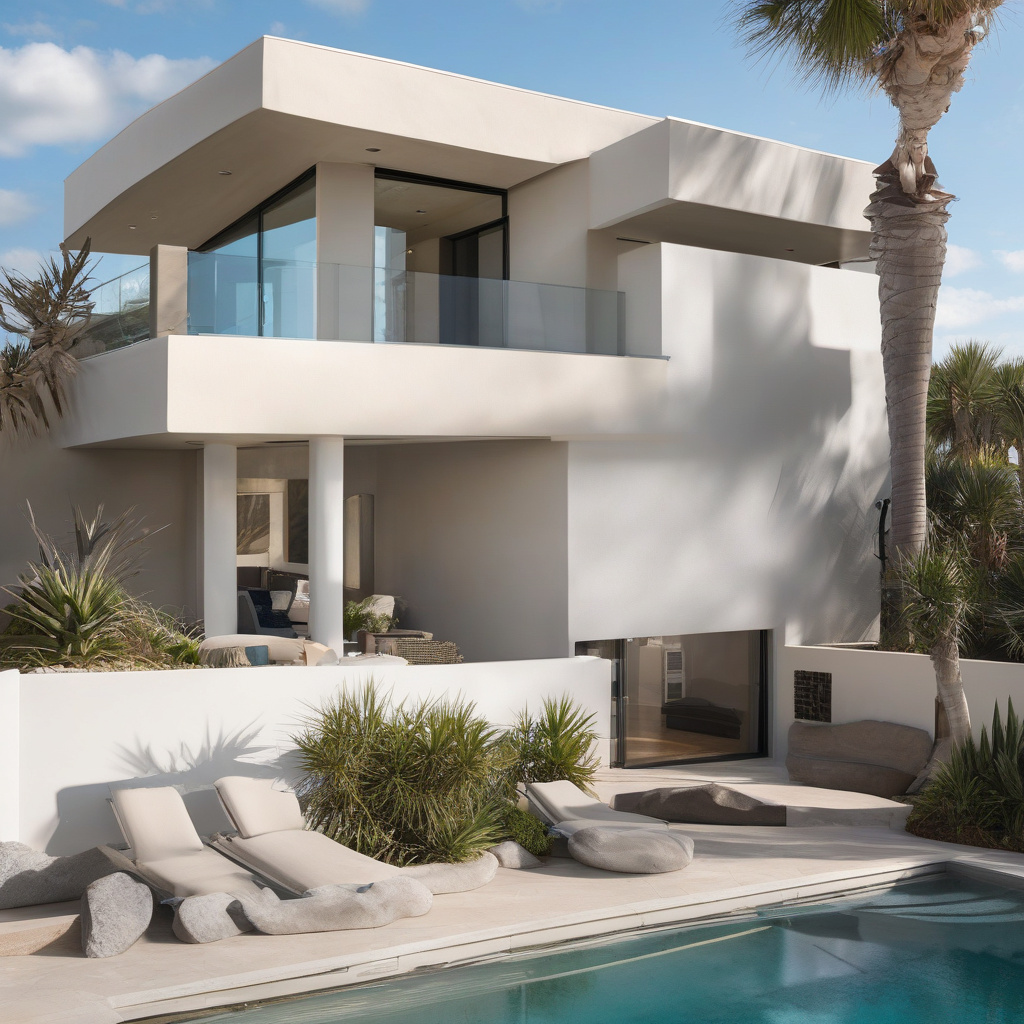
Strolling along the sun-kissed avenues of Los Angeles, it’s hard not to feel envious of those opulent beachside homes shimmering under the golden rays. However, ask any local homeowner, and they might tell you it’s a love-hate relationship with an all-out sun assault on their exteriors. While the coastal sun paints a picturesque scene, it simultaneously wreaks havoc on exterior surfaces, particularly paint. The quest for resilient, long-lasting paint has become a saga unto itself.
Brief summary: In Los Angeles, the coastal sun aggressively fades exterior paints, demanding the use of UV-resistant formulas and protective coatings. This article explores planning considerations, material selection, and innovative techniques to maintain vibrant exteriors, drawing from practical homeowner experiences.
Understanding the Effects of Coastal Sun on Exterior Paint
Los Angeles enjoys about 284 sunny days a year. This relentless sun might be perfect for beachgoers and tourists but spells trouble for homeowners trying to protect their homes’ exteriors. Continuous exposure to intense ultraviolet (UV) rays leads to pigment fading, surface degradation, and a general decline in curb appeal. Fading isn’t just a matter of aesthetics; it increases vulnerability to other elements like moisture, leading to a cascading set of problems.
Homeowners often realize that the choice of paint isn’t merely about selecting a color that matches the design ethos. It delves deeper into the realm of science. Residential architecture in coastal areas must consider UV index, reflectivity, and pigment resistance. Discover more about paint selection strategies.
Pigments are prone to photodegradation. The brighter or darker the shade, the higher the susceptibility to fading. UV-resistant paints promise longevity, yet they must be coupled with other protective strategies to maximize benefits.
Ultimately, coastal exposure necessitates a strategic approach. By maintaining vibrant exteriors, homeowners not only preserve value but also avoid larger maintenance expenses down the line.
Certain shades can lose up to 60% of their original color in just five years due to untreated UV exposure.
Planning for Longevity: A Los Angeles Perspective
In a place like Los Angeles, where design meets durability, preparing for the inevitable effects of sun exposure is crucial. Planning starts long before a paintbrush touches the wall. Many local homeowners now hire professional consultants to draft exterior color schemes that achieve balance between aesthetic goals and functional requirements.
With decades of experience, experts predict an increase in demand for resilient coatings in trendy hues. Notably, understanding evolving color trends helps homeowners align choices with both personal tastes and market demands.
The process of selecting materials intertwines with design. Eco-friendly, synthetic options are soaring in popularity, offering not just aesthetic appeal but also protection against harsh elements. These innovative solutions cater to both aesthetics and functionality.
A well-executed plan considers both immediate factors like sun exposure and longer-term implications like resale potential. It’s far more than picking a pretty shade; it’s about making informed strategic decisions.
In Southern California, consulting fees for exterior design planning range between $500 and $1,500 depending on complexity and expertise.
Choosing the Right Materials
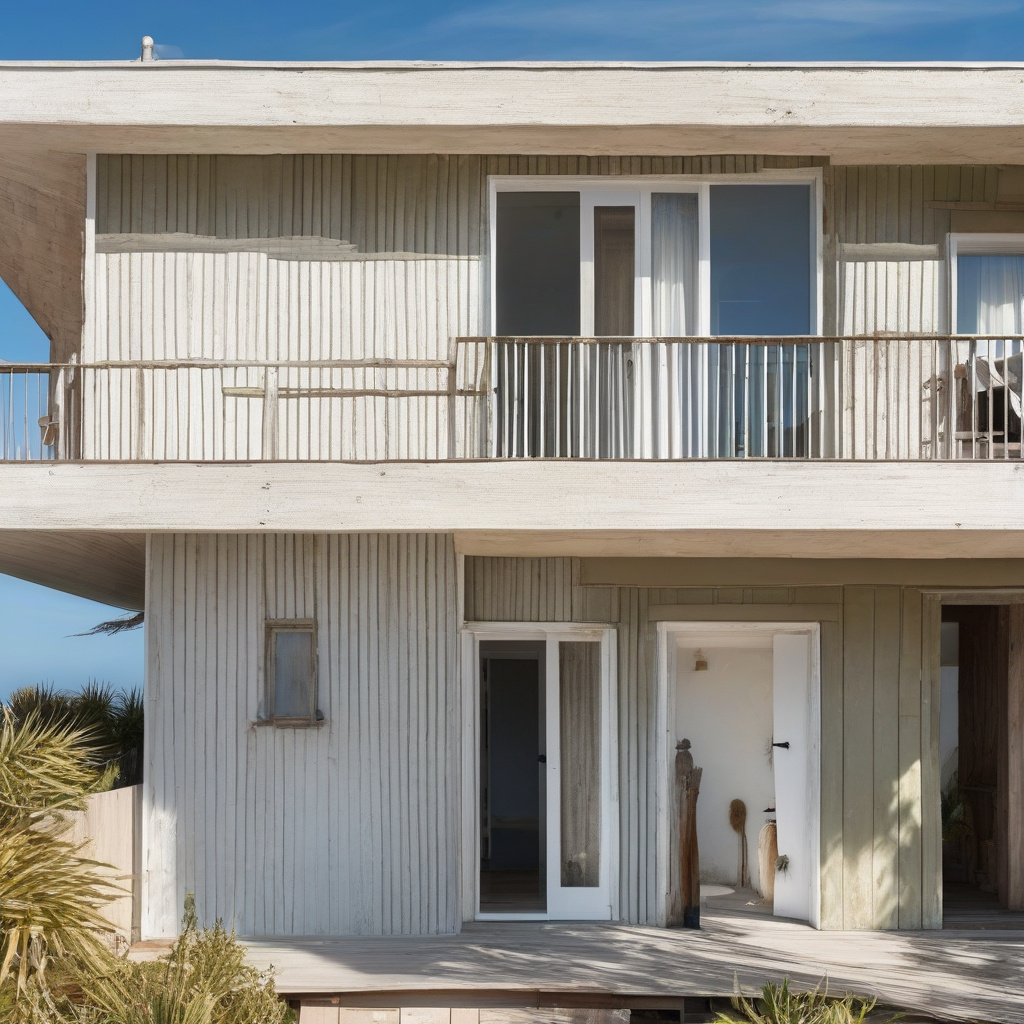
The selection of materials plays a pivotal role in combating sun damage. Homeowners contemplating renovation or new construction must weigh material costs against durability. Basic latex paints versus premium UV-resistant ones present a striking dichotomy in terms of both performance and price.
A growing trend involves using acrylic paints, which are known for their strong bonding and resistance to fading. These tend to be more price-intensive, yet they assure a longer-lasting finish. Choosing materials involves a careful evaluation of these costs and the promise they hold.
The industry is not short on options. From complex polymer blends to natural-based formulations, the array of choices can be daunting. However managed well, they can strategically fend off sun damage.
Ultimately, the selection hinges on an informed understanding of needs, desires, and environmental challenges posed by the Los Angeles climate.
Cost-Benefit Analysis: Traditional vs. UV-Resistant Paints
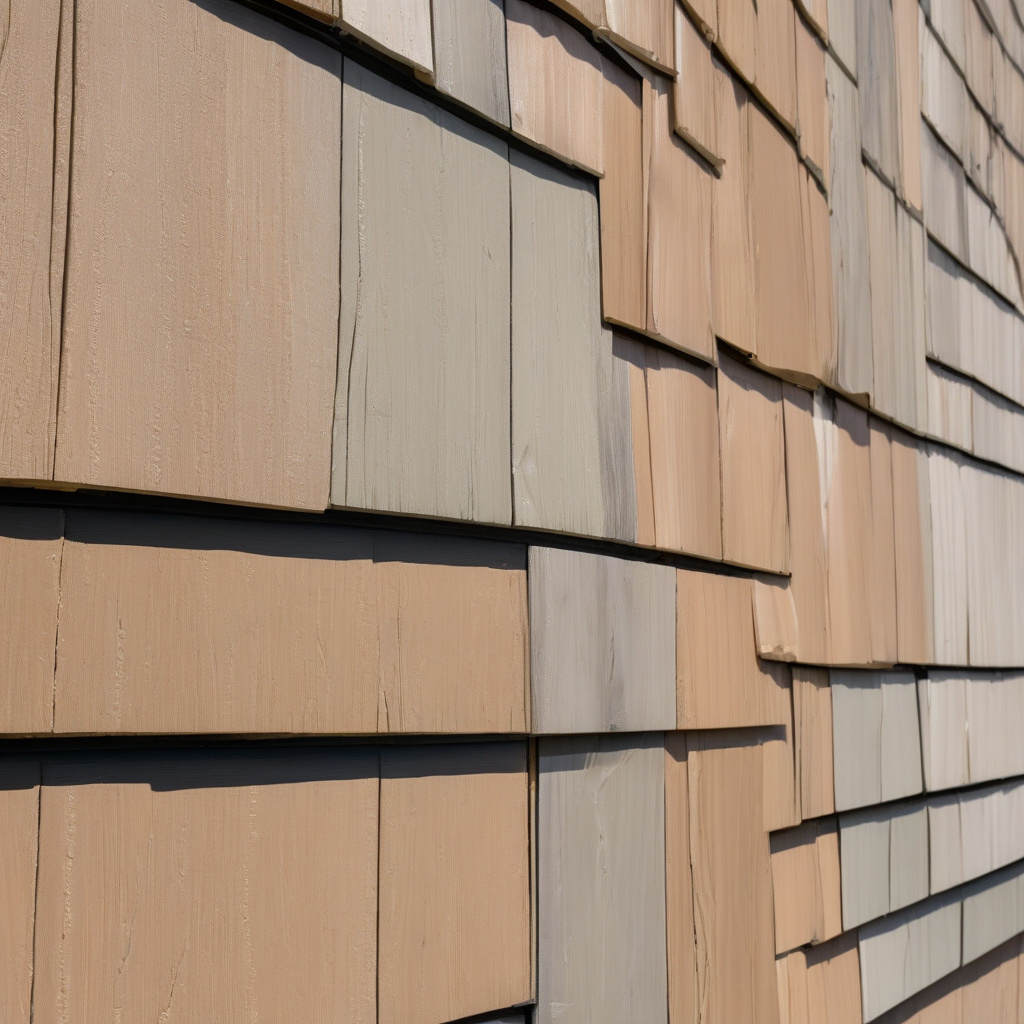
The conversation around cost versus benefit is not new in home renovations. Los Angeles homeowners often face a monetary dilemma when choosing between traditional paints and their UV-resistant counterparts. A basic analysis can help illuminate the best path forward.
| Type | Cost (per gallon) | Longevity | Major Benefits |
|---|---|---|---|
| Traditional Paint | $15-$30 | 3-5 years | Basic protection and color |
| UV-Resistant Paint | $40-$60 | 7-10 years | Superior UV protection, longer lasting color |
Understanding how to leverage options within budget constraints enables homeowners to make informed, financially sound decisions. The initial investment in UV-resistant paints may be costly, yet the reduced frequency of repainting can justify the expense.
A recent survey reported by the Los Angeles homeowner association found that using UV-resistant paints could reduce repainting frequency by almost 60%.
Innovative Techniques for Protecting Paint
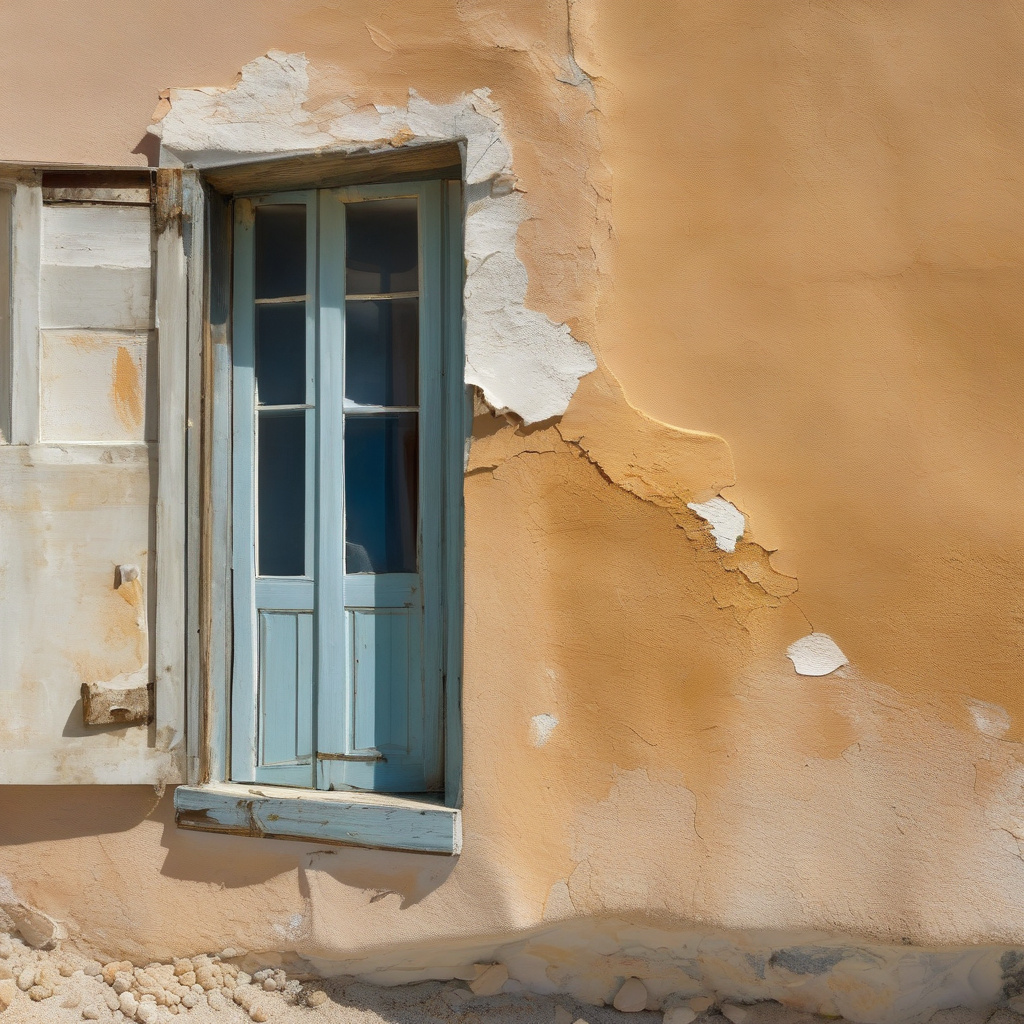
As the challenges of the coastal sun become more widely recognized, homeowners have turned to innovative solutions beyond just selecting UV-resistant paints. Some practices aim at enhancing paint performance through unique application techniques.
Specialized coatings have emerged as a popular addition. These are applied over the paint, offering an additional layer that reflects sunlight and protects against abrasion. Such coatings blend mechanically with the exterior walls, acting as both sealant and guard.
Using reflective paints that include infrared-resistant materials or nanotechnology is another burgeoning trend. These are designed to reflect heat and UV rays, reducing temperature absorption significantly.
Moreover, homeowners have started using color selections strategically, involving lighter shades that naturally reflect sunlight better than darker counterparts. Testing shade options before a wholesale application can save time and resources.
Step-by-Step Solution: Applying Protective Coatings
For those keen on undertaking a protective regime, here’s a mini how-to guide:
- Prepare the surface: Clean thoroughly to ensure the coating adheres firmly.
- Choose an appropriate coating: Consider environmental conditions and compatibility with existing paint.
- Apply with precision: Ensure even coverage for uniform protection.
- Monitor and reapply as needed: Routine checks prevent minor issues from escalating.
The cumulative effect of these efforts ensures an enduring, pristine exterior that stands valiantly against nature’s onslaught.
Weighing Risks and Rewards: DIY vs Professional Painting
DIY painting can appear as an alluring cost-saving measure. Yet, many homeowners learn hard lessons when they forego professional expertise. Mistakes in coating application or improper material selection often lead to additional expenses.
Professionals, conversely, come armed with experience, tools, and a practiced eye for detail. They can apply treatments efficiently and are familiar with intricacies of common DIY painting pitfalls. The success of a project often hinges on the subtle nuances that professionals understand deeply.
For some, the thrill of doing-it-yourself is worth the potential pitfalls. However, understanding strengths and limits before diving in can mitigate potential risks and enhance the overall result.
Ultimately, the choice between DIY and professional comes down to confidence, resources, and willingness to embrace challenges head-on.
Data suggests that employing professional painters can enhance project outcomes by as much as 25%, factoring in time, efficiency, and finish quality.
Conclusion: Safeguarding Your Investment
Protecting exterior paint from the relentless coastal sun in Los Angeles isn’t merely about aesthetics. It’s about maintaining value, enhancing durability, and stepping up to the challenges unique to this environment. By making informed decisions—whether in material selection, innovative techniques, or balancing professional versus DIY efforts—homeowners can ensure their beloved abodes remain vibrant for years to come.
With the right approach, the sun needn’t be the enemy of your home; rather, an ally in showcasing a robust, well-maintained exterior that tells its own story under the golden California sky.
- Los Angeles homeowners must consider UV-resistant paints to counter fast pigment fading.
- Proper planning with expert guidance can enhance both aesthetic appeal and durability.
- Material choices are pivotal; options include advanced acrylics and specialized coatings.
- DIY painting has pitfalls; professional application assures superior outcomes.
- Constant exposure demands strategic solutions to preserve long-term vibrancy.
“`html
FAQ
Why does coastal sun exposure fade exterior paint?
In real renovation projects, it often becomes evident that coastal sun is particularly damaging to exterior paint due to the intense UV radiation that penetrates the pigment layers. Over time, these rays break down the chemical bonds in the paint, leading to fading and chalking. This is especially noticeable in vibrant colors like reds and blues. Additionally, the combination of salty sea air and heat accelerates this degradation, often stripping the protective finishes that keep a home looking fresh. Many homeowners in regions like Southern California discover that without specialized UV-resistant formulas, even a costly paint job can look worn within a few years.
How can you choose the right exterior paint for a coastal home?
When choosing exterior paint for a coastal home, it’s crucial to select a paint specifically designed for UV resistance and durability. Many experts point out that these paints contain additives that enhance their ability to withstand sunlight without significant fading. Look for top-quality acrylic latex paints, which offer excellent flexibility and adhesion, essential for the salty, humid coastal environment. It’s also wise to select lighter colors; they reflect more sunlight and heat, helping the paint retain its color longer. In consultations with local experts, many California homeowners realize that investment in quality paint pays off in reduced maintenance costs over the years.
When should you consider repainting the exterior of a coastal home?
In coastal areas, it’s often necessary to repaint exterior surfaces more frequently than inland properties due to the harsh environmental conditions. On average, repainting every 5 to 7 years is recommended to maintain vibrant color and protection. However, this depends on factors like paint quality and the orientation of the home’s walls relative to the sun. Owners of older properties, in particular, find that more frequent touch-ups help address areas prone to higher levels of wear, such as west-facing walls that bear the brunt of afternoon sun. Paying attention to signs like chalking or peeling promptly can extend the time between full repainting projects.
What are the typical mistakes homeowners make regarding exterior paint in coastal areas?
Homeowners frequently underestimate the impact of coastal conditions on exterior paint, often opting for lower-cost options that aren’t formulated to endure the harshness of sun and salt air. A common mistake is ignoring the importance of proper surface preparation before applying any new coat of paint; failing to do so can result in poor adhesion and early peeling. Another oversight is not addressing small maintenance issues immediately, such as cracks and blistering, which can worsen over time. Engaging with professionals for advice can help avoid these pitfalls. To discuss these issues directly with experts, you might look into the services offered by renovation specialists.
How much does it typically cost to use UV-resistant paint in coastal areas?
The cost of UV-resistant paint is generally higher than conventional paints, often priced at 20-30% more per gallon. However, the investment can be justified by the extended lifespan of the paint job and the reduced frequency of repainting required. In practical terms, many renovation projects reveal that while the upfront costs are greater, the longer intervals between repainting more than compensate over time, resulting in overall savings. This is especially important for maintaining curb appeal in competitive real estate markets like those in coastal California areas. It’s another case where quality over quantity can make a substantial difference.
What are the pros and cons of using protective coatings on coastal home exteriors?
Protective coatings serve as an additional shield against sun and salt damage, enhancing paint durability and appearance. Pros include added protection against mildew and easier maintenance, as dirt and minor wear wash off more readily. However, there are cons to consider; these coatings add initial cost and necessitate periodic resealing for ongoing effectiveness. Many coastal homeowners find value in the reduced maintenance and improved longevity, but some prefer to save the upfront expense, especially if planning to repaint sooner than the coating’s effective duration. Balancing these factors is crucial for effective decision-making.
How do UV-resistant paints actually work to protect exteriors?
UV-resistant paints are formulated with special additives that absorb or reflect UV radiation, preventing it from penetrating deeply into the paint’s layers. This preservation of the paint’s integrity means less fading and deterioration over time. In practice, these paints maintain their color vibrancy much longer under intensive sun exposure, which is why they’re so vital for coastal homes subjected to relentless sunlight. Observations show that such paints, when paired with high-quality primers and sealants, significantly enhance a building’s facade durability, reducing the need for frequent maintenance cycles.
What maintenance is required after applying protective coatings?
After applying a protective coating, homeowners should conduct regular inspections and cleanings to ensure optimal performance. Easy maintenance involves washing away salt residue and dirt with water or a mild detergent, a task that often shows its necessity after stormy or particularly hot weather. The coating’s effectiveness should be assessed every couple of years, with reapplication recommended if signs of wear, like cracking or peeling, appear. Practically, in busy coastal zones, these coatings could require touch-ups more frequently due to constant environmental stress. Regular maintenance helps keep exterior surfaces looking fresh and well-protected.
“`