When embarking on a kitchen renovation in the dynamic heart of Southern California, many homeowners find themselves teetering between exhilaration and overwhelm. With an impressively diverse palate of styles, layouts, and technologies, choosing the right appliances becomes pivotal to transforming a blank canvas into a bustling hub of culinary creativity. Whether one’s culinary exploits demand a sleek suite of high-performance gadgets or a selection of eco-friendly, space-saving essentials, knowing how to navigate the appliance-selection process is crucial.
Brief summary: Choosing the right appliances for a new kitchen is a nuanced process that considers cooking habits, energy efficiency, and space availability. This article delves into renovation trends in Southern California, providing insights on balancing functionality with aesthetics, the financial implications of decisions, and strategic planning for both large and compact kitchen spaces.
Defining the Framework of Your Kitchen Vision
Every kitchen makeover starts not just with a plan, but with a dream. The sprawling urban landscapes of Los Angeles offer testimony to an evolving aesthetic: sleek minimalism punctuated with bursts of California color. The foundational step is to articulate what the kitchen of your dreams looks like and how it dovetails with your lifestyle. Is it an open-concept design that allows seamless flow from cooking to entertaining, or a cozy enclave tailored for intimate family meals? Your vision will set the stage for all subsequent decisions, including your choice of appliances.
A dive into home renovation resources highlights a commitment to sustainability. Pursuit of energy-efficient appliances has been gaining ground, with eco-savvy consumers opting for models that boast Energy Star ratings given the long-term cost savings and positive environmental impact. These choices reflect not just a lifestyle preference, but an investment in the health of the planet.
Indeed, the choice of appliances hinges heavily on cooking habits. Are you the gourmand who relishes preparing multi-course meals with all the flair of a Michelin-starred chef? If so, multiple ovens and expansive cooktops may top your list. Alternatively, someone’s culinary prowess may lean towards efficiency, with a focus on time-saving appliances like speedy induction hobs and smart refrigerators that streamline meal prep.
Ultimately, grounding your appliance choices in a clear vision is more than an aesthetic endeavor; it is about aligning form with function to craft a harmonious and utilitarian space. As Los Angeles homeowners will attest, the right decisions today mean fewer headaches down the road.
Maximizing Efficiency with Intelligent Layouts
More than just decor, appliance placement is critical to optimizing both function and flow. Thoughtful kitchen layout planning can transform even the coziest of spaces into a paragon of efficiency. Here, the concept of the kitchen work triangle—a spatial design principle linking the sink, refrigerator, and stove—resonates as a practical guide. However, Southern California’s eclectic architetural influences invite more flexible interpretations.
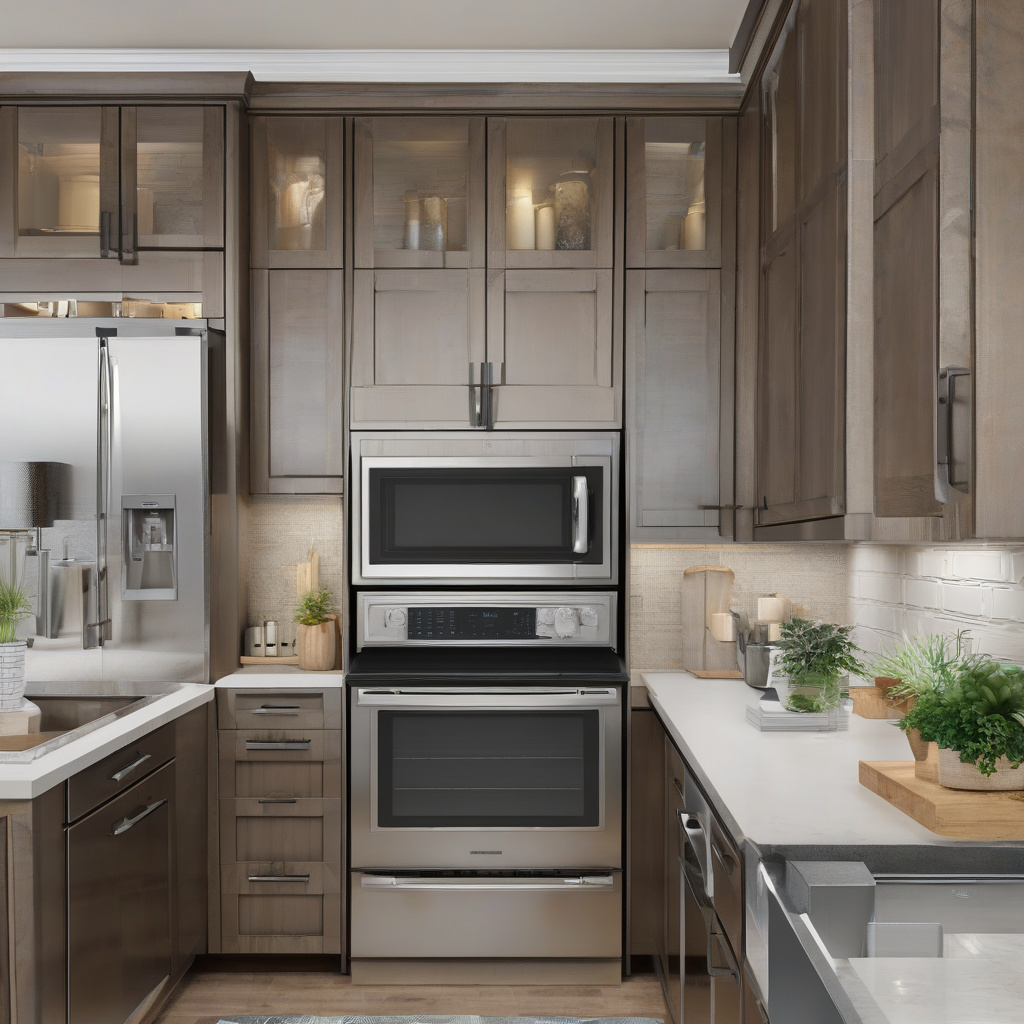
In compact kitchens, maximizing vertical space becomes essential. Stacked appliances or combined units, like an oven-microwave hybrid, can save valuable counter space. Meanwhile, pull-out pantries are a genius solution for storage without encroaching on much-needed surface area.
Conversely, larger kitchen spaces may benefit from additional zones: a dedicated baking area with specialized ovens, or a breakfast nook equipped with integrated coffee makers and compact fridges. These custom setups afford homeowners a tailored culinary experience, without sacrificing aesthetic appeal.
Homeowners who embrace flexibility in layout design often find that an adaptable kitchen is a lasting kitchen, one that evolves with their lifestyle needs. This forward-thinking approach, combining function with creative foresight, ensures enduring satisfaction with one’s culinary haven.
Balancing Budget with Longevity: A Cost Analysis
Cost considerations loomed large during the appliance selection process. Homeowners must weigh immediate outlays against potential long-term savings. High-end appliances often carry a hefty price tag upfront but can champion superior efficiency and longevity, leading to reduced energy bills over time.
A straightforward cost analysis is best portrayed through a comparison of entry-level appliances versus their premium counterparts. Understanding these cost dynamics can empower homeowners to make decisions aligned with both their budget and renovation goals.
| Appliance | Entry-Level Cost | Premium Cost | Potential Savings in 5 Years |
|---|---|---|---|
| Refrigerator | $1,000 | $4,500 | $500 |
| Cooktop | $500 | $3,000 | $300 |
In navigating this economic landscape, many homeowners are finding value in a hybrid approach, choosing premium appliances where performance is critical, and opting for entry-level options for secondary roles. This strategic blend promises both practical functionality and cost efficiency.
The guiding principle of aligning cost with expected longevity remains pivotal. After all, investing wisely today often prevents costly replacements or upgrades tomorrow, securing both immediate and remote returns on investment.
One study points out that homes with energy-efficient kitchens tend to have an 8-12% higher resale value.
The Reward of Enduring Style
A partnership forms between appliance design and interior aesthetics that makes a kitchen truly sing. In the sunlit corridors of Southern California, homeowners are gravitating towards bold contrasts and warm, earthy tones that heralds both elegance and warmth.
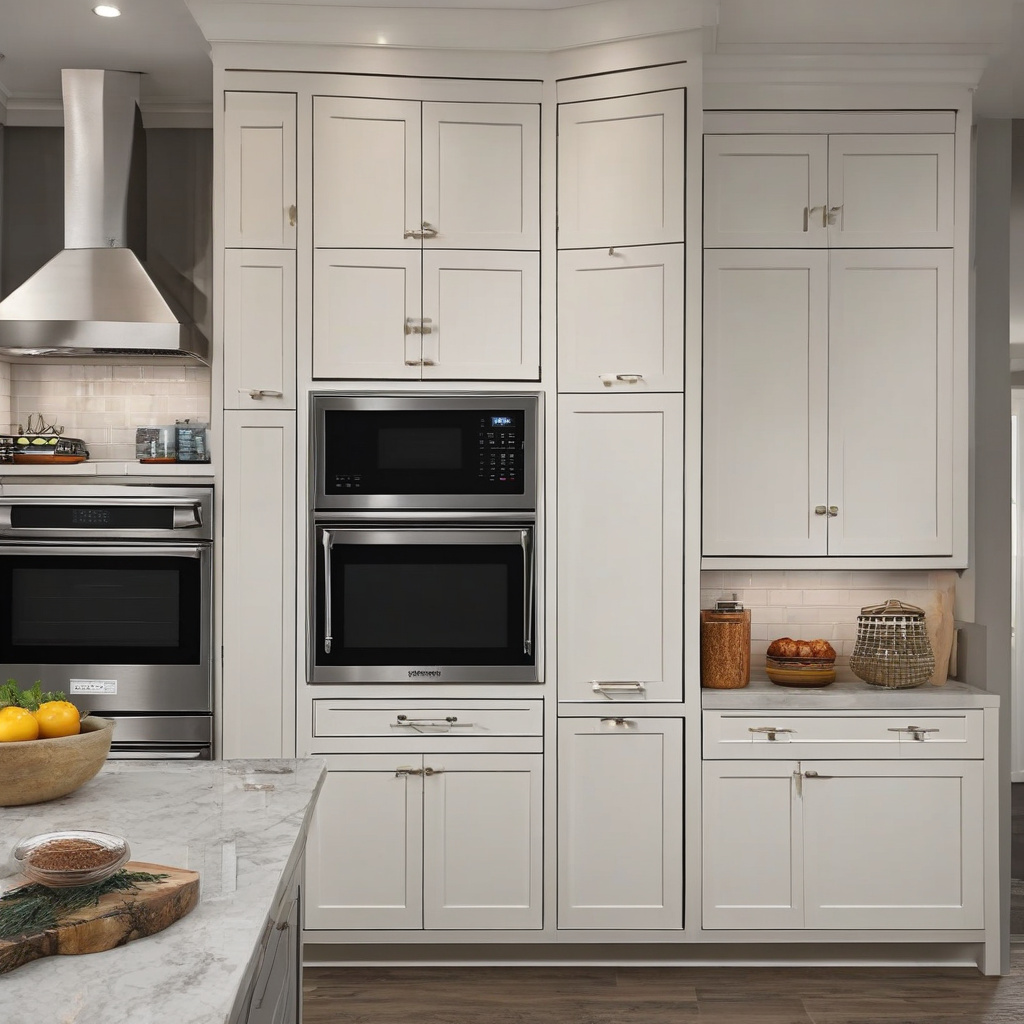
The growing trend of integrated appliances, which blend seamlessly into cabinetry, creates a streamlined appearance that harmonizes with contemporary minimalist styles. For those seeking a dash of flair, certain distinctive ranges and hoods serve as impressive focal points, striking a balance between storming visual statements and functional prowess.
That said, stylistic choices must also observe functional imperatives—materials should weather the passage of time without faltering. Stainless steel remains a popular choice due to its durability and enduring appeal.
For those ready to embrace a more daring palette, referencing the textures and tones from the local environment can create a truly Southern Californian vibe. Pulling inspiration from ocean blues, desert sands, or verdant greens offers a reflection of one’s surroundings in their interior design.
The long-term viability of one’s kitchen hinges much on this ability to balance trend with timelessness. A strategic selection today promises an aesthetic that will remain vibrant well into the future.
Technical Considerations: Choosing Energy-Savvy Fixtures
Developing a kitchen that performs efficiently without sucking up energy like a black hole is a challenge worth undertaking. Advancements in technology offer a line of defense, shielding homeowners from inflated utility bills. Focusing on light sources is a practical lever to pull in the quest for energy efficiency.
Integrating innovative kitchen lighting solutions enhances both task and ambient illumination, creating an alluring atmosphere. Ambient lighting supplies the general wash of light, usually from ceiling fixtures, while task lighting targets specific work zones. Accent lighting, meanwhile, highlights architectural features or prized artwork.
Circuitry upgrades can further optimize household energy use through the installation of smart outlets and programmable timers, which ensure energy use is always in check.
Transitioning to LED fixtures, known for their low heat output and extended lifespan, is a no-brainer. Not only do LEDs consume 75% less energy, but their durability keeps them out of landfill longer.
Ultimately, the appliance selection process should be an intersection of style and sustainability—functional fixtures without compromise on energy consumption, which protects wallets and the environment alike.
“By 2030, efficient lighting could feasibly cut the energy consumed by today’s kitchens in Southern California by nearly half,” an impact expert notes.

Color and Finish: Making the Final Flourish
No kitchen renovation is complete without the finishing touches—a riot of color or a muted palette speaks volumes about personal taste. Color in a kitchen should reflect your lifestyle, and the microenvironments of Southern California provide a bounty of inspiration.
A subtle yet impactful decision lies in selecting a color scheme that elevates the kitchen experience while offering a seamless flow to adjacent living spaces. Opting for hues that catch one’s eye without overwhelming the senses is preferable to help maintain a tranquil environment.
Kitchen color trends in Southern California underscore a fresh ambition to harmonize the natural with the domestic. Coastal blues, warm terracotta, and vibrant greens can cultivate a connection to the local landscape, bringing the outside in.
Choosing the right cabinet finishes is paramount—a gloss finish offers a contemporary look but expect to anticipate and clean fingerprints. Matte finishes provide an elegant touch, requiring less maintenance but a potentially less dramatic impact.
Remember, shades can coax emotions, and the right palette turns a simple kitchen into a sanctuary. Therefore, painting this concept into reality requires more than just a brush—it calls for a celebration of one’s individual character and flair.
Research suggests that a perfect color palette can boost both mood and productivity, creating a cooking space as stimulating as it is stunning.
- Choosing appliances for a new kitchen involves balancing personal cooking styles, energy efficiency, and spatial considerations.
- An efficient kitchen layout can transform functionality and aesthetics, maximizing even the smallest of spaces.
- Cost analysis is essential, weighing the investment in high-end appliances against their potential long-term savings.
- Mixing style with function ensures a kitchen remains timeless and trendy in Southern California.
- Strategic selection of colors and finishes can create an inspirational cooking sanctuary.
“`html
FAQ
How do I choose the right kitchen appliances that suit my cooking style?
Selecting the right appliances for your kitchen is deeply personal and should reflect your cooking style. If you’re an avid baker, a high-performance oven with precision temperature controls will be a priority. For those who love to host, a powerful, multi-burner range might be essential. In real renovation projects, homeowners find it helpful to list their weekly meal plans and consider which appliances they use most frequently. Many experts suggest visiting appliance showrooms to test features firsthand, ensuring they meet your needs. Remember, your kitchen should inspire creativity and fit seamlessly into your lifestyle, supporting both basic meals and gourmet endeavors.
When should energy efficiency be a top consideration in choosing kitchen appliances?
Energy efficiency should be at the forefront when selecting appliances, particularly in areas like California where energy costs are notably high. Modern, energy-efficient appliances not only reduce utility bills but also contribute to a smaller carbon footprint, aligning with eco-friendly home practices. During renovations of older homes, it’s common for homeowners to be surprised by the savings derived from upgrading to Energy Star-rated products. Notably, energy-efficient refrigerators and dishwashers can make a considerable difference. Evaluating the long-term cost savings versus the upfront investment is crucial in striking the right balance between green living and economic efficiency.
What are some common mistakes in appliance selection for new kitchens?
A prevalent mistake during kitchen renovations is not considering appliance size relative to the available space. Homeowners often fall for the allure of large appliances without assessing adequate room for ventilation or clearance. In smaller California homes, for instance, opting for compact or multi-functional appliances can prevent cramping and facilitate better movement. Another oversight is ignoring future-proofing; selecting trendy gadgets without checking compatibility with smart home systems can lead to regrets. It’s advisable to choose appliances that offer both current satisfaction and adaptability to emerging technologies, ensuring longevity and convenience.
How can spatial fit influence appliance choice in kitchen design?
Spatial fit plays a pivotal role in appliance selection. In real-world kitchen remodels, it’s often realized that appliances should be harmoniously integrated into the layout. An oversized fridge in a compact space can impede functionality, while too small a dishwasher might lead to inefficiency. Floor plans must accommodate both appliance footprint and accessibility. For instance, a well-placed oven should enable ease of movement even on busy cooking days. Many experts emphasize starting with accurate measurements of the kitchen space and drawing on professional advice, which can help avoid costly layout revisions and ensure a seamless blend of form and function.
What cost considerations should I have when selecting kitchen appliances?
Budgeting for kitchen appliances involves evaluating both purchase price and ongoing operational costs. Many homeowners focus solely on initial costs, but understanding energy consumption, maintenance needs, and lifespan is equally critical. In California, energy-efficient appliances can lead to substantial savings over time despite a higher upfront cost. Financing options like package deals from retailers or incentive programs for efficient appliances can ease initial expenditures. Homeowners must weigh these factors against long-term value, considering that while premium brands offer durability and advanced features, mid-range models might provide a more balanced investment for practical needs.
What are the pros and cons of high-tech smart kitchen appliances?
High-tech smart appliances offer convenience and connectivity, allowing control via smartphones and integration with other smart home systems. In newer California builds, this trend is growing as it allows for remote monitoring and energy management. However, the complexity and potential for tech obsolescence are concerns. Smart appliances can sometimes require frequent software updates and may have compatibility issues with emerging technologies. While the ability to preheat your oven from your car or get alerts if the fridge door is left open adds convenience, potential cybersecurity concerns and higher initial costs are drawbacks that some homeowners need to balance against the benefits.
What maintenance considerations come with modern kitchen appliances?
Maintaining modern kitchen appliances requires regular attention to ensure longevity and efficiency. Frequently, homeowners underestimate the importance of cleaning and routine maintenance, such as descaling dishwashers or checking the seals on refrigerators. In real life, ignoring manufacturer guidelines for maintenance can lead to decreased performance and shortened appliance life span. Many experts recommend setting reminders for servicing, particularly for appliances with air filters or water filtration systems. Given the advanced features in today’s appliances, consulting professionals for periodic checks or when repairs are needed can avert costly breakdowns. For assistance, consider reaching out to trustworthy local services that offer expert advice on maintenance via their contact resources.
How can I ensure my kitchen appliances support daily comfort and functionality?
Ensuring your kitchen appliances support daily comfort and functionality starts with considering ease of use and accessibility. In real-world scenarios, this translates into choosing appliances that are ergonomic and intuitive. For instance, side-opening ovens can prevent strain on the back while accessing heavy dishes. Many experts advise focusing on appliance placement, such as grouping the fridge, sink, and stove in a “work triangle” to optimize movement while cooking. Moreover, features like soft-close doors and touch controls can enhance comfort, making daily kitchen tasks more pleasant. Prioritizing these elements during selection will contribute significantly to a kitchen that truly feels like the heart of the home.
“`