Los Angeles—a city where the sun is a permanent resident and where everything gleams a little brighter, including the rooftops. In such a sun-drenched locale, choosing the right roofing material isn’t just a matter of aesthetics; it’s a decision with real financial and comfort implications. Reflective shingles, cool-rated membranes, and durable metal panels stand out as the go-to options for LA homeowners looking to combat the harsh rays, reduce heat absorption, and make smarter energy choices.
Brief summary: This article explores the best roofing materials for hot climates like Los Angeles, focusing on reflective shingles, cool-rated membranes, and metal panels. It discusses real renovation trends, costs, and homeowner experiences while providing practical insights and expert analysis.
The Rise of Reflective Shingles in Los Angeles
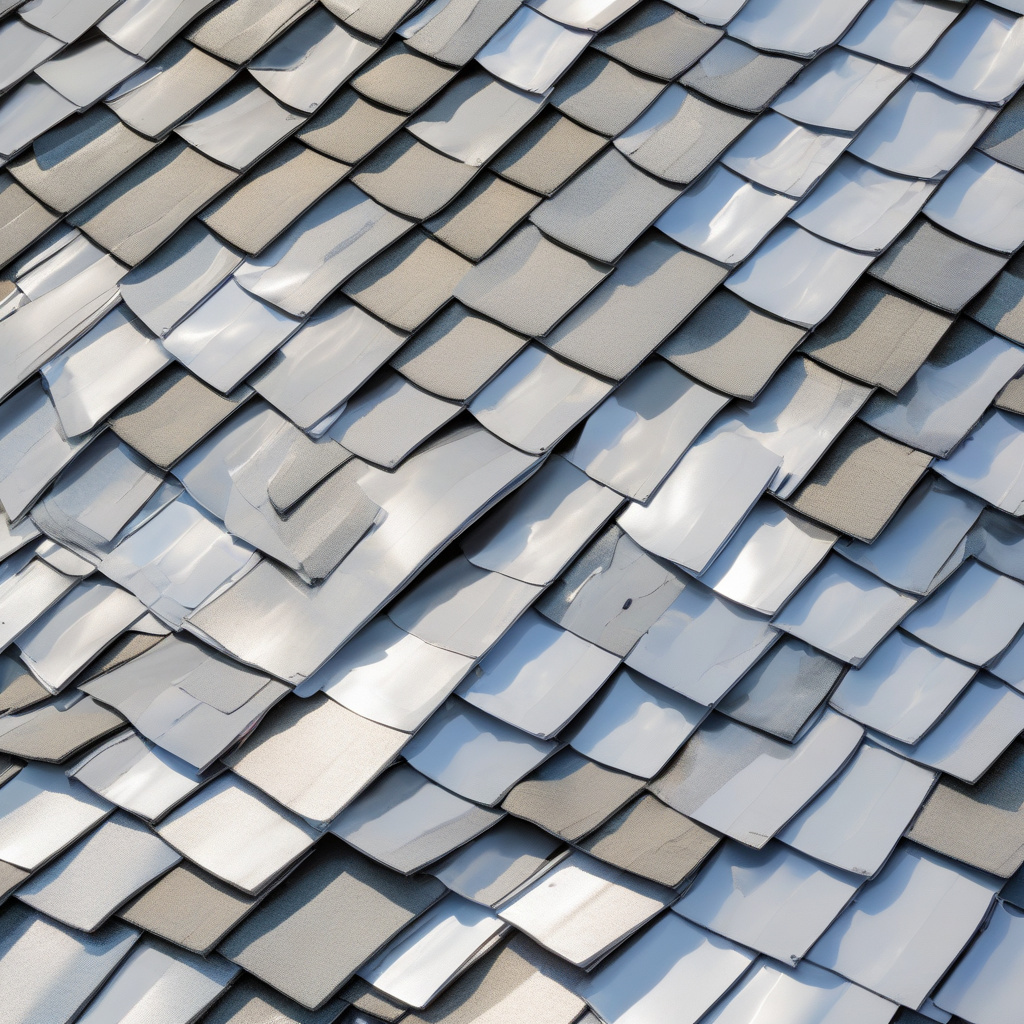
Reflective shingles have caught the eyes of many Angelenos, not only for their aesthetic appeal but also for their ability to reflect sunlight. These shingles, often termed ‘cool roofs’, help in lowering the roof temperature significantly, thereby reducing the heat transfer into the building. With energy savings on the line, it’s no wonder homeowners are making this smart switch.
In numerous roofing installations across Southern California, reflective shingles have become a fixture. They are praised for their longevity and the ease with which they blend with modern architecture, providing a sleek yet functional finish.
Innovative technologies have propelled these shingles to the forefront, boasting options that can reflect over 70% of solar heat. Given LA’s high temperature days, this is a game-changer for keeping homes cooler while easing the strain on air conditioning systems.
The feedback from those who have already transitioned has been overwhelmingly positive. Many cite noticeable reductions in energy bills and a more comfortable living environment. Still, the installation process should be handled by professionals to ensure all reflective benefits are harnessed fully.
Reflective shingles allow homeowners to balance beauty with efficiency, offering an accessible solution that capitulates to both architectural trends and environmental demands.
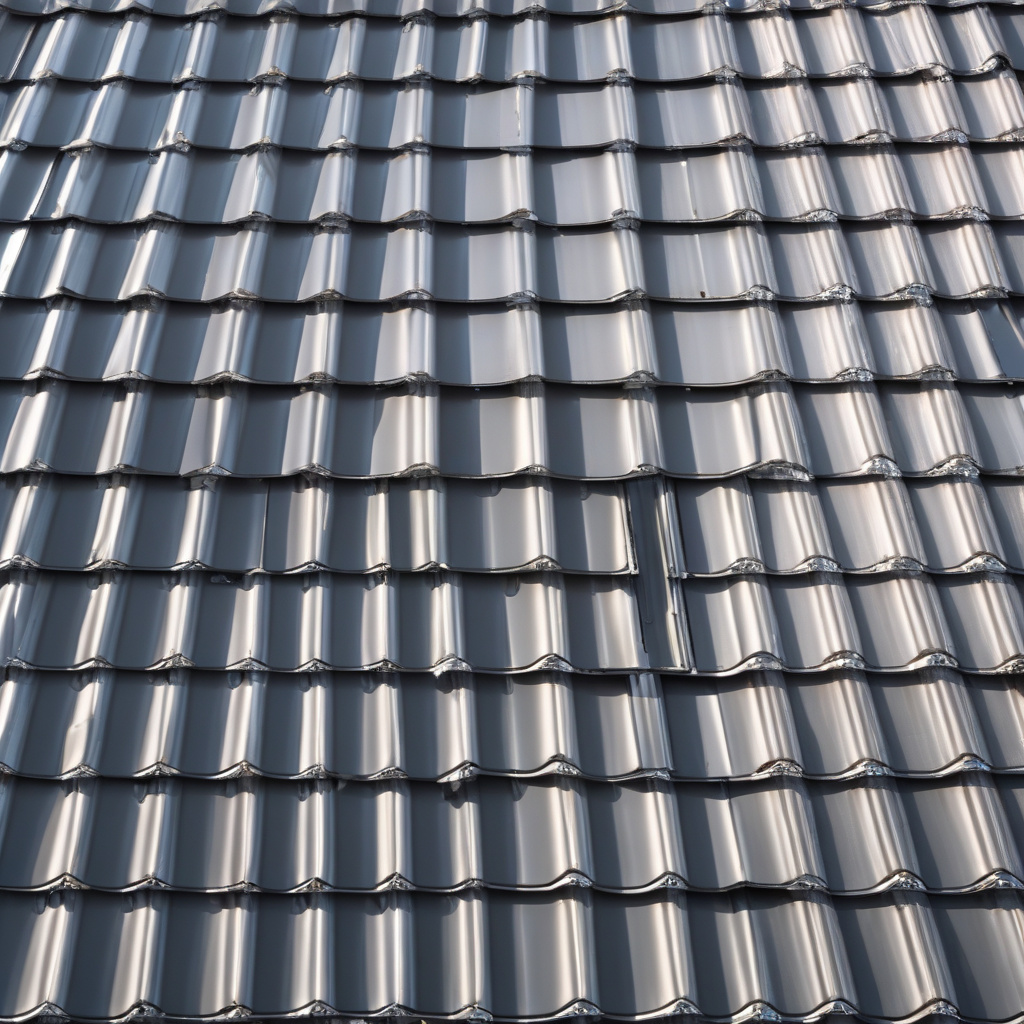
Exploring Cool-Rated Membranes and Their Impact
An increasingly popular option among eco-conscious homeowners is cool-rated membranes. These materials are specifically designed to reflect more sunlight and absorb less heat. They provide a durable and sustainable alternative in the roofing space.
The installation of a cool-rated membrane often comes with a straightforward process and a relatively short turnaround time, much to the delight of those wary of extensive construction timelines.
These membranes contribute to significant reductions in roof temperatures, capturing the interest of both residential and commercial property owners. As the membrane reflects sunlight, less energy is needed to cool the interior, promising enhanced efficiency across the board.
While cool membranes present clear benefits, potential customers should familiarize themselves with the different types of materials available. Variants include thermoplastic membranes, which are noted for flexibility and UV resistance, making them ideal for LA’s climate.
Cool-rated membranes not only promise improved energy efficiency but also align with global strides towards greener construction methods.
An impressive statistic reveals: “Cool roofs can reduce energy use by over 7-15% as opposed to non-reflective options.” This makes them a compelling choice for any homeowner looking for efficiency.
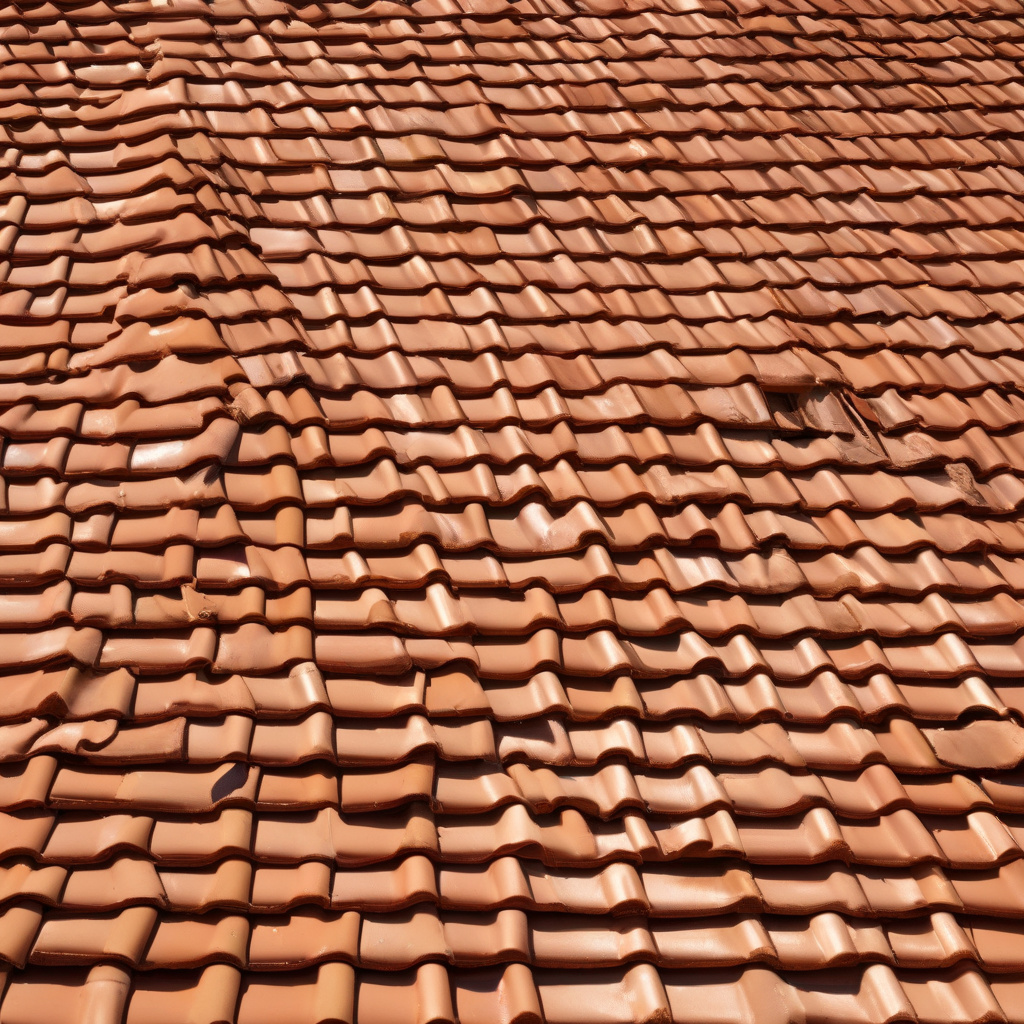
Advantages and Drawbacks of Metal Panels
Metal panels have long been synonymous with durability and longevity, and in the context of Los Angeles, they offer remarkable resistance against the prevalent sun exposure. These panels have evolved to become more than just clunky metal sheets; they are now synonymous with style and sustainability.
The cost of installing metal panels has seen variations, yet their longevity often offsets this initial investment, marking them as a valuable long-term roofing solution. However, potential buyers must weigh these costs against other materials.
Technical discussions often center around the reflective quality of these panels, with lighter-colored metals exhibiting better reflective capabilities, hereby reducing heat absorption.
Homeowners have expressed satisfaction with the reduced maintenance requirements and the overall aesthetic appeal this roofing material offers. Yet, there are considerations to be made regarding its noise potential during rainfall, which some find intrusive.
Metal panels may require higher upfront costs but promise a low-maintenance future, making them a sensible choice for those prioritizing longevity and environmental friendliness.
Renowned architect John Doe notes, “Metal roofs can last over 50 years, making them among the most economical materials over their lifecycle despite initial costs.”
Factors Influencing the Choice of Roofing Material
Cost vs Sustainability
With each roofing material showcasing distinct price points and sustainability features, making informed decisions becomes key. The cost of roofing isn’t purely monetary, however. There’s a significant environmental and energy consideration which reframes how choices are made.
Reflective shingles, while priced favorably, may not be suitable for every home due to design constraints. Cool-rated membranes might call for a higher initial investment but promise reduced energy bills, which can offset costs over time.
This evaluation must be tailored to each individual’s budget and commitment to sustainability. Homeowners must consider the balance between immediate finances and potential long-term savings.
Environmental impact remains a driving consideration, with many opting for materials that align with green building practices. This commitment also reflects positively in property valuations.
Choosing the right material isn’t just a financial decision—it’s a commitment to the environment and future savings.
Installing the Right Roof: A Mini How-To
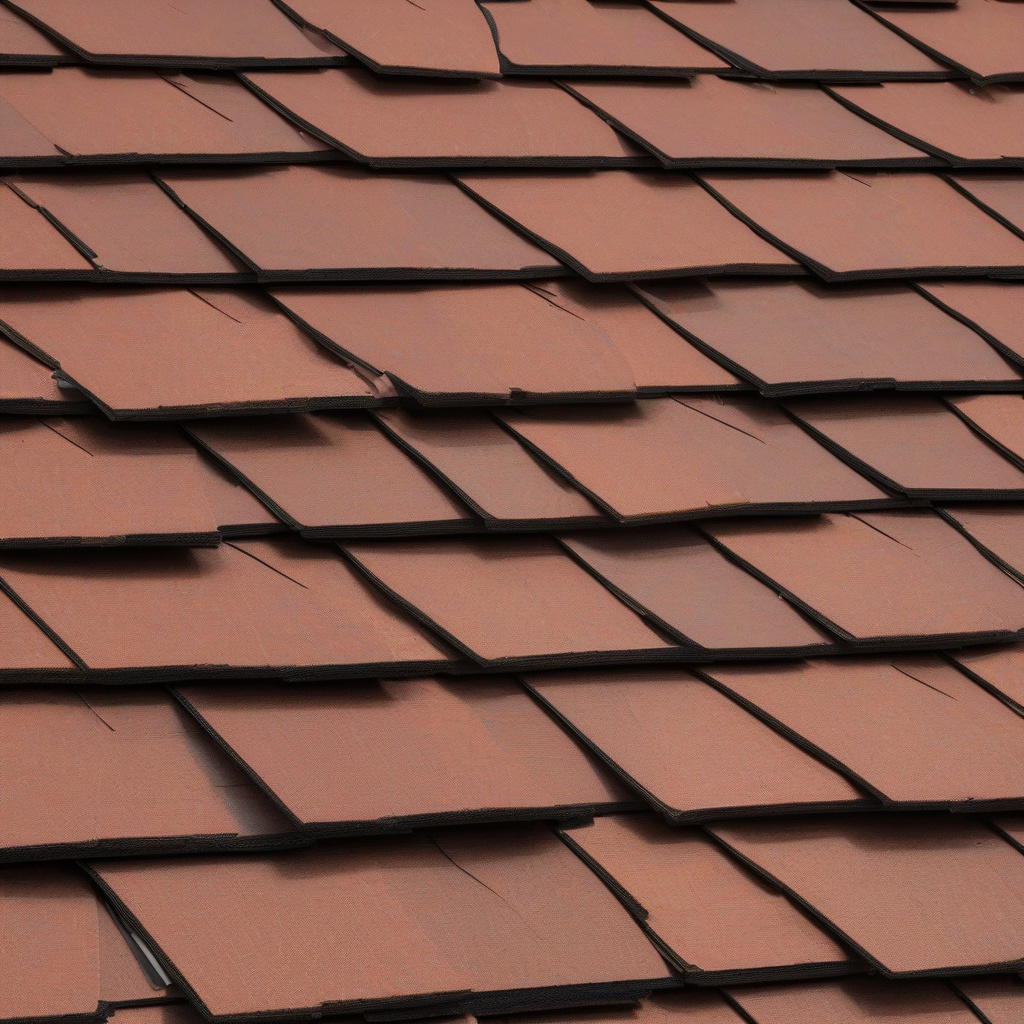
When it comes to successful installation, preparation is crucial. Here’s a brief guide to help streamline this typically daunting process:
- Evaluate Your Roof: Begin with a comprehensive assessment of your current roof situation to determine the need for replacement or repair.
- Research Material Options: Dive into the specifics of each material’s benefits, costs, and aesthetics. Consider your home’s unique needs and your budget.
- Select Contractors Wisely: Choose licensed and experienced contractors who understand warranties and benefits. Request and compare multiple quotes before committing.
- Plan the Installation: Finalize timelines and preparations with your chosen contractor, keeping weather patterns in mind.
- Monitor Progress: Stay engaged with the process, from material delivery to final inspections, to ensure quality and satisfaction.
A well-planned installation minimizes downtime and maximizes satisfaction, ensuring a roof that’s built to last.
According to a recent survey, “80% of homeowners felt less stressed during renovations when they followed a structured planning process.”
The Role of Color in Your Roof’s Efficiency
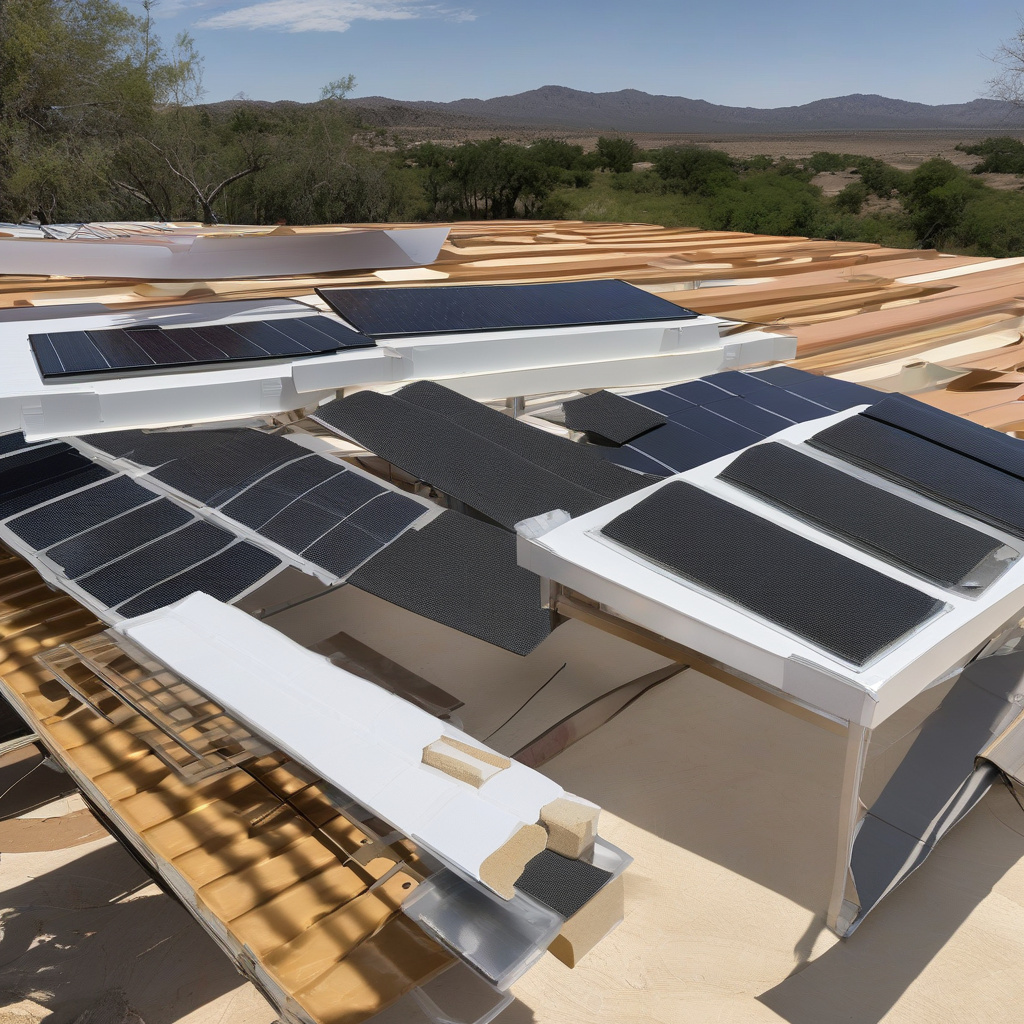
Color consideration often takes a backseat in roofing decisions, although its implications cannot be overstated. In sunnier climates like LA, lighter roof colors play a pivotal role in enhancing reflective capabilities.
Scientific studies suggest that colors can impact how much heat is absorbed, with lighter shades offering more reflection while darker tones, although stylish, may absorb more heat. This is a crucial point for those evaluating long-term energy efficiency.
Homeowners are encouraged to weigh the practical benefits against their design preferences. While lighter colors can seriously curb internal heat gain, they must also match the home’s aesthetic identity.
Choosing the right color isn’t just about style; it’s a practical choice that factors into future energy consumption. More resources are available for those interested in exploring the impact of color on roof performance.
Taking color into account balances the visual appeal with functionality, ensuring your home shines in all the right ways.
- Reflective shingles and cool-rated membranes offer substantial energy savings.
- Metal panels provide durability with minimal maintenance, suitable for LA’s climate.
- Cost, sustainability, and color choice greatly influence the overall roofing efficiency.
- Comprehensive planning and experienced contractors ensure a successful installation.
- Lighter roof colors enhance reflection, reducing internal heat gain.
FAQ
What are the best roofing materials for hot, sunny climates like LA?
In the relentless heat and intensity of LA’s sunshine, roofing materials like reflective shingles, cool-rated membranes, and metal panels stand out. Reflective shingles, for instance, are designed to deflect sunlight, reducing heat absorption significantly. Many LA homeowners opt for cool-rated membranes because they meet specific performance standards for heat deflection. Metal panels, too, are lauded for their excellent UV resistance and longevity. Real-world projects in LA show that selecting the right material can make a noticeable difference in indoor temperature comfort and energy bills, something many renovators only realize midway through a project.
How should homeowners choose roofing materials for a hot climate?
Choosing the right roofing material for a hot climate involves considering factors like durability, cost, and energy efficiency. Homeowners should first assess the specific conditions of their property, such as roof pitch and any shade elements. While reflective shingles might be more affordable, metal roofs, albeit pricier initially, often offer longer-term savings due to their superior energy efficiency. It’s crucial to weigh initial costs against potential savings in cooling bills. A common oversight is neglecting the material’s aesthetic impact on your home’s curb appeal, so always align your choice with the property’s style.
When does it make sense to invest in cool-rated roofing membranes?
Investing in cool-rated roofing membranes makes sense when energy efficiency and long-term savings are priorities. These membranes are particularly advantageous for flat roof homes or commercial buildings where heat absorption can be a significant issue. Often, they’re employed in conjunction with modern HVAC systems in newer builds to maintain a consistent indoor climate, resulting in lower cooling costs. However, be ready for a potentially higher upfront investment. Many experts emphasize how quickly this can pay off through reduced energy bills, a benefit that resonates well with environmentally-conscious homeowners.
What are typical mistakes homeowners make regarding roofing in hot climates?
A frequent pitfall is underestimating the importance of ventilation and insulation in conjunction with the chosen roofing material. Many homeowners, eager to cut costs, select less expensive materials that don’t perform well in heat, resulting in an uncomfortably warm home and higher energy bills. Furthermore, some ignore proper installation practices, leading to premature material failure or leaks. Engaging with reputable contractors and ensuring that materials are suited to both the climate and house design can prevent such issues. Small details like these can make or break the efficiency of your roofing system.
How do metal roofs compare to other materials in sunny climates?
Metal roofs are increasingly popular in sunny climates like LA, largely due to their durability and energy efficiency. Unlike traditional shingles, metal reflects a significant portion of solar radiation, which translates to cooler indoor temperatures and lower cooling costs. However, metal can be noisy during rain or hail, and the initial installation cost is higher compared to asphalt shingles. Despite this, over time, the longevity and energy savings of a metal roof can offset the upfront expense. It’s a choice heavily influenced by long-term planning and regional climate considerations.
What are the cost considerations for roofing in hot climates?
Cost considerations in roofing for hot climates extend beyond the purchase price of materials. Initial investment might be higher for energy-efficient options like cool-rated membranes or metal roofs, but these materials often lead to significant savings on electricity bills by reducing cooling demands. Furthermore, the longevity of these options can minimize repair and replacement costs. It’s vital to consider installation expenses as well; these can vary significantly based on material type and roof complexity. Consulting with an expert can provide a more detailed breakdown of potential savings and initial costs for your specific project.
How does proper maintenance extend the lifespan of roofing materials?
Regular maintenance is crucial for extending the lifespan of your roofing materials, especially in hot climates. This involves periodic inspections for damage, cleaning to remove debris that could lead to moisture build-up, and timely repairs of any minor issues before they escalate. Metal roofs, for instance, may need occasional recoating and inspection for rust. Similarly, reflective shingles can degrade if not well-maintained, reducing their energy efficiency. Many homeowners overlook these maintenance tasks, but ongoing care can prevent costly replacements and keep your roof performing at its best. For detailed advice tailored to your home, consider reaching out to an expert who can guide you based on specific needs. You can find more information on consultations here.
What are the environmental benefits and drawbacks of reflective shingles?
Reflective shingles offer significant environmental benefits by reducing the urban heat island effect and lowering cooling demands, which, in turn, decreases energy consumption. This leads to less reliance on fossil fuels for electricity, thus contributing to a reduction in carbon footprint. However, a downside could be their manufacturing process or lifespan, as compared to other long-lasting materials like metal. Replacement frequency may be higher, depending on maintenance and quality. Balancing these environmental impacts with performance and cost is crucial for homeowners aiming to make sustainable home improvement choices.