
When it comes to the aesthetics and functionality of your home, the humble window is a silent hero, diligently working to insulate, ventilate, and brighten your living space. In the sprawling metropolis of Los Angeles, where real estate is not just a living space but an investment, maintaining the integrity of these barriers is crucial. However, the line between repairable and replaceable is often blurred. How does one decide when it’s time to swap out the glass and framework entirely? This is not merely an architectural choice but a financial and environmental one.
Brief summary: This article delves into the tell-tale signs indicating when window replacement is preferable over repairs. Through expert insights and statistics, it highlights the risks of energy inefficiency, water leakage, and rising costs associated with outdated windows. Practical guidance on identifying these issues helps homeowners in Los Angeles make informed renovation decisions.
The Toll of Time: Recognizing Wear and Tear
Windows, much like any part of a home, are susceptible to the ravages of time. The first signs often appear as minor inconveniences — a chill draft on an otherwise warm February evening or a stubborn pane that refuses to slide with grace. While some might be tempted to brush these issues aside, the implications are much more significant than mere inconvenience.
Los Angeles homeowners are finding out that ignoring these early signs can lead to increased energy loss, as reported by numerous case studies in this sunny yet breezy climate. According to the californiarenovation.top/windows, outdated windows are a silent suck on energy efficiency, particularly in older homes.
The architecture of Southern California lends itself to expansive views and indoor-outdoor living. However, that aesthetic can also be the culprit of energy inefficiency if the windows do not meet the necessary standards. Feeling that draft? It’s time to scrutinize your frames and seals closely.
When comprehensive drafts refuse to go away or increase in intensity, it could signal the inevitable: the need for replacement surpasses the logic of repair. While a handyman might patch the issue temporarily, this is akin to using a band-aid on a fracture.
According to the U.S. Department of Energy, heat gain and heat loss through windows are responsible for 25%–30% of residential heating and cooling energy use.
The Water Worry: Moisture Infiltration Dilemma
If your windows invite not just vistas but the occasional droplet of rain or mist, you’re facing more than an aesthetic issue. Moisture infiltration is a red flag signaling damage lurking beneath plain sight, often in the form of mold or rot. Los Angeles, with its unpredictable rainfall, is not immune to these insidious invasions.
Even the smallest leak can escalate into significant moisture damage, undermining walls and compromising the structural sanctity of your home. Using a hygrometer to check for excessive moisture near windows is a prudent first step every homeowner should undertake.
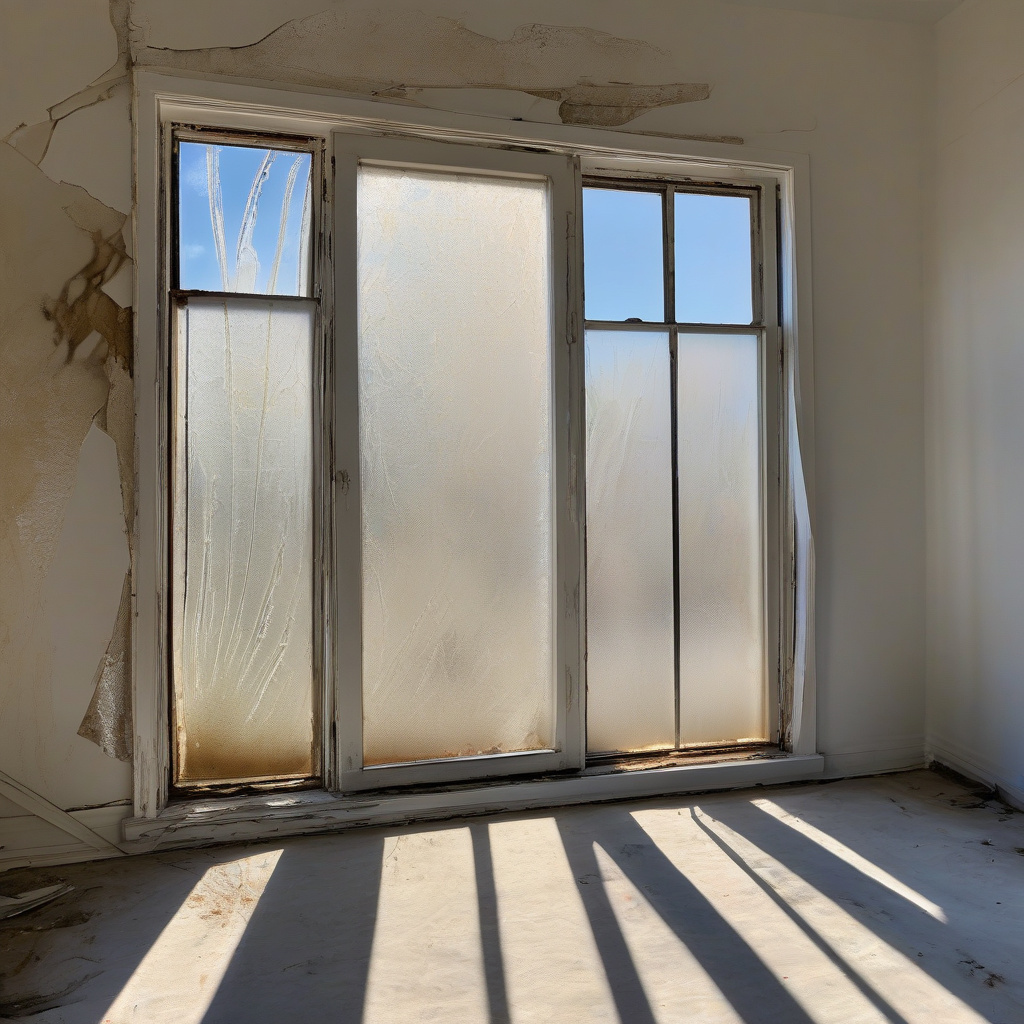
In assessing whether to repair or replace, ask yourself: what lies beneath the surface? Trapped moisture isn’t merely an inconvenience; it’s an unyielding adversary that can depreciate your property value faster than you can say “deferred maintenance.”
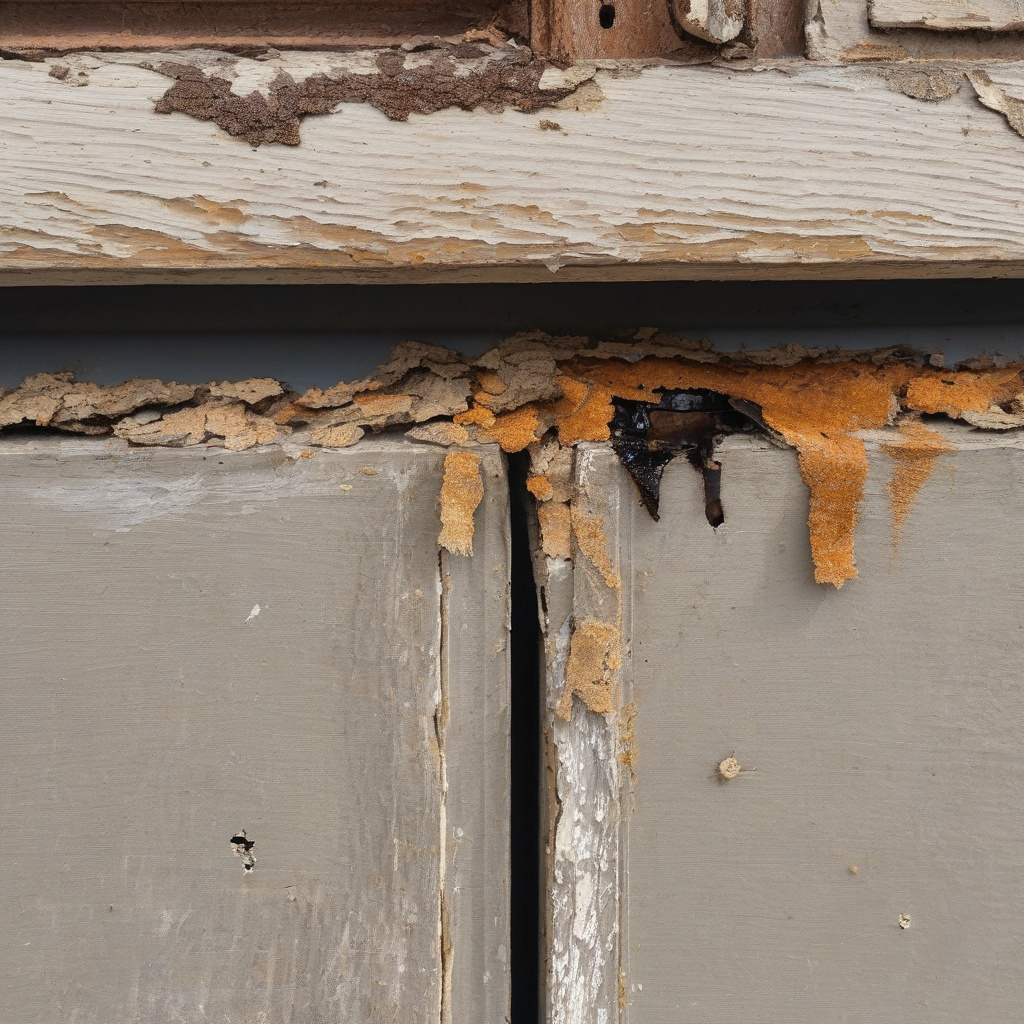
The benefits of addressing moisture infiltration sooner than later are plentiful. The cost of a complete window overhaul might seem steep initially, but it pales in comparison to the extensive repairs precipitated by unchecked mold and wood rot.
Planning Your Next Move: Navigating Permits and Compliance
Planning for a window overhaul requires a keen eye on compliance and regulations, particularly in areas like Los Angeles where bureaucracy can often match the density of its traffic. Around these parts, a homeowner must first tackle a veritable Everest of permits and approvals before the first pane is even considered.
Understanding local regulations, such as those outlined in the Los Angeles window permit guidelines is crucial to avoid costly delays. Check with your local planning department, as each suburb can have distinct requirements that could alter your approach.
The complexity of these requirements varies, but generally encompasses environmental considerations, aesthetic conformity, and energy efficiency standards. Rushing into a replacement project without crossing your regulatory “T’s” could leave you with hefty fines or orders to dismantle unauthorized work.
“Failing to secure the necessary permits can delay your project by weeks or even months,” notes John Renfro, a veteran architect specializing in Los Angeles residential renovations.
Materials Matter: Choosing Your New Windows
Once the decision is made, choosing the right materials is analogous to picking the perfect outfit; functionality must marry elegance. The options range from the tried-and-true wood to innovative composites, each bearing its own bouquet of strengths and weaknesses.
According to sources like California’s renovation advise portal, the three prime materials are wood, vinyl, and fiberglass. These provide versatility, durability, and aesthetics, tailored to varying budgets.

Material choice should take into account not only the budget but also the weather, maintenance, and the architectural style of your residence. For example, wooden frames offer unmatched visual appeal but demand regular maintenance to stave off decay.
“In this era of increased environmental consciousness, energy-efficient windows that meet or exceed current standards can save homeowners between $101 and $583 annually when replacing single-pane models,” as per Energy Star, a government-backed program for energy efficiency.
Considering the Cost: Comparison Table
Examining the financial aspect can often prove daunting but is necessary. Below is a simple comparison of costs, timelines, and value adds of different window replacement options to guide your decision:
| Material | Approximate Cost per Window | Installation Timeline | Value Added to Home |
|---|---|---|---|
| Wood | $800–$1,000 | 2-3 Days | High Visual Appeal |
| Vinyl | $450–$600 | 1-2 Days | Energy Efficiency |
| Fiberglass | $600–$900 | 2 Days | Durability and Low Maintenance |
When gauging the return on investment from replacing your windows, remember that the upfront cost is offset by long-term gains like energy savings and enhanced home value. Materials like vinyl and fiberglass can provide modern aesthetics with reduced upkeep.
Stepping into Superior Windows: Next Steps
The journey to better windows doesn’t end with the selection of materials and style. Installation and future maintenance are also pivotal chapters in this story. With groundwork set and permits obtained, assembly should be entrusted to professionals to ensure precision and longevity.
Energy efficiency doesn’t merely end at material selection; window orientation and operative elements play a pivotal role. Understanding the U-factor and solar heat gain coefficient can further enhance savings. For more detailed insights, consider reviewing performance metrics like U-factor and SHGC.

Ensure your new windows are installed with attention to detail akin to an art curator hanging a masterpiece. Properly fitted windows compound the benefits, enhancing both thermal insulation and acoustic comfort. Failure here negates all prior diligence, much to the detriment of your hard-earned investment.
- Old windows can lead to significant energy loss, damp causing potential structural damage.
- Securing local permits is crucial for hassle-free window replacement projects.
- Choosing the right window material balances aesthetics, durability, and cost.
- Energy-efficient windows offer essential savings and environmental benefits.
- Proper installation is critical to maximizing the benefits of new windows.
“`html
FAQ
How do I know if my windows need replacement instead of repair?
In real renovation projects, it often becomes clear that when you have windows that stick, fog up, or let in drafts even after repairs, it’s time for a replacement. Many homeowners see persistent condensation between glass panels as an inconvenience. Still, experts cite it as a sign of seal failure leading to energy inefficiency. If you’ve already invested significantly in repairs without improved conditions, it might be wiser to think about new installations. Besides, old windows that compromise your home’s insulation can generate higher energy costs in the long term, something easily overlooked when considering DIY fixes.
What are the risks of delaying window replacement?
Homeowners frequently underestimate the risks of postponing window replacement. Drafty windows can lead to increased energy bills, and water leaks may cause structural damage over time, damaging walls and frames. For single-family homes in California, the dry rot from persistent moisture penetration often results in more costly repairs down the line. Moreover, putting off replacement means you may miss out on new energy-efficient technologies designed to keep homes cooler in summer, potentially saving money on air conditioning. Balancing short-term savings with long-term gains is pivotal.
Are there specific signs of moisture damage I should look for?
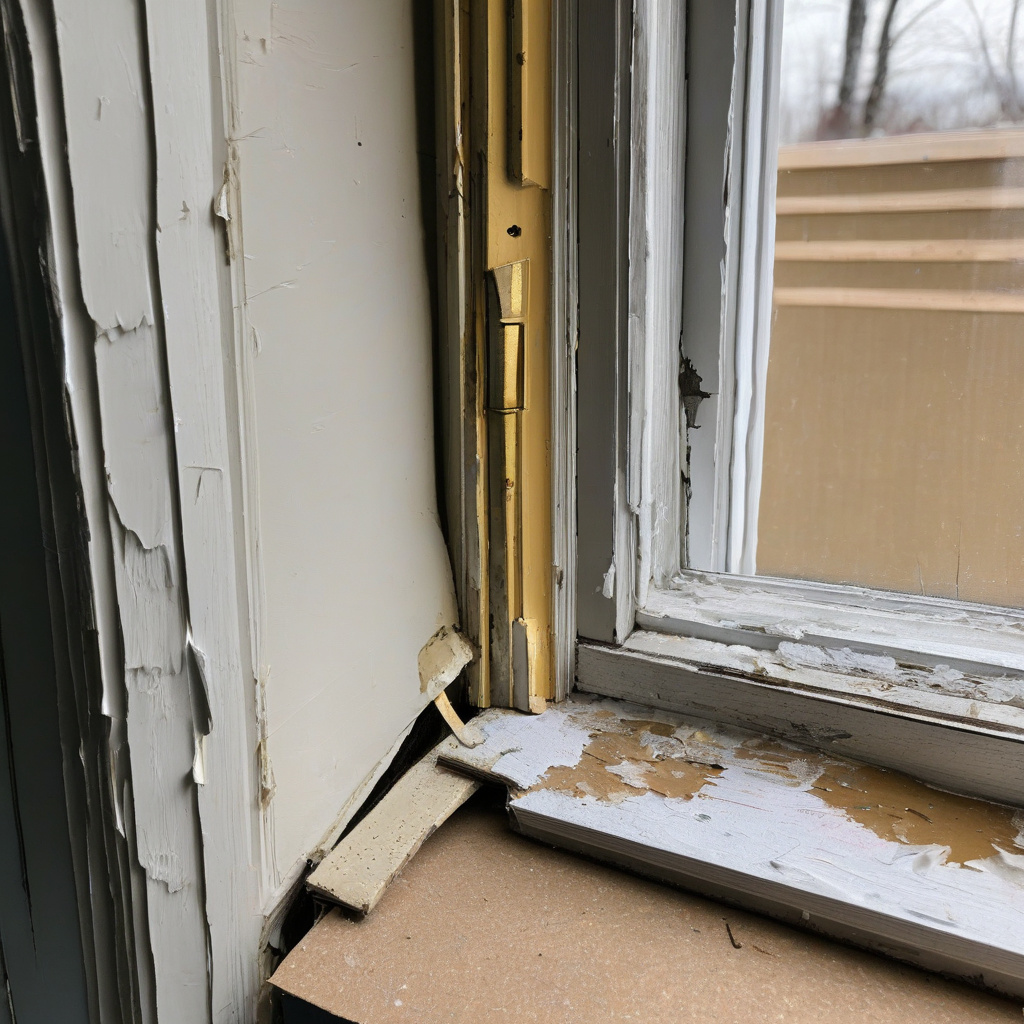
Moisture damage often manifests subtly before escalating into bigger issues. Many experts point out that discoloration on window sills, peeling paint, or even a musty smell can indicate excess moisture. In older properties, warped or soft wooden frames are clear signs of water infiltration. Damage in the form of rot or mold not only affects the aesthetics but compromises structural integrity. Observing these details promptly can prevent costly attenuation like wall repairs or re-painting. Staying alert to how your windows interact with the elements is key to maintaining a healthy home environment.
Should I replace all windows at once or in phases?
Deciding whether to replace all windows at once or stagger the process depends heavily on budget and urgency. In newer builds with modern systems, it might be more feasible to replace windows in phases, addressing the most problematic first. However, for older homes with uniformly aged windows, full replacement can ensure consistent performance and style. Whichever path you choose, it’s important to consider disruptions, costs, and potential discounts on bulk replacements. Weighing immediate needs against total expenses can help you strategize the best approach. To discuss tailored plans that suit your budget, you might consider reaching out through an online consultation.
What are the cost considerations involved in window replacement?
When budgeting for window replacement, it’s essential to factor both material and installation costs. High-quality windows may have a steeper upfront price but usually offer better durability and energy efficiency, offsetting some initial investment through lowered utility bills. Installation complexities—such as dealing with non-standard window sizes—can also influence overall expenses. A common mistake is overlooking additional costs like permit fees or interior trim work post-installation. In many Californian homes, professionals recommend getting detailed quotes from several providers to evaluate price differences and service inclusions, ensuring no hidden costs affect your budget.
Can repairing old windows ever outperform a brand-new installation?
In some situations, well-executed repairs can indeed offer temporary relief from common window problems. While repairing vintage windows in historical homes can preserve original architecture, it rarely matches the energy efficiency of modern installations. A repair might extend window life temporarily, but doesn’t offer long-term benefits like reduced energy consumption. Moreover, many new windows come with enhanced security and ventilation features, meeting modern energy standards. Thus, while an initial investment in replacement can seem daunting, the continuous advantages typically outweigh the limitations of ongoing repairs.
What maintenance is required for newly replaced windows?
Once windows are replaced, ongoing maintenance ensures they remain functional and aesthetically pleasing. Regularly cleaning frames and glass can prevent build-up that causes wear. Checking seals and caulking keeps them well-insulated and weatherproofed. Lubricating hardware, like locks and hinges, ensures smooth operation.
Neglecting maintenance can sometimes lead to premature wearing out, causing windows to perform less efficiently over time. By keeping track of these simple tasks, homeowners can significantly extend their windows’ lifespan while enhancing overall energy efficiency. For localized guidance, feel free to connect with experts at this contact page.
How do energy-efficient windows impact my home’s performance?
Energy-efficient windows can transform how your home manages heat and cold, particularly during California’s hot summers. These windows incorporate advanced glazing and insulation technologies, which significantly reduce heat transfer and prevent the escape of conditioned air. Besides boosting comfort levels, they help lower cooling costs by keeping internal temperatures stable.
A notable disadvantage, however, could be the higher up-front cost. That said, the long-term savings on energy bills often justify the initial outlay. Before proceeding, ensure your choice aligns with your home’s specific needs to get the most effective results without overspending.
“`