In the sun-drenched land of Southern California, where palm trees reign and the allure of outdoor living spaces tantalizes with the promise of year-round enjoyment, choosing the right decking materials is crucial. The relentless Californian sun demands surfaces that resist fading, withstand intense heat, and require minimal upkeep. For homeowners aiming to craft a personal oasis, the journey into decking options can feel like a voyage over uncharted waters. From the rugged terrains of Los Angeles to the scenic coastlines, let’s delve into the best decking materials for this unique climate.
Brief summary: This article explores optimal decking materials for Southern California, emphasizing their ability to resist heat and sunlight while ensuring durability. It discusses current trends, costs, material advantages, and incorporates practical homeowner insights to guide decisions in patio renovations. The focus is on maintaining vibrant and resilient outdoor spaces in a sunny climate.
Understanding the Southern California Climate Impact
Southern California’s climate, mostly fluctuating between Mediterranean dry summers and mild, wetter winters, places specific demands on outdoor materials. Often visitors to this region are surprised by the sheer intensity of the sunshine, which is both a blessing and a challenge for anyone considering a deck installation. The key lies in choosing materials that can mirror the natural beauty and resilience of the diverse patios already prominent here.
Homeowners are increasingly seeking options that harmonize with the environment while minimizing their ecological footprint. Many are inclined towards sustainable practices, leveraging materials that boast a longer lifecycle, thereby reducing waste and fostering a cleaner planet. The decision to opt for certain decking materials is often as much about aesthetics as it is about sustainability.
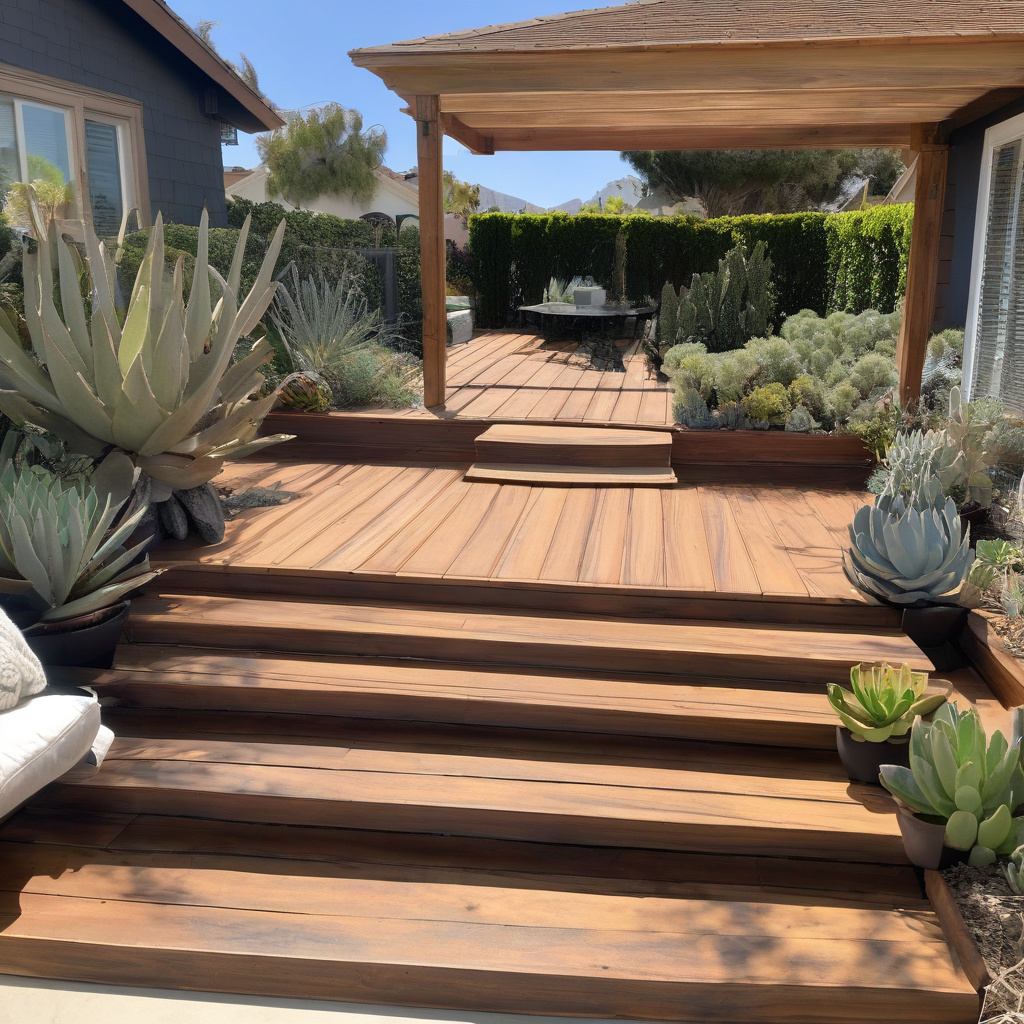
A popular choice combines both aesthetics and strength. Hardwood decking, like Ipe or Teak, not only exudes luxury but also holds up remarkably well against UV exposure. Still, the initial investment can be steep. However, many small studies indicate a good return on investment (ROI) as these decks rarely require replacement thanks to their robust composition.
Crucially, as many local homeowners notice, enduring materials do not merely stand the test of time; they also typically demand less maintenance. Whether reshaping gardens or refreshing backyards, the lesson is clear—decide wisely, for your deck is as good as the material it is made of.
Expert insight: Studies reveal that increased durability and low maintenance are prime factors driving material choices in Southern California renovations.
Material Choices: What’s Hot and What’s Not
Stepping into 2023, the trend reports paint an enlightening picture for homeowners. Composite decking materials, a blend of plastic and wood fibers, are leaping ahead as darlings in the deck industry. Their rise is backed by an increasing preference for materials that offer color stability and resist the notorious California sun’s bleaching effects.
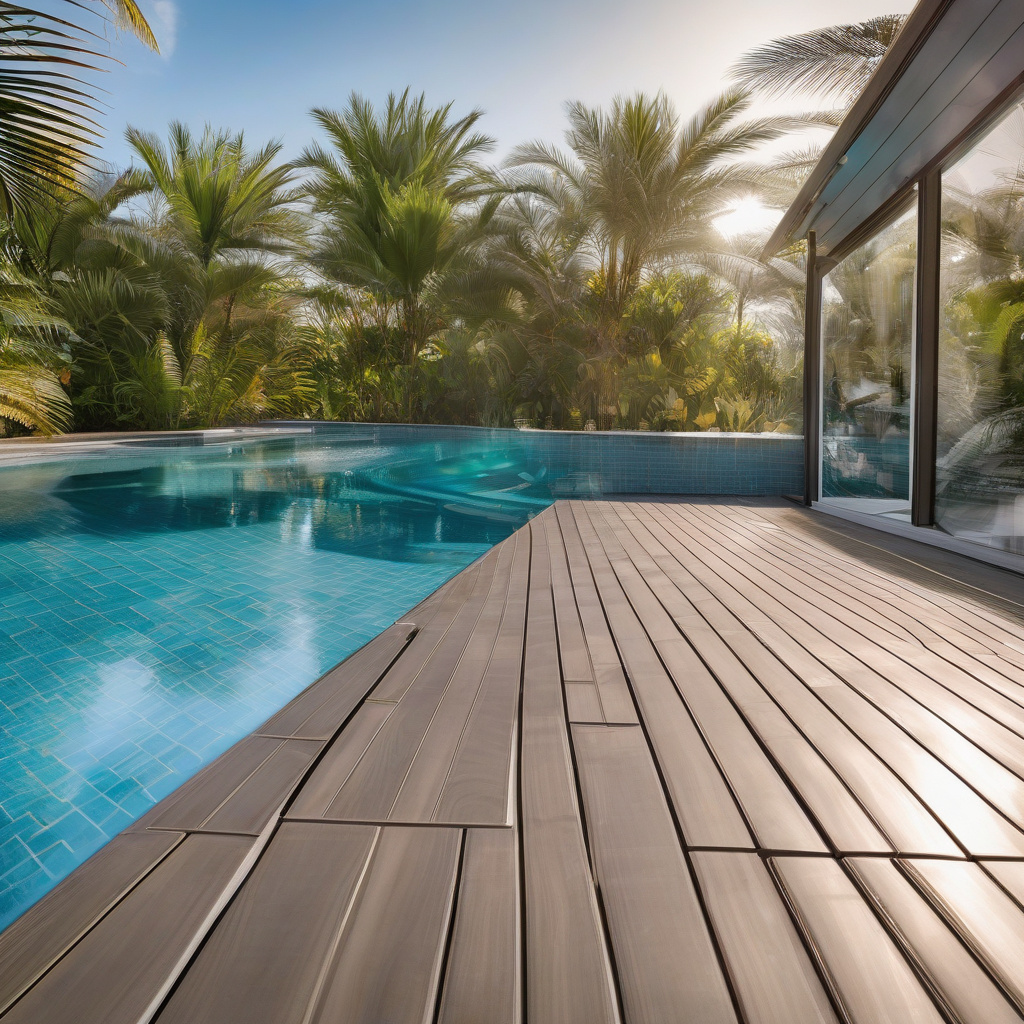
Naturally, composites offer the advantage of looking like wood while bypassing the decay, splitting, or insect damage common to traditional timber. These decks, while slightly more expensive upfront, are cost-effective over time due to their lower maintenance demands. An appealing factor is their broad array of colors and textures, which counterfeit the wood’s grain magnificently.
This confluence of durability and aesthetic pleasure fulfills the dual cravings of trendy Angelenos and practical renovators alike. Those keen on preserving a seamless flow between their indoor and outdoor living spaces will find composite decking appealing.
On the other hand, traditionalists with a penchant for authenticity may lean towards natural wood despite its susceptibility to weathering. Once weathered, wooden decks can blend harmoniously with the landscape, showing life’s passage in fine grey tones that integrate with the coastal cliffs.
In conclusion, the choice often narrows down to a balancing act between nature’s raw elegance and modern mastery.
Budget Considerations and Real-life Insights
Budget is boisterously pivotal when embarking on a decking project. Costs can wildly vary depending on the material, the complexity of design, and even the season of installation—a factor often underestimated. Composite decks generally hover between $30 and $45 per square foot on average, while high-end wood options like Ipe may escalate into the $70 range.
Angelenos do well to remember that due diligence and thoughtful financial planning can turn an expensive lesson into an investment well worth its price. The upfront cost often includes lifespan and maintenance projections, which can reveal surprising insights about ultimate expenditures.
Planning your small outdoor space in LA with precision can significantly reduce unexpected costs, a lesson learned by one local homeowner who downsized her spending by anticipating future needs and setting a clear-cut budget from the outset. Her strategy? Start small, scale large. Tailored consultations with experts turned potential pitfalls into strategic opportunities.
Through data-driven methodologies, Southern Californian homeowners now navigate more calculated pathways to achieve their outdoor dreams. Nonetheless, understanding the economic implications doubly enhances one’s renovation prowess.
As a takeaway, budget wisely for comprehensive satisfaction both aesthetically and financially.
Industry statistic: A report by the National Association of Home Builders indicated that decks can retain up to 82% of their value upon home resale.

Ensuring Compliance with Local Regulations
Your dream deck might not be as simple as slapping planks onto pylons. In Los Angeles, navigating the labyrinth of regulations and codes is as critical as choosing the right material. Essentially, understanding local building codes ensures your deck is not just beautiful but also legally compliant.
Throughout development, it’s imperative to align with local building codes and guidelines. They can specify requirements based on your area and intended use, including railing heights, load capacities, and structural considerations to withstand seismic activities common to California.
One renowned industry insider outlined a common pitfall: many homeowners inadvertently delay projects by neglecting code inspections, leading to costly modifications. Thus, timely consultation with building authorities streamlines processes, reducing nasty surprises mid-construction.
Ultimately, an informed approach isn’t just for compliance but actively contributes to safety and longevity.
Research-based observation: Safety audits reveal that compliance with local codes not only enhances structural integrity but also often leads to reduced insurance premiums for homeowners.
Practical Steps to Ensure Deck Compliance
- Review the latest local building codes relevant to your project.
- Secure necessary permits before beginning construction.
- Consult with a certified professional to ensure all plans meet local specifications.
- Schedule inspections at designated project milestones to remain compliant.
Comparing Deck Materials: A Side-by-side Examination
To aid in the labyrinth of choices, a simplified comparative table below outlines key factors that guide homeowners in their decking decisions:
| Material | Cost | Maintenance | Durability |
|---|---|---|---|
| Composite | $$$ | Low | High |
| Ipe Wood | $$ | Medium | High |
| Pressure-Treated Wood | $ | High | Medium |
By understanding these fundamental aspects, homeowners can more authentically engage in dialogues surrounding their decking needs, steering away from speculation towards informed action.

Evaluating Risks versus Rewards
Choosing deck materials involves balancing numerous factors, each potent with distinct risks and rewards. Heat resistance is paramount; few materials endure as gracefully under the relentless Californian sun as Ipe, yet the risk of splintering persists. Conversely, composite may weather superficially yet its core remains unswayed by the elements.
Ultimately, homeowners are tasked with navigating this intricate landscape of trade-offs. However, by artfully weighing how each characteristic aligns with aesthetic and functional goals, they craft an outdoor space truly customized to their lifestyle.
Seamlessly Integrating Decking into Your Lifestyle
Once the due diligence of selecting and installing decking has been achieved, the next pursuit is to weave these outdoor expanses into the fabric of everyday life. The success lies in transforming these spaces from mere platforms into vibrant, functional retreats.
Increasingly, Los Angeles homeowners transform their selected decks into expansive outdoor living rooms—zones of relaxation, social gatherings, or introspective tranquility. As the relentless sun dips into twilight, these areas become more than ornamental; they are soulful embodiments of the laid-back Californian ethos.
A deck should not merely be a structural extension; rather, it is the canvas upon which unforgettable evenings, laughter-filled afternoons, and solitary mornings are painted. This intentional interplay between structure and activity befits Southern California’s sunlit lifestyle.
Finally, by adopting a holistic approach to outdoor space design, homeowners can seamlessly integrate their decks into the well-woven tapestry of life.
- Understand the impact of Southern California’s climate on decking materials.
- Composite decking offers durability and requires minimal upkeep, making it ideal for sunny climates.
- Budgeting and compliance with local regulations are critical in deck planning.
- Material choices, such as wood or composite, involve weighing various advantages and trade-offs.
- Transforming decks into outdoor living spaces enhances lifestyle integration.
FAQ
What are the key qualities of decking materials suited for the Southern California climate?
In Southern California, the intense sun, occasional rain, and varied temperature swings make the selection of decking materials a challenge. Key qualities include heat resistance, to prevent materials from warping or cracking due to extreme heat. Low maintenance is crucial because nobody wants to spend their weekends sanding and resealing. Strong color stability is another essential factor, as the sun can cause some materials to fade quickly. Materials like composite decking and treated wood tend to stand out because they combine durability with the aesthetic appeal that homeowners value. In real renovation projects, it becomes clear that investing upfront in high-quality materials often saves money and time in the long run.
How can I ensure my deck material will last long under sun exposure?
Ensuring your deck lasts under the hot Southern California sun involves both choosing the right materials and regular maintenance. Composite materials, with their UV protective coatings, often fare better than traditional woods in resisting sun damage. However, even the best materials benefit from a shaded structure or a pergola to provide some sun protection and extend lifespan. Many experts suggest applying UV blockers as a periodic maintenance task, especially for wood decks. In practice, homeowners should periodically inspect their decks for signs of wear and discoloration, addressing any issues promptly to prevent long-term damage.
What should I consider regarding upkeep when selecting decking materials?
Upkeep is a vital consideration in deck materials selection for Southern California homes. Real-life scenarios reveal that homeowners often underestimate this aspect, leading to unexpected hassles down the line. Composite decking is generally low-maintenance, requiring just occasional washing to remove dirt. In contrast, natural woods like cedar or redwood might need annual sealing or staining to keep them looking fresh and to protect against weathering. Deciding on a deck often involves balancing initial cost against ongoing maintenance commitment. A common misconception is that all composites are maintenance-free; while they are lower maintenance than wood, they still need some care to look their best over the years.
Are there specific cost considerations when choosing a decking material for this region?
Cost considerations for decking in Southern California involve both the upfront material price and long-term investments in maintenance. While composite materials can be more expensive initially, many find them cost-effective over time due to minimal upkeep. On the other hand, pressure-treated or natural woods may be less costly at purchase but can accrue higher maintenance costs, such as sealing or replacing boards. A crucial mistake is focusing solely on the purchase price without factoring in these ongoing costs. In real home improvement projects, being transparent about the total cost of ownership, including potential repairs, influences better long-term satisfaction with the finished deck.
What are the pros and cons of using composite materials for decking in Southern California?
Composite decking materials are praised for their low maintenance and longevity, making them a popular choice in the blazing Southern California sun. They resist splintering, are termite-resistant, and have superior water resistance compared to traditional woods. However, a limitation is their initial cost, which is often higher than wood. Additionally, while composites resist fading better than wood, cheaper composites might still change color over time. Many renovation experts suggest opting for quality brands and keeping in mind the long-term return on investment composites offer. Observing how these materials perform over the years highlights their robustness compared to traditional options.
How can I avoid common mistakes when installing a deck in Southern California?
To avoid common mistakes during deck installation, homeowners should prioritize proper planning and professional execution. A frequent error is not accounting for the direction of the sun, which impacts both comfort and longevity of the decking material. Another pitfall is skimping on a proper foundation and drainage, crucial elements in a region that experiences occasional heavy rains. Seeking advice early from professionals or seasoned installers can prevent costly errors. Also, it’s beneficial to explore options and get personalized guidance on deck installation by reaching out to experts through practical advice, like using a guide such as the one on how to improve your home’s outdoor space.
Is there a clear advantage to using one material over another in terms of environmental impact?
The choice of decking materials can significantly impact the environment, an increasingly important consideration in sustainable construction practices. Many consider composite decking, made from recycled plastics and wood fibers, a more eco-friendly option compared to cutting down trees for natural wood decking. However, sourcing eco-certified wood can also be an environmentally conscious choice. In real renovation settings, selecting materials that have certifications like FSC (Forest Stewardship Council) for wood means supporting sustainable forestry practices. On the other hand, composite choices should be scrutinized for their post-consumer plastic content to ensure they truly meet green building standards. Ultimately, balancing environmental stewardship with personal aesthetic and functional needs is the goal.
Should I be concerned about fading of decking colors under intense sun exposure in Southern California?
Fading is a legitimate concern under the intense Southern California sun, as it can diminish the aesthetic appeal of your deck over time. Composite decking is generally designed to resist fading better than traditional wood, but it is not entirely fade-proof. Homeowners often avoid very dark colors, which show fading more dramatically, opting for lighter, neutral tones that age more gracefully. Real-world experiences suggest using protective UV coatings on both composite and wood decks to extend the lifespan of the color. Experts recommend selecting high-quality materials with proven UV resistance, particularly for decks that cannot be shaded. For tailored advice on mitigating fading and other renovation queries, you might find helpful information by reaching out intuitively to resources or professionals specializing in the Southern Californian climate.