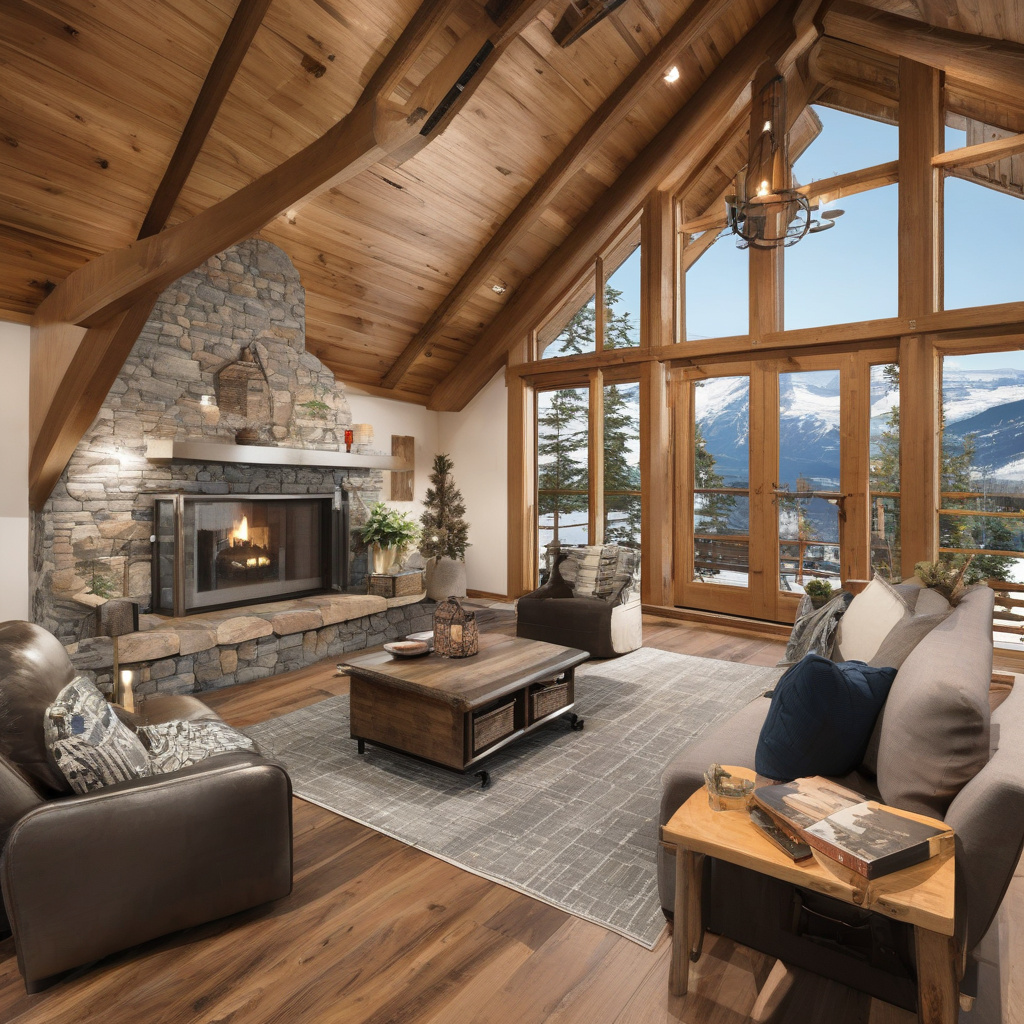
Set against the backdrop of the bustling life in Los Angeles, chalet-style house designs bring a nostalgic charm that’s hard to resist. With their roots deep in the Alpine regions, these homes seamlessly marry architecture and comfort. Whether you’re contemplating a new build or considering a transformation, chalets offer an aesthetic journey into a world where beauty meets functionality.
Brief summary: Explore how chalet-style house designs merge cozy elegance with practical considerations. Delve into renovation tips, material choices, and expert insights to create your dream chalet-inspired home in Los Angeles. Discover unique design features that bring warmth and character to urban living spaces.
What You Should Know About Chalet Designs
Chalet-style homes are distinguished by their gable roofs, expansive balconies, and wooden facades, a visual treat that seems to promise warmth even from afar. These elements aren’t just about looking good. In reality, they’re perfect for adapting to various climates, including the sun-soaked environment of Southern California.
While the traditional chalet abode evokes images of snow-capped mountains, today’s designs have evolved to optimize urban living spaces. These adaptations maintain their serene semblance, beautifully integrating modern amenities without losing touch with their rustic origins.
Key features often include open floor plans and large windows, which encourage a harmonious blend of indoor and outdoor spaces, a perfect match for the California lifestyle. These design choices are ideal for those who cherish natural light and seamless transitions between spaces.
So, if you’re planning a transformation project, whether a modest facelift or a full-scale rebuild, embracing chalet characteristics could be your gateway to a home that exudes both charm and comfort.

How to Choose the Right Materials
Embarking on a chalet-style renovation project involves careful material selection. Wood remains the material of choice, offering both structural integrity and aesthetic appeal. Sustainable sourcing is now the hallmark of conscientious renovation, reflecting a growing trend among Los Angeles homeowners.
It’s crucial to consider the blend of materials that will not only capture the essence of a chalet but also meet your functional needs. Mixing stone with wood can add depth and texture, a beautiful nod to traditional European designs.
Furthermore, considering exterior plaster mixtures can elevate the durability and appearance of your facade, ensuring it withstands local weather conditions.
Remember, each material brings its narrative, contributing to the overall story your home tells. With thoughtful planning, you can create a space that is both unique and grounded in classic charm.
Spotlight on Stone and Wood
Choosing materials involves balancing pros and cons, weighing aesthetic desires against durability and cost-effectiveness. Here’s a simple comparison:
| Material | Advantages | Disadvantages |
|---|---|---|
| Wood | Warmth, Sustainability | Requires Maintenance |
| Stone | Durability, Elegance | Higher Cost |
In conclusion, combining these materials allows for a personalized aesthetic that marries robust functionality with style.

Embracing Open Spaces
Chalet-style homes are synonymous with open spaces that foster connectivity not just within their walls but also with the environment. Their architectural designs naturally guide the gaze outward, leveraging the beauty of external surroundings.
Designers recommend large, strategically placed windows to maximize light influx, a much-revered feature in warm locales like Los Angeles. This approach also reduces energy consumption by minimizing the need for artificial lighting during the day.
Moreover, these homes often boast grand patios, perfect for remodeling into inviting environments that blend with the interiors effortlessly. Consider a patio deck project that enhances aesthetic continuity between indoors and out.
Ultimately, these spaces act as livable landscapes, offering new opportunities for relaxation and entertainment—cornerstones of the Californian lifestyle.
Windows with a View
When selecting windows, think beyond the glass pane. Opt for sturdy frames and quality seals to ensure durability and efficiency. Choosing the right window ebbs can further protect these architectural facets, ensuring they perform optimally against elements.
These choices further align with the core chalet philosophy: maximizing nature’s gifts while protecting against its forces.
In essence, this integration of external vistas with interior spaces is where chalet magic comes to life.

Cost Considerations in Chalet Renovation
Embarking on a home transformation journey inevitably involves crunching numbers. The financial outlay for a chalet-style renovation varies widely, contingent upon materials, scope, and geographical considerations.
A key point is budget prioritization. Splurge on elements bearing the brunt of wear and tear, like high-traffic flooring or weather-exposed exteriors. Conversely, save on less critical areas by opting for cost-effective solutions.
Consider modern facade tiles with metal fasteners, offering both reliability and sleek aesthetics without breaking the bank.
Recent data from the National Association of Home Builders reveals average home renovation projects returning over 60% on investment in resale value.
Ultimately, investing in durable, stylish renovations boosts not only home value—an attractive prospect if you plan a future sale—but also your personal satisfaction derived from living in a space that’s truly yours.
Budget Tips
Allocate your resources wisely:
- Invest in high-quality, sustainable materials where it counts.
- Utilize cost-efficient alternatives for decor elements.
- Implement smart technology to enhance energy efficiency.
Strategic spending ensures your renovation meets both aesthetic and financial expectations.

Steps to Achieve the Perfect Chalet Transformation
Every renovation begins with a vision. Envision the perfect outcome, aligning it with practical possibilities and lifestyle preferences. Start by choosing a trusted architect who understands the nuances of chalet design.
“The key to successful renovation is aligning your project’s scope with realistic budget expectations and execution timelines,” advises Martha Styles, a sought-after renovation consultant in Los Angeles.
Engage with professionals who offer insights into maximizing potential while adhering to local building codes, ensuring your home renovation journey is free from unnecessary hitches.
Concluding this step-by-step guide sets a solid foundation in project management. From conceptual design through to material selection and construction, collaboration paves the way for success.
Practical Step-by-Step Path
- Visualize your design concept.
- Consult with a seasoned architect.
- Source sustainable, high-quality materials.
- Plan phases with clear timelines.
- Monitor progress closely, handling deviations wisely.
Once complete, savor the fruits of labor—a home distinctively yours, blending refined elegance with comfortable practicality.
Studies indicate a well-planned renovation can increase a property’s value by approximately 20%—a testament to the wisdom of diligent preparation and informed choices.
- Choose materials wisely for aesthetic and structural balance.
- Embrace large windows to blend indoor and outdoor spaces.
- Create projects with longevity by investing in sustainable practices.
- Ponder cost-saving avenues in non-essential areas.
- Navigate your project from vision through realization methodically.
“`html
FAQ
What defines a chalet-style house design?
Chalet-style house designs are characterized by their rustic yet elegant aesthetics, often featuring steeply pitched roofs, overhanging eaves, and large windows to capture scenic views. In real renovation projects, these homes often highlight wood and natural materials, creating a cozy atmosphere that resonates with nature. Many experts point out that attention to detail in trims and woodwork enhances the home’s charm. Incorporating these elements into a California home can blend traditional Alpine charm with modern functionality, perfect for both urban and rural settings.
How can I choose the right chalet design for my home?
Choosing the right chalet design involves considering your location, budget, and personal style. Many homeowners underestimate the importance of aligning the design with the surroundings; for instance, incorporating large windows is great for scenic areas. Consider the materials: local, sustainable wood options can enhance authenticity and reduce costs. A common mistake is overlooking the scale—ensure the design complements the size of your property. It’s wise to consult with a renovation expert to balance aesthetics with practical needs, especially in diverse climates like California’s.
What are the cost considerations for building a chalet-style house?
Building a chalet-style house can vary in cost, largely influenced by materials and labor availability in your region. High-quality wood, which is a hallmark of chalet designs, can be pricey, especially if imported. In California, many builders recommend sourcing local materials to mitigate costs and support sustainability. Incorporating modern energy-efficient technologies can initially raise budgets but ultimately offer savings on utility bills. Homeowners frequently overlook hidden costs like permits and landscaping, which should be included in the planning stages to avoid budget overruns.
What are the pros and cons of chalet-style homes?
Chalet-style homes offer unique advantages such as aesthetic appeal and a strong connection with nature, making them ideal for scenic areas. The use of natural materials can enhance sustainability and insulation properties. However, many homeowners face challenges with maintenance, as wood requires regular care. Moreover, the design may not suit every environment—it’s crucial to consider the local climate. For instance, areas prone to heavy rain might necessitate advanced roofing solutions to prevent damage, highlighting the need for thoughtful architectural adaptations.
How does the installation process of a chalet-style house typically work?
The installation of a chalet-style house begins with site assessment and preparation, crucial for ensuring stability. In real projects, excavation and foundation work often reveal unique site challenges that must be addressed promptly. The framing then follows, with a focus on the timber structure, which is both an aesthetic feature and a key component of durability. Installation of the roof requires precision, given its steep pitch and eaves. Many experts recommend engaging with specialized contractors familiar with chalet designs to handle the nuances of such constructions effectively.
What common mistakes should be avoided in chalet-style renovations?
In chalet-style renovations, a frequent pitfall is neglecting the balance between style and functionality. Homeowners often prioritize aesthetics over practical needs, such as insulation and energy efficiency. It’s critical to select materials that withstand local weather conditions, like choosing weather-resistant woods. Another common oversight is failing to maintain the original charm during updates—preserve key design elements like beam structures and window styles. For tailored advice and professional guidance, you might want to get in touch with an experienced local renovation team.
When does it make sense to invest in a chalet-style design?
Investing in a chalet-style design makes sense in locations where you can capitalize on scenic views and natural surroundings, enhancing real estate value and personal enjoyment. In regions like Northern California, this style complements the environment beautifully. It’s an excellent choice for those who appreciate traditional architecture combined with modern comforts. However, it’s essential to consider your long-term maintenance capacity and potential resale implications, ensuring that the investment aligns with both your lifestyle and financial goals.
What maintenance is required for a chalet-style home?
Maintenance for chalet-style homes is primarily focused on preserving the wood elements that define its aesthetic. Regular inspections for pests, moisture damage, and the integrity of the woodwork are crucial. Many experts suggest seasonal treatment and sealing of exterior wood to protect against the elements. Additionally, the steep roof may require periodic checks to ensure it’s clear of debris and functioning properly during rainy seasons. Homeowners should establish a routine care schedule to preserve the home’s beauty and structural integrity over time.
“`