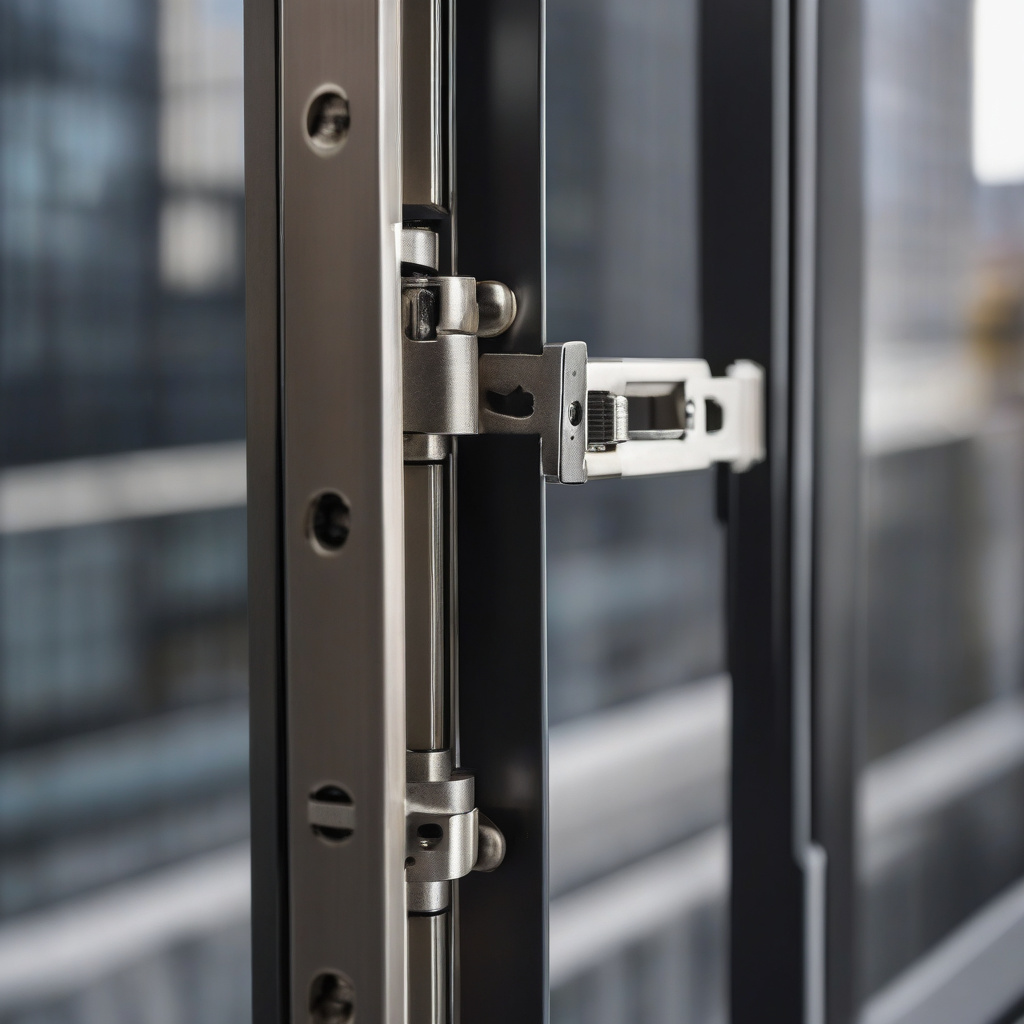
When it comes to creating a harmonious blend of light, airflow, and architectural aesthetics, selecting the right window style is paramount for homeowners, especially in the diverse climate of Southern California. Sliding, casement, awning, picture, and bay windows each offer unique benefits and challenges, making your choice as much about personal preference as practical necessity. In this analysis, we’ll explore these major window styles, focusing on their suitability for Los Angeles homes, renovation trends, and how they fit into both the literal and figurative frame of modern home aesthetics.
Brief summary: Discover the benefits and considerations of different window styles such as sliders, casements, awning, picture, and bay windows, focusing on their impact on light, airflow, and architectural fit in the context of Southern California home renovations. Evaluate costs, installation timelines, and materials to make informed decisions tailored to your home’s design needs.
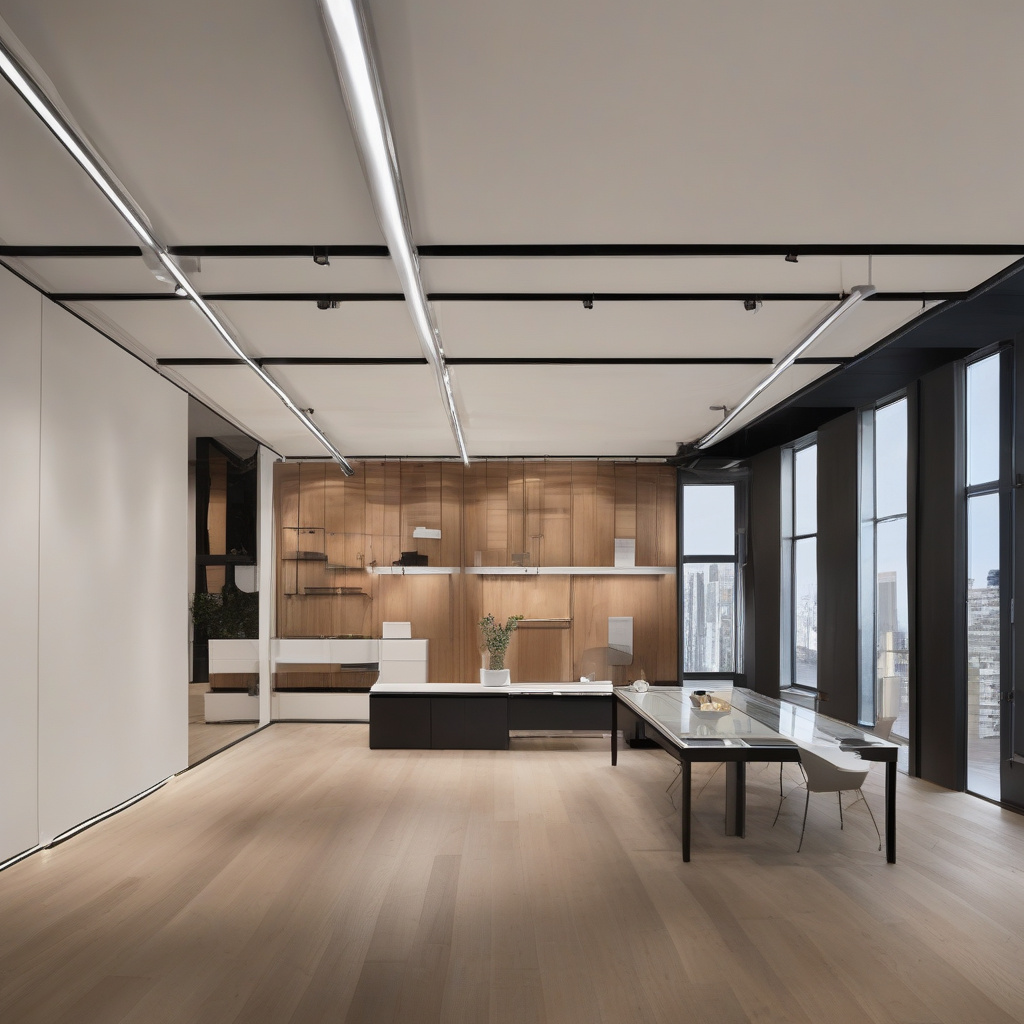
Sliding Windows: Seamless Integration of Space and Light
The sliding window is arguably the epitome of streamlined elegance. It offers unobstructed views and easy functionality, making it a popular choice among homeowners looking to maximize space and light. In the bustling cityscape of Los Angeles, where space can be a premium, the ability to slide panels horizontally makes sliders ideal for tight areas or rooms that overlook great vistas.
Sliding windows are more than just functional; they are a testament to modern design. Their clean lines and minimalist aesthetic make them a natural fit for contemporary homes. As many local homeowners notice, the sleek design of sliding windows complements the simple yet bold architectural styles that predominate in Southern California.
Installation is typically straightforward, often involving less structural modification than other types, which can translate into cost savings. According to renovations experts, sliding windows “offer a cost-effective solution for substantial light intake without massive construction changes.”
However, sliders may not provide the same level of ventilation as casement or awning windows because only half of the window opens at any given time. This might be a consideration during the warmer months when strong cross-ventilation can significantly cool a home.
In conclusion, for those seeking sleek lines and unobstructed views, sliding windows stand out as a compelling choice that also respects budgetary constraints.
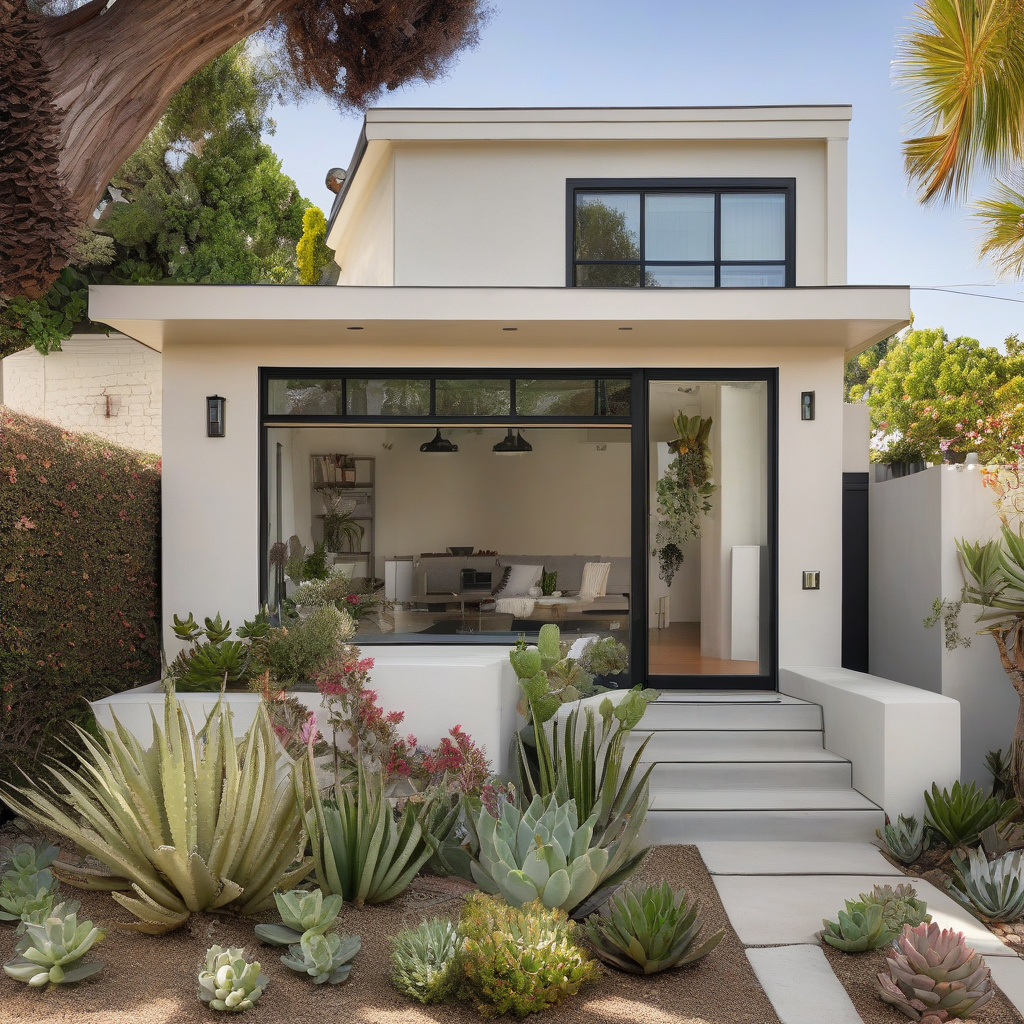
Casement Windows: Bringing the Outside In
Casement windows are a classic choice known for their versatility and impressive ventilation capabilities. Hinged at the side and opening outward, they effectively catch breezes and allow for full window opening, ideal for the diverse weather conditions of Southern California. Many homeowners appreciate the way casement windows blur the line between indoor comfort and outdoor beauty, creating a seamless transition that’s particularly valued in renovated spaces.
Casement styles are particularly effective in traditional and cottage-style homes, yet they adapt well to modern settings when paired with contemporary finishes and hardware. Their ability to open fully not only enhances ventilation but also provides an emergency exit, adding to their functional merits.
The installation process can be more complex and may require precise fitting and robust mechanisms to ensure a secure seal when closed. As detailed in this insight on window styles, choosing high-quality materials and expert installation services is crucial for long-term performance.
Despite their practical benefits, casement windows may be less desirable in high-traffic outdoor areas because their outward swing can impede passage. Therefore, careful placement is advised.
Ultimately, if ventilation and a classic look are priorities, casement windows offer a viable solution, especially when expertly installed to meld with the architectural style of your home.
The Architectural Appeal
Choosing the right window style is not only about functionality but aesthetics. Each type carries its own visual statement, fitting into the architectural narrative of your home’s exterior and interior design. Casement windows, with their distinctive swing, add a touch of elegance that can transform a mundane façade into something decidedly more interesting.
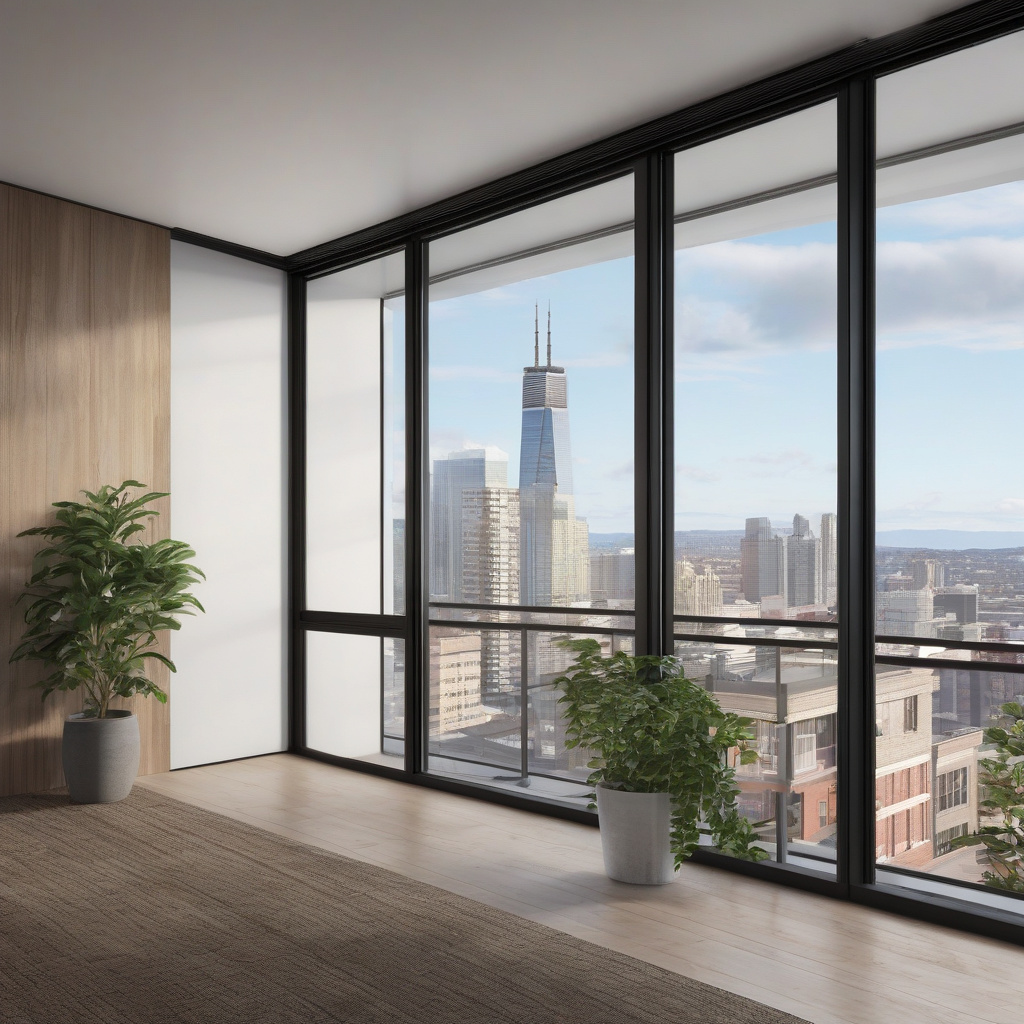
Awning Windows: Versatility and Weather Protection
Awning windows have long been a favored choice for their practicality and unique design, hinging from the top and opening outward, which allows them to remain open even during light rain. For the microclimates of Southern California, this feature can help regulate interior conditions with ease.
Awnings excel in complementing both modern and traditional home settings, offering versatility in design and placement. They tend to be smaller, often installed higher on walls, which makes them excellent for promoting privacy and letting in natural light without compromising views.
Homeowners who appreciate sophisticated designs often choose awning windows for kitchens and bathrooms, where added ventilation is a bonus but moisture management is key. As noted in this exploration of window installation timelines, careful planning ensures that awning windows are placed optimally to maintain their weather-deflecting benefits.
That said, their smaller size may limit their utility in rooms where expansive views are desired. Therefore, combined installations using awning and picture windows are often recommended to achieve the best of both worlds.
For those who prioritize weather protection and adaptable designs, awning windows are an excellent choice that provides both form and function.
Research reveals that energy-efficient window installations can reduce energy bills by up to 15%, making awning windows an economically sensible choice.
Picture Windows: Framing Artistry and Elegance
Picture windows are the epitome of framing nature’s art, offering broad, unbroken views that draw the outside in while effectively acting as living room canvases. In the sun-dappled confines of Los Angeles, these windows can transform even the most modest homes with grand visual flair, catching sunsets and cityscapes with breathtaking clarity.
Notably, picture windows are fixed and don’t open, making them less suitable where air circulation is a top priority. However, their ability to invite light into dim spaces is unparalleled, compensating homeowners who privilege aesthetics over airflow with sumptuous natural panoramas.
They are often partnered with operational windows like sliders or casements to balance view with ventilation. As reflected in discussions of window materials and brands, selecting high-quality glass that minimizes heat loss or gain is essential to maximizing energy efficiency in picture windows.
Conclusively, for those whose glass design is as much about viewing pleasure as practical light capture, picture windows are devoid of redundancy, turning mundane into magnificent with a well-framed vista.
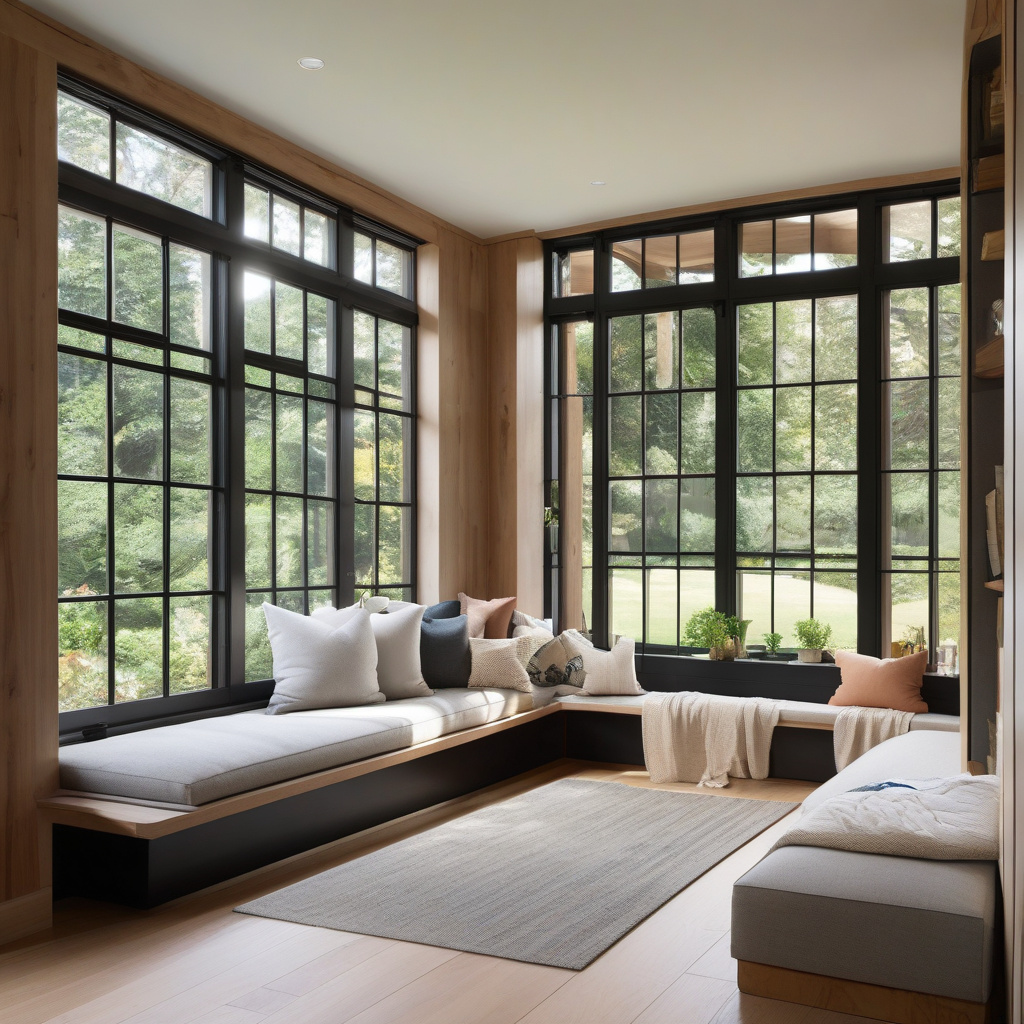
Bay Windows: The Niche Builders
Bay windows, characterized by their outward bow that creates additional interior space, are a stunning way to add both architectural interest and enhanced dimension to a room. They’re a natural fit for Southern California’s eclectic mix of home styles, from Craftsman bungalows to Mediterranean villas.
Beyond their visual appeal, bay windows provide a ledge that can serve various functions, from seating to plant displays, turning every corner into a cozy reading nook or an indoor garden. Renovation experts in Los Angeles often highlight their ability to expand small spaces without adding square footage dramatically.
The installation of bay windows, however, demands more extensive structural support and may require permits due to the external protrusion. Such logistic details are discussed in resources on practical window reinstallation, ensuring a balance of aesthetics and neighborhood compliance.
In terms of energy efficiency, bay windows are often less effective at insulation due to their multi-pane design. Choosing the right glass and insulation techniques is vital to minimize heat transfer and optimize thermal comfort.
For homeowners who yearn for an architectural focal point that doubles as a spatial enhancer, bay windows offer an indelible blend of beauty and utility.
Studies suggest that thoughtfully designed bay windows can increase a home’s interior usable space by up to 3%, offering both functional and aesthetic value.
Advantages vs. Disadvantages
- Sliders: Efficient and cost-effective; limited ventilation.
- Casements: Excellent air flow and easy emergency access; can obstruct outdoor space.
- Awnings: Weather-resistant and versatile; limited in size.
- Picture Windows: Pure aesthetic brilliance; no ventilation.
- Bay Windows: Spacial expansion with visual appeal; complex installation.
A Renewed Perspective on Window Selection
In closing, the diverse window styles we’ve explored offer homeowners a variety of options that blend form, function, and stylistic preferences. As many renovation enthusiasts in Los Angeles have learned, the right window choice can dramatically alter not only the appearance of a home but its functionality as well.
Imagine a sun-filled bay window seat filled with the warmth of a Los Angeles sunrise or an unobstructed picture window framing the Hollywood Hills. Each option provides its unique take on improving both the value and livability of your space.
Incorporating energy-efficient upgrades, such as those highlighted in our discussions, can further boost a home’s value and reduce energy costs. Whatever your choice, consider the long-term impacts and artistic statements each window style offers.
The best beginning is to account for your home’s specific needs, from aesthetic desires to environmental considerations, ensuring each pane of glass serves its highest purpose. In the dance of light and design, window choices illuminate more than just rooms—they spotlight the very heart of the home.
Expert architects note that window upgrades based on environmental adaptations can yield a home equity increase of up to 7%, making them both aesthetically pleasing and financially wise.
- Sliding windows offer simple elegance for tight spaces.
- Casement windows blend tradition with modern ventilation.
- Awning windows provide versatile, weather-proof aeration.
- Picture windows capture unobstructed views beautifully.
- Bay windows add dynamic style and interior space.
“`html
FAQ
What are the main differences between slider and casement windows?
In real renovation projects, many experts highlight that slider windows offer a sleek, horizontal operation which is excellent for spaces where vertical movement is restricted, like above sinks or countertops. Casement windows, on the other hand, hinge open, similar to a door, and capture more breeze, thus enhancing ventilation. However, homeowners often underestimate the maintenance needs of sliders, which can amass dirt in their tracks, whereas casements require regular checks on their hinges and seals. Before choosing, consider your room’s airflow needs and how much clearance space you have outside.
How do bay windows add architectural value to a home?
Bay windows are a transformative element, often seen in traditional or Victorian-style homes, adding depth and character to a property. They extend outward, beyond the exterior wall, creating an inviting nook indoors, often perfect for seating or displays. In the neighborhoods of older Californian homes undergoing renovation, many homeowners find that bay windows provide a dramatic focal point and increase natural light – a vital consideration given California’s famed sunshine. To maximize their impact, pair them with complementary trim and consider furniture placement to emphasize their dimensions.
When are picture windows the best choice for a home?
Picture windows are optimal when you wish to frame an unobstructed outdoor vista, making a statement in homes with scenic landscapes or gardens. Unlike operable windows, they don’t offer ventilation, which is a crucial point many overlook. In newer builds with modern systems designed to regulate temperature and airflow, integrating picture windows can balance aesthetic appeal with functionality. Homeowners should pair them with operable windows nearby to maintain air circulation, which is pivotal in keeping the home environment fresh and comfortable.
What are common mistakes made when choosing window styles?
In the world of home renovations, a frequent misstep is selecting windows solely based on aesthetics without considering practical limitations like local climate or the home’s architectural style. For instance, while awning windows are excellent for ventilation, they may not suit homes with limited outdoor space due to their outward opening. Conversely, sliders might seem attractive for their minimalism but can be challenging to clean in their tracks. It’s crucial to balance looks with upkeep and functionality, ensuring the windows complement both the home’s exterior and lifestyle needs.
How does cost influence window style selection?
Cost is a significant factor impacting window style choice, with sliders typically being more budget-friendly compared to the intricate mechanisms of casement or bay windows. For many California homeowners, where renovation budgets are often stretched, choosing a cost-effective window may initially seem prudent. However, it’s essential to weigh the long-term benefits and savings; for instance, investing in well-insulated, energy-efficient models may reduce heating and cooling bills. Experienced renovators recommend looking at the lifetime cost of the window rather than just upfront expenses.
What are the pros and cons of awning windows?
Awning windows offer unique advantages, perfect for spaces requiring improved ventilation and moisture resistance, such as bathrooms and kitchens. Their design allows them to remain open during rain, offering continuous air flow. However, many overlook the limitation of clearance, as awnings open outward, potentially obstructing paths or exterior decor. They might not be ideal for spaces with heavy foot traffic or where exterior space is minimal. Professional recommendations often include situating them higher on walls or within double-hung windows to mix ventilation with unobstructed outdoor views.
What should I consider for window maintenance to ensure longevity?
Regular maintenance is critical for prolonging the life of your windows, yet often underestimated in renovation plans. For instance, slider windows require frequent cleaning to prevent dirt buildup in their tracks, while casement windows’ hinges should be lubricated to prevent sticking. In California’s varied climate, sealing and weatherproofing become essential steps to protect window integrity against elements. Understanding these needs helps maintain window functionality and appearance over time. If you’re uncertain about how to properly maintain or upgrade your windows, it might be fruitful to speak with a local renovation expert to tailor your upkeep plan.
Why might homeowners choose not to install bay windows?
Despite their aesthetic appeal, bay windows come with certain drawbacks that might deter installation. They require significant structural work, which can escalate costs and extend timelines—factors that many homeowners might not anticipate in initial planning stages. Additionally, they protrude from the building, which could encroach on limited exterior space, particularly in densely packed urban settings. Lastly, their design demands careful leak-proofing, as improper sealing could lead to water ingress. Many experts suggest evaluating the available space and budget constraints carefully before committing to such an installation.
“`