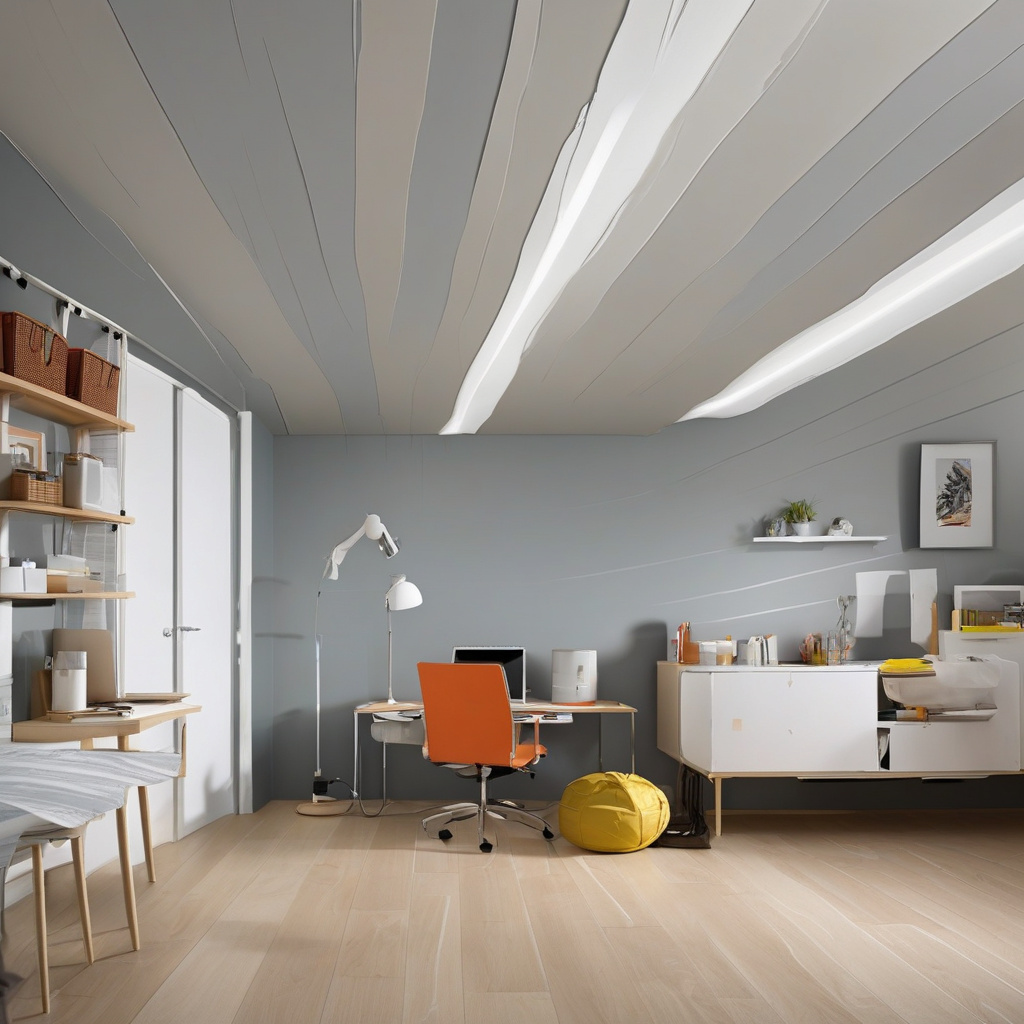
Painting your home is often likened to a rite of passage for homeowners in Los Angeles and across Southern California, where design trends shift as quickly as the city’s unpredictable traffic patterns. Yet, while the temptation to pick up a brush and transform living spaces on a DIY whim is high, the reality is often fraught with challenges that even the most enthusiastic amateur can underestimate.
Brief summary: Despite the popularity of DIY painting among homeowners in Los Angeles and Southern California, common pitfalls such as inadequate preparation and uneven sheen can diminish the results. Professionals mitigate these issues by utilizing superior techniques and materials. This article explores these common DIY mistakes and provides insights on professional approaches.
Preparing the Canvas: A Tale of the Overlooked
Before you even think about dipping your brush into that seductive pool of color, proper preparation is crucial. Homeowners, eager to see the fruits of their labor, often rush through the preparatory phases, resulting in subpar finishes and a plethora of regretful sighs. Imagine rushing through rush hour only to find you’ve taken a wrong turn; it’s much the same here.
Many DIY enthusiasts skip steps like sanding rough spots or thoroughly cleaning walls, thinking a generous coat of paint will remedy all flaws. Professionals, on the other hand, religiously adhere to preparation rituals. This dedication ensures a smooth, durable finish that stands the test of time and elements.
In Los Angeles, where sunshine meets smog, professionals understand the environmental toll on exterior surfaces. They adjust their prep methods accordingly, another reason [homeowners in California choose professional painting services](https://californiarenovation.top/painting/).
Preparation may feel tedious, but skipping it is akin to planting a garden without weeding first. Bite the bullet and prep like a pro—for nothing worthwhile comes easy.
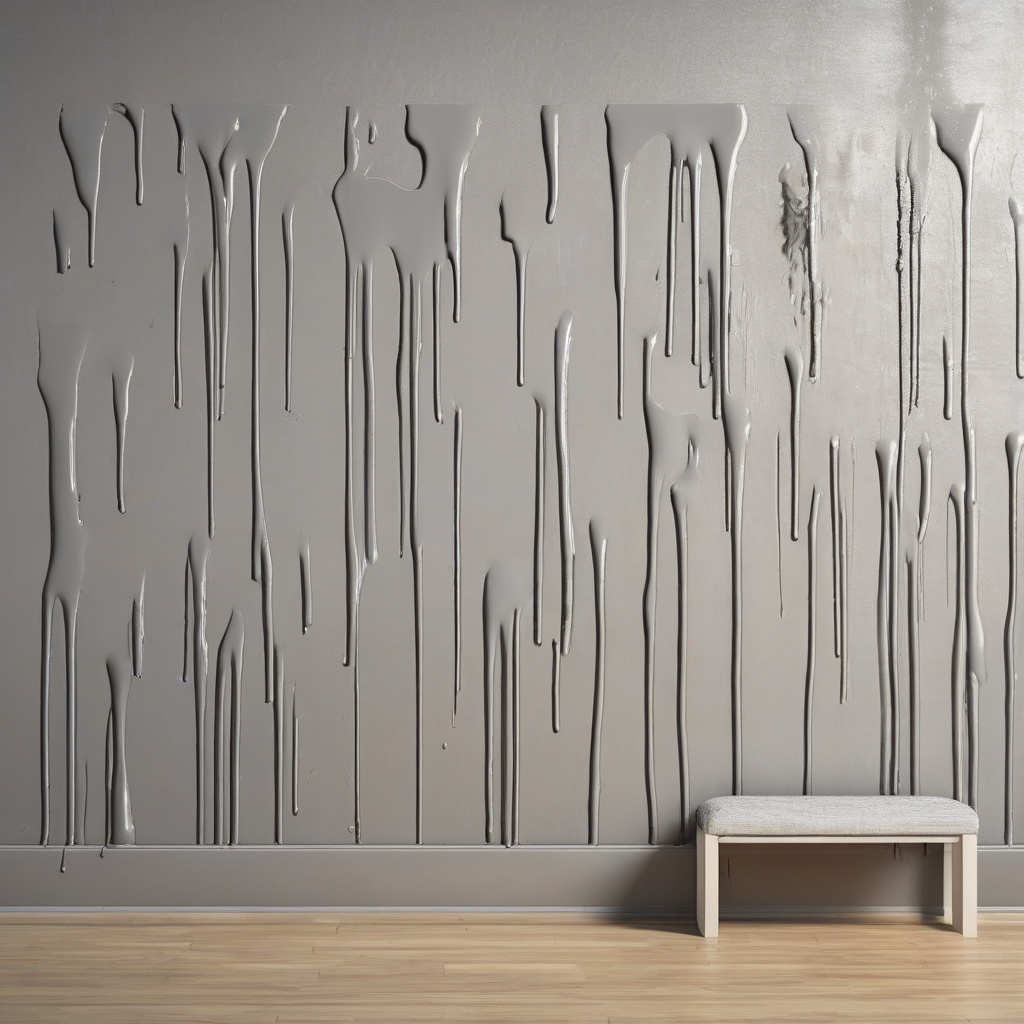
According to industry experts, spending time on preparation can cut down future maintenance costs by up to 30%.
Even Coats: The Art of Layering
The allure of finishing a room quickly often leads homeowners to apply insufficient coats, hoping for a miracle cure that can’t be found in thin layers. Uneven shading is the bane of the DIY painter, and it often takes a keen eye to spot where light betrays its sins.
Professionals avoid these rookie errors with strategic layering. The first coat forms a solid base, and additional layers build up color depth and resilience. Another common misstep involves the pain of drips and streaks—learnt quickly and painfully by almost every novice.
Los Angeles homes demand attention to environmental factors as well, which affects not just the paint but the applicator. Understanding the right application method makes all the difference between a finish that wows and one that wails.
The beauty of even layering is a silent accolade to patience and technique. Investing in multiple coats not only delivers aesthetic satisfaction but ensures longevity.
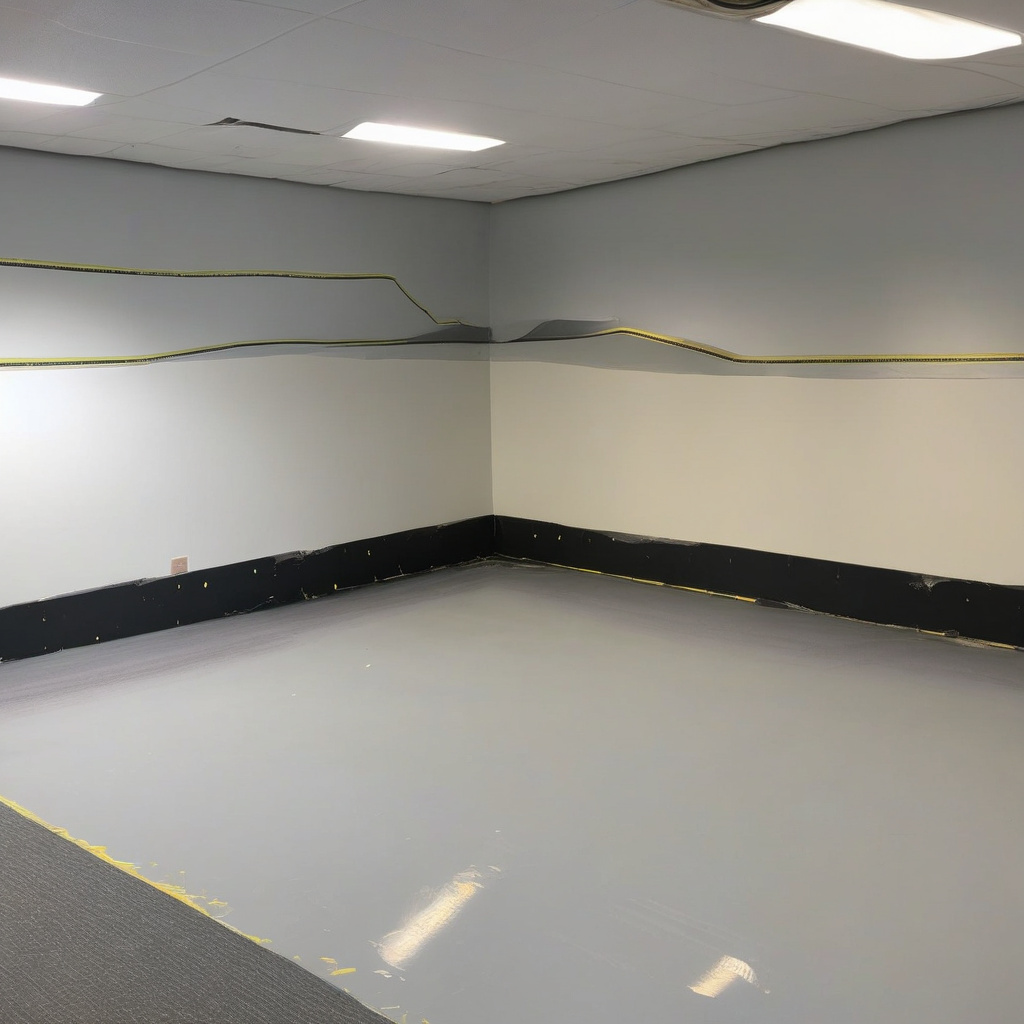
Research indicates that applying at least two thorough coats enhances a paint job’s lifespan by 50%.
Sheen and Shine: Knowing Your Finish
Choosing the wrong sheen is a common boo-boo for DIYers, akin to pairing fine wine with fast food. Gloss, satin, or eggshell? Each finish serves unique purposes and complements different spaces, whether you’re upgrading living room chic or bathroom serenity.
Amateur painters frequently misjudge which sheen to use, often selecting gloss for spaces that require subtler tones, leading to overly reflective or garish results. Professionals determine sheen based on room function, light exposure, and existing textures, lending every painted surface a harmonious finish.
The professionals’ secret weapon might well be their mastery over this nuanced aspect—crafting a seamless conversation between colors, light, and utility in the home.
Residents across Southern California are no strangers to adapting their design aesthetics, opting for [the best white paints suitable for California’s lighting](https://californiarenovation.top/best-whites-california/), ensuring cohesive sheen that is both impressive and practical.
Finish matters—it’s the punctuation mark on each room’s narrative, leading anyone who enters through a well-told story of design.
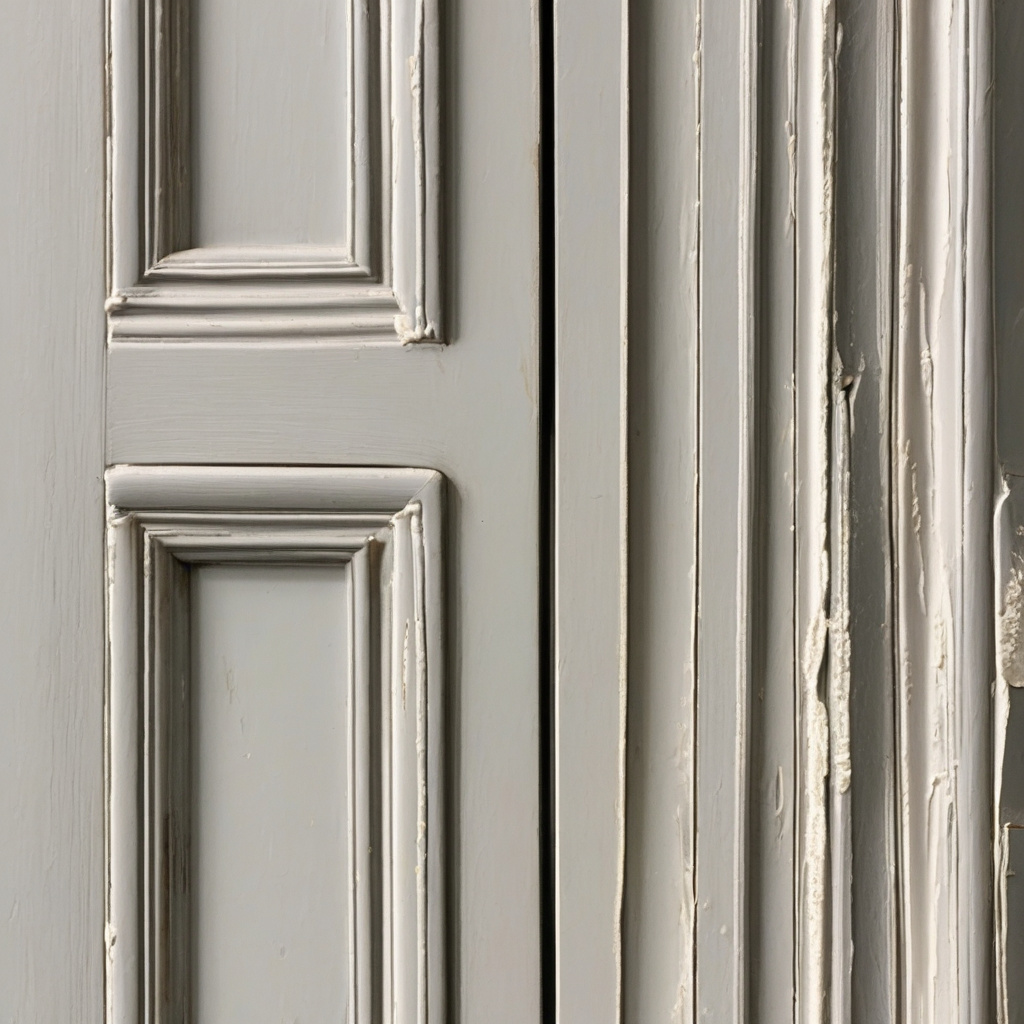
Risks vs Rewards: DIY vs Professional Painting
DIY painting might appear as a budget-friendly project, but the hidden costs can resemble an iceberg—plenty below the surface ready to sink your plans. Let’s examine what’s at stake:
| Aspect | DIY Approach | Professional Method |
|---|---|---|
| Cost | Lower upfront, potential additional costs due to mistakes | Higher initial investment, but predictable and quality-controlled |
| Materials Used | Often cheaper, less durable | Highly durable, tailored to climate and surface |
| Time Investment | High, with learning curve | Efficient, utilizes skilled labor |
| Outcome Quality | Variable, dependent on skill and experience | Consistently high, with a warranty often included |
The decision to DIY or hire professionals resembles a chess game, demanding strategic foresight. Evaluating risk versus reward offers clarity to prospective renovators, preparing them to make informed choices.
An industry expert asserts that homes painted by professionals often equate to a 15% higher sale price due to quality assurance.
Materials and Methodologies: A Professional’s Palette
When it comes to materials, DIYers frequently find themselves in a maze of confusion, overwhelmed by options and jargon. This Pandora’s box can lead to inappropriate purchases or incompatible materials, wreaking havoc on anticipated results.
Professional painters in Los Angeles, masters of their trade, delve into materials like a chef curates ingredients. They match products to environmental factors, such as humidity and UV exposure, ensuring longevity and safety of the paint job.
For homeowners contemplating kitchen redesigns, understanding when to [paint or replace cabinets](https://californiarenovation.top/paint-vs-replace-cabinets/) becomes imperative. Choosing the correct materials and approach is the linchpin of successful renovations.
Equipping oneself with material knowledge transforms a daunting task into a manageable project, elevating the joy and pride in each completed room.
The Know-How: Step-by-Step
The idyllic notion of painting suggests creativity unleashed, yet without the correct process, it can be chaos. Here is a professionals’ step-by-step guide to ensure success:
- Begin with a full assessment of the area to be painted, noting any repairs required.
- Prepare the surface meticulously; this includes cleaning, sanding, and primer application.
- Select the appropriate paint type and sheen, taking into account the function and light exposure of the room.
- Apply the first coat smoothly and evenly, allowing sufficient drying time between layers.
- Evaluate coverage and repeat the process for the best finish, ensuring attention to detail with each stroke.
Tools and technique are the artisans’ chisel and marble—embracing them constructs an artistic outcome that is as enduring as it is beautiful.
Weathering the Southern California Climate
Last but by no means least, the weather—a capricious player in the painting game, especially pertinent to the Los Angeles locale. Angelenos frequently encounter a microclimate buffet of sun, fog, and sea breezes that conspires against poorly considered paint jobs.
Timing your project with the weather forecast isn’t just prudent; it’s essential. Professionals intimately understand the impact of timing on paint curing and adhesion rates, steering clear of humidity spikes and heatwaves.
For those curious about optimizing their painting timing, this resource on [choosing the best time to paint in L.A.](https://californiarenovation.top/la-weather-painting/) offers critical guidance for both DIYers and seasoned pros.
Understanding how and when to work with the weather transforms a paint job from functional necessity to an expression of style in perfect harmony with nature.
When you are next staring at the possibility of transforming your living space, remember the wealth of insights garnered from those with knowledge and experience. Attention to detail, patience, and expertise are as much a part of painting as the pigment itself—and overlooking these is a mistake even the boldest DIYer cannot afford.
- Preparation is key: thoroughly clean and repair surfaces before painting.
- Understand the importance of layering to achieve a professional finish.
- Choose your sheen wisely to enhance the room’s function and style.
- Weigh the risks and rewards of DIY versus professional painting.
- Consider climate and timing to maximize the longevity of your paint job.
FAQ
What are some common painting mistakes made by DIYers?
In real renovation projects, many homeowners jump right into painting, often skipping critical preparation steps. A typical mistake is neglecting to clean and sand surfaces, leading to poor paint adhesion. Uneven coats are another frequent issue, resulting from not having a consistent technique or overusing paint in one area. Additionally, selecting mismatched sheen without understanding its impact on light reflection can alter a room’s aesthetic undesirably. Experts suggest investing time in surface prep and understanding paint types to avoid these traps. Proper prep ensures a smooth finish, just as it would in a professional’s hands.
How do professionals avoid uneven coats in painting?
In the realm of professional painting, consistency is key to avoiding uneven coats. Many experts emphasize maintaining a steady hand and using high-quality rollers and brushes. Starting with a primer can also help achieve an even final look, as it provides a uniform base. Professionals often employ a ‘wet edge’ technique to prevent lap marks—essentially keeping a consistently wet edge to ensure seamless blending. It’s these nuanced techniques that make a profound difference in the overall result. For DIYers, understanding and applying these methods can transform the outcome from amateur to expert-level.
Why is surface preparation crucial in DIY painting?
Surface preparation is the foundation of any successful painting project. Many homeowners underestimate this aspect, but in practice, it often becomes clear that prepping ensures paint durability and finish quality. Cleaning to remove dust and grease, sanding for smoothness, and patching holes can drastically impact the final appearance. Skipping these steps can lead to paint peeling or bubbling over time. Pros understand that a well-prepared surface allows the paint to adhere better and work its full magic, turning a mundane wall into a visually striking part of the home.
How important is the choice of paint sheen?
The choice of sheen in paint is more than just an aesthetic choice; it can define a room’s character. Glossy sheens reflect more light, brightening a room but also making imperfections visible, while matte absorbs light, offering a subtle elegance. For high-traffic areas, semi-gloss or satin sheens offer durability and easy cleaning, a practical tip that homeowners might overlook. The decision hinges on the room’s function and desired ambiance, a concept well-understood by professionals who often guide clients through the subtle impacts of sheen choice on overall design.
What are the pros and cons of attempting a DIY paint job?
Tackling a painting job by yourself has its set of rewards and challenges. On the upside, it can be significantly cheaper, offering satisfaction and control over your project. However, the potential drawbacks include time investment, the risk of mistakes like uneven application or incorrect sheen choice, and the hidden costs of buying all necessary tools. In practice, the decision between DIY and hiring professionals often hinges on your comfort with these tasks versus your budget. Many experts suggest consulting with professionals for large or complex projects where precision is critical.
When does it make sense to hire professional painters instead of DIY?
Hiring professionals is advisable when dealing with large-scale projects, high ceilings, or intricate architectural details. Their expertise can save time, ensure safety, and deliver a flawless finish. For older homes requiring significant prep or repairs, pros have the tools and know-how to address issues that a DIYer might not foresee. Moreover, in newer builds, which may require specific paint types or application techniques, professional insight is invaluable. When considering time, safety, and quality, hiring professionals often outweighs the DIY approach for those less experienced.
What should I consider when budgeting for a paint job?
Budgeting for a paint job requires more foresight than simply calculating the cost of paint. Many experts point out that tools such as brushes, rollers, drop cloths, tape, and primer are essential expenses that often get overlooked. Additionally, factor in the cost of potential repairs or surface preparation tools. If hiring professionals, consider their labor costs, which can vary depending on the project’s complexity and region—particularly in areas like California where labor costs might be higher. For comprehensive advice tailored to your project’s specifics, consider reaching out to professionals for guidance, or perhaps get in touch with a local expert.
How can I maintain my painted surfaces for longevity?
Maintaining painted surfaces requires regular upkeep to retain their color and finish. For interior walls, avoid harsh chemicals and opt for gentle cleaning solutions to prevent stripping the paint. Regular dusting and addressing stains promptly can maintain walls’ appearance. In high-moisture areas, like bathrooms, consider using mildew-resistant paint and ensure proper ventilation to avoid peeling. It’s also wise to keep a touch-up kit for minor nicks and chips, ensuring that any damage is swiftly covered before it worsens. By committing to routine maintenance, you can effectively extend the lifespan of your painted surfaces.