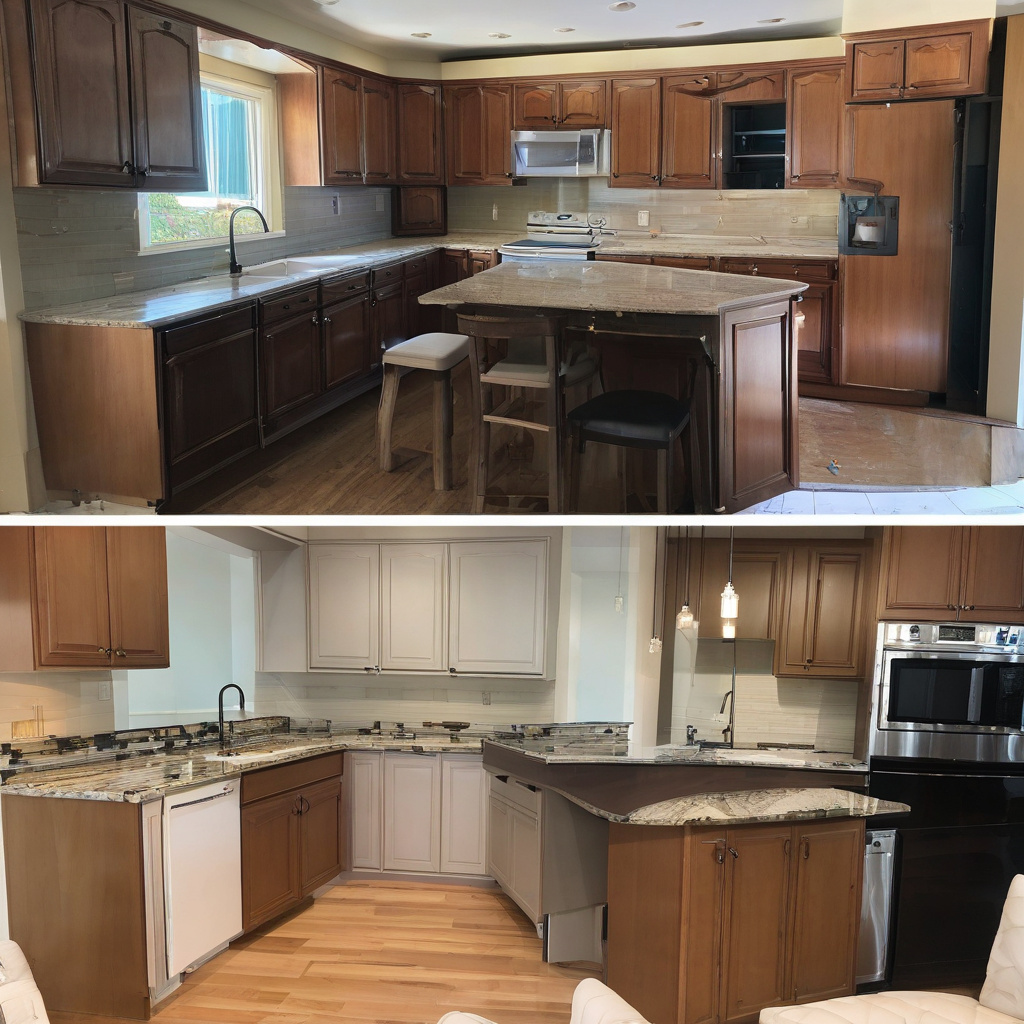
Los Angeles homeowners stand at a fascinating crossroads when it comes to kitchen renovation, facing the perennial dilemma: cabinet refacing versus complete cabinet replacement. Both options promise to revitalize tired interiors, but they travel distinct paths, catering to different priorities, budgets, and end goals.
Brief summary: Homeowners in Los Angeles can choose between refacing and replacing their cabinets, with each option offering unique benefits. Refacing is cost-effective and quick, suitable for aesthetic updates, while full replacement allows changes in layout and enhanced functionality. This article explores both choices to help homeowners make informed renovation decisions.
The Case for Cabinet Refacing: A Budget-Friendly Facelift
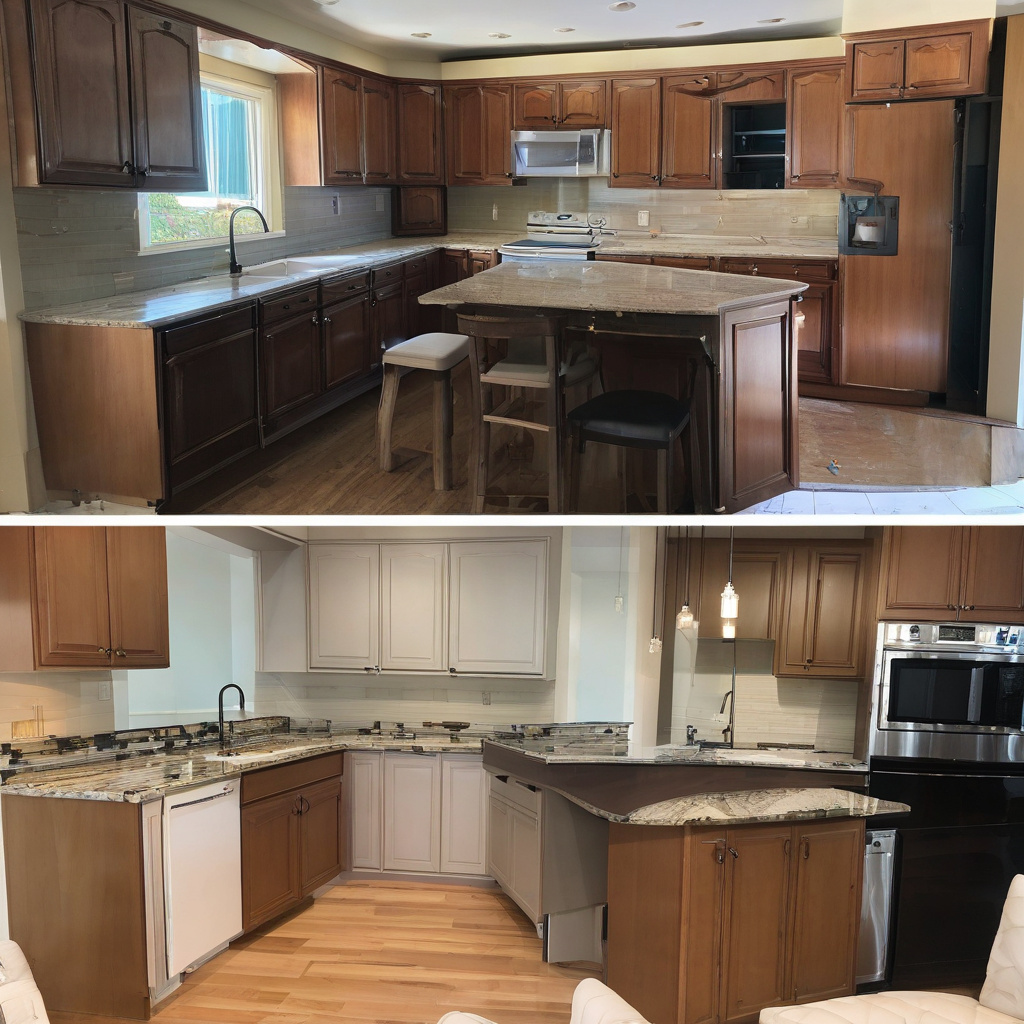
In a city pulsing with vibrant design trends, cabinet refacing emerges as a popular choice for homeowners eyeing a swift and cost-efficient makeover. The process involves replacing only the visible surfaces of cabinets, such as doors and drawer fronts, while retaining the existing cabinet structure. This method transforms the kitchen ambiance without the hefty investment of full renovation.
For those with a penchant for quick results and minimal disruption, refacing is appealing. The average project can be completed in just a few days, which is significantly faster than the often lengthy cabinet replacement process. Not to mention, refacing is generally less invasive, sparing homeowners the chaos of gutting the entire kitchen.
Refacing is also a greener option, reducing waste by utilizing existing materials. This aligns well with the environmentally conscious ethos prevalent among many Angelenos. By opting to reface, homeowners can achieve a fresh look while committing to sustainable practices.
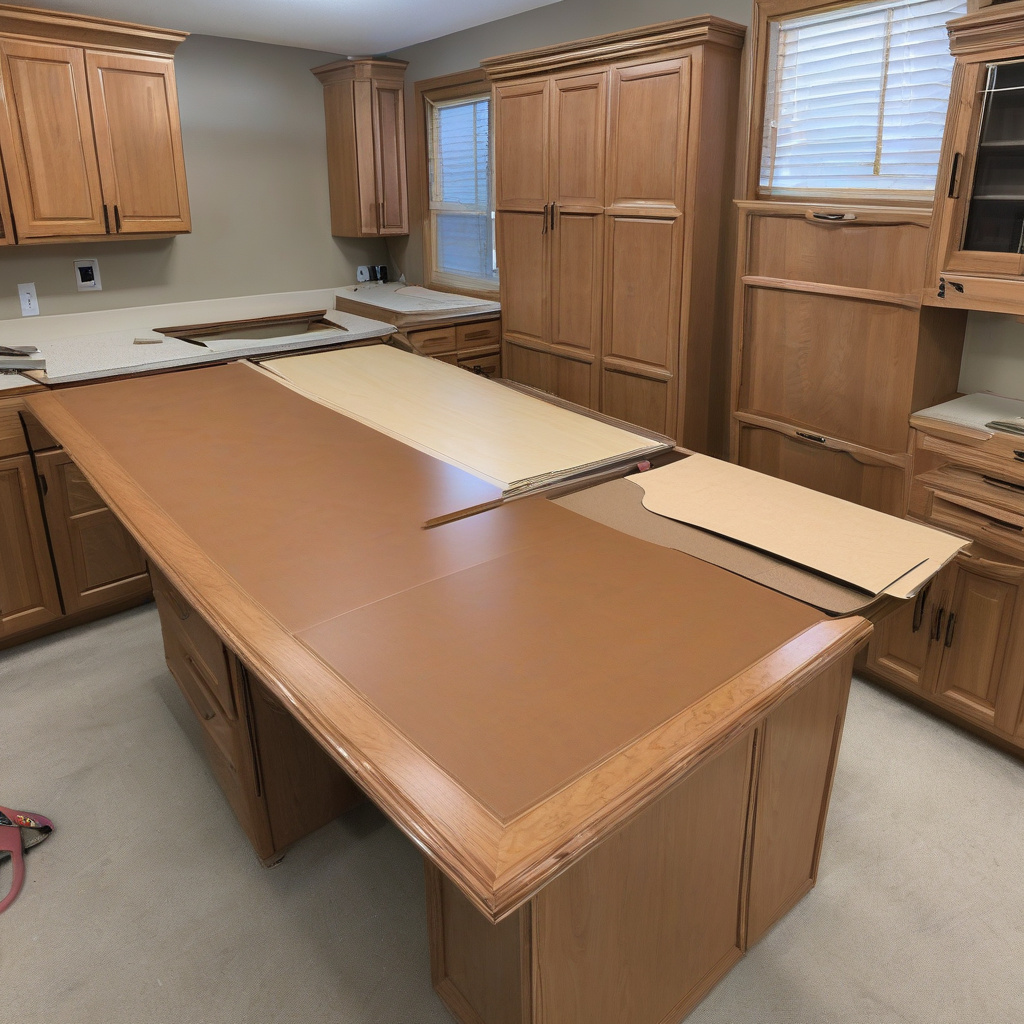
Ultimately, cabinet refacing stands as a practical choice for those looking to rejuvenate their kitchen’s aesthetic without a significant financial outlay. However, it does not allow for structural modifications, limiting changes to layout and storage functionality.
Industry insights suggest that refacing can cost as little as 50% less than full replacement, making it a strategic choice for budget-conscious remodelers.
Explore cost-effective kitchen upgrades to discover more ways to stretch your renovation budget further.
Understanding Full Cabinet Replacement: The Path to Customization
On the flip side, complete cabinet replacement opens up a realm of possibilities, offering homeowners the flexibility to redesign their kitchen layout entirely. This option caters to those seeking to maximize their kitchen’s functionality, incorporating modern storage solutions and cutting-edge design elements.
Replacement involves dismantling the existing cabinetry and installing brand-new units. This blank canvas approach empowers homeowners to optimize space, enhance convenience, and implement innovative design trends, tailor-made to their unique needs and preferences.
Despite the higher costs, full replacement is hailed for its durability and transformative potential. By starting anew, homeowners address outdated layouts and integrate seamless, contemporary solutions. This level of personalization often justifies the substantial investment associated with such comprehensive projects.
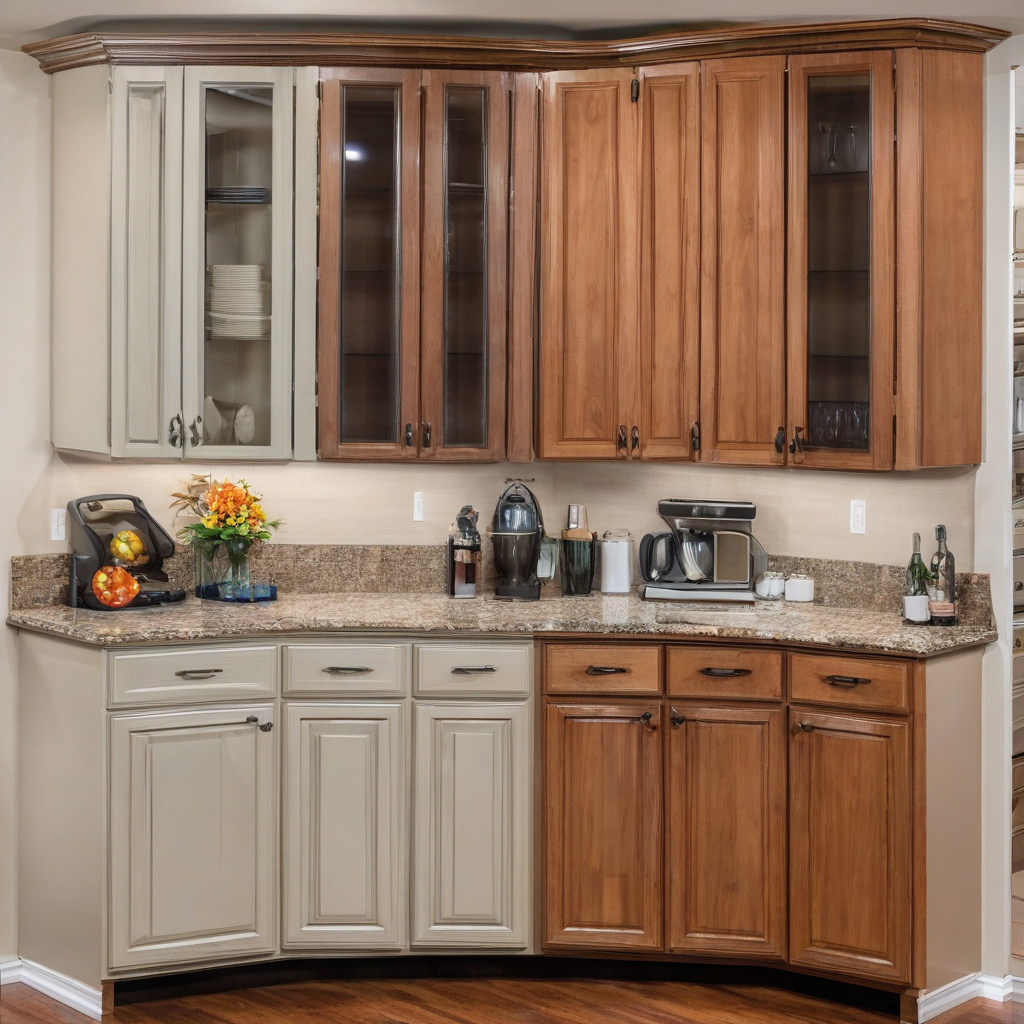
In conclusion, while the upfront cost of replacement is significant, the long-term benefits in terms of value addition and enhanced home livability make it an attractive option for many Los Angeles homeowners.
Cost Comparison Table
| Aspect | Cabinet Refacing | Full Replacement |
|---|---|---|
| Average Cost | $5,000 – $15,000 | $15,000 – $50,000+ |
| Timeline | 3-5 days | 4-8 weeks |
| Material Use | Optimizes existing | All new materials |
| Customization | Limited | Extensive |
Considering Your Kitchen’s Future: The Long-Term Value
When deliberating between refacing and replacement, assessing the long-term implications is crucial. Beyond immediate cosmetic changes, these decisions intertwine with the home’s future market value and livability.
According to home design experts, kitchens remain one of the most significant selling points, with a modernized kitchen boosting a property’s market appeal remarkably.
More than just a facelift, a kitchen upgrade can significantly enhance a home’s appeal to potential buyers. Therefore, while refacing is economically attractive, full replacement might be the wiser choice if considering the lifting of your home’s value on the property ladder.
Dive into modern enhancements for better kitchen functionality to improve your renovation’s impact on resale value.
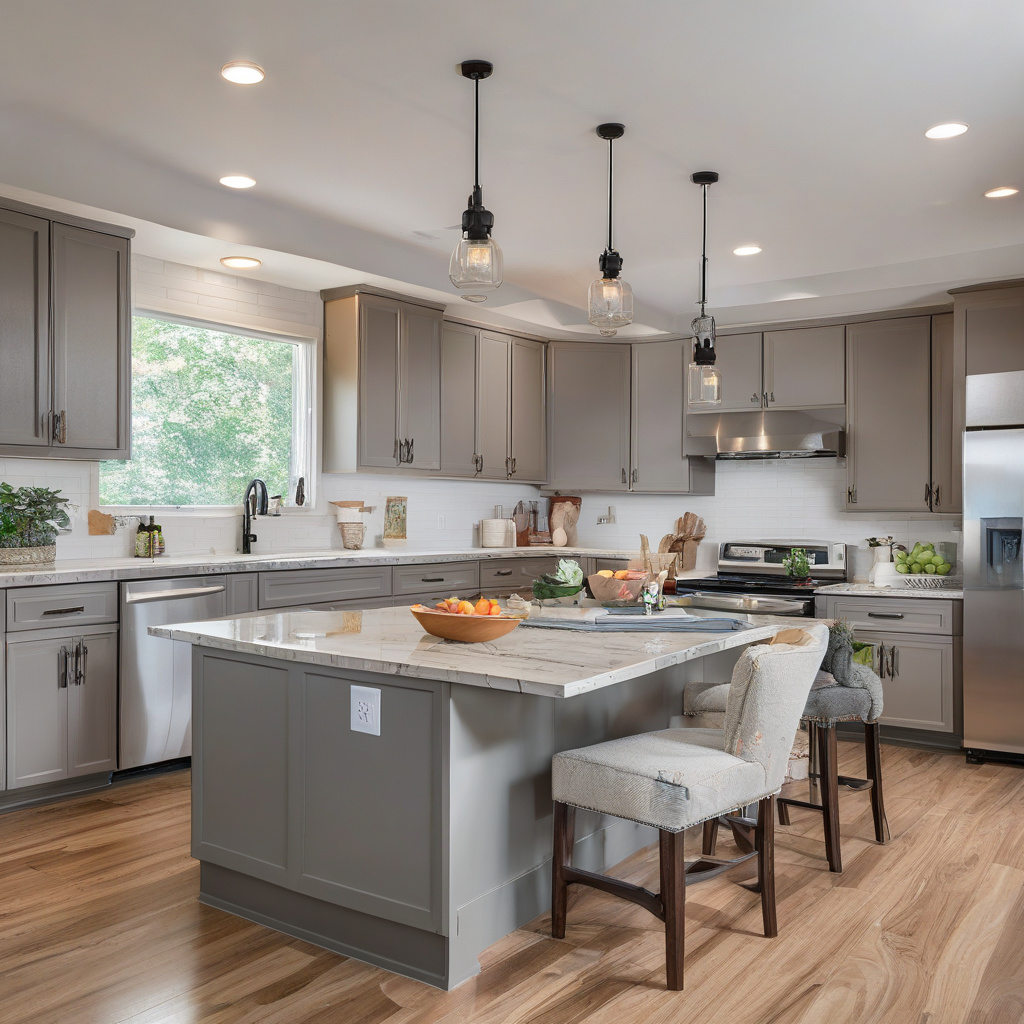
Ultimately, in a city like Los Angeles where real estate markets are notoriously dynamic, investing in a full cabinet replacement can serve as a strategic move, blending aesthetic appeal with practical improvements.
Technical Considerations: Materials and Designs
Both refacing and replacement benefit from a wide array of materials, from budget-friendly laminates to the allure of solid wood finishes. However, the choice of materials can significantly influence the project’s cost and final appearance.
For refacing, lightweight options such as veneers and laminate remain popular for their cost-effectiveness and adaptability. Despite the lower price point, these materials can convincingly emulate higher-end finishes, making them a favorite among savvy designers.
In contrast, full cabinet replacements unlock access to high-end materials like custom hardwood and intricate glass or metal inserts. These choices herald a new echelon of luxury but come at a premium price, perfect for homeowners willing to invest in material longevity and timeless elegance.
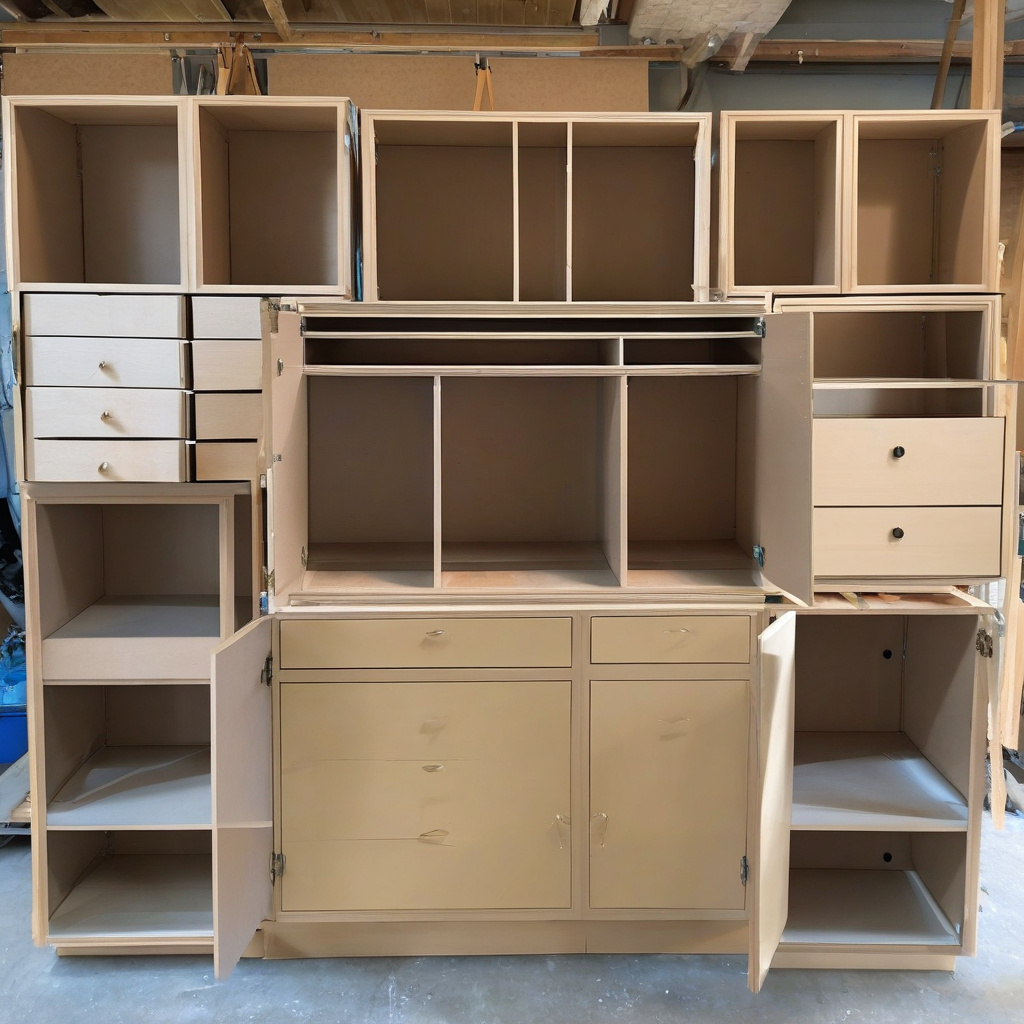
For an in-depth understanding of how colors and materials impact design, explore local kitchen color trends in Southern California to harmonize your renovation choices.
Permitting and Practical Steps: Navigating Regulations
Embarking on a kitchen renovation journey in Los Angeles involves more than just aesthetic decisions. It necessitates a clear understanding of the local permits and regulations surrounding construction work. Navigating these bureaucratic channels efficiently can make or break a project’s timeline.
For those opting for refacing, the process is often quicker due to fewer regulatory hurdles, as fundamental structural changes aren’t typically involved. However, undertaking a full cabinet replacement frequently demands more comprehensive permit applications, especially when altering the kitchen layout significantly.
A recent survey found that over 40% of renovation delays stem from improperly managed permitting issues, underscoring the necessity of informed project planning.
Whether you choose refacing or full replacement, ensuring compliance with local building codes and regulations is essential. Consulting with a seasoned contractor or a local renovation expert can streamline this process, sidestepping potential pitfalls.
Find essential permit information for LA kitchen projects to help ensure compliance and smooth sailing through your renovation.
Weighing the Pros and Cons: Making the Final Decision
The decision to reface or replace cabinets hinges on myriad personal factors—from budget constraints to long-term living plans and aesthetic ideals. While both routes offer their distinct advantages, the ultimate choice rests on aligning these factors with individual goals.
Refacing triumphs where budget and speed are paramount. It’s the favored option for those looking to update on a dime without sacrificing style, achieving impressive results quickly and efficiently.
For those seeking transformative change, full cabinet replacement is unparalleled. It not only reimagines kitchen space but also taps into the potential for increased functionality and modern appeal, directly influencing home value.
Ultimately, each home is unique, and the decision should reflect the preferences, budget, and intentions of its inhabitants. Whether refacing for a fast update or replacing for long-lasting change, carefully weighing these considerations will guide homeowners to a decision they proudly stand by.
- Cabinet refacing offers a budget-conscious approach to kitchen updates with minimal disruption.
- Full cabinet replacement allows for comprehensive layout changes and personalization.
- Both options impact home value differently, with replacement often offering greater long-term benefits.
- Material choices in both refacing and replacement can influence project cost and outcome.
- Understanding local regulations is crucial to avoiding renovation delays in Los Angeles.
FAQ
What is cabinet refacing, and how does it differ from full cabinet replacement?
Cabinet refacing involves updating the exterior look of your existing cabinets without altering the internal structure. It typically includes replacing doors, drawer fronts, and veneers, and maybe new hardware like handles and knobs. In contrast, a full cabinet replacement involves removing the old cabinets entirely and installing new ones, allowing for changes in kitchen layout and improved storage solutions. Many experts suggest refacing is a faster, more cost-effective route if your cabinet frames are still in good condition. However, for those craving significant changes in functionality and kitchen design, full replacement might be the better choice.
How do I decide whether cabinet refacing or replacement is the right option for my home?
The decision hinges on your budget, desired outcome, and the current condition of your cabinets. Consider cabinet refacing if you’re satisfied with your kitchen’s current layout and your cabinets’ structural integrity is intact; it’s less disruptive and typically less expensive. Conversely, if you’re dealing with older properties where the kitchen setup feels outdated or restrictive in terms of storage, a full replacement could be more beneficial. Visit kitchens of friends or family who have undertaken renovations to see firsthand what either option entails and, if necessary, reach out for expert guidance by contacting an experienced consultant.
When does it make sense to choose cabinet refacing over full replacement?
Cabinet refacing makes sense when your kitchen layout is satisfactory and the cabinet boxes are still sturdy. In many older homes in California, the cabinets are built to last, providing an excellent foundation for refacing. Homeowners typically reface cabinets to refresh the look without the commitment of a large-scale remodel. It’s ideal for a quick, less invasive update that offers a substantial visual return. Projects can often be completed within a few days, minimizing disruption, and it’s perfect if you’re looking to contemporize the kitchen while maintaining its current functionality.
What are the most common mistakes homeowners make during cabinet renovation?
A frequent blunder is underestimating the project’s scope. Many homeowners wrongly assume refacing is automatically cheaper, ignoring full home layout needs which a replacement might better address. Similarly, choosing trendy finishes without considering ongoing maintenance can lead to dissatisfaction. Additionally, overlooking professional advice can result in poor execution and unexpected costs. Practically speaking, ensure you know your needs versus trends and fully comprehend cost implications across both choices before proceeding.
What are the cost considerations between refacing and full cabinet replacement?
Cost is a pivotal factor between refacing and full replacement. Refacing is generally less expensive because it doesn’t involve deconstructing the existing cabinetry or altering plumbing and electrical systems. It usually costs 30% to 50% less than a full replacement. However, it’s crucial to get several quotes from reputable contractors to get a sense of realistic pricing, as costs can vary significantly based on the materials chosen and the project’s complexity. On the flip side, a full cabinet replacement provides opportunities to enhance kitchen usability, potentially increasing property value more substantially.
What are the pros and cons of full cabinet replacement?
Full cabinet replacement has distinct advantages, including the ability to redesign the layout to improve efficiency and storage, making it particularly appealing for custom kitchens or when dealing with poorly designed areas. However, it is also the more expensive and time-consuming option, with many projects extending over several weeks, impacting daily home life. You also face potential risks of unforeseen structural issues when removing old cabinets. Despite the cost, the end result is often a completely transformed space adhering to specific lifestyle needs and modern standards.
How can I ensure a successful cabinet refacing project?
Success in cabinet refacing hinges on careful planning. First, verify the condition of your existing cabinets to ensure they can support refacing. Research and choose a reputable contractor with experience in similar projects. When selecting materials and styles, consider both durability and potential cleaning challenges. Opt for timeless designs that won’t quickly fall out of fashion, ensuring long-term satisfaction. Finally, set a clear budget and timetable to prevent unexpected expenses or delays, confirming that your project remains on track and within financial boundaries.
What materials are typically used in cabinet refacing, and how do they impact the result?
Refacing materials can dramatically affect both the aesthetic and durability outcomes. Common materials include wood veneers, plastic laminates, and rigid thermofoils (RTF). Wood veneers offer a classic look but often require more maintenance. Laminates are more budget-friendly and come in a wide array of colors and patterns, providing versatility. RTF is generally more durable and moisture-resistant, making it suitable for kitchens but can be limited in terms of color options. Your choice will significantly impact maintenance requirements and overall kitchen vibe, so select carefully based on your lifestyle and design preference.