In the bustling expanse of Southern California, where the sun seems to shine a bit brighter and outdoor living is a lifestyle unto itself, homeowners are increasingly drawn to the potential of composite boards. These versatile materials not only promise low maintenance and durability but also offer a dazzling array of colors and textures that can transform any patio into a stylish oasis. Whether you’re basking by the pool in Los Angeles or enjoying ocean breezes in Santa Monica, savvy choices in composite board aesthetics can make all the difference.
Brief summary: This article explores how selecting the right color and texture in composite boards impacts heat absorption, grip and visual appeal, essential factors in crafting cohesive outdoor spaces. Using examples from Southern California, it delves into real homeowner projects, compares renovation options, and guides readers on selecting materials that blend aesthetics with functionality.
Aesthetic Appeal: Setting the Right Tone
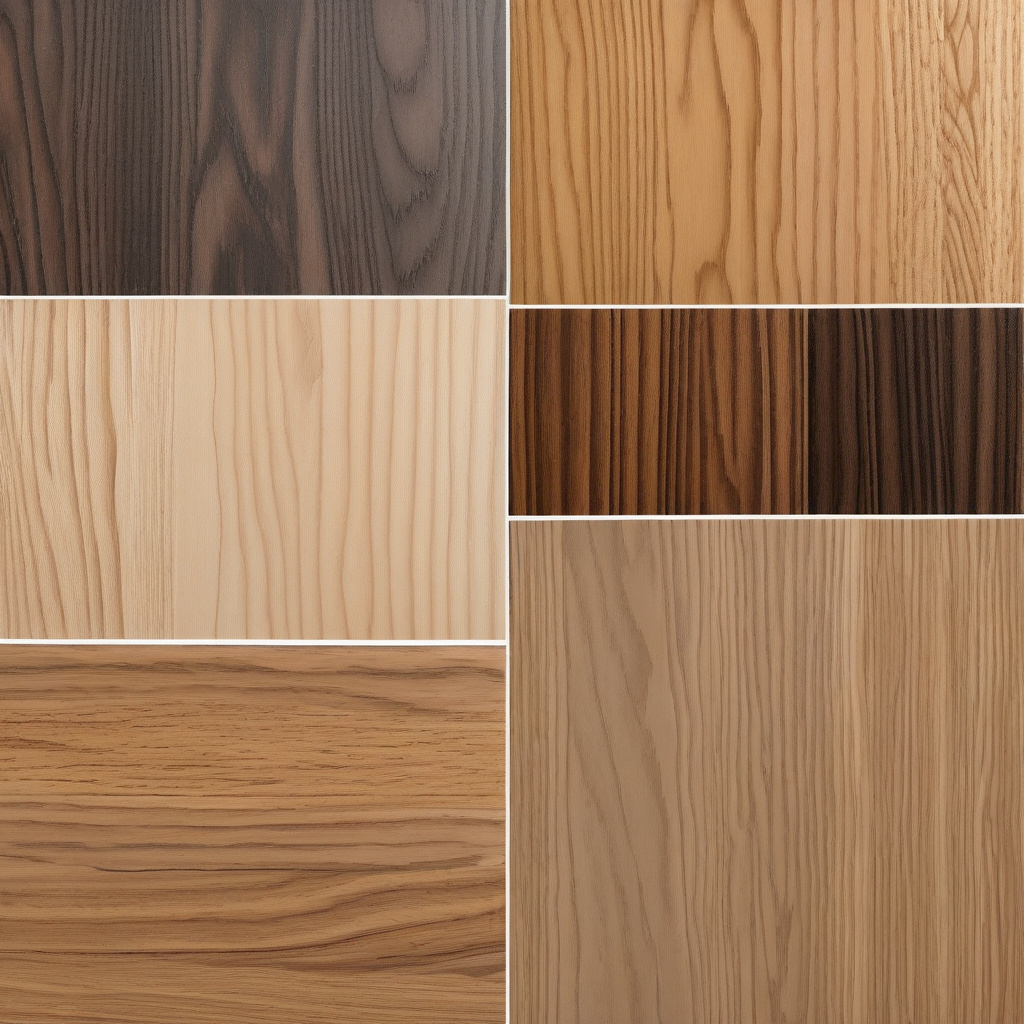
Colors are the storytellers of our spaces, and when it comes to composite boards, the spectrum available mirrors the diversity of architectural styles found across Los Angeles. From muted earth tones to vibrant tropical hues, selecting a color palette that aligns with your home’s character can enhance the overall aesthetic impact. As many local homeowners notice, the visual tone set by your deck can either harmonize or clash with the surrounding environment.
Consider inspirations drawn from nature: sun-warmed sands, dusky autumn leaves, or oceanic blues. These natural palettes not only reflect personal taste but resonate with the region’s picturesque settings. Choosing the right hue can subtly unify your outdoor and indoor spaces, creating a seamless transition that extends living areas into the open air.
Some may opt for dramatic contrasts, infusing spaces with bold, dark shades against lighter-structured homes, a design choice that provides striking visual dynamics but requires careful planning to balance intent with impact.
Ultimately, whether you’re updating an urban balcony or a sprawling backyard, color becomes a critical element that communicates style and complements intricate landscaping efforts. Homeowners can explore resources such as this resource on creating inviting patio environments for more insights into integrating color with space.
Expert designers often suggest test samples on-site to view how colors interact with light and shadow at different times of the day, ensuring the final decision inspires satisfaction.
Texture Considerations: More Than Meets the Eye
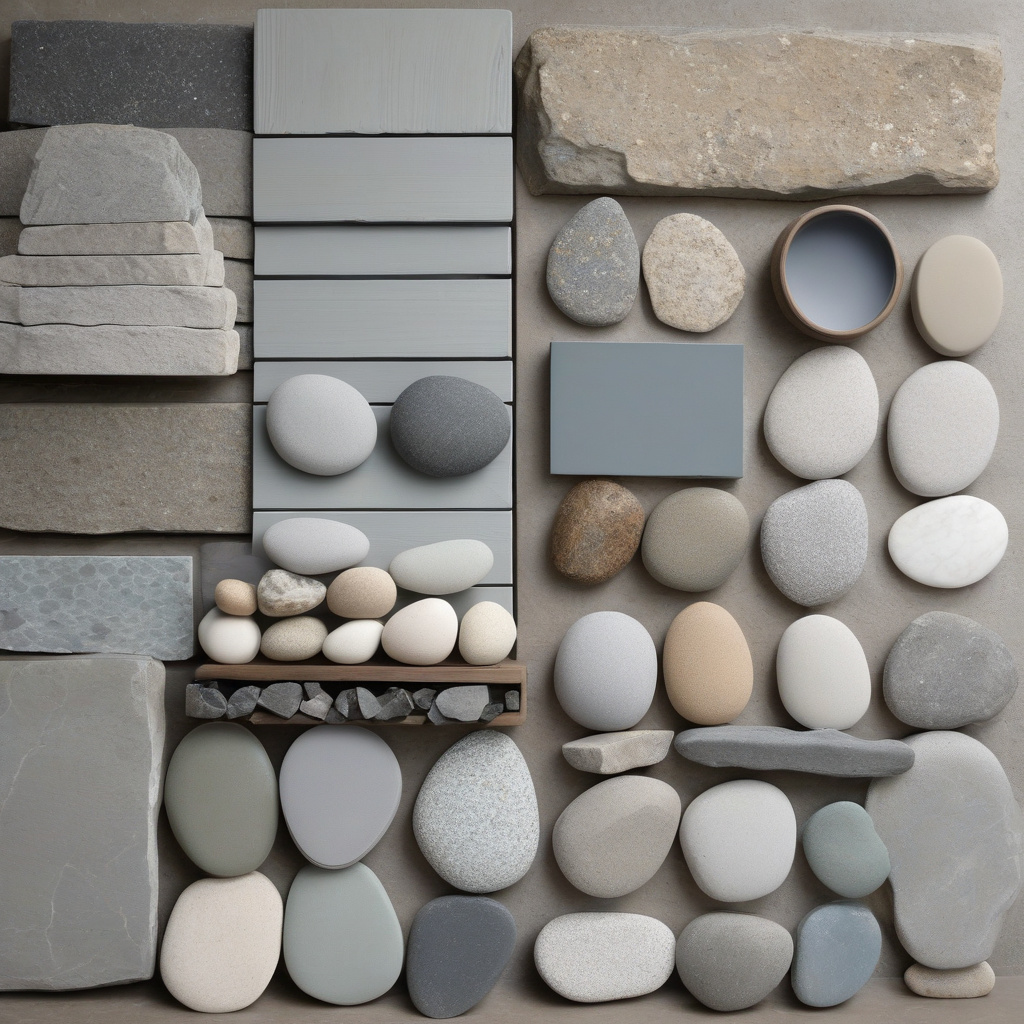
Texture, though often overshadowed by color, plays an equally vital role in the functionality and feel of composite boards. It’s not merely about aesthetics but extends into safety and comfort, factors paramount in areas frequented by families.
Southern California experiences ample sunshine, which can heat certain surfaces considerably. Smooth textures might offer a sleek modern look, but they can become slipperier when wet, making them less ideal for poolside decks or children’s play areas. Introduced textures or grain patterns can resolve this, providing extra grip and a more comfortable surface underfoot.
Rough or embossed textures are increasingly popular among local remodelers as they imitate the natural allure of wood while promoting safety. With the right choice, homeowners ensure their outdoor spaces remain inviting retreats irrespective of the elements.
For individuals intrigued by the myriad of ways texture influences usability, exploring a comparison of different railing systems may offer relevant perspectives and additional practicality considerations.
Interest in innovative surface designs remains high, offering both traditional and avant-garde interpretations that cater to diverse aesthetic appetites while emphasizing tactile experiences.
Heat Absorption: Keeping Cool in the California Sun
In a climate as sunny as Los Angeles’, concerns about heat absorption in deck materials can’t be overlooked. The color and texture of a composite board significantly affect how much heat a surface retains, impacting comfort during the hottest hours.
Lighter colors generally absorb less heat than darker ones, a crucial factor during scorching summer months. Similarly, textured boards reflect light differently, often resulting in cooler surfaces. This can substantially enhance the longevity of your outdoor enjoyment without additional cooling mechanisms.
Trends show a rise in technically advanced heat-resistant decking options that achieve cooler surfaces. Such innovations ensure comfort while adhering to environmental considerations essential for eco-conscious homeowners.
A recent study estimated that reflective decking surfaces could reduce ambient temperatures by up to 20%, promoting sustainable energy use in outdoor cooling solutions.
Outdoor spaces with strategic color and material choices provide thermal efficiency, even contributing positively to energy costs—making deliberate selections not just a matter of comfort, but a financially savvy decision.
The Value of Expert Insights: Navigating Choices
Selecting the ideal composite board involves balancing aesthetics with practicality—a challenge best navigated with professional insights. Consulting with experts or engaging with experienced installers can illuminate considerations amateurs may overlook. Seasoned professionals offer perspectives on trend longevity, material durability, and installation nuances.
Social proof plays a big role, as friends or neighbors who’ve successfully undertaken similar projects can share firsthand experiences. Networking within community platforms offers valuable feedback and facilitates better-prepared decision-making.
Case studies of successful outdoor renovations frequently highlight collaborations between homeowners and experts. These synergistic efforts often yield impressive results that satisfy aesthetic goals while delivering functional excellence.
“Choosing materials that match environmental exposures and design intents reshapes how homes interact with their surroundings, delivering both beauty and increased property value,” notes architect and renovation specialist Linda Greer.
Engaging with professionals doesn’t just involve initial planning but extends through installation, ensuring oversight translates vision into reality without the burden of unexpected hurdles.
Cost, Material, and Method Considerations
The financial aspects of composite board selection and installation can vary broadly based on several factors: color, texture, size of the project, and choice of finish. Homeowners in Los Angeles should weigh these against their budgets to avoid project delays or adjustments.
High-end options may present initially higher costs, but they often pay dividends through minimal maintenance requirements and superior longevity. Mid-range selections provide a balance of quality and affordability, making them popular choices for many remodelers.
Installation methods impact budgets too—prefabricated solutions versus bespoke architectural designs entail different cost structures. DIY projects appeal for their cost savings and a personal touch, although they demand time and a willingness to tackle the learning curve.
Here is a comparison of cost considerations in composite board selections:
| Tier | Cost Range | Materials | Installation Method |
|---|---|---|---|
| Budget | $15,000 – $25,000 | Standard Composite | Prefabricated |
| Mid-Range | $25,000 – $40,000 | Enhanced Composite | Custom Installation |
| Premium | $40,000+ | Premium Composite | Bespoke Design |
Budget-conscious buyers often consider options that provide the best value within their range. A well-planned investment strategy can yield a splendid outdoor environment without exceeding financial constraints.
From Planning to Execution: Crafting the Ideal Space
Embarking on an outdoor renovation requires a clear vision and a roadmap to achieve it. Detailed planning encompasses selecting materials, budgeting, and establishing timelines—all influenced by the specific needs of the project.
For Californian homeowners, unique climate conditions inform board choices that promote longevity and resist wear from sun exposure and moisture. A guide on step-by-step poolside deck design tips provides practical insights into executing seamless integrations of function and form.
Implementing a composite deck isn’t just about construction—it’s creating an extension of an indoor lifestyle that embraces the outdoors. Aligning vision and technique, homeowners can undertake projects with foresight honed by research and creativity.
A successful renovation journey delights the eye and serves as a testament to thoughtful design that harmonizes with nature’s beauty. Real transformations highlight the satisfactions of crafting spaces that are as enjoyable to live in as they are to look at.
Market analysis suggests that outdoor improvements can elevate property values by up to 20%, underscoring the importance of high-quality, thoughtful design in a competitive real estate landscape.
Guided by priorities and informed choices, every outdoor project can become a cherished feature that enhances life in the sun-drenched lands of Southern California.
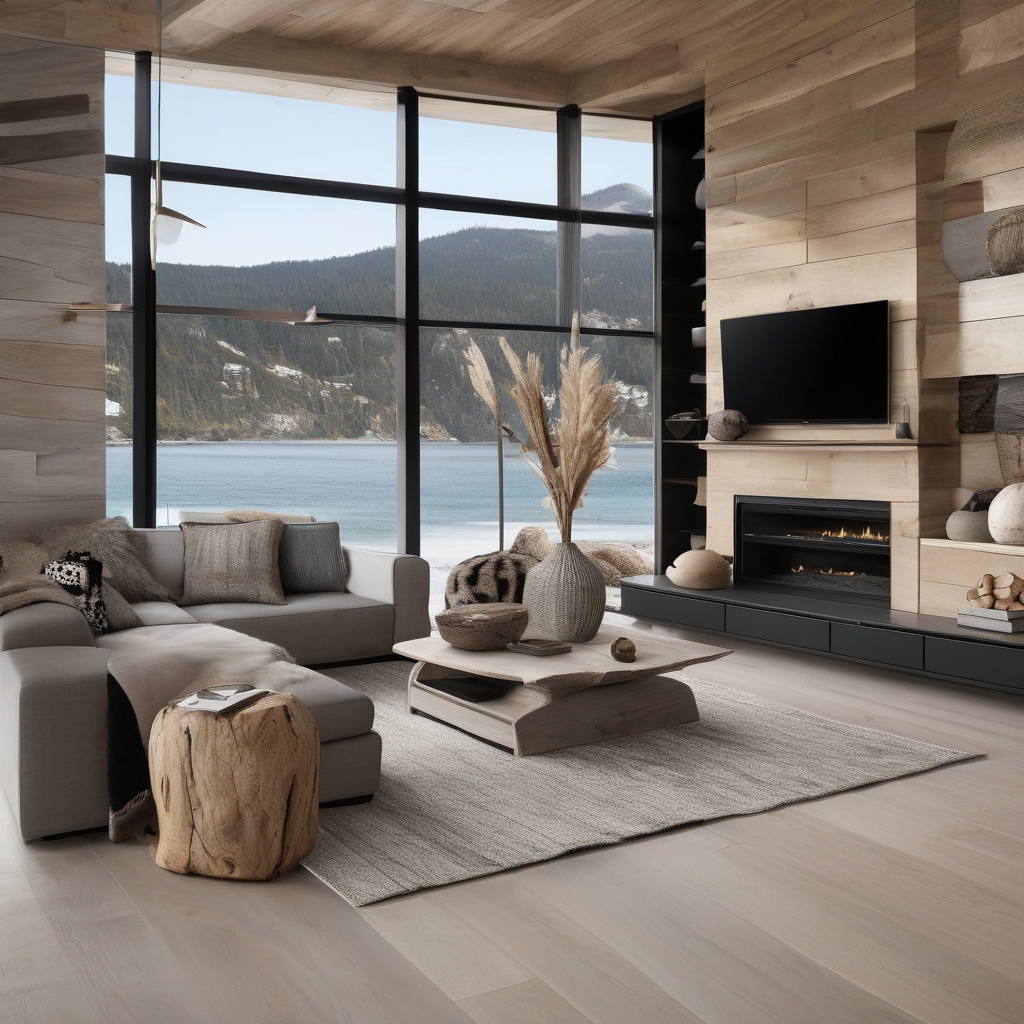
- Composite boards offer a diverse range of colors and textures that impact aesthetic appeal, safety, and comfort.
- Expert insights and community experiences inform better decision-making in material selection and installation methods.
- Considering heat absorption properties is crucial for optimizing outdoor comfort during sunny days.
- The balance between cost and quality dictates suitable options for various budget tiers in deck renovations.
- Planning phases that integrate practical design with personal vision ensure responsive and sustainable projects.
FAQ
How do the color and texture of composite boards impact heat absorption?
In real renovation projects, it often becomes clear that the choice of color and texture in composite boards significantly affects heat absorption. Darker colors typically absorb more heat, making the surface warmer underfoot, which can be a consideration in sunny areas like California. Textures also play a role; smoother surfaces might heat up more than textured ones, which allow air to circulate slightly better. Balancing aesthetics with practicality is key, as the right selection can mean enjoying your outdoor space comfortably even during peak summer months.
What is the best method to choose the right composite board for my patio?
Many experts point out that selecting the perfect composite board for your patio involves considering both functional and aesthetic factors. Start by assessing the climate and how much sun the patio receives. In practice, homeowners often appreciate visiting showrooms to view samples and feel textures firsthand. It’s also wise to consider the architectural style of your home; boards should complement rather than clash with existing elements. Seeking advice from seasoned professionals can provide tailored recommendations, especially as you might face diverse choices and potential pitfalls. For personalized guidance, you can reach out to construction experts familiar with local conditions.
Why is surface grip an important consideration for composite boards?
Homeowners frequently underestimate the importance of surface grip when choosing composite boards. In regions with occasional rain or heavy morning dew, like many Californian areas, having a board with good traction is crucial to prevent slips and falls. This is especially true if your deck or patio will be used by children or elderly family members. Textured boards often provide a better grip, reducing the risk of accidents. During remodeling, considering how the space will be used determines the right level of texture for safety without compromising comfort.
What are some common mistakes when selecting composite board colors?
One common mistake is choosing a color based solely on preference without considering how it will look with the rest of the house. In real renovation scenarios, homeowners might select a trendy color that clashes with their existing decor, resulting in a disjointed aesthetic. Another frequent error is not factoring in how colors change under different lighting throughout the day. To avoid these pitfalls, many renovation experts recommend testing sample boards in various lighting conditions and considering how seasonal changes might affect the color’s appearance.
How do the color and texture of composite boards affect visual tone?
The visual tone of your outdoor area is greatly influenced by the color and texture of composite boards. Light, cool shades can provide an airy, expansive feel, perfect for modern homes with sleek lines. On the other hand, richer, deeper hues convey elegance and can complement traditional homes beautifully. Meanwhile, texture can add depth, creating visual interest that transforms a simple space into a design statement. Combining these elements thoughtfully can result in a cohesive, inviting atmosphere that reflects your personal style and enhances the overall aesthetic of the property.
What are the pros and cons of using composite boards in outdoor spaces?
Composite boards offer several benefits, making them a popular choice for outdoor spaces. They are generally low maintenance, resistant to rot, and can withstand various weather conditions—a distinct advantage for Californian climates. However, they also come with some downsides, such as higher initial costs than wood and potential for fading over time if exposed to constant sunlight. Homeowners should weigh these pros and cons carefully, considering both the initial investment and long-term maintenance requirements. Many experts also advise evaluating different brands, as not all composite materials perform equally.
What should I consider about the cost when choosing composite boards?
Cost is a critical consideration when choosing composite boards. While they may initially be more expensive than traditional lumber, their durability and low-maintenance nature can lead to savings over time. In real cases, installation costs can also vary significantly based on the complexity of the design and existing structural conditions. Homeowners should get multiple quotes from contractors to ensure they’re meeting budget constraints while not sacrificing quality. A tip for staying on budget without compromising value is to focus on highly visible areas with premium boards, while using more affordable options for less prominent sections.
What are some maintenance tips for preserving the look and function of composite boards?
Maintaining composite boards involves regular cleaning to prevent dirt and grime build-up. Unlike wood, these boards don’t require staining or sealing, but routine washing with mild soap and water keeps them looking fresh. In actual practice, some homeowners use pressure washers for deep cleaning, though caution is advised to prevent surface damage. It’s also wise to address any scratches or stains promptly to maintain aesthetic appeal. Many experts suggest periodic inspections to ensure fasteners are secure, as this can prolong the lifespan of your installation and ensure safety.