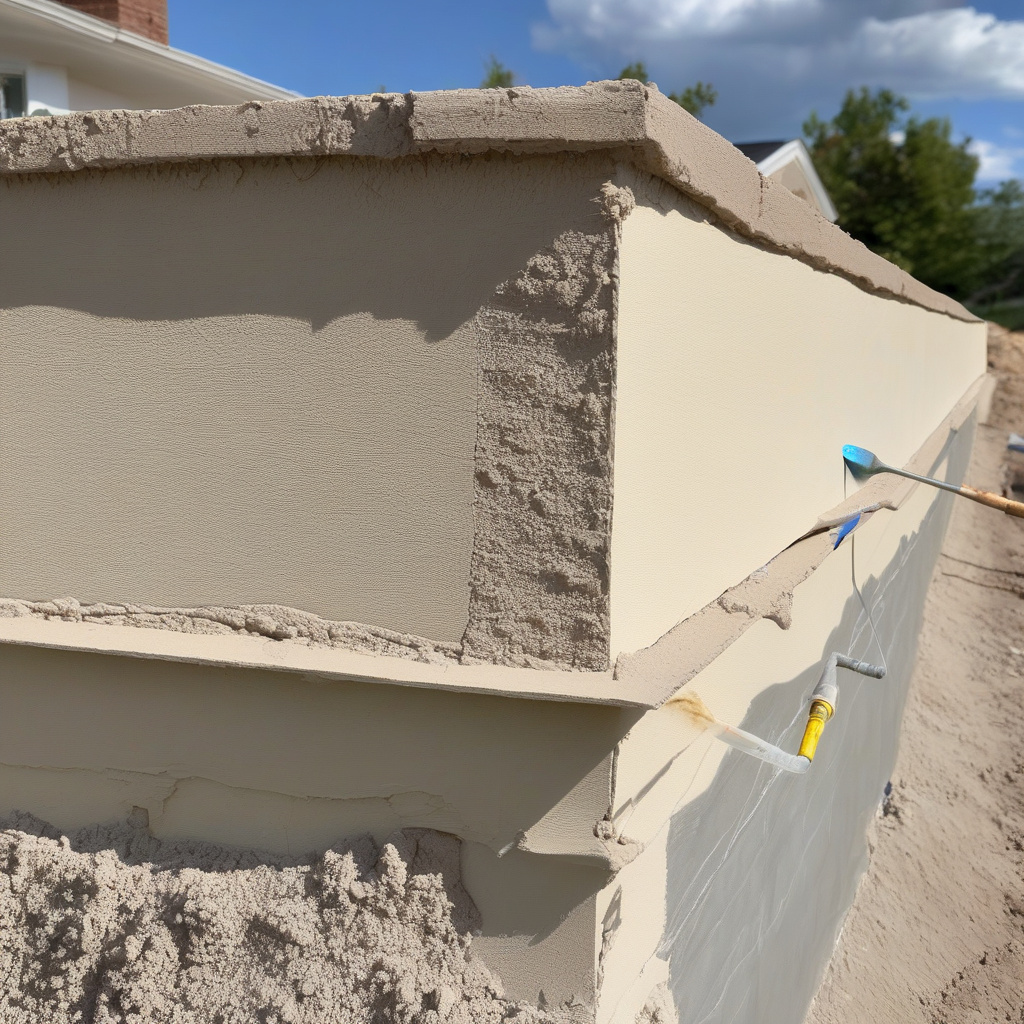
Strolling through the sun-drenched avenues of Los Angeles, one can’t help but admire the plush neighborhoods where stucco-clad homes stand like silent testimonies to Californian elegance. However, to maintain this timeless allure, these stucco structures require more than just occasional admiration—they demand meticulous preparation before painting or repainting. This endeavor, often involving repair work, pressure washing, and the application of elastomeric primers, is crucial for ensuring the paint not only adheres well but also preserves that impeccable finish for years.
Brief summary: This article delves into the vital steps required for preparing stucco exteriors for painting, focusing on repair and cleaning techniques. It examines cost factors and uses real-life remodeling scenarios from Los Angeles. Homeowners can learn about primer application and color choices, ensuring durable and aesthetic results.
The Essential Preparations for Stucco Before Painting
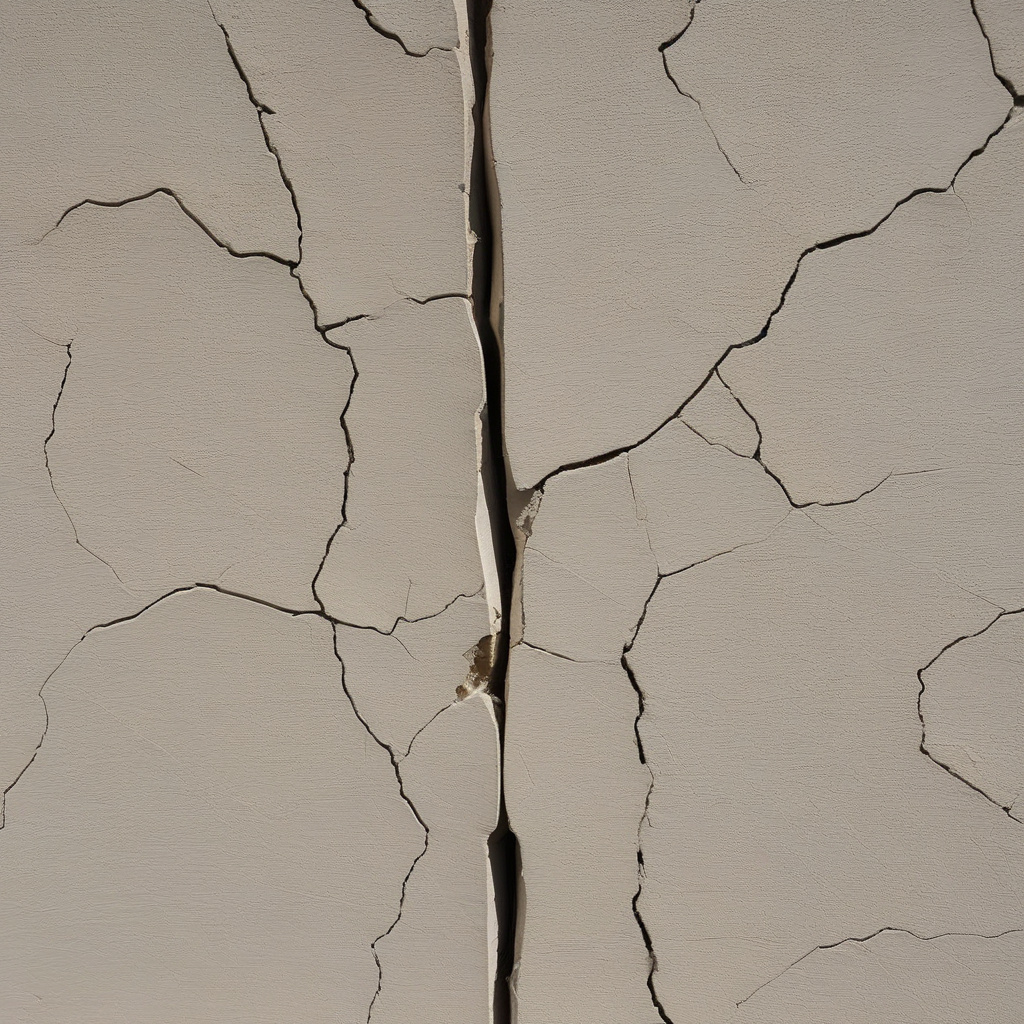
For many Los Angeles homeowners, the journey of repainting stucco begins long before the brush touches the wall. The initial steps involve evaluating the condition of the external surface. As any seasoned renovator would affirm, examining for cracks or surface blemishes is an essential first move. When these imperfections are left unattended, they can undermine the durability of the new paint job, often leading to costly repairs down the road.
Once you’ve identified areas needing attention, the process of repair begins. It’s usually a meticulous task of filling cracks and smoothing surfaces. Utilizing a high-quality filler that matches the stucco’s texture can make a significant difference, ensuring that the repairs themselves don’t become the new eyesore. For a foundational understanding of this process, visiting resources on best painting practices can offer valuable insights.
Pressure washing follows the repair phase, as layers of dust and grime must be removed for the primer to stick effectively. Experts often recommend this intense cleansing process as it assures the paint adheres smoothly, unveiling the full sheen of its color.
Completing these steps with precision allows for a protective layer before the final paint, setting the stage for a home that’s as stunning as it is resilient.
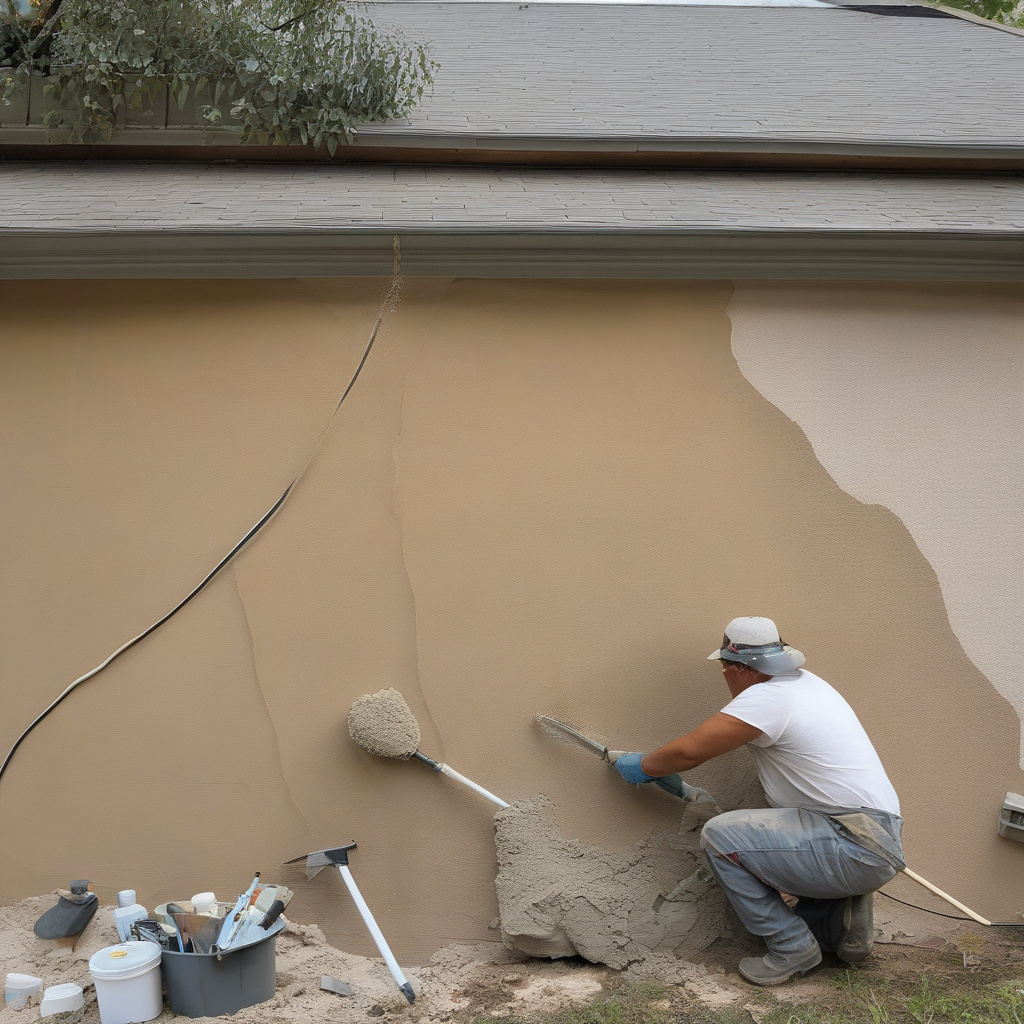
The attention to such detail often culminates in not just a new look but a longer-lasting finish that preserves the integrity of the exterior—a fact that cannot be overstated in the fluctuating climate of Southern California.
Exploring the Costs and Benefits of Proper Stucco Maintenance
In Los Angeles, where external weather conditions oscillate from warm, sunlit days to unexpectedly harsh rains, the role of preparation in painting stucco cannot be overemphasized. Proper maintenance helps in managing costs effectively, avoiding the pitfalls of frequent, expensive touch-ups.
Let’s examine the economic implications. Skimping on prep work can initially seem cost-effective, but it is a gamble fraught with risks. A poorly prepped stucco surface might necessitate a repaint within months, while a job done with diligence can extend the lifespan of a paint job to over a decade.
Cost-conscious renovation experts estimate that investing in high-quality preparation saves up to 30% on future maintenance costs.
The decision to invest in professional preparation techniques not only preempts unnecessary expenses but also increases the home’s aesthetic and market value. Such judicious initial investments can profoundly affect the home’s curb appeal, often reflecting in higher resale values.
By illustrating how proper preparation can save costs and also enhance home value, it’s clear why homeowners are turning towards more informed renovation choices.
Table: Cost Comparison for Stucco Painting Preparation
| Preparation Type | Cost Range | Durability | Average Lifespan |
|---|---|---|---|
| DIY Basic Wash | $100 – $200 | Moderate | 5 years |
| Professional Repair and Primer | $500 – $1500 | High | 10-15 years |
While initial prices might seem high, the extended durability and lifespan significantly outweigh the costs, making it a wise investment.
Materials and Techniques: The Art of Choosing the Right Primer
In stucco painting, selecting the right primer is akin to laying down the first vital notes of a symphony. It sets the stage for what follows and paves the way for a successful outcome. Elastomeric primers, primarily favored in interior design discussions, are known for their elasticity and can stretch, ensuring they fill small cracks and allow the wall to breathe.
These primers act as the unsung heroes, creating a tightly sealed surface that the paint can comfortably adhere to. Furthermore, their ability to withstand weather changes is particularly suited to the climate fluctuations experienced by Los Angelenos.
The application process demands patience and precision, working meticulously across the surface to ensure even coverage and prevent pooling in crevices. Adopting these techniques allows homeowners to avoid common pitfalls that often mar the beauty of a well-painted facade.
Observing the distinct differences in primer quality and application results underscores the need for thoughtful material selection.
As per industry standards, a well-applied elastomeric primer increases paint lifespan by 50% in coastal climates.
Ultimately, choosing the right primer is a testament to a homeowner’s commitment to quality, reinforcing that good groundwork lays the foundation for stunning results.
Risks vs. Rewards: The Intricacies of DIY and Professional Work
Deciding between DIY efforts and hiring professionals introduces homeowners to a daunting pathway of choices. Many in Los Angeles try their hand at DIY to save money, armed with hope and a couple of tutorial videos. However, the complexities and technicalities associated with stucco painting often demand more than a DIY spirit.
DIY projects frequently overlook crucial steps, from inadequate surface prep to improper application of primers and paint. The risks associated with this usually manifest as peeling paint or uneven finishes. While the initial cost savings can be enticing, the potential for early wear and costly redo jobs present significant drawbacks.
Conversely, professional services, though pricier, bring experience and expertise to the table, promising results that not only look beautiful but also withstand the test of time.
This observation reinforces the nuanced decision homeowners face, carefully balancing immediate budget constraints against the long-term implications of their choice.
Renovation expert John Tyler notes, “Quality preparation and paint don’t just beautify your home; they protect the very walls from weather and time.”
Assessing these factors assists in making informed decisions, blending aesthetics with practicality.
Planning the Perfect Painting Project: Concept to Completion
For those embarking on a painting project, planning should resonate as a journey, not just a task. Thoughtful consideration at each stage transforms mere renovation into an opportunity for personal expression. This process harks back to understanding protective measures, such as how to ensure furniture and floors are safe during the project.
Having gained experience from numerous projects, many homeowners suggest creating a timeline that factors in unexpected challenges like sudden weather changes—inevitable in the temperate climate of Los Angeles. Flexibility in scheduling is thus not a luxury but a necessity.
An essential part of this project management is selecting the right team or, if DIY is chosen, equipping oneself with the knowledge and tools necessary for success. The strategic choice between DIY and professional help can ultimately shape the outcome.
Pairing efficient planning with informed material selection crafts an approach that ensures both functional and aesthetic needs are met, ultimately protecting one’s investment in the long term.
Steps for a Successful Painting Project
- Assess the condition of the stucco and repair all cracks.
- Thoroughly clean the surface through pressure washing.
- Apply a high-quality elastomeric primer.
- Choose a color palette that enhances the home’s natural charm.
- Finalize a timeline and, if necessary, secure a reliable contractor.
Through this process, a clear path from concept to completion emerges—one that prioritizes both creativity and careful planning.
Adding Character: Final Touches for a Dream Exterior
As the last strokes of paint dry under the Californian sun, homeowners reflect on the harmony of function and form achieved through a meticulous approach. This period often prompts thoughts of enhancement, like exploring stylish ceiling details to complement the refreshed exterior.
These finishing touches often introduce elements that personalize a home, be it through unique color choices or the integration of architectural details that echo personal style. Given the vast array of 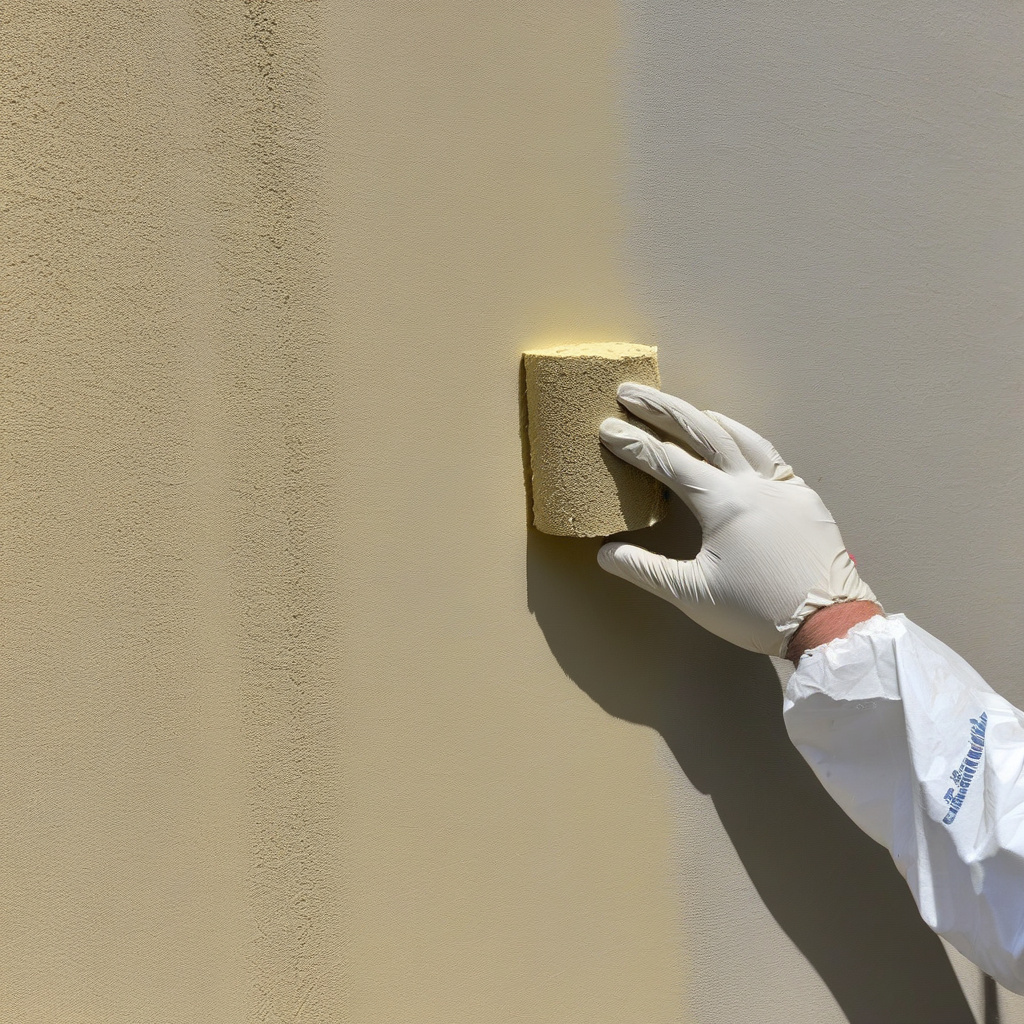 stylistic expressions available, it’s no surprise that many homeowners enjoy customizing their exteriors even after completion.
A dashed color accent here or there, informed by an understanding of the 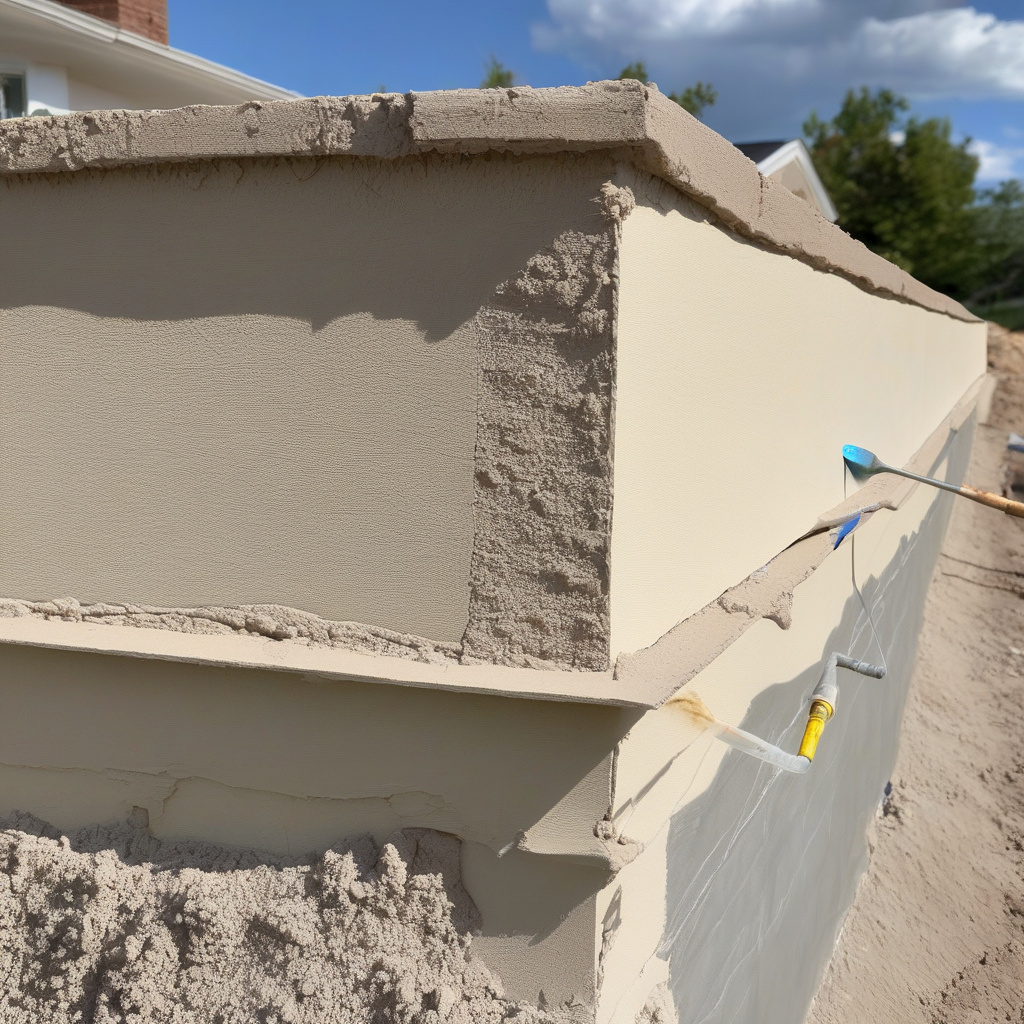 neighborhood’s architectural canvas, creates a narrative that resonates with the longevity and allure of Los Angeles homes.
In the end, the approach pays homage to the art of preparation—a tribute not just to meticulous detail but also to an enduring love for the home itself.
- Critical preparation determines the success of a stucco paint job.
- Proper repair and primer application extend paint longevity.
- Weigh the pros and cons of DIY vs. professional work.
- Effective planning combines aesthetic and practical needs.
- Final touches enhance both aesthetic appeal and personal style.
“`html
FAQ
What are the first steps in preparing stucco exteriors for painting?
In real renovation projects, preparing stucco exteriors begins with a thorough inspection for cracks. Many experts point out that even hairline cracks, if left untreated, can worsen over time due to elements like wind and rain. Homeowners often pressure wash the stucco to remove dirt and mildew. This step is crucial as it ensures that the surface is clean and ready for primer application. Repairs on significant cracks are typically made with patching materials designed for stucco, which ensures a seamless and durable finish before any paint is applied.
Why is using an elastomeric primer recommended on stucco surfaces?
Elastomeric primers are known for their flexibility and ability to bridge hairline cracks. In the context of stucco, which naturally expands and contracts with temperature changes, this feature is invaluable. Many homeowners mistakenly believe that regular primers suffice, but elastomeric options ensure better adhesion and protection. These primers create a strong base for new paint layers, accommodating the stucco’s natural movements and thus preventing premature paint failure.
When is the best time to paint or repaint stucco exteriors?
Timing is crucial in painting stucco exteriors. Ideally, the weather should be warm but not too hot, with minimal wind and no rain forecasted. In regions like California, spring and fall are typically favorable. Extreme temperatures can affect how paints and primers bond to the surface, potentially leading to uneven finishes. In practice, ensuring the stucco is completely dry after pressure washing is equally important, as moisture trapped beneath paint layers can lead to bubbling and peeling.
Can you highlight some common mistakes to avoid when painting stucco?
Homeowners frequently underestimate the significance of surface preparation. A common mistake is neglecting to clean or repair the stucco adequately. Additionally, skimping on a quality primer can lead to poor paint adhesion. Using the wrong type of paint—such as interior paint instead of stucco-specific exterior paint—can result in rapid deterioration. Another pitfall is not allowing sufficient drying time between cleaning and priming, which can trap moisture and lead to future damage.
How should homeowners choose the right paint for stucco surfaces?
Choosing the right paint hinges on understanding stucco’s unique characteristics. Experts recommend acrylic latex paints for their durability and ability to handle stucco’s surface texture. Paint with high breathability will allow moisture to escape, reducing the chances of peeling. Many professionals suggest consulting with a local paint specialist who understands the regional climate nuances, especially if you’re situated in a state like California where heat and UV exposure are factors. Consider checking out expert advice by visiting this professional guidance page.
What are the cost considerations for repainting a stucco exterior?
The cost of repainting stucco can vary widely based on factors such as the home’s size, the current condition of the stucco, and local labor rates. In many cases, homeowners overlook costs associated with surface preparation, which can be substantial if extensive repairs are needed. Elastomeric primers and high-quality exterior paints often come with a higher price tag but offer better protection and longevity, reducing future maintenance expenses. Always consider getting multiple quotes from contractors to fully understand the potential financial outlay.
What are the benefits and limitations of painting stucco exteriors?
Painting stucco can rejuvenate the appearance of a home and provide essential protection against weather elements. Acrylic paints are particularly effective in safeguarding against moisture intrusion. However, limitations exist; paint can obscure underlying issues, delaying detection of structural problems. Moreover, while high-quality paints can last many years, they will eventually require reapplication—reflecting both maintenance obligations and associated costs. Homeowners must weigh these benefits against potential future work.
How can homeowners maintain their freshly painted stucco exteriors?
Post-painting maintenance of stucco is essential for longevity. Regularly inspecting for new cracks or surface damage is advisable, especially after severe weather events. Pressure washing can be a part of routine maintenance but should be done gently to avoid paint erosion. In California, where dust and pollen are prevalent, periodic cleaning helps maintain aesthetics and allows visual inspections for potential problems. Seal any new cracks quickly to prevent them from worsening, preserving the work done from the outset.
“`