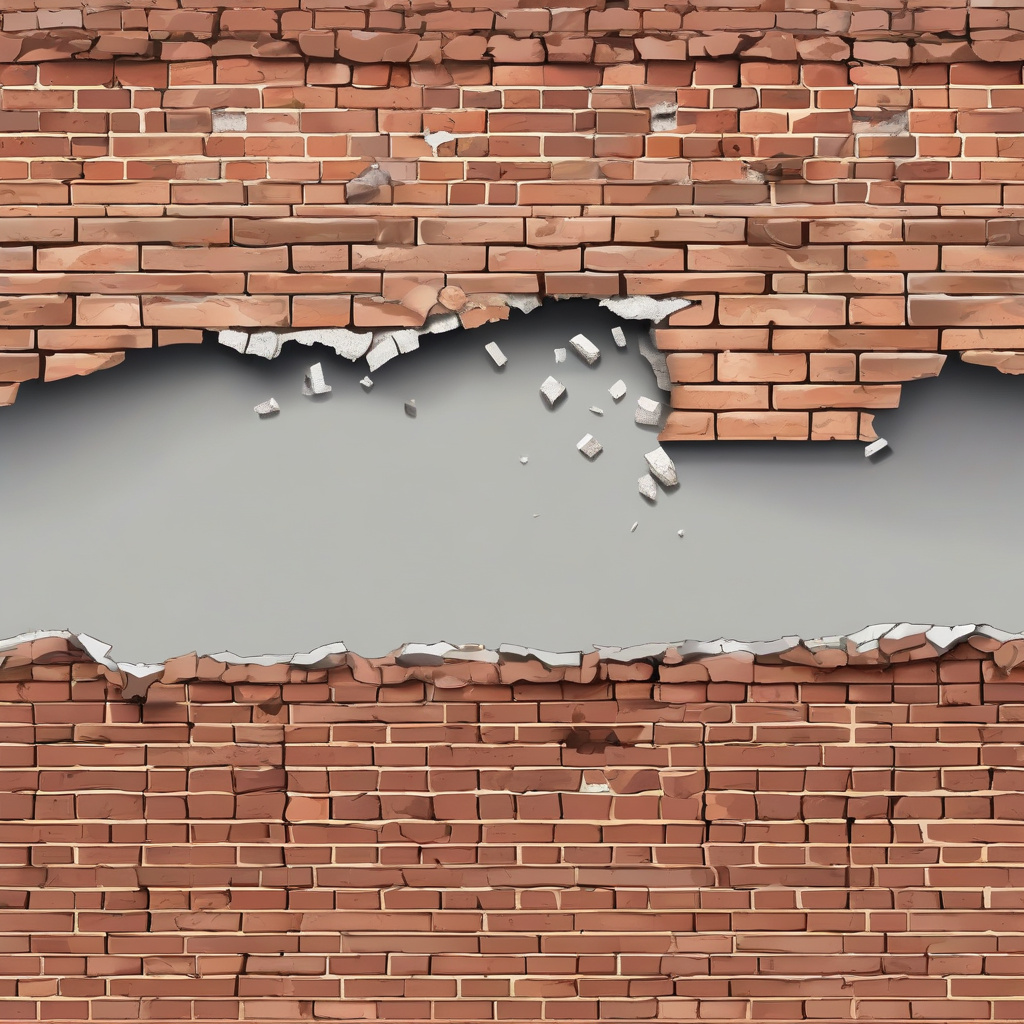
As often happens in the ever-evolving world of home renovation, trends come and go with the seasons. Yet one style that has steadfastly remained cherished by designers and homeowners alike is the rustic charm of torn brick. In recent years, Los Angeles has seen a rise in the use of this material as a cornerstone of interior design, offering a uniquely raw aesthetic that effortlessly breathes warmth into any space.
Brief summary: Torn brick is making waves in interior design, prized for its rustic appeal and versatility. In this article, we’ll explore choosing the right brick, tips for installation, comparative materials, and practical inspiration, especially for renovations in Los Angeles. Embracing torn brick can transform spaces, offering both aesthetic charm and functional benefits.
What you should know about torn brick in interior design
Torn brick, as the name suggests, is characterized by its rough-hewn edges and worn texture. This building material brings an element of the outdoors inside while evoking a sense of history and timelessness. In Los Angeles, where architectural styles vary widely, torn brick finds its place from downtown lofts to suburban homes. It’s no surprise this unassuming material has captured the imagination of local homeowners who appreciate both its aesthetic and functional qualities.
One of the undeniable benefits of using torn brick is its inherent durability. The material naturally withstands the hustle and bustle of a busy household, making it a great option for high-traffic areas. Beyond its practical strengths, torn brick serves as a versatile design solution, lending itself to various styles from industrial to shabby chic.
Yet, it’s important to understand what incorporating torn brick into your home entails. The material not only elevates the visual intrigue of a space but also requires careful consideration when it comes to installation. Homeowners might weigh their options against alternatives like drywall or wood paneling, both of which offer different aesthetic and functional experiences. For more comparisons in exterior home decoration, explore the benefits and uses of DSP panels.
Ultimately, the integration of torn brick offers a robust combination of lasting quality and style potential, ideal for creatively expressing one’s personal taste. As many local homeowners notice, it stands the test of time while adapting to the evolving world of design aesthetics.
How to choose the perfect torn brick for your space
Choosing the right torn brick for your interior design project can initially seem daunting. However, understanding the nuances of styles and finishes can facilitate a more informed decision process. Start by considering the vibe you want to create. Are you dreaming of a loft-style apartment that screams New York City, or a cozy cottage nestled in the hills of the English countryside?
The type of torn brick you choose should reflect the desired atmosphere. For instance, classic red bricks work well for achieving a warm, inviting look, while grey or white bricks often complement modern, minimalist designs. As you consider your choices, remember the ongoing balance between aesthetics and functionality. The right brick for your project doesn’t just fit the design criteria but also considers installation practicality.
A pivotal decision factor is finish and texture, which can dramatically influence the overall look of your space. Smooth finishes offer an understated elegance, while rougher textures impart a rustic charm. The climate of Los Angeles, with its frequent temperature shifts, also complements bricks that offer thermal regulation benefits.
Finally, don’t overlook the importance of sourcing. Look for local suppliers where feasible, as it reduces transportation costs and supports the local economy. As with any home renovation project, taking the time to choose carefully can yield results that enhance your home for years to come. When reaching a decision, factor in both personal preference and meticulous planning to ensure the perfect fit for your space.
Key considerations for installation
Installation of torn brick can transform a section of your home drastically. First and foremost, ensure that you have a reliable professional to handle the job, as brickwork requires a specific skill set. Without the right expertise, even the most beautifully chosen materials may not reach their full potential.
Placement within the home is equally critical. Feature walls within living rooms or kitchens, where natural light can accentuate the material’s texture, often make ideal canvas spaces. Alternatively, consider using the brick as a backsplash or a focal point in the bathroom. The versatility of torn brick allows it to serve as a standalone element or as part of a cohesive design framework.
“Creating accents with torn brick not only adds texture but can visually expand a space,” suggests local designer Emily Tran. This spatial enhancement is part of what makes brickwork such a desirable element in the fast-paced Los Angeles market where space optimization is key.
No matter where you choose to install, ensure that the brick is adequately sealed to prevent moisture penetration. This fundamental step enhances longevity and preserves the beauty of the material. Consider exploring grouting plaster tips and techniques to achieve the perfect finish that complements your installation.
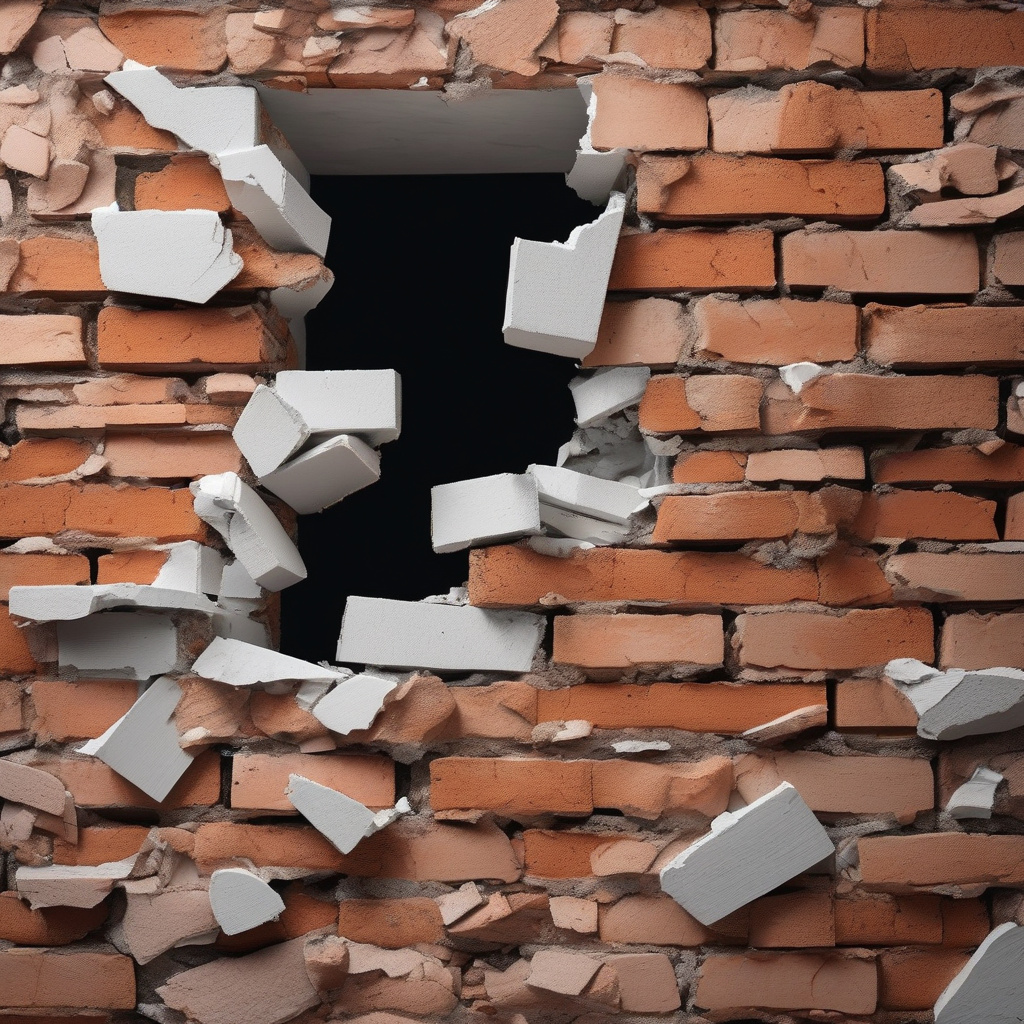
When it makes sense to use torn brick for renovations
Before diving into a renovation project featuring torn brick, it’s crucial to assess whether this particular material makes sense for your space. There are several factors to consider, including the existing architectural style, available budget, and overall maintenance requirements. Each of these elements plays a critical role in the success of your remodeling endeavor.
Torn brick shines in spaces designed to spotlight texture and character. Older homes, with their historic and often eclectic presence, naturally lend themselves well to this design choice, accentuating the intrinsic charm already present. However, even in modern spaces, the right application of torn brick can evoke an element of surprise and delight.
On the flip side, owners of homes with minimalist, ultramodern themes might find brick’s traditional appeal clashes with sleek lines and clean surfaces. Understanding the harmony—or discord—between torn brick and your current space can greatly influence the project’s outcome.
Cost is another consideration, as rough brick installations might offer different price points depending on sourcing and customization. It’s helpful to explore options and consult professionals who can provide insights into potential expenses and benefits. Consulting a roof repair specialist in California may also provide guidance on seamless material integration.
Comparing design options and cost implications
| Design Option | Estimated Cost | Suitability |
|---|---|---|
| Traditional Red Brick | $$ | Best for classic, warm spaces |
| Textured Grey Brick | $$$ | Ideal for modern, industrial vibes |
| Smooth White Brick | $$$$ | Optimal for minimalist settings |
Selecting the correct style and finish, as illustrated above, can influence not just budgetary constraints but also timeless appeal in home design. As with any significant renovation, weighing these factors will guide a satisfying and sustainable result.
Balancing advantages and risks
Opting for a torn brick interior leans heavily on a delicate balance of advantages and risks. The advantages, as often touted by renovation enthusiasts, range from the aesthetic uplift in your home’s ambiance to the durability and variety that brick affords. A thoughtfully designed brick installation can serve as both a centerpiece and a subtle backdrop, complementing various decor styles.
On the risk side of the spectrum, potential pitfalls include improper installation and maintenance challenges. Brick, despite its resilience, can succumb to environmental influences like moisture or mold without proper treatment. It thus becomes vital to ensure sealing and upkeep are part of your renovation conversations.
Addressing these risks begins with selecting experienced professionals who can navigate the nuances of working with torn brick. They bring the necessary expertise to tackle issues from installation through ongoing maintenance, offering peace of mind that your investment is protected.
Moreover, maintenance considerations, from regular cleaning to occasional sealing, should not be undervalued. The success of your torn brick interior ultimately hinges on these pillars of preparation and upkeep.
According to a recent survey, 67% of homeowners who prioritize professional installation report higher satisfaction with their renovation results.
Crafting an inspiring brick-based design
Integrating torn brick into your home involves more than just following trends. It’s about crafting a story within your space, one that tells of personal taste and lifestyle. In Los Angeles, where diversity in design reigns supreme, incorporating torn brick can elevate a home from ordinary to extraordinary.
For inspiration, look no further than real-life projects gracing Los Angeles’s eclectic neighborhoods. In a bustling downtown loft, exposed brick walls might dance in natural light, juxtaposed with stainless steel appliances and sleek, modern furniture. In contrast, suburban homes might use brick to highlight a fireplace, adding a cozy, inviting touch to a family room.
The versatility of brick ensures that it can seamlessly blend with other materials. Consider pairing a torn brick wall with a vibrant splash of barite plaster for a unique visual contrast. The result is an immersive, dynamic space brimming with personality and function.
Ultimately, a brick-based design thrives on creativity and bold ideas. Whether you’re seeking to bring warmth to a living room or to define the aesthetic of an open-plan space, torn brick serves as a trusty ally, bridging the gap between past and present design trends.
Julian Martinez, a well-regarded interior designer, notes that “the beauty of brick lies not only in its appearance but in its ability to adapt, evolve, and enrich the story of a home.”
Final thoughts: Making torn brick your own
As you embark on your journey to incorporate torn brick into your home, remember that each choice you make reflects a piece of your unique taste. Successful renovations combine careful planning, creative vision, and an understanding of the practical elements involved.
Torn brick’s timeless appeal, durable nature, and transformative effect make it a valuable addition to any home. By balancing aesthetics with functionality and cautiously navigating the myriad of available options, you can ensure your space reflects both beauty and substance.
Whatever your vision may be, torn brick offers a canvas upon which your home can genuinely express its character, welcoming you into a space that feels authentically yours. With the insights shared along the way, you’re ready to embark on a renovation journey filled with possibility.
“The versatility and rugged charm of torn brick make it a favorite among designers seeking to blend classic ambiance with contemporary vision,” states industry expert Clara Jensen.
- Test the durability and aesthetic versatility of torn brick in interiors.
- Consider personalized styles, finishes, and associated costs.
- Ensures professional installation for optimal results.
- Remember maintenance steps to prolong beauty and function.
- Use creative pairing with materials like barite plaster for dynamic spaces.
FAQ
What exactly is torn brick and how is it different from regular brick?
Torn brick refers to bricks that have been intentionally damaged or have rough edges to create a rustic, worn appearance. This is achieved by chipping or breaking regular bricks, giving them a unique look that many find appealing for interior design. In real renovation projects, it often becomes clear that the texture and irregularity of torn brick can add depth and character to a space, unlike the uniformity of traditional bricks. A common misconception is that torn bricks are weaker, which isn’t necessarily true; they offer the same durability but with added design flair.
How can I effectively choose the right torn brick for my interior design project?
Choosing the right torn brick involves considering the color, size, and texture that will complement your existing decor. Many experts point out that examining samples in the actual lighting conditions of your space is crucial. For instance, torn brick with reddish hues might work well in a rustic kitchen, while grayer tones can suit contemporary living rooms. Don’t underestimate the importance of seeing how these bricks interact with other design elements like wood or metal accents before making your final decision.
When does it make sense to use torn brick in a renovation?
Incorporating torn brick makes sense in renovations where homeowners desire a unique and inviting atmosphere. It’s particularly effective in older properties undergoing renovation, where maintaining a historical feel is desired. In real homes, torn brick can work wonders by transforming a bland wall into a focal point. However, it may not be the best option in spaces where an ultra-modern look is preferred, like high-gloss, minimalistic interiors.
What are common mistakes to avoid when installing torn brick?
A common mistake in installing torn brick is neglecting proper surface preparation, which can lead to poor adhesion. In practice, ensuring the wall is clean, dry, and level is crucial before laying brick. Homeowners frequently underestimate this aspect, resulting in bricks that don’t lay flat or securely. Additionally, failing to seal bricks post-installation can allow moisture issues, particularly in places like bathrooms or kitchens, where humidity is a concern.
How much does it typically cost to use torn brick in a renovation?
The cost of using torn brick can vary widely depending on the quality of brick and the complexity of the installation. On average, you might expect to pay between $8 to $15 per square foot, including materials and labor. Many people find that the visual impact is well worth the cost, especially in spaces that benefit from rustic charm and character. For those considering getting a detailed quote or consultation, it’s advisable to reach out to professionals who can provide tailored advice based on your specific requirements; California homeowners can arrange a consultation for guidance.
What are the pros and cons of using torn brick in interior design?
Torn brick offers notable benefits, such as adding character and a warm, inviting look that can enhance both rustic and contemporary settings. It’s durable, easy to maintain, and brings a unique aesthetic to areas like accent walls or fireplaces. However, there are limitations, such as the potential for higher costs and the need for professional installation to achieve the desired result. Additionally, torn brick can be challenging to fit into minimalist themes, where clean lines are preferred.
How do I maintain torn brick to ensure its longevity?
Maintaining torn brick involves regular cleaning to remove dust and debris, using a brush or vacuum. Sealing is also essential to protect against moisture and staining; a high-quality brick sealant should be applied according to the manufacturer’s instructions. Many homeowners also choose to repaint or seal their torn brick every few years to keep it looking fresh. A practical tip is to address any emerging issues, such as chipped bricks or mortar deterioration, promptly to prevent more significant problems down the line.
Are there any specific regional considerations in using torn brick, particularly for California homes?
In California, where seismic activity is a concern, it’s essential to ensure that torn brick installations comply with local building codes and standards to enhance structural integrity. It’s wise to consult with contractors who understand regional conditions. For instance, in areas with higher humidity or coastal air, sealing and maintaining brick becomes even more crucial to prevent water intrusion. Additionally, in single-family homes or newer builds, choosing a torn brick style that complements both historical and modern aesthetics can enhance home value while aligning with diverse Californian architectural styles.