In the sprawling metropolis of Los Angeles, where space is as coveted as sunshine, homeowners are often faced with a pivotal decision: should they add a second story to their existing home or opt for an Accessory Dwelling Unit (ADU) instead? Each option has its distinct advantages and challenges, ranging from structural requirements and cost implications to lifestyle benefits. How do the financial figures stack up, and what should homeowners prioritize for their long-term dreams?
Brief summary: This article delves into the financial and structural considerations of adding a second story versus building an ADU, guiding Los Angeles homeowners through the costs, benefits, and lifestyle implications of each. It analyzes the local renovation trends, including practical homeowner insights and cost breakdowns to aid informed decision-making.
The Cost Quandary: Building Up or Building Out?
When embarking on home renovations, the most pragmatic question often boils down to budget. Adding a second story typically involves more structural reinforcement to support the additional weight. This enhancement can easily double or triple the price tag compared to a ground-level ADU. In Southern California, the structural complexities and local building codes mean second-story additions can cost upwards of $300 per square foot, ballooning after permits, engineering, and design fees.
Conversely, ADUs offer a potentially more economical expansion, often priced between $150 to $200 per square foot. Furthermore, with California’s ADU-friendly legislation, many homeowners find this route quicker and smoother in terms of approvals. For a comprehensive overview of the procedure and costs, explore this detailed guide on home additions.
But these initial cost estimates don’t always tell the full story. Ongoing expenses such as utility adjustments and long-term maintenance can tilt the scale. It’s crucial to weigh potential returns and lifestyle implications.
Summarily, while initial costs present a stark contrast, the devil is often in the details. The true economic impact must consider long-term benefits and liabilities of each choice.
Structural and Design Dynamics
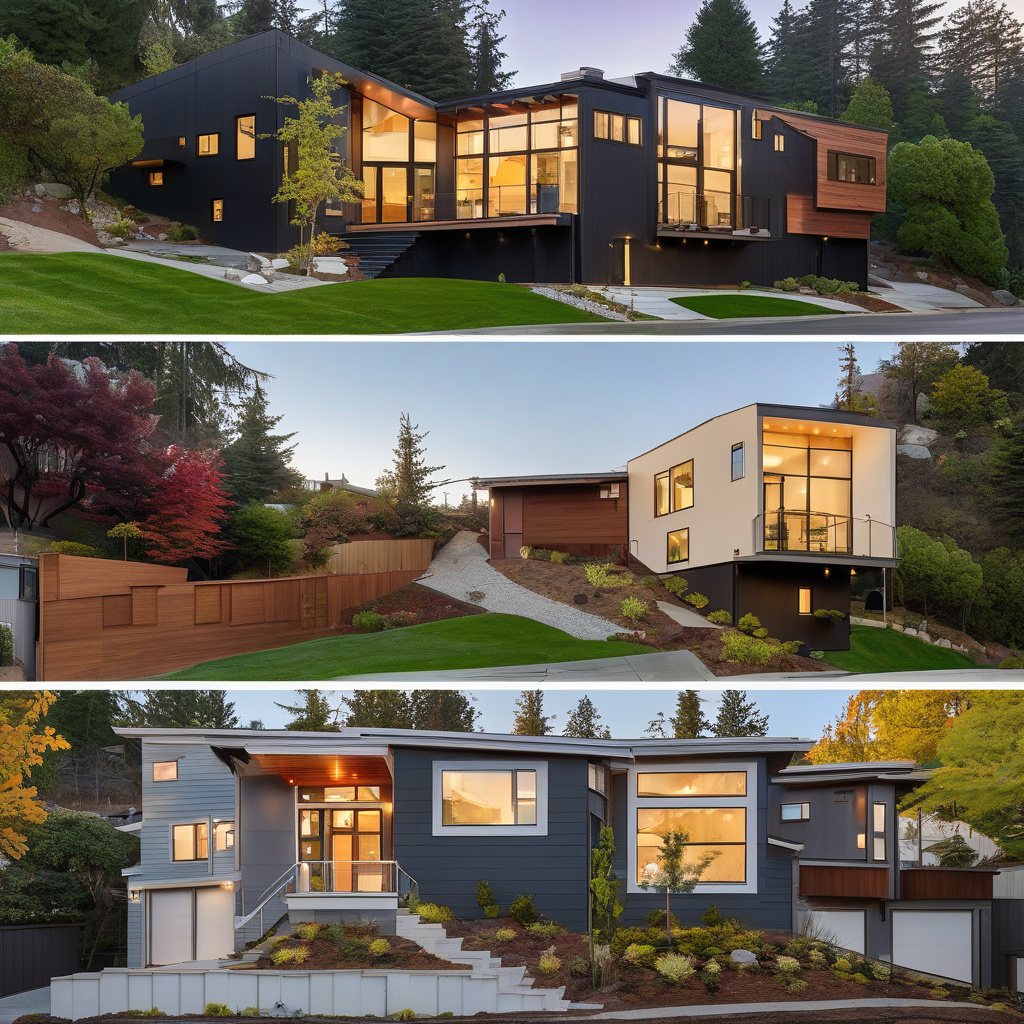
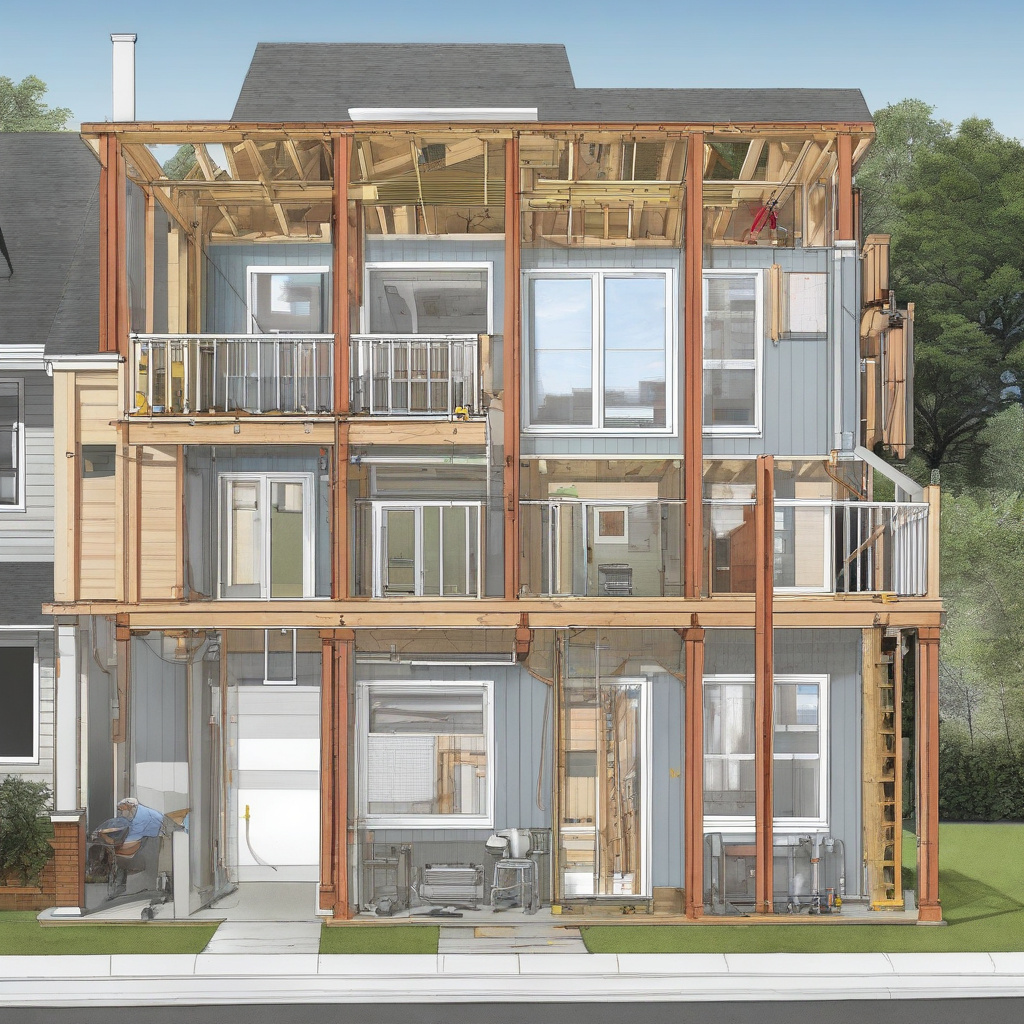
From a design perspective, adding a second story can seamlessly integrate with the existing home structure, offering additional space without expanding the building’s footprint. However, this requires comprehensive engineering assessments to ensure the foundation can bear the added load. This complexity often necessitates hiring specialized architects and engineers, which can inflate costs and timelines.
On the other hand, ADUs provide incredible flexibility in design and placement. Built as separate units, they can be tailored to a multitude of uses, from granny flats to rental dwellings. Crafting a unique stand-alone space might actually enhance your creative architectural flair. Many Los Angeles homeowners find the allure of an independent living quarter immensely appealing.
For those mulling over these architectural strategies, check out insights on boosting your property value with innovative ADU layouts in this informative piece.
In summary, while second stories integrate more holistically with existing structures, ADUs create distinct opportunities for customization and modern design innovation.
Intangible Benefits: Lifestyle and Flexibility
Beyond the blueprints and budgets, lifestyle considerations play a critical role in decision-making. A second story can offer sweeping views and improved natural light, transforming the home into an airy, open sanctuary. However, the construction process can be intrusive, often necessitating temporary relocation due to noise and structural changes.
ADUs, conversely, can offer a retreat-like escape within one’s premises. Los Angeles residents often capitalize on this by creating livable spaces for extended family or earning additional income through rentals. This offers flexibility without compromising the main dwelling space.
Ultimately, the choice between a second story and an ADU needs to reflect lifestyle preferences and future family plans, ensuring comfort and utility for years to come.
An increasing number of homeowners prefer ADUs for their ability to generate rental income, providing an average return on investment of up to 15% annually, depending on location and demand.
Understanding Materials and Methods
The construction materials and methods can notably impact both the aesthetic and cost of your renovation. Second-story additions typically employ lightweight framing and advanced insulation techniques to ensure safety and comfort. Yet, managing material logistics on heightened structures can prove challenging.
Benefits of ADU Materials
Building an ADU often integrates sustainable and modern materials such as steel, sip panels, or modular components, which can expedite construction timelines. The foundation essentially dictates much of the cost, favoring simpler construction techniques.
For a deeper dive into material choices conducive to ADUs and how they stack up against tiny homes, explore this detailed analysis.
In essence, each construction method bears unique advantages depending on specific homeowner needs, balancing durability with aesthetic appeal.
Whether it’s the draw of traditional extensions or contemporary ADUs, a well-chosen method can redefine home comfort and longevity.
Timelines and Planning Your Path Forward
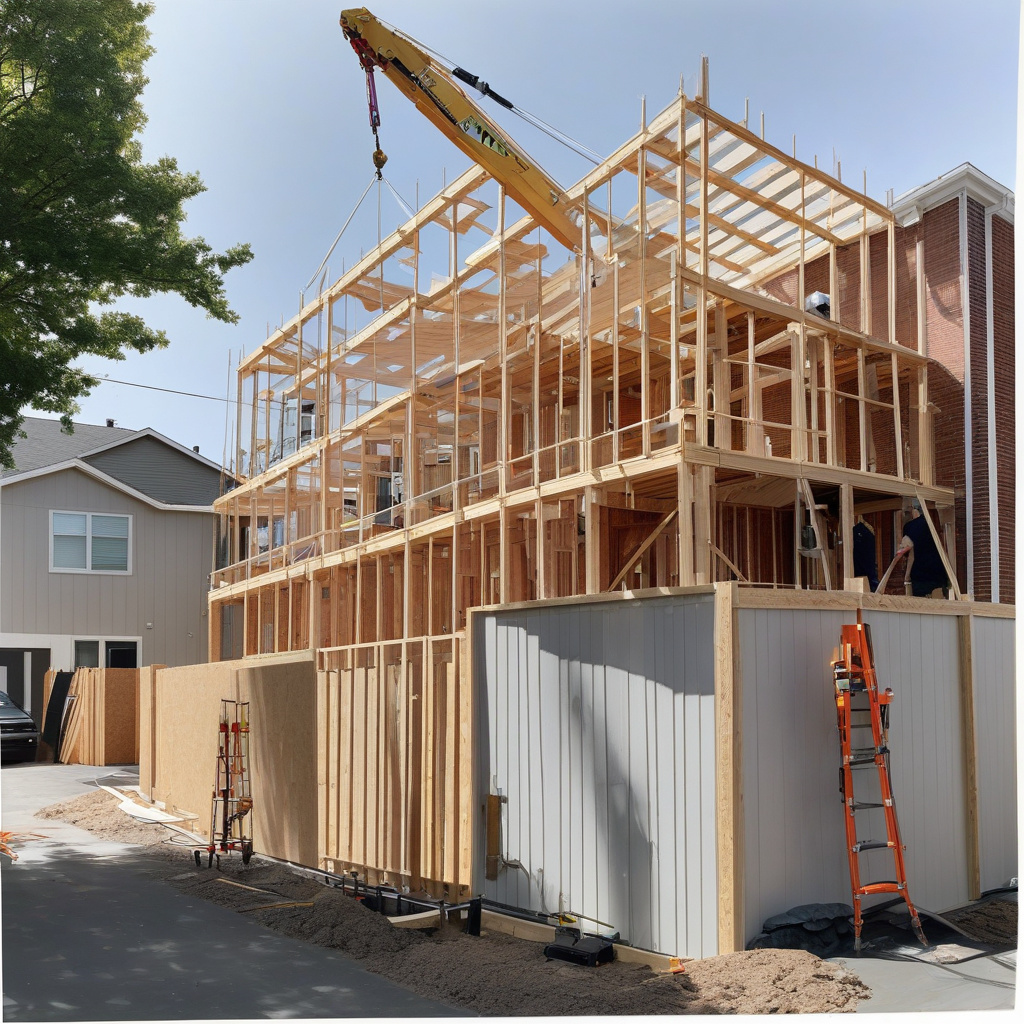
Navigating through a renovation project entails meticulous planning and a realistic timeline. Second-story additions often require extensive planning, frequently taking six months to over a year from conception to completion. This encompasses everything from permits and design to the actual build.
ADUs typically achieve a swifter execution due to streamlined approval processes and modular construction capabilities, often completed within several months. Nevertheless, potential hurdles such as land assessments and landscaping must not be overlooked.
According to construction experts in California, timelines for home remodels can vary significantly, with meticulous advance planning being crucial in preventing costly overruns.
Ultimately, determining an effective project timeline involves considering the scope of work, seasonal factors, and availability of contractors.
For those eager to embark on their next renovation journey, a keen understanding of timelines helps ensure a well-managed project without unnecessary delays or surprises.

Practical Considerations: Noise, Privacy, and Safety
No renovation decision should overlook practical implications for day-to-day living. Adding a second story might amplify noise levels, necessitating additional insulation to safeguard tranquility within the home. Moreover, privacy can be affected as living quarters elevate closer to neighboring sightlines.
ADUs, when cleverly designed, provide enhanced privacy benefits, effectively separating dwelling areas. Suitable soundproofing can counteract any noise carry-over, ensuring serene cohabitation. For insights on effective soundproofing strategies for ADUs in Los Angeles, you may find this comprehensive resource indispensable.
A recent survey indicated that 70% of Los Angeles homeowners value privacy enhancements as a top priority when considering renovations.
In conclusion, while both options present unique challenges regarding noise and privacy, strategic planning and professional guidance can greatly mitigate these issues.

- ADU construction presents a cost-effective alternative to second-story additions.
- Both options offer distinct design and lifestyle benefits tailored to individual needs.
- Timelines for second-story additions are often longer due to increased complexity.
- Structural safety and noise management are critical considerations for both renovation paths.
- A thoughtful approach to planning ensures a smooth renovation process, aligning with homeowner goals.
“`html
FAQ
What are the cost differences between adding a second story and building an ADU?
In real renovation projects, costs vary significantly between adding a second story and building an ADU. Many homeowners initially believe a second story might be cheaper due to foundation reuse, but experts often highlight the extensive structural reinforcements required to support the extra weight. For instance, in older homes, updating the existing foundation and rerouting services can add substantial costs. Conversely, ADUs, especially detached ones, might appear expensive, but they often circumvent the complex structural demands of second stories. This makes them a viable option when foundation reinforcement costs for a second story escalate.
How should a homeowner decide between adding a second story or building an ADU?
Choosing between a second story and an ADU hinges on several factors. Homeowners should consider their long-term goals. If the priority is integrating space within the existing living area, adding a story might be beneficial. On the other hand, ADUs offer separate living quarters, ideal for rental income or accommodating extended family with privacy. The lot size also plays a critical role; smaller lots may necessitate building up, whereas larger properties might support a detached ADU without compromising yard space. Experts often advise considering zoning laws and future lifestyle changes before making a decision.
When does it make sense to add a second story?
Adding a second story is particularly advantageous for homeowners in densely populated areas where land expansion options are limited. It’s also practical when the existing home structure can support the additional load with minimal reinforcement. This scenario is common in homes built with modern structural methods. It’s crucial to consult an experienced engineer early on to evaluate the existing state of the foundation and frame. Moreover, when neighborhood aesthetics or local regulations favor vertical expansion, a second story becomes a strategic choice for optimizing space without altering the home’s footprint.
What are common pitfalls homeowners face when opting for a second story?
Rushing into a second-story addition without thorough preparation can lead to costly mistakes. A common oversight is underestimating the strength required for the existing structure to support new loads. This often results in budget overruns as additional reinforcements are added. Additionally, homeowners frequently miss the potential need to upgrade existing systems like electrical and plumbing, which may not handle the increased demand. Engaging with professionals who can conduct a comprehensive assessment beforehand can mitigate these risks, ensuring a smoother, less costly renovation process.
What are the pros and cons of building an ADU?
Building an ADU offers distinct benefits, such as increased property value and the potential for rental income, which is particularly attractive in places like Los Angeles. ADUs also offer flexible living arrangements, accommodating family members while offering privacy. However, they require compliance with zoning regulations and often necessitate creative solutions to fit within lot size constraints. Many homeowners overlook the ongoing maintenance and higher utility costs associated with a completely separate living unit. Despite these challenges, those who plan well can turn an ADU into a lucrative and versatile addition to their property.
How does adding a second story affect a home’s structural requirements?
Adding a second story often necessitates significant upgrades to a home’s structural framework. In practice, this means reinforcing or even completely replacing the existing foundation to bear the additional weight. Building codes typically require a thorough inspection by structural engineers to evaluate current load capacities. Many older homes may have foundations or framing that are not initially designed for vertical expansion, thus requiring a complex build-up of girders and supports. Addressing these structural needs is critical, ensuring safety and compliance with local codes while adding living space.
What lifestyle benefits do homeowners gain from an ADU compared to a second story?
The lifestyle benefits of an ADU vs. a second story largely depend on personal priorities. ADUs provide separate living spaces, perfect for multigenerational living or rental opportunities, offering a mix of privacy and proximity. In many newer property expansions, this separation helps families maintain harmony. In contrast, a second story seamlessly integrates into existing living areas, which is ideal for families desiring more cohesive interactions. This integration means fewer transitional barriers within the home, often preferred by those valuing shared space. To evaluate what’s best for you, consider your family dynamics and whether income potential or enhanced interaction takes precedence.
What are typical mistakes homeowners make with ADU projects?
Homeowners often dive into ADU projects without full awareness of necessary approvals and potential hidden costs. A frequent error is misunderstanding zoning restrictions, which can lead to project halts or costly redesigns. Moreover, underestimating the cost of utilities and accessibility accommodations can strain budgets unexpectedly. For a smoother project experience, it’s advised to engage local planners and experienced contractors early in the process. To discuss specific zoning queries or project challenges, reach out to professionals whose expertise aligns with your needs and to find local insights customized to your renovation needs.
“`