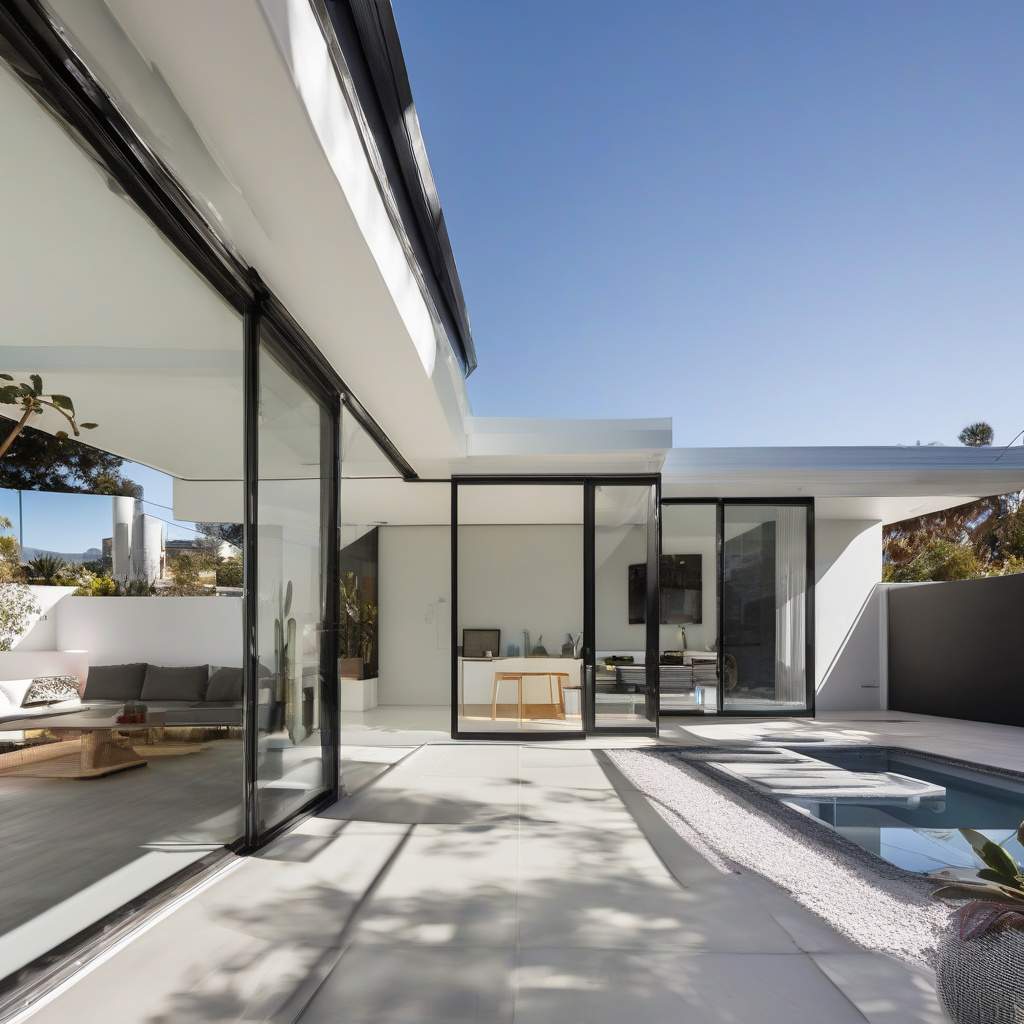
As the sun relentlessly beats down on the sprawling metropolis of Los Angeles, energy costs mount for homeowners battling to keep their homes cool. Fortunately, emerging trends in roofing technology offer a solution. Enter the era of “cool roofs,” a term gaining momentum in LA’s architectural circles. These innovative roofs utilize reflective coatings, bright shingles, and energy-efficient membranes to counteract the city’s oppressively hot summers, effectively reducing attic temperatures and subsequent air conditioning costs.
Brief summary: This article explores the rise of cool roofs in Los Angeles as a method to combat escalating air conditioning costs during summers. It investigates various roofing technologies, their benefits, homeowner experiences, and practical steps for adoption, supported by industry insights and statistical data.
The Growing Appeal of Cool Roofs in LA
Los Angeles, a city renowned for its sunshine and cinematic allure, is experiencing a seismic shift beneath its very rooftops. Cool roofs are increasingly viewed as a crucial investment for those aiming to mitigate the effects of relentless heat waves. By harnessing reflective technologies, these roofs deflect more sunlight away, lessening heat absorption and effectively cooling down properties.
For many Angelenos, the appeal is not merely environmental but economic. The financial benefits are manifest in monthly energy bills. By reducing a home’s reliance on air conditioning systems, cool roofs can cut energy costs significantly. It’s an option more homeowners are seriously considering, heralding a move towards sustainable living in this sun-soaked region. Explore the underlying developments that underpin these renovations.
Urban planners in LA are actively encouraging the adoption of cool roofs, seeing them as a vital component of the city’s green agenda. Neighborhoods throughout Los Angeles are witnessing transformations as cool roof projects rise, pointing towards a collective shift in urban design that prioritizes environmental adaptability.
As many local homeowners notice, incorporating these technologies can be a game-changer in areas prone to intense summer temperatures. The effect is twofold: comfort within the home and a tangible decrease in energy expenditures.
To summarize, the uptake of cool roofs is both a cultural evolution and a pragmatic move towards energy efficiency, setting a precedent that other regions with similar climates may well follow.
Material Choices: Shingles, Membranes, and More
When it comes to selecting the ideal cool roof, Los Angeles homeowners are spoiled for choice. Each material option offers unique benefits and aesthetic appeal, allowing homeowners to tailor their choices to individual preferences and requirements.
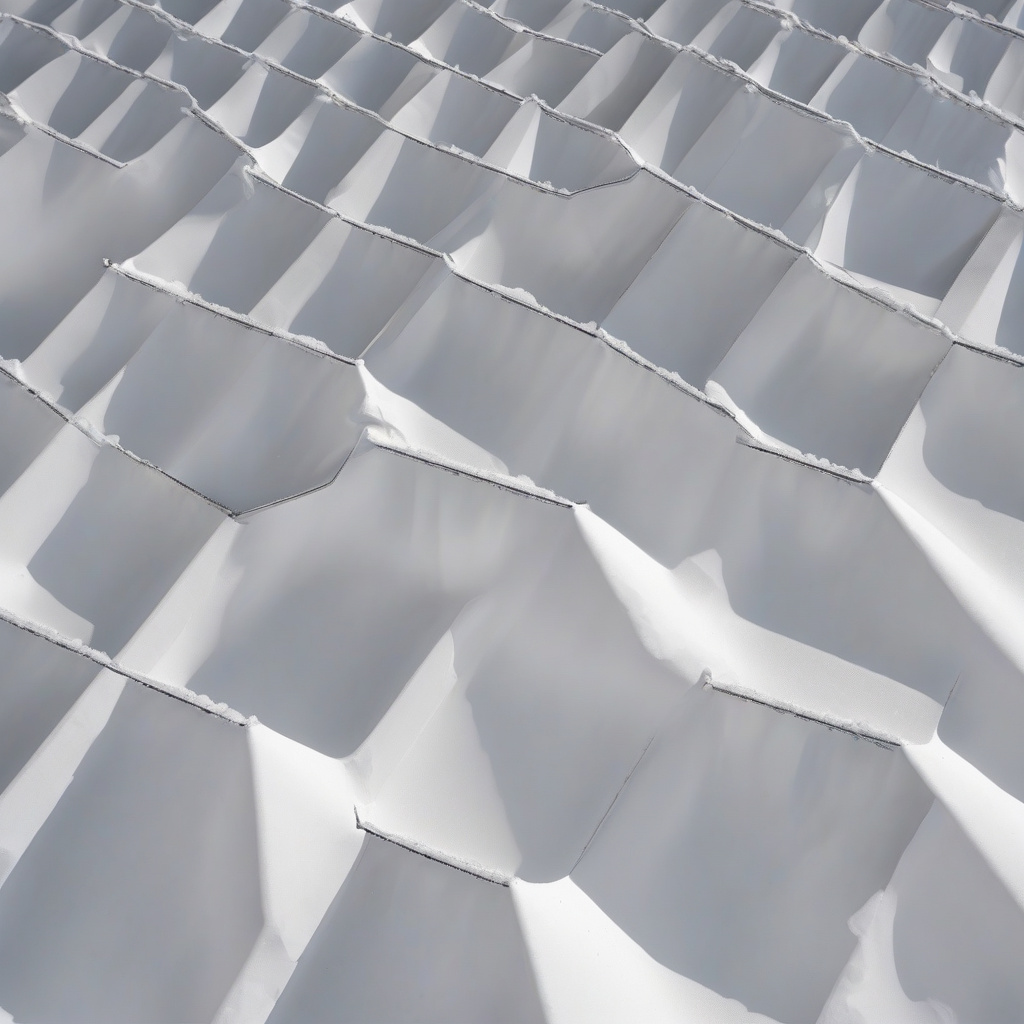
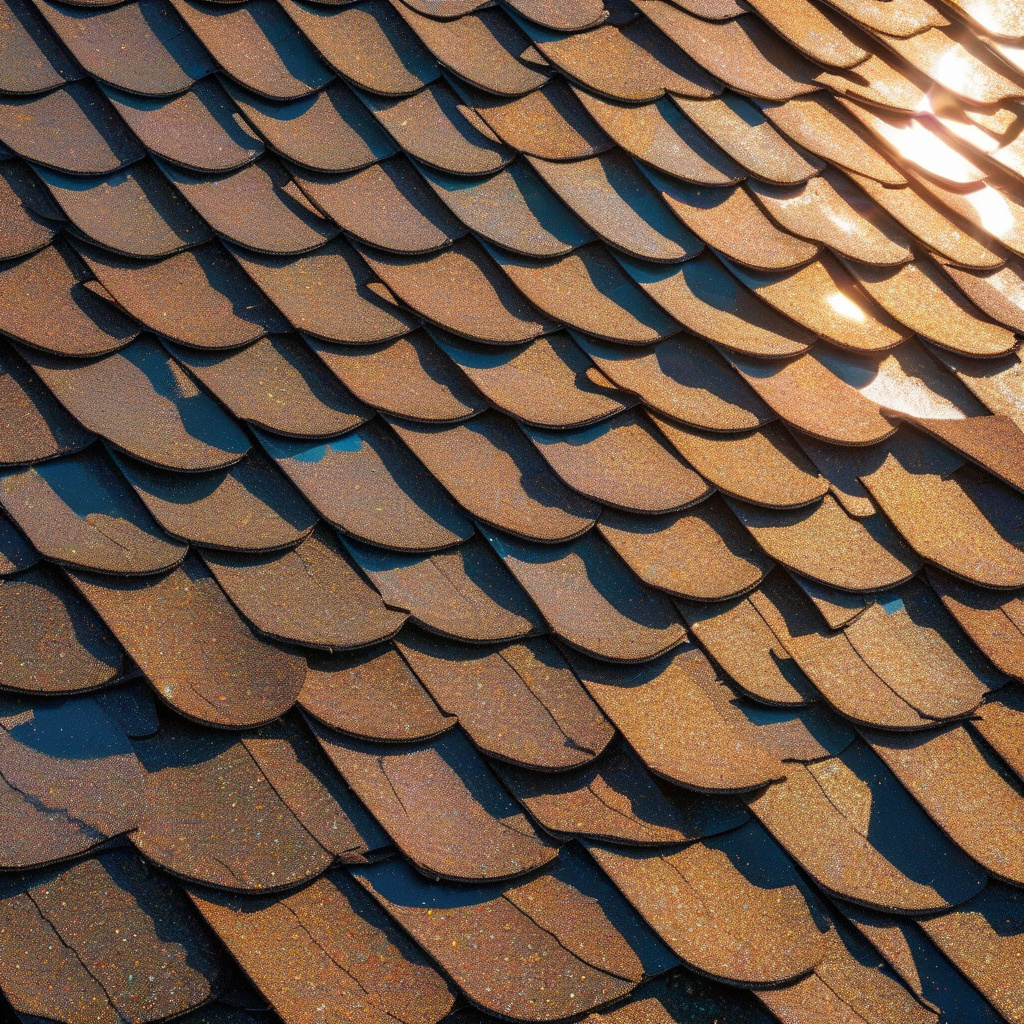
Reflective coatings are one of the most popular choices, with their ability to deflect sunlight efficiently. Alongside them, bright shingles provide not just a temperature solution but an appealing visual complement to many modern homes. Discover how different roofing materials compare in cost and efficiency.
Then there are energy-efficient membranes, which are favored for their insulating properties. These membranes work to stabilize indoor temperatures, ensuring that the chill of air conditioning can linger longer, thus reducing the frequency and duration of AC operation.
Reflecting on renovation stories from across LA, homeowners investing in these materials report marked differences in their energy usage. It’s an element that can’t be understated, as these materials translate directly into monetary savings.
Ultimately, selecting the right mix of materials involves balancing aesthetic desires with functional needs, and for many, the rewards infinitely outweigh the initial costs involved.
Understanding Cool Roof Costs and Installation Techniques
A critical factor for those considering this transition is understanding both the upfront and long-term costs. Not only can initial investments vary widely based on materials and roof complexity, but the savings achieved through reduced energy bills are crucial for homeowners scrutinizing value for money.
On average, cool roof installations can save LA homeowners up to 20% on air conditioning costs during peak summer months.
Installation techniques have evolved significantly, too. Professional contractors in the region have adapted to the specific challenges posed by cool roof installations, ensuring homeowners get the most from their investment without disrupting the structural integrity of their homes. For meticulous comparisons between existing roofing solutions, review roofing inspection insights for informed decisions.
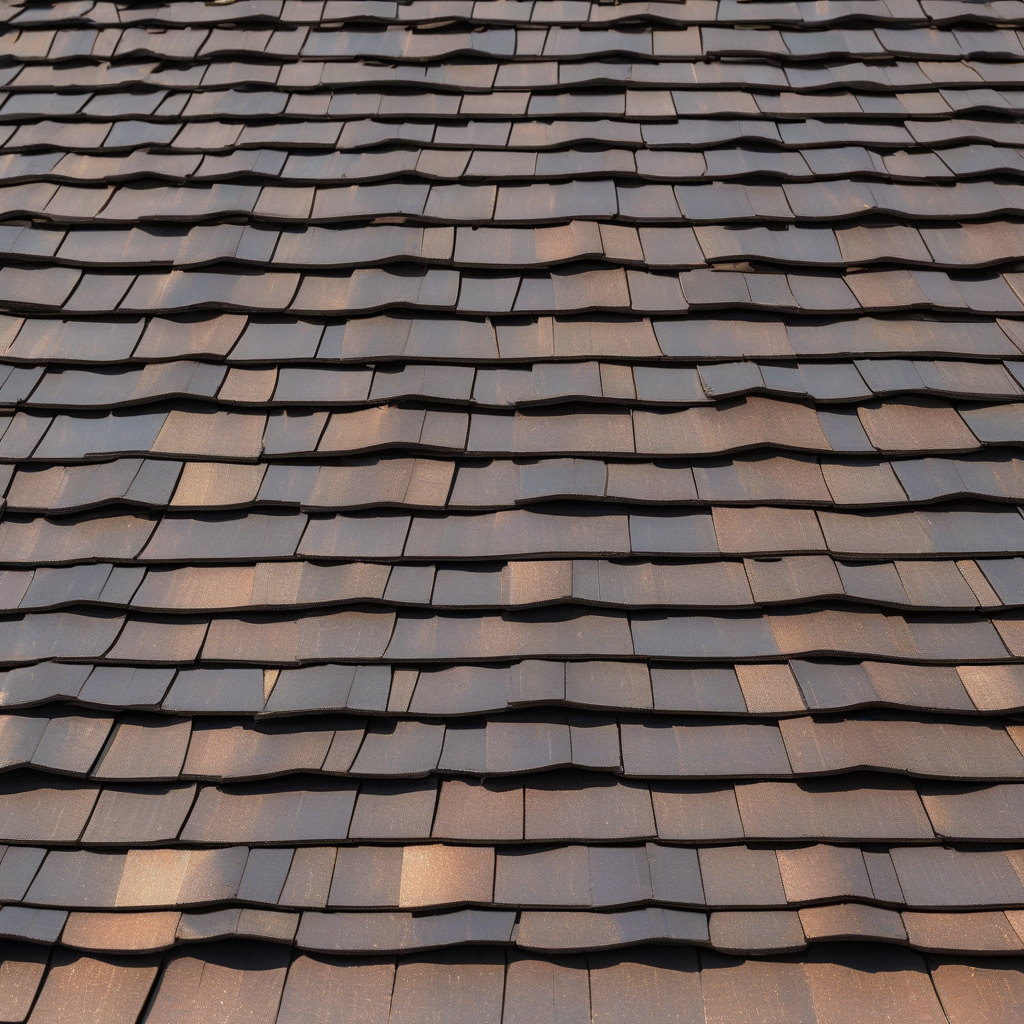
Timelines for installation can range from a few days to several weeks, depending on the size of the property and complexity of the design. It’s advisable for homeowners to plan installations during months when weather impacts are minimized to avoid delays.
Ultimately, careful research and planning are vital steps for any homeowner embarking on this renovation journey, ensuring peace of mind that their financial outlay will equate to long-term benefits.
A Comparison of Cool Roof Options
Choosing the right cool roof can feel like navigating a maze, but comparing available options can simplify the decision-making process. Below is a breakdown of some mainstream selections, highlighting their respective benefits and costs:
| Material | Cost Range (per sq ft) | Cooling Efficiency | Installation Time |
|---|---|---|---|
| Reflective Coatings | $0.75 – $1.50 | High | 1-2 days |
| Bright Shingles | $1.50 – $2.50 | Moderate | 2-4 days |
| Energy-Efficient Membrane | $3.50 – $5.00 | Very High | 1-2 weeks |
For many, reflective coatings are an economical choice that delivers appreciable cooling benefits quickly. Meanwhile, energy-efficient membranes, though costlier, provide exceptional insulation that may appeal to those with long-term sustainability in mind.
Ultimately, the choice strikes a balance between initial costs and anticipated returns, guiding homeowners towards the option that best suits their needs.
Risks and Rewards of Installing Cool Roofs
Undertaking any home renovation comes with an inherent set of risks and rewards. When it comes to cool roofs, these elements manifest in both the financial and environmental realms.
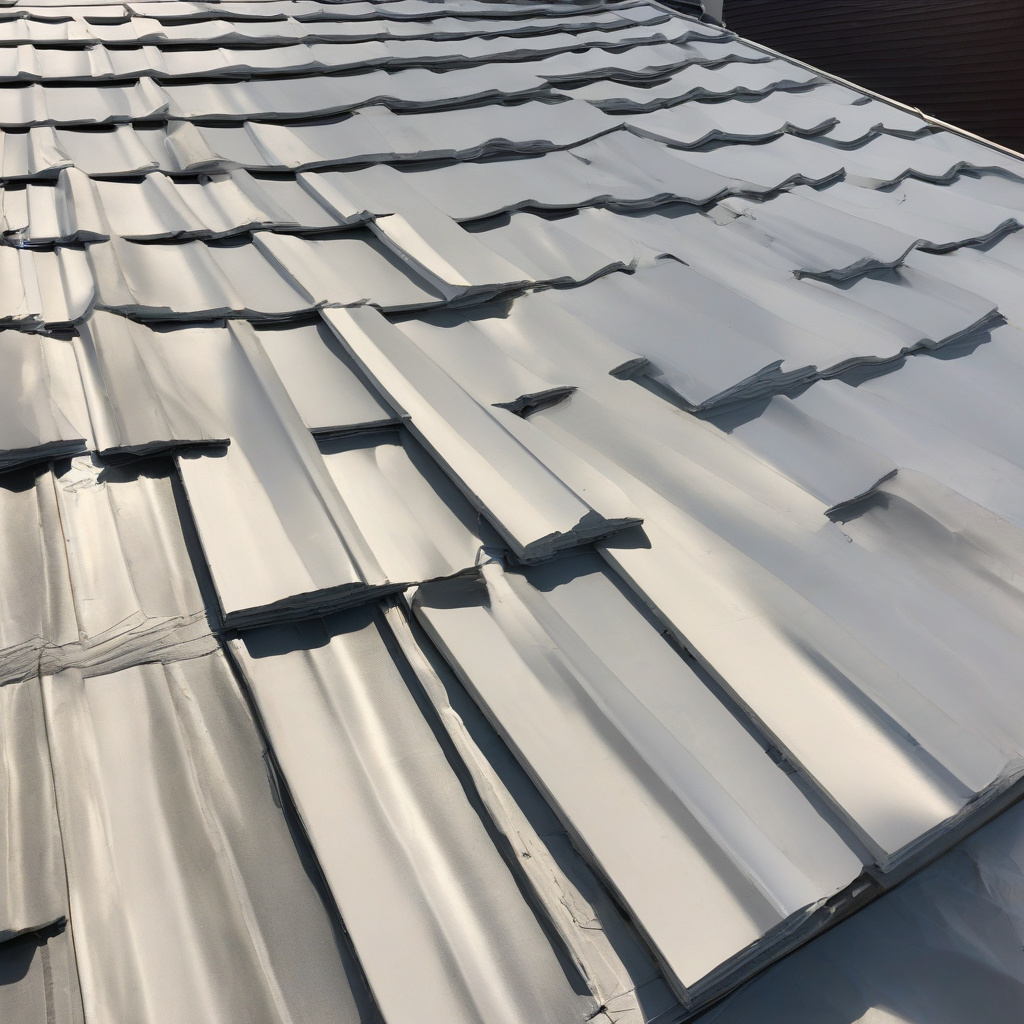
The standout benefit is undeniably the reduction in energy consumption, which not only equates to lower monthly bills but also contributes to a reduced carbon footprint. Passionate environmentalists welcome this as a substantial reward.
However, risks can arise if installations are not undertaken meticulously. Improper roofing techniques can lead to leaks or inadequate insulation, turning a potential benefit into a complication. Homeowners must ensure they choose experienced, reputable contractors to safeguard against such pitfalls.
Experts in the field advise that proper material selection and installation precision are critical to harness the full benefits of cool roofs, minimizing potential downsides.
Despite these risks, the overall financial and environmental incentives offer compelling reasons for homeowners to consider this growing trend. Ultimately, the rewards—for both wallet and planet—typically outweigh the risks when approached correctly.
Practical Steps to Planning Your Cool Roof
For those ready to embrace the cool roof movement, it’s essential to take systematic steps towards effective planning and execution. This journey from consideration to completion begins with thorough research and ends with regular maintenance.
Firstly, homeowners should educate themselves on the different materials and technologies available. Understanding the nuances of each option is critical. Engaging professional consultants can provide expert insights and tailor advice to individual home needs.
Secondly, work with a reputable contractor familiar with the unique requirements of cool roof installations in LA’s climate. Scheduling a pre-installation inspection is a crucial step, ensuring all preparatory measures are well understood and executed.
Once the installation is complete, homeowners are advised to establish a routine inspection plan to maintain the roof’s efficiency over time. This ensures longevity and optimizes the return on investment.
Embracing cool roofs is a significant step towards eco-friendly living, and with the right preparation and ongoing care, it represents a wise and sustainable home improvement.
- Cool roofs are gaining popularity in Los Angeles for their energy-saving potential.
- Reflective coatings, bright shingles, and membranes are key materials offering varied benefits.
- A properly installed cool roof can reduce air conditioning costs by up to 20%.
- Understanding material costs, benefits, and potential risks is essential before installation.
- Structured planning and partnering with experienced contractors ensure optimal results.
“`html
FAQ
What are cool roof options available in LA?
In the diverse and rich architectural landscape of Los Angeles, cool roof options are increasingly popular for their energy-efficient benefits. These typically include reflective coatings, bright shingles, and specialized membranes. Reflective coatings, often white or light-colored, effectively bounce off sunlight to reduce heat absorption. Bright shingles are crafted from asphalt but come with granules that enhance reflectiveness. Meanwhile, energy-efficient membranes composed of rubber or thermoplastics are frequently used in newer builds or flat-roof constructions due to their beneficial insulating properties. In LA’s intense summer heat, these options can dramatically lower attic temperatures, reducing the overall strain on air conditioning systems during peak months.
How to choose the best cool roof for my home?
Selecting the ideal cool roof for your home involves considering several factors. In real-world renovations, it’s vital to assess both the structure’s age and its specific needs. For older homes, reflective coatings might be more suitable due to their compatibility with various existing materials. However, modern structures often benefit from energy-efficient membranes for their superior insulation qualities. A common oversight is not considering the aesthetic impact. Homeowners often prioritize function over form, neglecting the harmony of the roof’s appearance with the rest of the home. Consulting with an experienced contractor can provide the needed perspective and balance between functionality and curb appeal.
When does it make sense to install a cool roof?
The decision to install a cool roof is especially strategic during roof renovations or if your existing roof is nearing the end of its lifespan. In climates like LA, where the sun relentlessly beats down, cool roofs offer substantial energy savings in scorching summer months. Through real renovation experiences, many homeowners have realized that their air conditioning costs drop significantly after installing a cool roof. This reduced energy use is not just cost-effective but also environmentally friendly, contributing to a more sustainable household. Timing installations right before peak summer can ensure you reap the immediate benefits of reduced cooling demands.
What are common mistakes when installing cool roofs?
Many homeowners inadvertently make a few missteps when opting for cool roofs. A frequently observed mistake is neglecting regional climate variations when choosing materials. While cool roofs excel in sunny climates, incorrect types in cooler, less sunny areas might not be advantageous. Additionally, improper installation can negate the energy-efficiency benefits. In real projects, improper sealing of membranes is a typical failure point, leading to leaks and reduced performance. To avoid these pitfalls, it’s vital to hire contractors with specific experience in cool roof installations, ensuring they bring both knowledge and skill to your renovation project.
What are the cost considerations of a cool roof?
Cost is undoubtedly a significant factor for any home renovation, and cool roofs are no exception. In LA, the costs can vary widely depending on the material choice and the size of the roof. Reflective coatings tend to be more affordable upfront but may require more frequent maintenance. Bright shingles can be similarly priced to standard shingles but offer long-term savings through reduced cooling costs. Membranes usually have a higher initial outlay but deliver superior insulation, which can result in notable savings on AC bills over time. Many experts suggest weighing these initial costs against long-term energy savings to discern real value. To navigate these options effectively, consider an [inquiry with professionals for estimates and advice on specific cost elements and choices](https://californiarenovation.top/contact/).
What are the pros and cons of cool roofs?
Cool roofs present several tangible benefits, particularly in regions like LA. They significantly reduce attic temperatures, thus lowering energy bills and lessening dependence on air conditioning. This not only saves money but also extends the lifespan of HVAC systems. However, there are some downsides. Over time, dirt and biological growth might diminish the reflectivity of cool roofs, necessitating regular maintenance. Additionally, in the winter months, the energy savings can be less pronounced as the resistance to heat loss isn’t as beneficial as it is during the summer. Despite this, the overall year-round cost efficiency typically outweighs these drawbacks.
What is the maintenance required for a cool roof?
Maintaining a cool roof involves routine inspections and cleaning to sustain their reflective properties. Dust, debris, and biological growth like algae can build up over time, reducing reflectivity. Many experts recommend an annual cleaning schedule, though high-pollution areas might necessitate more frequent upkeep. It’s vital to inspect for any damage or wear, which could compromise performance. In real maintenance scenarios, minor damages if addressed promptly, prevent larger issues and costly repairs. Engaging a professional for these tasks ensures thorough work, maintaining the efficiency and extending the life of your cool roof.
Are there any opportunities or risks with cool roofs?
Cool roofs offer the opportunity to make homes more energy-efficient and environmentally friendly, especially in sun-drenched regions. Homeowners may find themselves eligible for incentives or rebates which can offset installation costs. On the flip side, potential risks include inadequate installation or choosing a type that’s inappropriate for the home’s style or needs. This misstep can lead to inefficiencies and unexpected repairs. In remodeling practice, partnering with an experienced contractor can mitigate these risks, ensuring the chosen solution aligns with both the home’s architectural integrity and the specific climate conditions it faces.
“`