
In the bustling world of home improvement, the debate over single, double, and triple-pane windows remains fiercely competitive. Each option carries its own set of virtues and drawbacks, appealing to the diverse needs of Southern Californian homeowners. So, what’s the real difference, and where should your investment go? Whether you’re insulating your mid-century bungalow or silencing the roar of Los Angeles traffic, understanding these glassy titans is crucial.
Brief summary: Explore the distinctions between single, double, and triple-pane windows to make informed renovation decisions. This article examines the insulation, noise control, and comfort provided by each type and outlines where each option can be most effective. Dive into the practical implications and homeowner experiences specific to the Los Angeles area.
The Basics: Single-Pane Windows
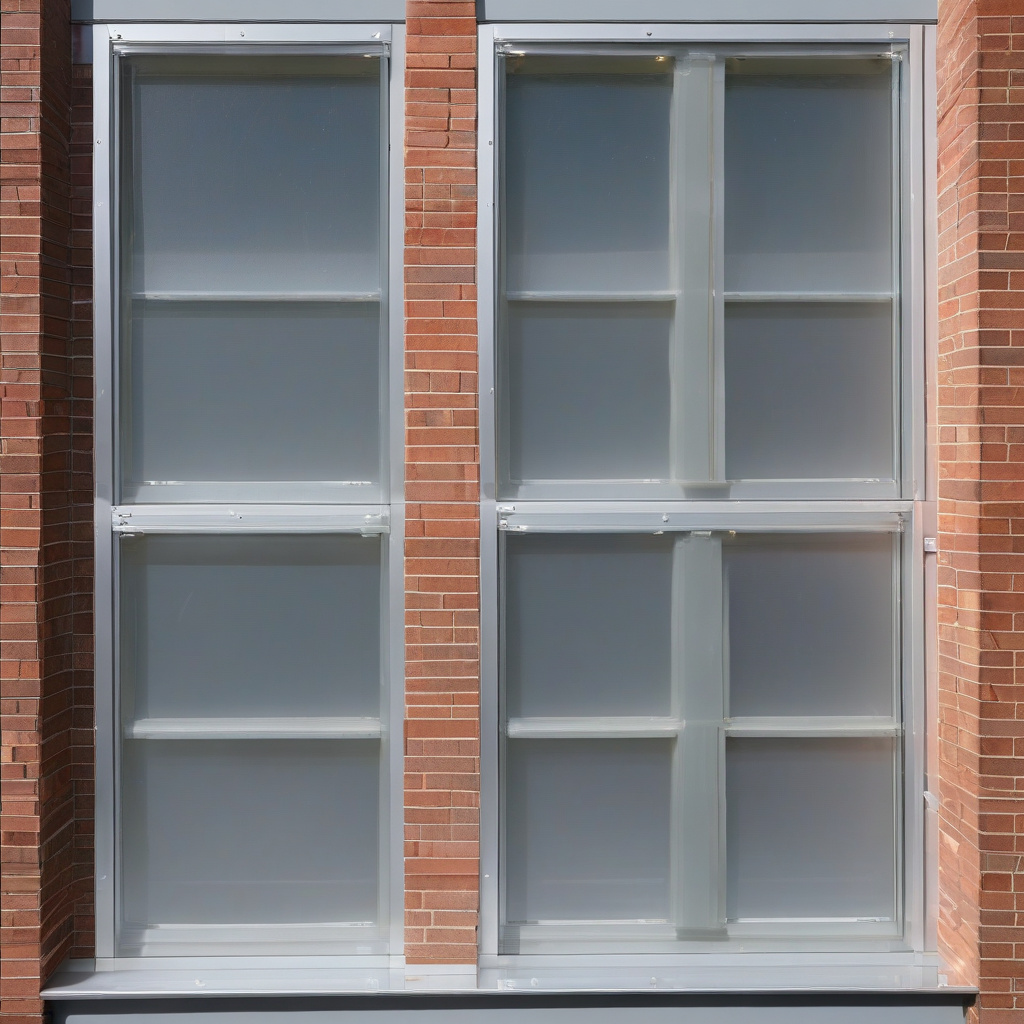
Single-pane windows, the once-ubiquitous residents of older homes, are the simplest form of glazing. Often chosen for their lower upfront costs and ease of installation, they offer minimal insulation and soundproofing. In the temperate climate of Los Angeles, their application can be sensible for detached garages or lesser-used rooms where thermal efficiency isn’t a priority.
However, with energy efficiency becoming a rallying cry for eco-conscious Californians, single-pane windows are often sidelined. Their inability to trap heat or keep out the cold results in higher energy bills—a significant concern for modern homeowners. A visit to the history and uses of single-pane windows provides a detailed overview of their place in today’s renovation landscape.
Still, there’s historic appeal in their simplicity. For homes with rich architectural heritage, maintaining authenticity could take precedence over practicality, particularly in Southern California’s milder climates, where energy concerns are somewhat mitigated by the weather.
In conclusion, while single-pane windows hold a nostalgic charm, for the contemporary homeowner mindful of economic and environmental efficiencies, they often come with compromises that double and triple panes can solve.
Double-Pane Windows: The Middle Ground
Double-pane windows present a notable upgrade over their single-pane predecessors, integrating two layers of glass separated by a gas-filled space. This design dramatically improves insulation and soundproofing, catering well to the bustling life of downtown Los Angeles. Homeowners often praise the noticeable decline in energy bills, underscoring the practicality of this modern standard.
The debate over reducing urban clamor finds its answers in double-pane windows’ robust soundproofing capabilities. For homes close to major roads or the lively nightspots that pepper LA, this characteristic transforms living experiences, ushering in pockets of serene silence amidst urban chaos.
Moreover, double panes strike a compelling balance between cost and performance. The insulation from the argon or krypton gas sealed within the panes holds heat effectively, providing comfort and efficiency. Yet, the installation processes are straightforward enough to keep labor costs manageable, making them a preferred choice for large-scale renovations.
Ultimately, double-pane windows provide significant advantages over single-pane options—delivering a mix of affordability and enhanced performance that resonates well with the value-conscious renovator.
Venturing Further: Triple-Pane Windows
Triple-pane windows take insulation to new heights, combining three robust glass layers with two insulating chambers. This multi-layered construction caters especially well to regions demanding rigorous climate control. While Southern California aligns more with moderate coastal breezes than harsh winters, those who value maximal energy efficiency might find potential in the investment.
The price tag attached to triple-pane windows can be daunting. Often, the initial costs and installation complexities surpass those of their double-pane counterparts. However, for homes seeking optimal energy performance or looking to minimize their carbon footprints, the long-term energy savings offer substantial ROI.
Regulatory nuances, like securing necessary permits in LA’s highly zoned neighborhoods, can influence these decisions. More complex installations can require specific approval or modifications, propelling costs further.
In a nutshell, while they may exceed budget constraints for some, triple-pane windows deliver unparalleled performance, making them a worthy consider for eco-friendly and tech-savvy homeowners seeking top-tier energy solutions.
Weighing the Pros and Cons
The decision to upgrade windows can often be perplexing, inundated with technical jargon and cost comparisons. The benefits of each option must be carefully weighed against potential downsides, particularly in a region as diverse as Southern California.
Advantages and Disadvantages
Single-pane windows offer simplicity but falter on efficiency. Their bare-bones architecture appeals to those mindful of budget with limited short-term energy goals. Conversely, the robust insulation and soundproofing of double-pane windows suit mainstream needs, often balancing the financial outlay with improved home living quality.
For the environmentally conscious or those addressing extreme energy inefficiencies, triple-pane options present mightily, albeit at high upfront costs. The enhanced room comfort from triple layers could sway those residing in busier or aesthetically colder parts of the city.
Expert insight: “Investing in triple-glazing can result in heating costs being cut by up to 50%, given appropriate climates and housing conditions,” says Michael Carpenter of EcoBuild Resources.
Ultimately, recognizing personal needs alongside environmental factors is crucial. Assessing the daily impacts of each window type on living quality aids homeowners in making informed choices that resonate with both budget and lifestyle.

A Practical Peek at Costs and Materials
Financial considerations span beyond the immediate purchase, stretching into installation, maintenance, and future energy savings. While upfront costs can be intimidating, understanding the comprehensive outlay helps avoid unexpected financial burdens.
Cost and Material Breakdown
Examining the budgetary implications reveals key distinctions between window types. Single-pane windows maintain the allure of affordability but often yield higher energy expenses over time, increasingly costing more than anticipated.
Double-pane windows inhabit the moderate cost zone with promising energy efficiency. Installation simplicity and moderate upfront fees make them approachable, especially for broad-scale remodeling objectives.
| Window Type | Average Cost | Insulation Rating | Soundproofing |
|---|---|---|---|
| Single-Pane | Low | Poor | Low |
| Double-Pane | Moderate | Good | Good |
| Triple-Pane | High | Excellent | Excellent |
Triple-pane windows, although initially cost-intensive, promise energy cost reductions over the years. Enhanced savings through efficient heating offsets can make the investment worthwhile for tech-savvy, energy-centric homeowners.
The Installation Journey
Installation processes vary, with each type presenting its own set of challenges and considerations. The complexity of installation affects both project duration and expense, hence requiring careful evaluation to ensure minimal disruption to daily life.
Following a step-by-step installation guide can demystify the process, helping homeowners navigate the nuances effectively. Routine preparation tasks, accurate measurements, and choosing seasoned professionals can significantly streamline the project.
Research-based observation: “Most consumers prefer the optimal balance of energy efficiency and cost-effectiveness provided by double-pane installations,” states a recent study released by the Home Improvement Institute.
Moreover, understanding the ideal installation timelines can assist in avoiding unforeseen labor expenses, ensuring projects remain on schedule and within budget.

Final Thoughts: The Window to Your World
Choosing the right windows is more than just a renovation decision, it’s an investment in your comfort and energy efficiency. From the modesty of single panes to the cutting-edge insulation of triple panes, each option offers a unique set of advantages and challenges tailored to specific situations and needs.
The choice ultimately lies with balancing personal priorities—a budget, aesthetic inclinations, or environmental considerations. Southern California’s renovation community recognizes this intricate choice, often blending experience and innovation for personalized results.
Whether seeking the economical allure of double-pane standards or the high-performance future of triple-pane technology, homeowners are equipped with a plethora of choices to redefine their living spaces.
Statistic: “Upgrading to modern window designs can enhance property values by nearly 15%,” according to the Los Angeles Real Estate Board.
- Single-pane windows offer simplicity but come with energy and sound limitations.
- Double-pane windows provide a balanced approach with improved insulation and soundproofing.
- Triple-pane windows, though costlier, offer top-tier energy efficiency for eco-conscious homeowners.
- Installation complexities and permits should be considered to avoid unexpected costs.
- The right choice of windows can increase property value notably in vibrant Los Angeles markets.
“`html
FAQ
What are single-pane, double-pane, and triple-pane windows?
Single-pane windows consist of just one layer of glass, making them the least insulative. They are common in older homes and may still be found in mild climates. Double-pane windows, the most popular choice, feature two panes of glass with a space between them filled with air or gas for better insulation. Triple-pane windows go a step further, adding a third layer for maximum insulation. In practice, the added layers offer improved energy efficiency but also come with a higher upfront cost. A recent renovation on a 1950s house found transitioning from single to double panes cut energy bills by nearly 30%.
How should I choose between single-pane, double-pane, and triple-pane windows?
Choosing the right window type depends on your specific needs and climate. Double-pane windows are a reliable all-rounder for most US climates, balancing cost and efficiency. Triple panes are ideal for northern states where winters are harsh, as they offer superior insulation. However, many mistakenly think triple panes are necessary everywhere, despite mild conditions. Always consider the long-term energy savings and comfort rather than just the initial purchase price. Consulting with a local renovation expert, such as those you can easily reach through this informative contact method, can help gauge what suits your region.
Why might single-pane windows still be used in some homes?
Surprisingly, single-pane windows can still be the go-to in regions experiencing consistently mild weather, where insulation is less of a concern. Their simplicity ensures they are the cheapest option, often appealing to renovators dealing with historical homes where maintaining architectural integrity is key. A renovator in Southern California noted that in climate-controlled interiors, the cost savings on window repair and historically correct aesthetic led them to retain these windows. However, these windows fall short in terms of energy efficiency and noise control, important factors in busier or colder areas.
What are the insulation benefits of double-pane and triple-pane windows?
Double-pane windows provide a layer of insulation using air or inert gas like argon, reducing heat transfer. This feature significantly improves temperature regulation inside homes. Triple-pane windows add an extra layer, offering even higher insulation values. This setup benefits homes facing extreme temperatures, as noted by a homeowner in Chicago who observed a noticeable warmth improvement in winter. However, the initial investment is higher for triple-pane, and many experts argue the extra cost may not pay off unless the temperature extremes justify it. It’s a delicate balance of cost versus energy savings.
How well do these windows control noise?
Noise control is often underestimated by homeowners, yet it’s a vital factor, particularly in urban areas. Double-pane windows already offer a significant reduction in external noise, making them suitable for most residential environments. For those living near busy streets or airports, triple-pane windows help further dampen sound. An urban renovator once observed that switching from single to double-pane on a street-facing facade reduced street noise by nearly 40%. While triple-pane can offer even more serenity, the cost-effectiveness should be weighed against other home improvements that might add more value.
What are some typical mistakes when installing new windows?
A common pitfall when upgrading windows is failing to consider compatibility with the existing structural design, which can lead to water leaks or drafts. During a project in a mid-century modern home, improperly sized double-pane windows resulted in alignment issues, weakening resistance to moisture. Homeowners should ensure precise measurements and assess the wall’s current frame capacity. Moreover, opting for high-cost triple-pane windows without analyzing climate suitability can lead to unnecessary expenditures. It’s critical to consult a professional who can oversee proper fitting, support, and sealing to optimize insulation.
What are the cost considerations of these window types?
The cost of windows varies significantly between types. Single-pane windows are the least expensive, but their poor insulation can lead to higher energy bills over time. Double-pane windows hit a sweet spot for price against performance, offering energy savings that typically offset their higher cost compared to singles. Triple-pane windows demand a premium—usually 15-20% more than double-pane—but present the best choice for extreme climates. Many overlook initial installation expenses, forgetting that the best choice often blends installation cost with long-term savings. Thoroughly evaluating your long-term savings versus purchase price can guide a more informed decision.
What are the maintenance and installation considerations for these windows?
Careful installation is key, especially for double and triple-pane windows, to avert future leaks or efficiency loss. Many contractors recommend periodic checks, such as during seasonal transitions when weathering impacts seals most. Homeowners with single-pane windows, typically facing less mechanical failure due to their simpler structure, might focus on regular caulking checks. Triple-pane windows, while requiring more expertise for installation, offer an enhanced lifespan if professionally maintained. Engaging a seasoned installer ensures your windows perform optimally over time. If you’re considering professional help, reaching out can save future hassles and costs.
“`