In the sprawling cityscape of Los Angeles, where sunshine kisses every corner, the allure of outdoor spaces such as decks and patios beckons. However, these charming retreats are not mere extensions of the indoors—they are subject to stringent building codes to ensure safety, durability, and aesthetic harmony with the neighborhood fabric. Navigating these regulations can be daunting, but understanding them is crucial for homeowners aiming to embark on a remodeling adventure.
Brief summary: This article explores the intricate web of building codes governing decks and patios in Los Angeles, focusing on the fundamental aspects of footings, guardrails, and fire safety. It provides readers with a detailed guide to comply with local regulations, ensuring their outdoor projects are both legally sound and safely constructed.
Footing the Foundation of Compliance
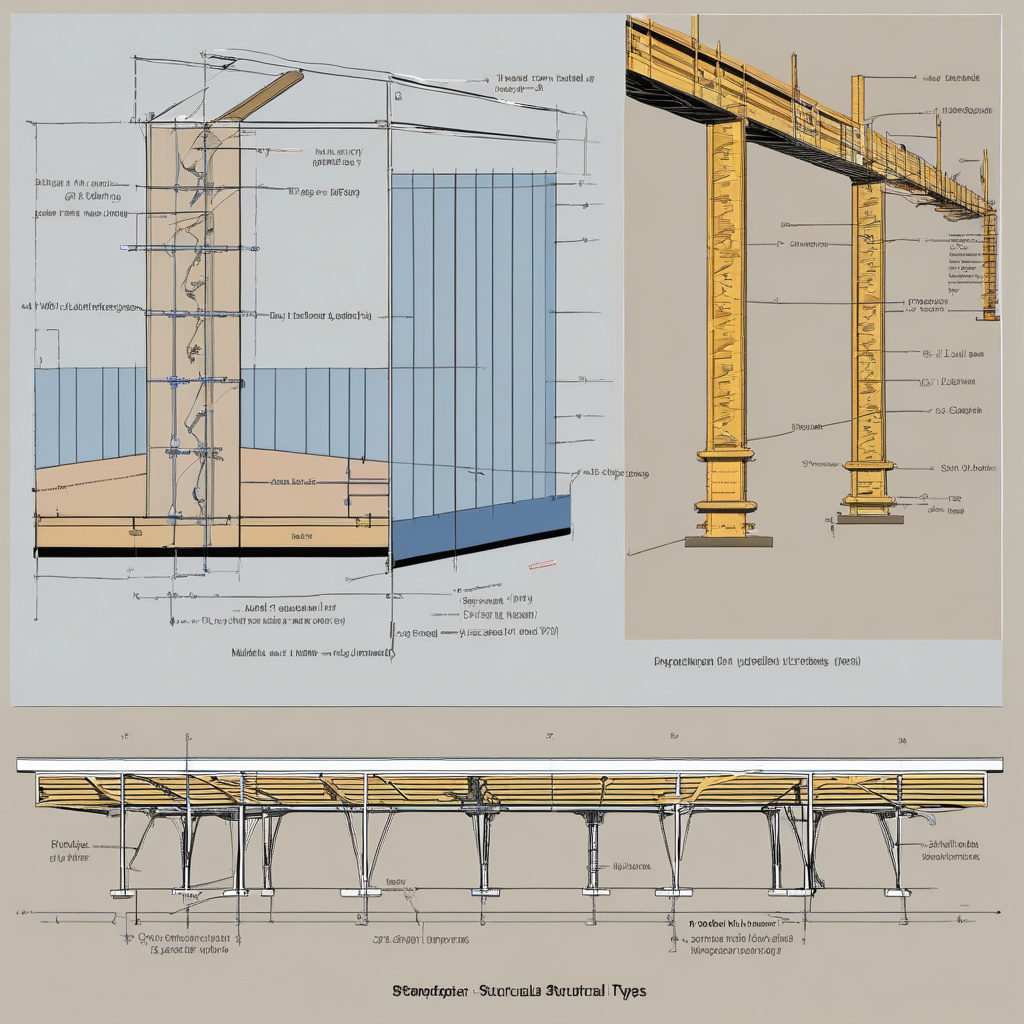
In Los Angeles, the fundamental principle in deck and patio construction is the integrity of their footings. This element of design ensures that these structures remain stable over time, braving the diverse weather conditions from scorching summers to mild winters. Each project begins with a thorough site survey to determine soil quality, which directly influences how footings are laid.
For a typical deck, footings must be placed below the frost line to prevent heaving during potential cold spells, albeit rare in this region. The depth and diameter are contingent on the structure’s size and load-bearing capacity, hence it’s essential to follow the precise measurements stipulated by the city’s building codes.
One well-documented case involves a Santa Monica couple who built their dream patio only to dismantle it after realizing the footings were inadequate. This emphasizes the need for proper research and, when in doubt, consulting with a professional who understands these deep-rooted regulations.
As many homeowners in Los Angeles discover, establishing robust footings lays the groundwork for a secure build, offering peace of mind long after the final nail is driven. Explore more about outdoor design essentials for a comprehensive understanding of site preparation.
Guardrails: The Unsung Protectors
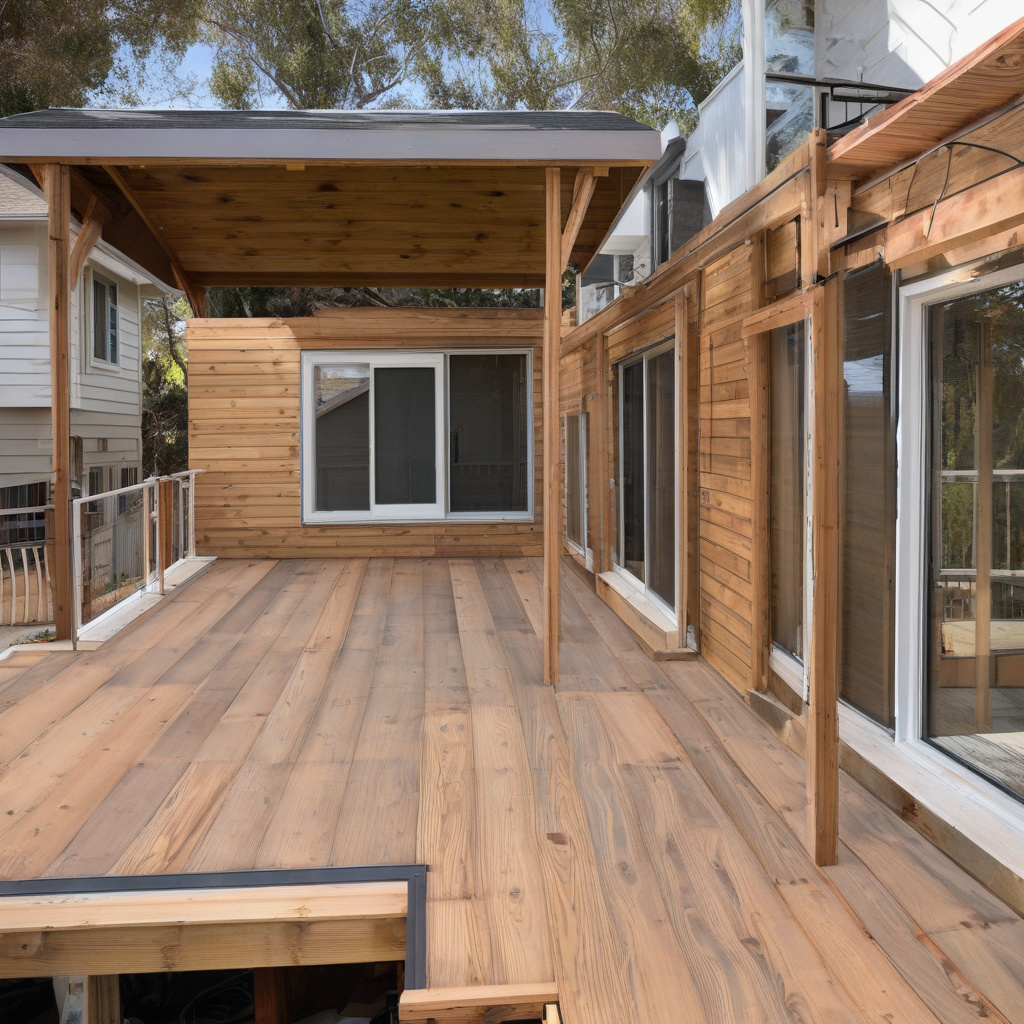
Guardrails may often be considered an afterthought, but these structures are vital in fulfilling safety requirements for decks and patios above a certain height. Los Angeles mandates that decks elevated more than 30 inches off the ground include guardrails to prevent accidents.
The specifications are precise: guardrails must be at least 36 inches high with balusters spaced not more than four inches apart. This compliance ensures that not only adults but children are safeguarded while enjoying the views these elevated platforms offer.
An architect in Venice Beach tells of a project where innovative guardrail designs transformed a simple deck into an architectural masterpiece, underscoring that safety and style are not mutually exclusive.
Choice in materials, from wrought iron to tempered glass, allows for creativity within bounds, offering both security and panache. Homeowners are advised to weigh options that complement their property’s aesthetic while aligning with the city’s codes.
Ensuring deck safety through compliant guardrails can transform an ordinary outdoor space into a secure haven. Reflecting on tales from real projects often sparks new ideas for aesthetic-functional synergy.
Expert Insight: According to a report by the American Institute of Architects, integrating safety features like guardrails can enhance the perceived value of a property by up to 12%.
Fire Safety First
With the omnipresent threat of wildfires in Southern California, fire safety regulations are particularly stringent. Many homeowners in the hills of Los Angeles must adhere to codes that stipulate the use of non-combustible materials, such as metal or certain composite decking, to reduce fire risk.
These regulations extend to vegetation management, mandating a defensible space around structures that acts as a buffer zone against advancing flames. In reality, compliance with these mandates is not only a legal obligation but also a proactive step in safeguarding lives and properties.
Innovative solutions such as fire-retardant wood treatments or opting for materials that naturally resist ignition are becoming increasingly popular in design plans. It’s a landscape where responsibility meets ingenuity, steering construction choices towards safer, and ultimately smarter, building practices.
While compliance may seem onerous, many have found that integrating fire safety into their design yields a custom-fitted sanctuary resilient to nature’s whims. Intertwining functionality with aesthetic appeal, these considerations ensure residents can enjoy their secluded paradises with less worry about the potential for disaster.
Important Statistic: The California Department of Forestry and Fire Protection notes that homes with flame-resistant exteriors are 50% less likely to be destroyed in wildfires compared to traditional wooden decks.
Crafting Choices: Deck Resurface vs. Replace
When confronting an aging deck, homeowners often grapple with the decision to resurface or replace. This choice hinges on several factors, including structural integrity, budget constraints, and aesthetic goals.
Resurfacing involves removing the deck’s surface boards and installing new ones, which is generally more cost-effective and environmentally friendly. It’s an ideal alteration for decks with a sound substructure but worn or outdated surfaces.
On the other hand, replacement entails a complete overhaul. This can be more desirable for those seeking to drastically change their deck’s appearance or increase its size. It also allows for addressing any foundational weaknesses.
Understanding the pros and cons of both options allows homeowners to make informed decisions that cater to their unique needs and visions. A prudent approach is to consult with experts who can provide insights into whether resurfacing or replacing aligns best with your project goals.
Delve deeper into practical remodeling strategies for detailed insights on the implications of each option.
A Step-By-Step Planning Guide
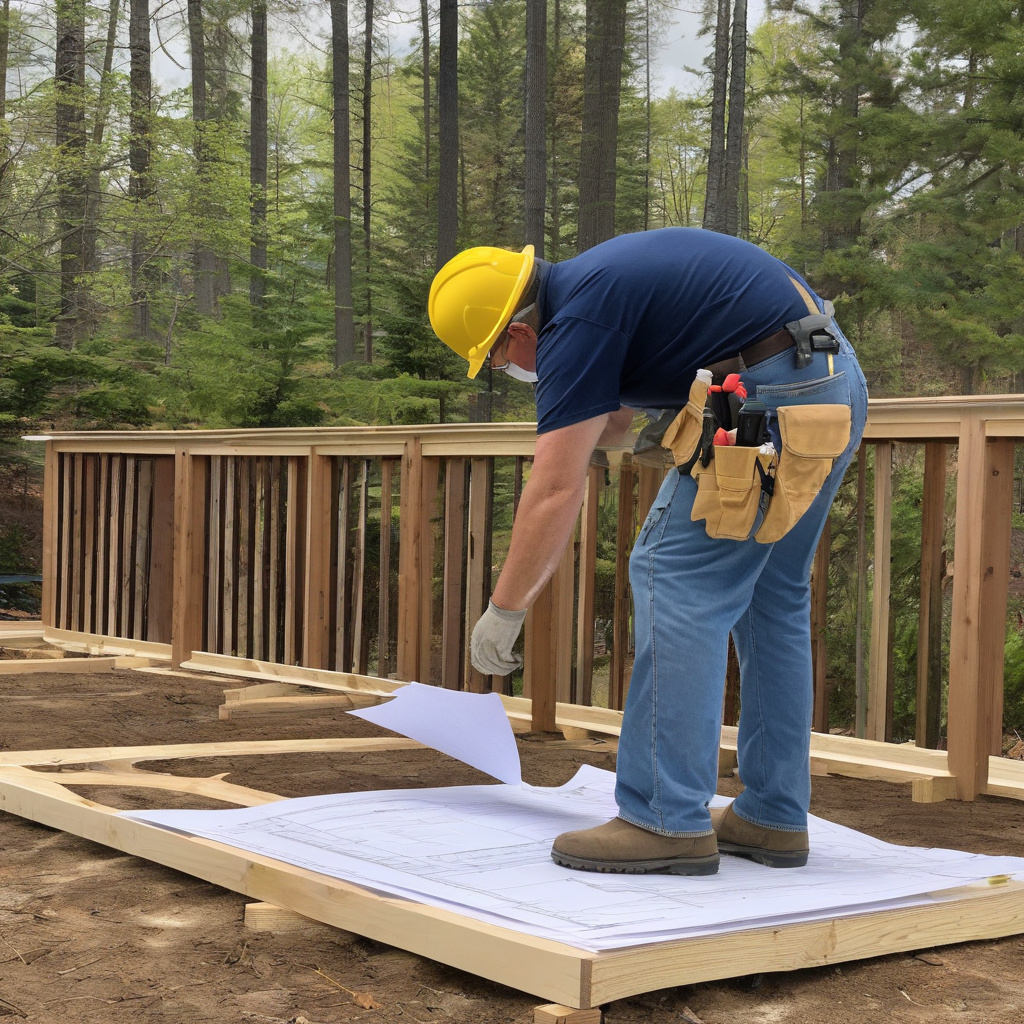
Embarking on a deck or patio build involves a series of crucial steps, from obtaining permits to final inspections. Initially, securing the appropriate permits is vital. Los Angeles requires detailed plans, specifying everything from dimensions to materials, which must comply with local codes.
Once the paperwork is in place, the construction can begin. Starting with site preparation, the land is leveled, and foundations are laid according to the approved plans. Ensuring the construction team is well-versed in city codes prevents costly adjustments later.
As construction progresses, consistent inspections are necessary. These range from verifying the depth of footings to confirming guardrail placement. Each step is a checkpoint towards a project that meets both expectations and legal standards.
The journey concludes with a final inspection, rubber-stamping the deck or patio as compliant and safe. Patience and precision in following these steps are rewarded with a durable outdoor sanctuary.
Material Choices: Concrete vs. Pavers
When it comes to decking and patio surfaces, the classic dilemma is between concrete and pavers, each with distinctive characteristics and benefits. Concrete, renowned for its durability and seamless finish, suits modern minimalist aesthetics, while pavers offer a more traditional, textured look.
Concrete provides a cost-effective solution, requiring minimal maintenance while delivering a clean, uniform appearance. However, it can crack under extreme conditions or if laid inadequately. Pavers, on the other hand, allow for modular design with the flexibility to replace individual units if damaged.
The choice often boils down to personal preference, although the decision should also factor in the project’s budget and the desired maintenance workload. Consulting experienced contractors can provide clarity, balancing the visual impact with long-term functionality.
Learn more about patio surface options to choose the best fit for your space.
Research-Based Observation: According to the Journal of Landscape Architecture, pavers have been shown to increase curb appeal and resale value by up to 8% more than plain concrete surfaces.
The Final Touch: Choosing the Right Deck Railing
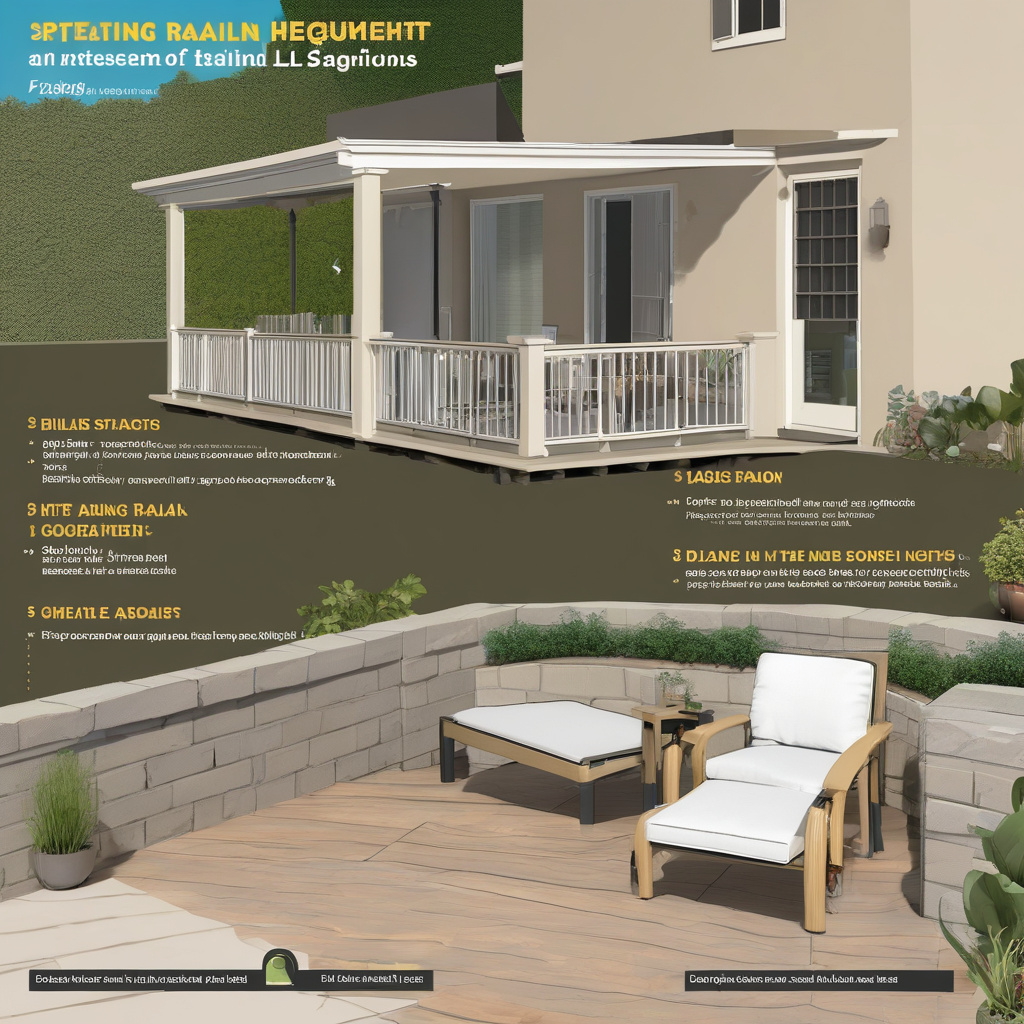
Railings serve as the proverbial icing on the cake for decks and patios, a final touch that can elevate or diminish your project’s visual and functional output. In Los Angeles, choosing the right railing is as much about blending with the architectural style as adhering to compliance.
Homeowners can select from a variety of materials, including wood, metal, and glass. Each has its cost implications, with wood often being the most affordable, albeit less durable without regular maintenance. Metal railings, while initially more expensive, provide lasting durability and require minimal upkeep.
Glass railings have surged in popularity for their contemporary appeal and ability to maximize scenic views. However, they can be more delicate and require frequent cleaning to maintain their transparency.
Ultimately, the best railing is one that harmonizes with the deck’s design, fulfills personal aesthetic preferences, and meets the practical demands for safety and longevity. Selecting your railing with careful consideration guarantees not just a beautiful deck, but a safe and resilient one.
For guidance on selecting the ideal railing for your deck, discover insights and expert recommendations.
Advantages and Disadvantages: A Closer Look
When weighing options for deck improvement, acknowledging both the benefits and drawbacks of each decision ensures a well-rounded understanding. Resurfacing preserves structural frameworks, allowing for quicker renovations with less waste and expense. However, it might not suffice if foundational issues lurk beneath.
Full replacements, while expensive, guarantee a fresh slate, negating any hidden flaws left unresolved by resurfacing. Similarly, the choice of materials—concrete vs. pavers—depends on a balance between aesthetics, cost, and maintenance.
Prospective builders should assess each element’s impact on the overall project goals, considering both current desires and future resale implications. The art of building or rejuvenating an outdoor space lies in understanding these nuances.
Conclusion
Building or renovating a deck or patio in Los Angeles is a journey through layers of aesthetics, regulation, and practical foresight. Compliance with local building codes ensures not only safety but also an appreciation in property value, blending seamlessly with the city’s vibrant spirit.
Whether you’re footing a deck, erecting guardrails, or weighing material choices, the path to a serene outdoor oasis is lined with opportunities for creativity and precision. Engaging with professionals who understand the region’s unique challenges and advantages will help ensure every project becomes a cherished part of the home.
- Understanding local building codes is essential for deck and patio projects in Los Angeles.
- Footings, guardrails, and fire safety are key components of compliant outdoor spaces.
- Materials like concrete and pavers offer diverse options, each with distinct benefits.
- Resurfacing versus replacing decks depends on structural integrity and aesthetic goals.
- Expert advice and thoughtful planning lead to safe, beautiful, and durable outdoor retreats.
FAQ
What are the key building codes for decks and patios in Los Angeles?
In the context of Los Angeles, building codes for decks and patios emphasize several crucial aspects—specifically footings, guardrails, and fire safety. These codes ensure that outdoor structures are not only stable but also compliant with stringent safety standards, suitable for the area’s unique environmental conditions. For instance, footings must extend to a depth that anchors the structure securely, considering California’s occasional seismic activity. Many experienced builders notice that homeowners frequently underestimate the impact such requirements have on long-term stability. Furthermore, guardrails must be designed to prevent falls, especially in homes with multi-level decks, a common feature in hilly Los Angeles neighborhoods.
How can I ensure my deck complies with fire safety regulations in Los Angeles?
Given Los Angeles’s susceptibility to wildfires, adhering to fire safety regulations for decks is paramount. Many professionals suggest using fire-resistant materials like composite boards designed to withstand high temperatures. Proper spacing between deck boards and appropriate metal flashing can prevent embers from becoming trapped and igniting a fire. Regular maintenance and clearing debris, such as dry leaves, also aid in minimizing fire risks. In real renovation projects, it’s common for experts to recommend installing sprinkler systems or using fire-retardant coatings for added protection. Consider consulting a professional to ensure compliance with the latest codes and strategies.
When is the best time to build a deck or patio in Los Angeles?
The ideal time to embark on a deck or patio project in Los Angeles is during the mild fall or spring seasons. This timeframe not only offers more favorable working conditions but also aligns with the offseason for many contractors, potentially resulting in cost savings. Homeowners often overlook these periods, opting instead for summertime when demand—and consequently prices—spike. Furthermore, building during the fall allows your new outdoor space to be ready for the spring and summer months, when you’ll likely use it most. Collaborating with a seasoned builder can provide additional insights into timing and logistical planning.
What common mistakes do homeowners make when planning a deck or patio?
A frequent mistake homeowners make is underestimating the importance of proper drainage. In high-rainfall events, poor drainage can lead to water pooling, causing structural damage over time. Another common issue is neglecting to obtain the necessary permits and approvals, which can result in costly fines or even necessitate demolition if codes are not met. Experts also point out the oversight in selecting appropriate materials that match the climate and intended use. In real practice, choosing durable materials suitable for sunny Californian weather, such as pressure-treated wood, can make a significant difference in the longevity of a deck. For more personalized advice, connect with a professional via this consultation recommendation link.
What are the cost considerations for building a deck or patio in Los Angeles?
In Los Angeles, the cost of building a deck or patio can vary widely depending on several factors, including materials, design complexity, and labor. Many experts note that opting for high-quality materials like composite decking or stone can offer better longevity, effectively reducing maintenance costs over time. However, these options typically come with higher upfront costs. On the other hand, pressure-treated wood offers a more budget-friendly alternative but may require regular maintenance and sealing. Homeowners should factor in potential permit fees and the cost implications of hiring experienced contractors who are familiar with local building codes to ensure compliance and quality craftsmanship. Balancing initial investments with long-term savings is key.
How can I choose the right materials for my deck or patio in Los Angeles?
Selecting the right materials for decks and patios in Los Angeles involves considering climate resilience, maintenance needs, and aesthetic preferences. Composite materials, although pricier, stand out for their durability and low maintenance, making them popular choices for busy homeowners. Conversely, natural wood offers an appealing classic look but demands regular sealing and maintenance to withstand the Californian sun. Many contractors recommend thoroughly assessing your budget and time commitment for maintenance. Homeowners should also consider the eco-friendliness of their choices, as sustainable materials are becoming increasingly important in modern renovations. Engaging with a knowledgeable contractor can provide guidance tailored to your specific needs and context.
What are the advantages and disadvantages of adding a deck to my home?
Adding a deck to your home can significantly enhance curb appeal and provide a versatile outdoor space for relaxation and entertainment. However, the benefits extend beyond aesthetics. A well-designed deck can increase property value, particularly in the real estate markets of cities like Los Angeles. On the flip side, as many renovators observe, decks require maintenance to preserve their appearance and safety, regardless of material choices. Weather exposure can lead to wear and tear, necessitating proactive upkeep. It’s crucial for homeowners to weigh these aspects, considering not just immediate enjoyment but also the long-term commitment to maintaining their outdoor spaces.
How do I maintain my deck or patio in the Los Angeles climate?
Maintaining decks and patios in the Los Angeles climate involves regular cleaning, sealing, and inspection of your outdoor structure. The sun’s intense UV rays can fade and damage surfaces, so many experts recommend applying protective sealants every couple of years. Materials like composite decking require less maintenance compared to wood but still benefit from occasional power washing to remove dirt and debris. It’s also essential to routinely inspect for signs of damage, such as loose boards or rusting fasteners, and address these promptly to avoid costly repairs. Homeowners often overlook these tasks until issues arise, but regular care can extend the lifespan of these valued outdoor spaces significantly.