As the sun sets over Los Angeles, the cool evenings invite warmth-seekers to their decks and patios. Fire pits are increasingly popular as the heart of these stylish outdoor spaces, harmonizing design, flame, and safety. A dance with fire needs careful choreography, comprising design, clearance, airflow, and heat control. But for homeowners and renovators, harnessing this charming warmth is more than just a flick of a match; it’s an architectural symphony.
Brief summary: Discover essential safety and design tips for integrating fire pits into decks and patios in Los Angeles. Explore how structure, clearance, and heat control interplay to enhance outdoor living while ensuring safety. Learn about materials, costs, and design trends shaping these cozy outdoor spaces.
Clearance and Space: Designing Around Fire
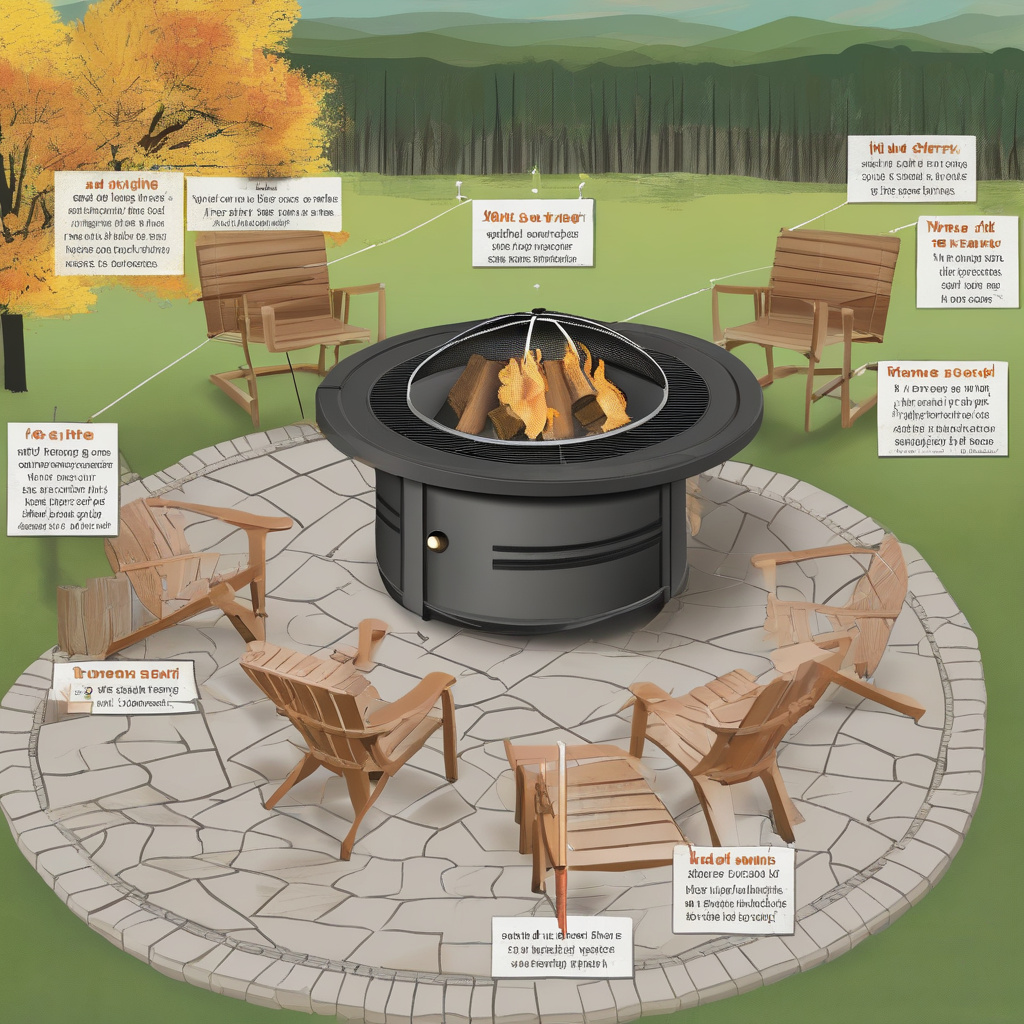
Ensuring adequate clearance is both a safety imperative and a design challenge. The grace of a fire pit lies in its placement, giving it center stage without overshadowing the surrounding environment. Many a Los Angeles homeowner will tell you that when arranging furniture or choosing greenery, you want the fire pit to be a guiding star, not a lone performer.
The expansive outdoor settings of Southern California offer enough room to experiment with layouts, but designers emphasize caution: there should be plenty of breathing space, precisely at least ten feet from any structure or flammable materials. The deck itself must be ready to withstand the heat, demanding specific heat-resistant surfaces or pads, reminding renovators everywhere that “mind the gap” isn’t just a subway slogan. For more background on patio planning, explore stylish Los Angeles patio ideas.
Crafting the perfect ambiance means considering proportionality—balance is visual poetry. A fire pit, stunning as it is, should engage in conversation with its surroundings, speaking the same aesthetic language that the deck whispers.
A modest setting might showcase a smaller, lower-profile pit, whereas grand assemblies could handle rugged, flagship models like forged metal or reinforced concrete that complement bold outdoor visions. As these elements work in harmony, the area becomes both a haven and a stage.
Ultimately, the successful incorporation of a fire pit relies on striking the right note between visual impact and spatial harmony, ensuring everyone nearby feels the warmth both physically and aesthetically.
Material Matters: Choosing the Right Components
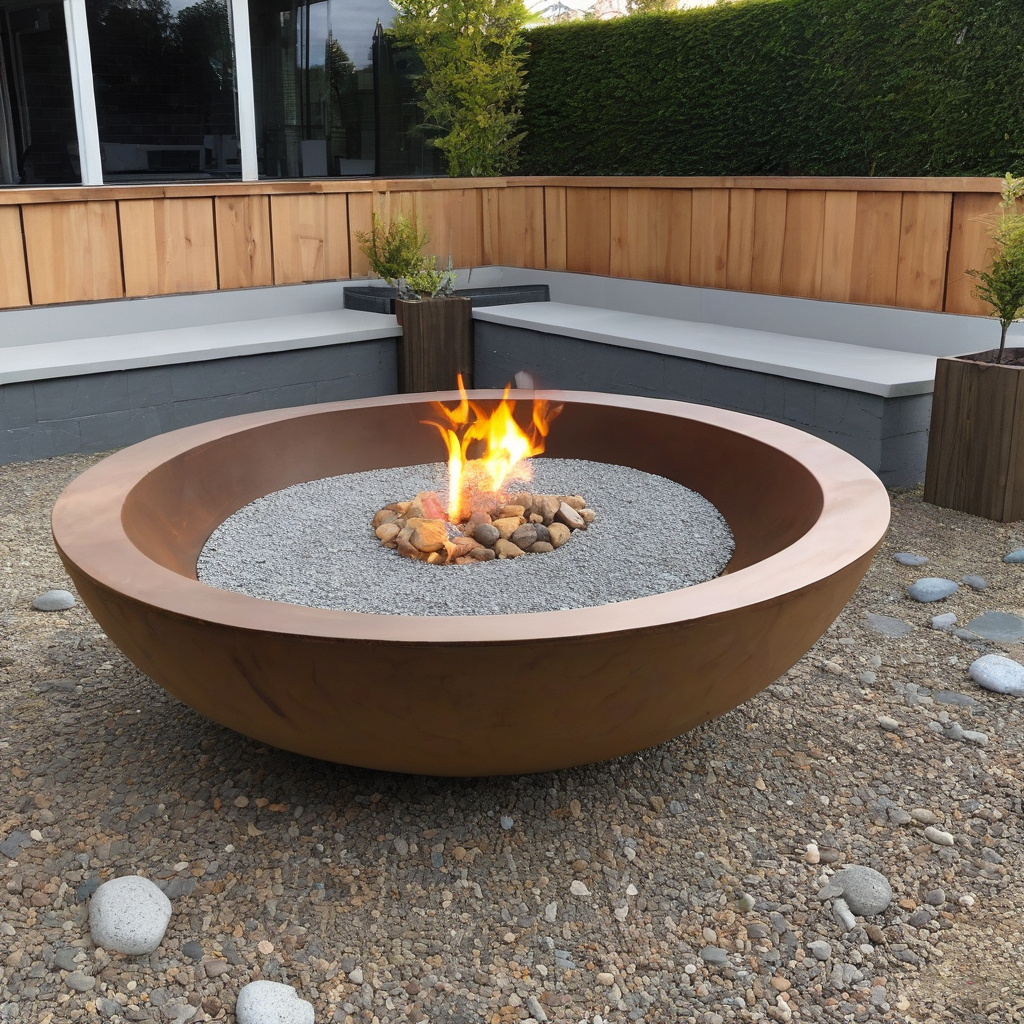
When crafting an environment where flames dance and embers inspire, choice of materials reigns supreme. No Los Angeles homeowner wants to feel they’re treading lightly upon matchsticks. From a practical standpoint, materials such as stone, steel, and concrete provide the durability needed while remaining steadfast against the heat.
The market presents a variety of enticing options, yet choices should always align with safety. Most experts assert that stone and steel seamlessly merge resilience with elegance, with concrete often serving as the stoic background performer in this fiery opera.
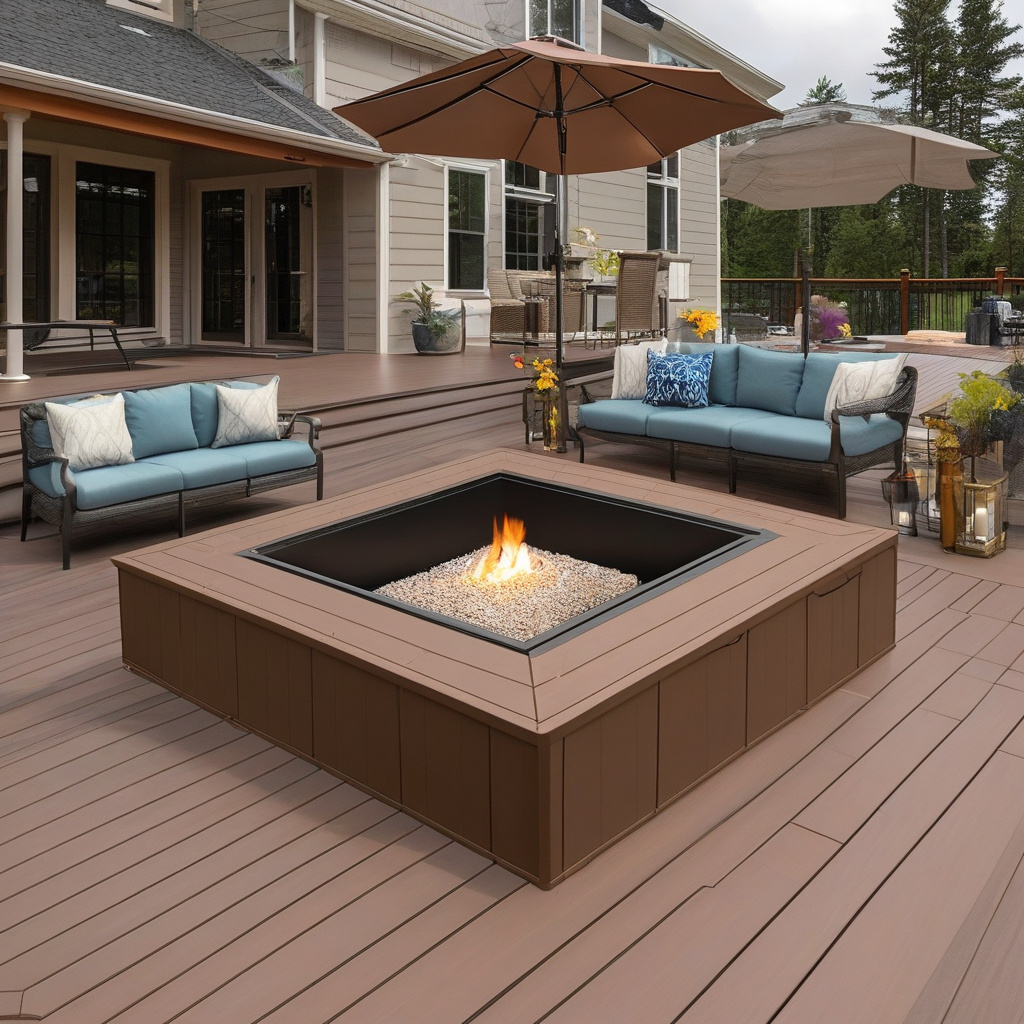
Additionally, investing in quality fireproofing treatments for wood and other sensitive elements cannot be overstated. With the right protective measures, materials like composite wood present attractive, safer alternatives to traditional timbers, providing decks with both beauty and brains.
Artisans in this field often suggest mixing textural contrasts. Pairing sleek metals with rustic wood leaves provides an eye-catching juxtaposition, allowing even modest spaces to radiate personality. Consider illuminating your setting with strategic lighting to enhance night-time allure.
More than any style ledger, material choice intertwines with safety considerations, forging spaces that don’t just look secure, but live it too.
Research from the North American Deck and Railing Association shows that approximately 80% of deck-related accidents stem from improper material use.
Airflow and Ventilation: Controlling the Elements
Airflow and ventilation are akin to the unsung heroes of successful fire pit design, much like supporting actors in a blockbuster film. They’ve enveloped Southern Californian patios with an elegance only the invisible can provide. Here, open space isn’t just a luxury; it’s a necessity to dispel smoke, control flames, and manage heat.
Maintaining optimal airflow ensures the continuation of both comfort and air quality. Homeowners face a choice: harness natural breezes or implement chimney-style structures guiding smoke away from social spaces. However, too much wind can fan the flames in dangerous directions, which impresses upon installers the need for thorough assessments before any commitment.
For structured patios, proper venting must navigate the line between style and practical engineering. Ventilation channels, ideally built-in, integrate smoothly with metallic armor or traditional stone scaffolds, forming harmonious nooks for both style-conscious and air-conscious gatherings.
Oftentimes, a gentle architectural nudge can promote optimal airflow. Low walls or strategic planters can subtly influence breezes, contributing to both privacy and safety.
In an industry ever evolving, where safety dovetails style, airflow remains an essential albeit invisible architect on every project.
According to the International Code Council, ensuring proper ventilation around an outdoor fire source can diminish smoke-related respiratory issues by up to 30%.
Cost and Timeline: Budgeting for Fire Pit Perfection
As delightful as it may seem to toss a little flame into your backyard mix, considerations about costs can’t be postponed. If Los Angeles dreams of stepping out onto decked paradises, what’s the ticket price, and how long until curtains rise on this backyard feature?
The trick is finding equilibrium between desired grandeur and practical investment. Budget options can range from ready-to-assemble kits costing under $500, while custom builds, bespoke with every homeowner’s whim, might tally upwards of several thousand dollars. What separates these categories is often not just design, but the assurance of safety.
Where saving money is an objective, it is pertinent to remember that gold investments sometimes lead to pyrite results. Cheap materials and rushed implementations not only compromise looks but longevity. For those weighing their options, might we suggest a comparative joyride: evaluating fun alternatives for outdoor living.
| Budget Option | Luxury Custom Build | DIY Enthusiast |
|---|---|---|
| Under $500 | $3000 and up | $1000 excluding labor |
| Pre-assembled kits | Bespoke designs | Pre-designed templates |
| 2-3 weeks delivery | 4-6 weeks | Varies by design |
In any scenario, owners must weigh not just initial costs but future savings from durability, maintenance, and repair. Well-laid plans and informed choices make for brilliant value additions in home appraisals.
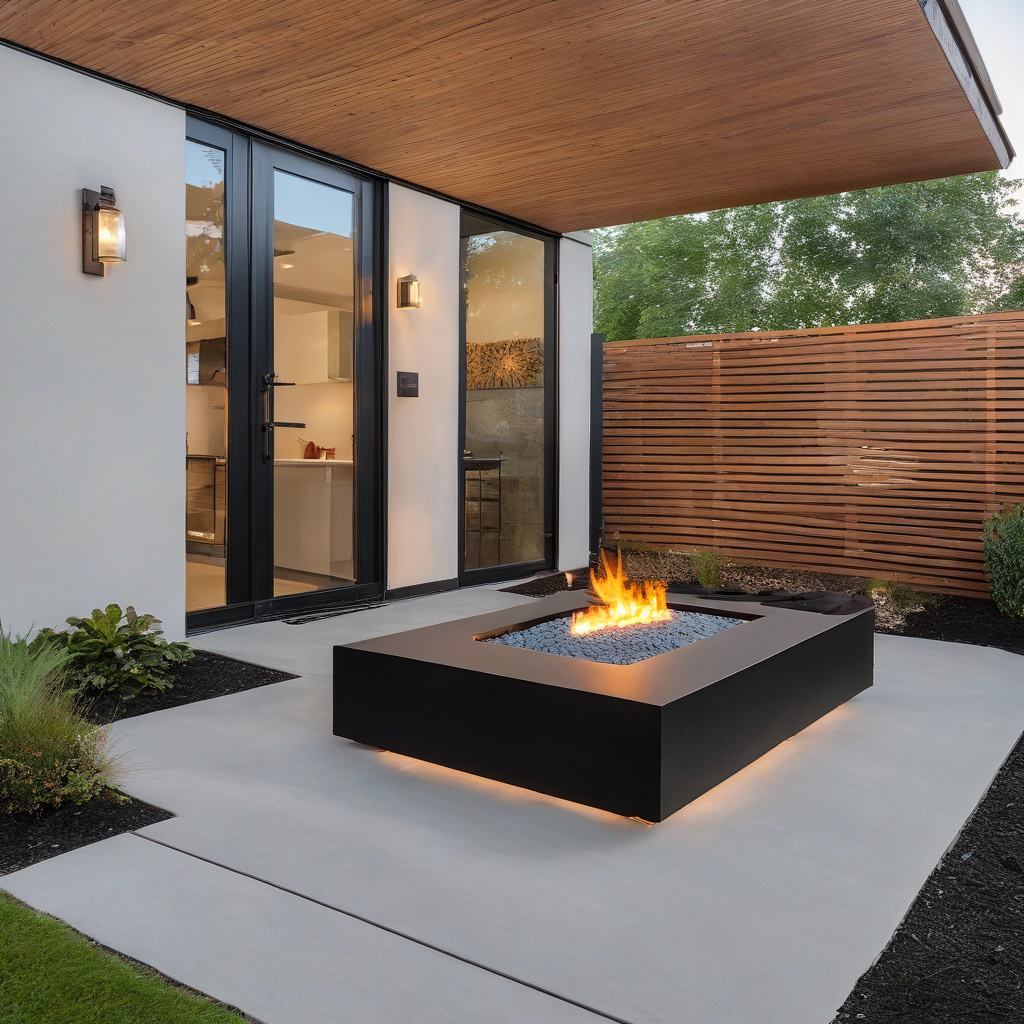
Planning and Risk Management: Dealing with Challenges
A journey into the realm of fire pit design isn’t solely paved with dreams but rather realizations of the challenges that may arise. Before or after coverage stands out as a topic to consider, particularly when setting a home up for gatherings in changeable weather.
While design aspects favor airy open spaces, confrontation is inevitable with Mother Nature’s whims. Protection can either rely on rusticly elegant pergolas or absolute coverage, each featuring its own financial and aesthetic ramifications.
Such decisions bear more significance considering costs and durability. Where some placeholders offer nominal protection, the assurance of stability and dependability assured by approved materials is worth its weight in gold. Here, adhering to scrutinized product reviews imparts not only wisdom but savvy investment ideals.
Whether one pursues contemporary or classic motifs, explore creative deck ideas for your balcony as a further step toward blissful exteriors.
Approaching construction with caution, precision, and hysterical attention to detail, renovators find themselves inspired to blend fire with formality, security with style.
A study in “Home Improvement” magazine finds that structured outdoor covers like pergolas can potentially increase seating area usability by 40% annually.
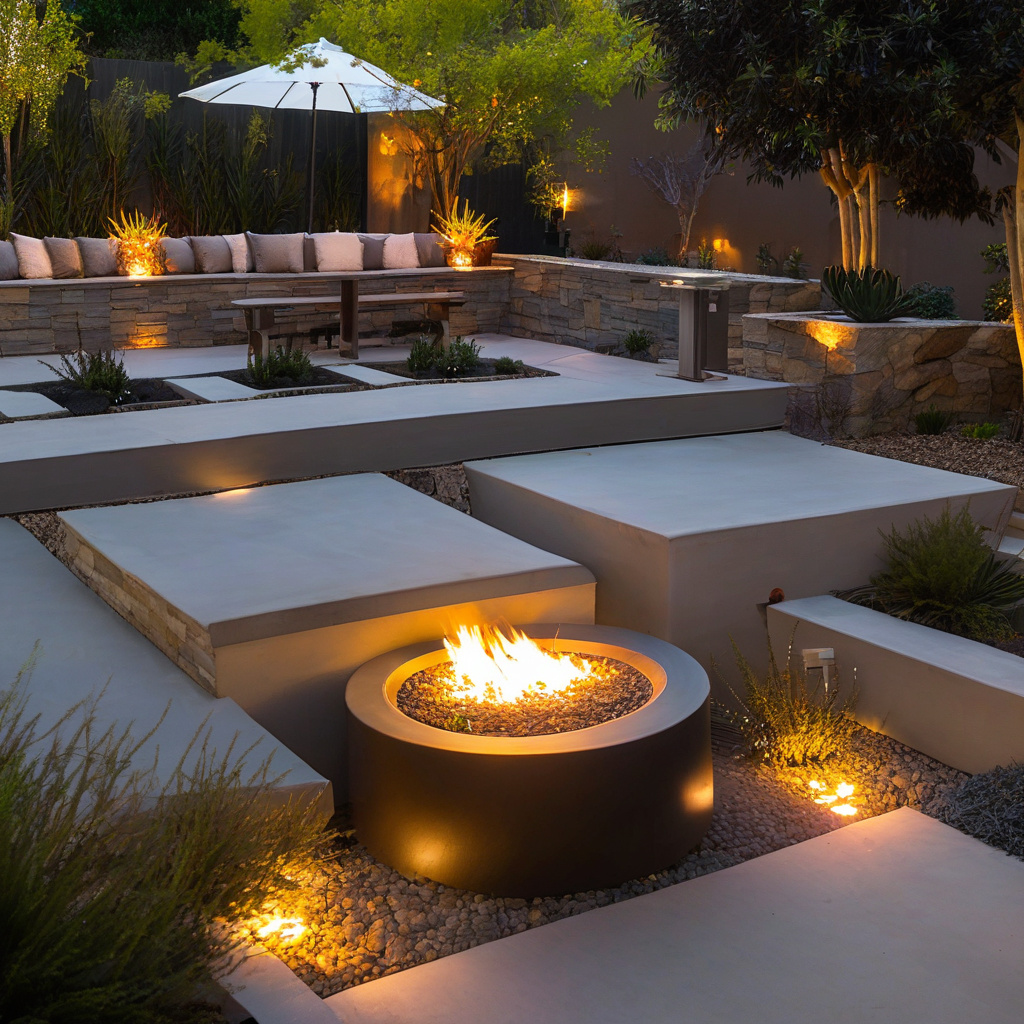
Lighting and Atmosphere: Complementing Designs
Lighting can accentuate any fire pit’s appeal, complementing gaunt, ambiguous shadows to gravitate towards a spellbinding nighttime environment. Los Angeles’ open-sky charm can remember the legacies of starlit designs, but judicious lighting transforms ordinary spaces into spellbinding retreats.
The art of subtly incorporating illumination through layered lighting setups transforms decks into canvases of mood and atmosphere. Sconces, spotlights, and hidden LEDs have potential roles in this dramatization, each spotlighting specific elements without overshadowing or overwhelming.
Local experts often encourage using low-wattage, warm-toned bulbs to maintain an inviting vibe without excessive glare. Coupled with glass protections, they temper flamboyant reflections within orbit, unifying disguises of glow and glow management with ease.
In doing so, one effectively intertwines safety and flair, allowing all elements to echo the peaceful essence of a well-knit deck environment.
More than a night enhancer, strategically arranged lights prevent unwanted wandering, ensuring safety doesn’t sacrifice serenity. It is here we find that the adage, “let thy light shine,” intertwines heartily with appeal and awareness alike.

- Positioning, materials, and clearance are critical safety factors in fire-pit design.
- Maintenance can secure longevity, proving cost-effective long term.
- Custom designs require insights, skills, and budgetary considerations.
- Creative layouts can stimulate atmospheric allure and improve safety.
- Lighting enhances fire pit charisma and ensures functional safety.
“`html
FAQ
What are the main considerations for fire-pit safety on decks and patios?
In real renovation projects, safety and practicality go hand in hand. For decks and patios, ensuring adequate clearance and proper heat distribution are paramount. Many experts point out that a fire pit should be placed at least ten feet away from any overhangs, trees, or structures. Ensuring that the airflow is sufficient helps prevent unexpected flare-ups while adding a heat shield can protect underlying materials. Homeowners frequently underestimate this aspect, especially when improvising with portable fire pits, yet safeguarding nearby structures is vital.
How can I choose the right fire-pit design for my patio?
When choosing a fire-pit design, factors like your patio’s layout and aesthetic preferences are crucial. Many homeowners find that portable metal fire pits offer flexibility for smaller spaces, whereas built-in designs can create a more permanent and stylish focal point, ideal for larger patios. In newer builds, aligning the fire pit’s materials with existing patio decor can seamlessly blend it into the design. Practicality often affects decisions; for example, lifting glass walls can be integrated to maintain visibility and safety when children are present.
When does installing a fire pit on your deck make sense?
Installing a fire pit makes sense in regions like Southern California where cool evenings invite outdoor gatherings. On decks, which are often elevated, many homeowners find that fire pits create a cozy atmosphere without the need for additional heating systems. However, it’s essential to consider the deck’s load capacity and material. On wooden decks, using protective barriers and selecting fire pits with controlled flame options can mitigate the risk of fires. Consulting professionals can aid in tailoring the best setup for your space.
What are common mistakes when designing a fire pit for a patio?
Many homeowners overlook critical factors like airflow and proximity to other structures, often leading to safety hazards. A common mistake is not accounting for wind patterns, which can affect smoke direction and heat dispersion. In several cases, people install fire pits without considering sufficient seating arrangements, making gatherings uncomfortable. Ensuring there’s enough space while maintaining safe clearances can greatly enhance the functionality and enjoyment of outdoor spaces. Collaboration with a design expert often rectifies these oversights early in planning.
What are the cost considerations when installing a fire pit on your deck?
Cost variations for fire pits arise based on materials and complexity. In real projects, a simple portable unit might require as little as a few hundred dollars, while a custom-built permanent installation can soar into the thousands, especially when incorporating gas lines or unique materials. Beyond installation, factoring in maintenance costs like fuel or repairs is crucial. Many experts recommend setting a budget after assessing desired features and consulting with a contractor for a realistic estimate. For more personalized guidance, find contractors on this page.
What are the benefits and limitations of different fire-pit designs?
Different designs bring unique advantages and challenges. Traditional wood-burning pits offer authenticity and warmth, but they can be more difficult to control and maintain. Gas fire pits provide easy operation with a cleaner burn, attracting those who prefer low-maintenance options. Electric fire pits are emerging in urban settings for their clean simplicity, though they can lack the ambiance of their counterparts. An honest assessment of your lifestyle and patio usage can help pinpoint which features align with your vision.
What installation specifics should I be aware of for a deck fire pit?
Installing a fire pit on a deck requires an understanding of the deck’s specifications. In many cases, using a fire-resistant mat or pad beneath the pit can prevent damage to the deck material. Adjusters often advise ensuring that the weight of the fire pit, along with potential occupants, does not exceed the deck’s load-bearing capacity. Proper drainage, especially after rainfall, is also critical to avoid long-term structural issues. Consulting with an architect or builder can provide tailored advice specific to your property’s structural nuances.
How can I maintain my fire pit to ensure its longevity?
Routine maintenance is key to extending a fire pit’s life, particularly in environments with variable weather like California. Regular cleaning, involving the removal of ash and debris, is essential to prevent clogging airflow and to sustain efficient combustion. In covered patios, maintaining the cover integrity is crucial; it shields the fire pit from moisture and UV exposure that can cause rust or fading. Occasional checks on gas lines, if applicable, ensure safety and efficient function. By performing these simple practices, you can enjoy your fire pit for many seasons.
“`