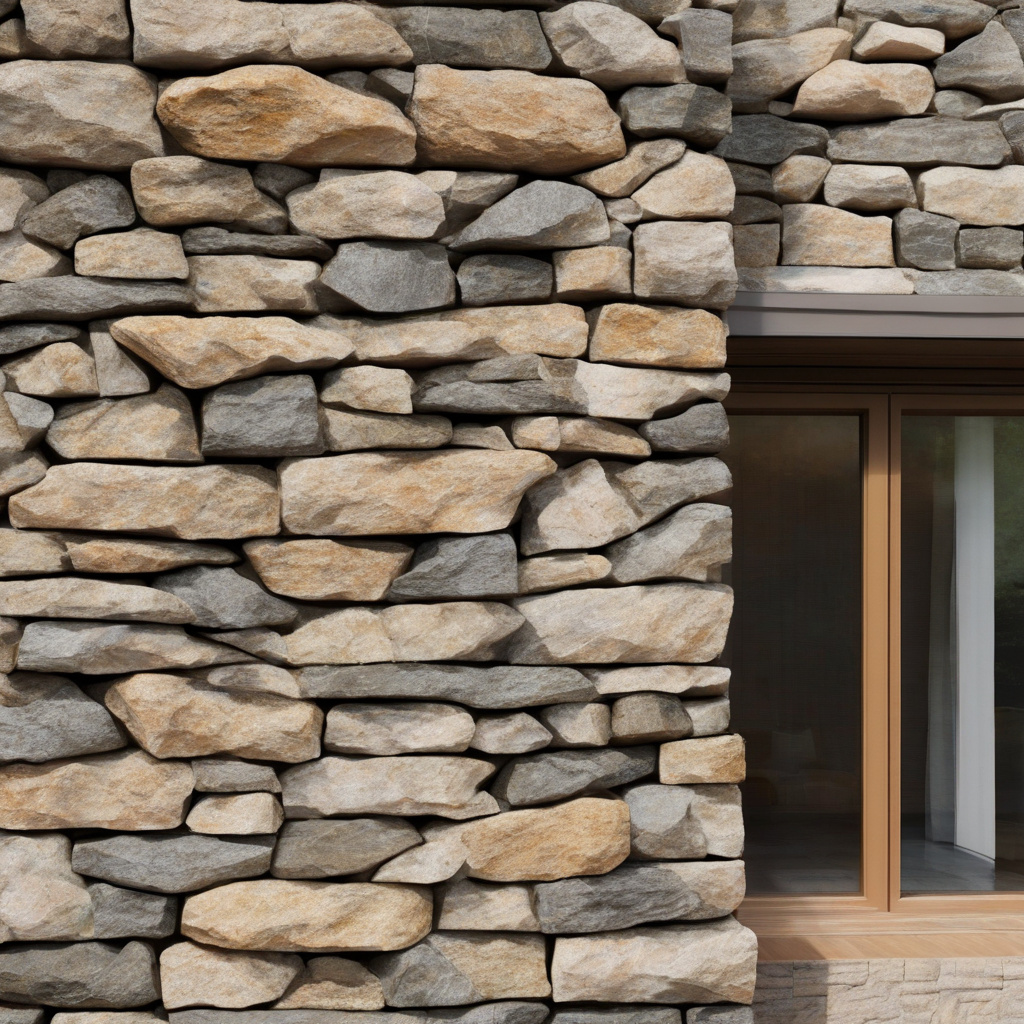
Wild stone facades are turning heads across Los Angeles, confirming their place as a staple in stylish architectural design. With their rugged elegance and timeless appeal, these natural facades are more than mere aesthetic statements—they are investments in durability and sophistication. As urban landscapes continue to evolve, the age-old charm of wild stone provides a refreshing contrast to modern architecture, sparking a resurgence in its popularity. Whether you’re considering a full-scale renovation or the finishing touch on a new build, understanding the benefits and considerations of wild stone facades is essential.
Brief summary: This article explores the appeal and practicality of using wild stone for facades, emphasizing its aesthetic allure, durability, and tips for successful application. Featured are expert insights and comparisons to aid homeowners and designers in making informed renovation decisions.
What you should know about the aesthetic allure of wild stone
The inherent beauty of wild stone lies in its unique texture and variation, offering a natural palette that is virtually unmatched by artificial materials. Each stone is a piece of nature’s artwork, shaped and colored through eons of geological processes. From earthy browns to misty grays, the range is vast and vibrant, allowing designers to craft facades that complement any architectural style.
As many local homeowners notice, wild stone provides a sense of grounding to a structure, literally connecting it with the earth. This integration with the natural environment is aesthetically pleasing and highly desirable in Los Angeles, where connection with nature is treasured.
Moreover, wild stone carries a historical resonance, echoing the architectural traditions of ancient civilizations. It evokes images of classic Mediterranean villas and rugged mountain retreats, an appeal that is universal and timeless.
In conclusion, if you are after a style that communicates strength, permanence, and grace, wild stone offers an irresistible option that is both trendy and enduring.
How to choose the right wild stone for your project
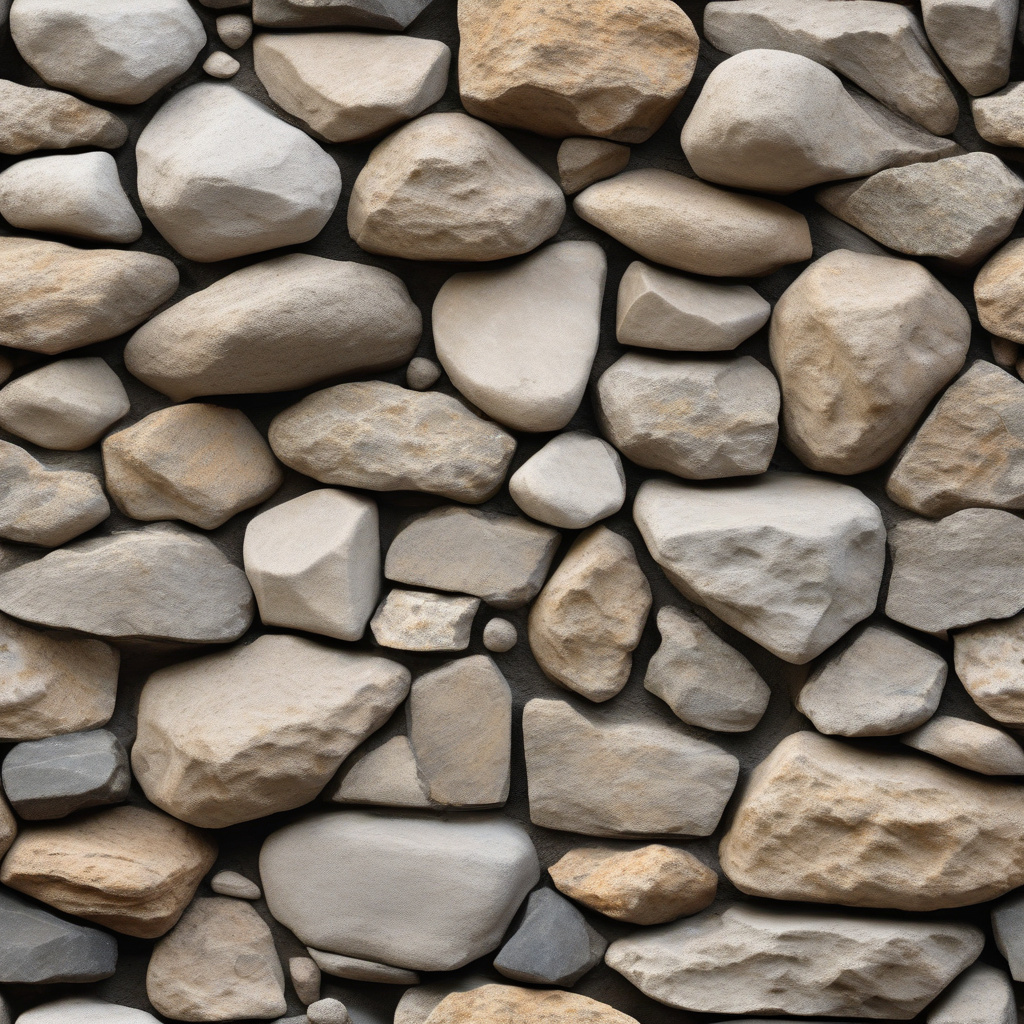
Selecting the perfect stone for your facade can be as challenging as it is rewarding. Given the abundance of options, understanding your aesthetic and practical needs is crucial. The stone’s texture and color are primary determinants that influence the overall look and feel of the structure.
Start by considering the climate and geographical context of your project. While some stones like limestone thrive in dry environments, others such as granite are versatile and resilient in varied weather conditions. Choosing a stone that aligns with your environmental factors will ensure the longevity and aesthetic continuity of your facade.
Consider also the intended use—whether the stone will act as a primary building material or a decorative enhancement. This decision will guide you in selecting either more affordable alternatives or premium exclusive options.
A friendly word of advice: always request samples from suppliers to visualize how various stones look in different lighting and weather conditions. This can greatly assist in making a selection you will cherish for years to come.
When it makes sense to use wild stone
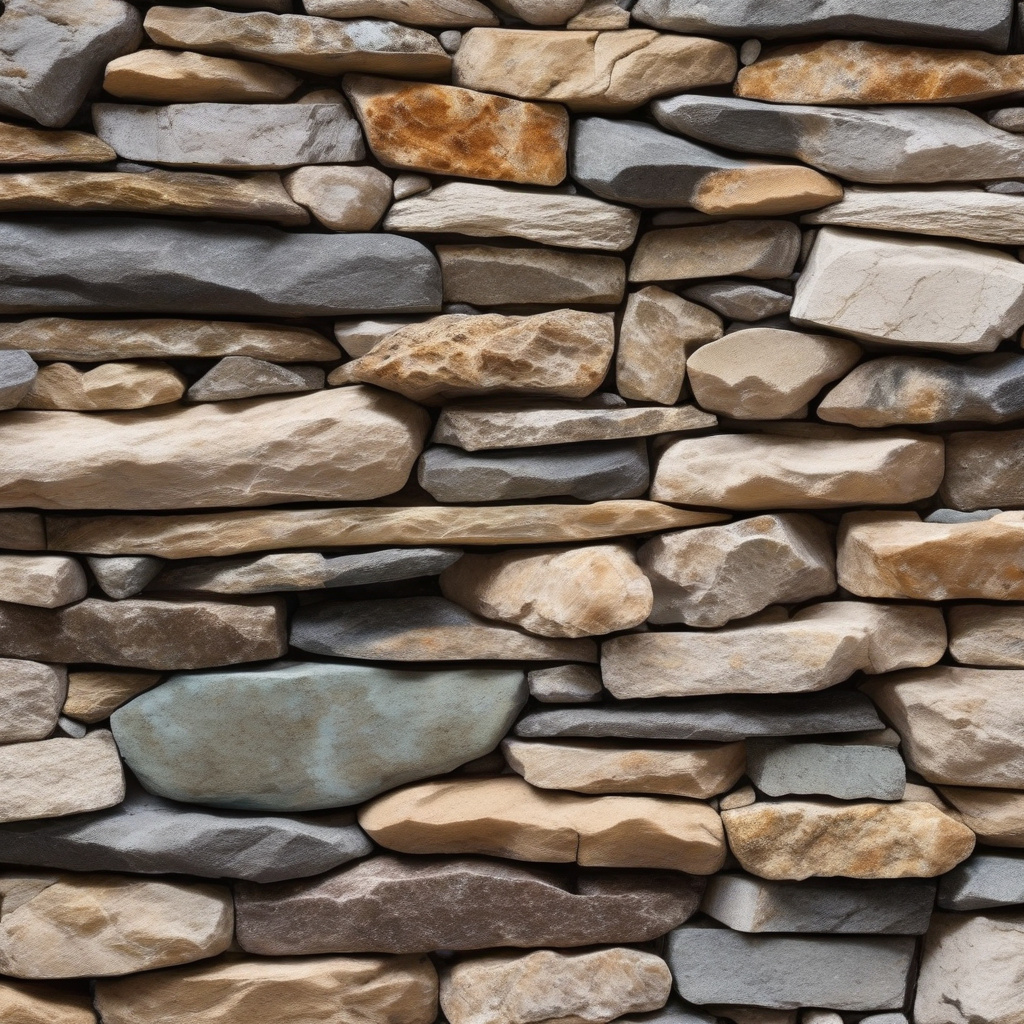
Deciding on wild stone is as much about the project’s vision as it is about practicality. For a project emphasizing natural integration and environmental harmony, wild stone is an ideal choice. It enriches contemporary designs with a timeless touch, making facades visually dynamic and structurally sound.
L.A.’s hillside homes and coastal properties, for instance, greatly benefit from the robustness of wild stone. These stones withstand the humidity and salty air of the coast, a resilience that few other materials can match. Their expressions of solidity also suit the urban sprawl, providing a stark yet complementary contrast to more modern materials like glass and steel.
As a practical matter, using wild stone also translates into reduced maintenance costs. With its inherent resistance to weather and time, there is little need for ongoing care beyond periodic cleaning.
Ultimately, when your vision aligns with the need for sustainable, robust elegance, wild stone becomes a logical and beneficial choice.
According to a study by the National Association of Home Builders, properties with natural stone elements sell for as much as 15% more than those without.
Advantages and potential challenges of wild stone facades
Wild stone facades boast numerous advantages, but they also come with their own set of challenges. On the one hand, these stones are robust, offering unmatched durability and resistance to elements, which is especially beneficial in climates prone to seismic activity like Southern California.
On the downside, installing wild stone can be labor-intensive, requiring skilled artisans for precise fitment—a factor that can drive up initial costs. Additionally, the stones are significantly heavier than synthetic alternatives, necessitating structural support considerations.
In practical terms, though, the long-term savings on maintenance can offset these initial investments. Choose wisely, and the returns on enhanced curb appeal and property value are substantial.
In closing, weighing the upfront installation challenges against the enduring advantages of aesthetic improvement and low maintenance helps guide a well-rounded decision.
Expert insight: “For projects prioritizing longevity with minimal upkeep, wild stone facades offer an exceptional balance of beauty and practicality,” says Mark Tarrant, a local construction consultant in Los Angeles.
A practical comparison: wild stone versus other facade materials
| Feature | Wild Stone | Brick | Stucco |
|---|---|---|---|
| Durability | High | Medium | Low |
| Installation Cost | High | Medium | Low |
| Aesthetic Appeal | Unique | Traditional | Versatile |
Comparing wild stone with other popular facade materials reveals its standout characteristics. While both brick and stucco remain favored options for their affordability and familiar charm, they lack the high-end allure and longevity offered by wild stone.
This comparison underscores why wild stone is a premium choice for those who prioritize unique design and structural resilience over initial cost savings.
When considering these options, it’s clear that the true value of facade choices lies not just in initial expenditure but in the completed project’s enduring impact and maintenance profile.
Practical tips for installation and care of wild stone facades
Step 1: Preparing the foundation
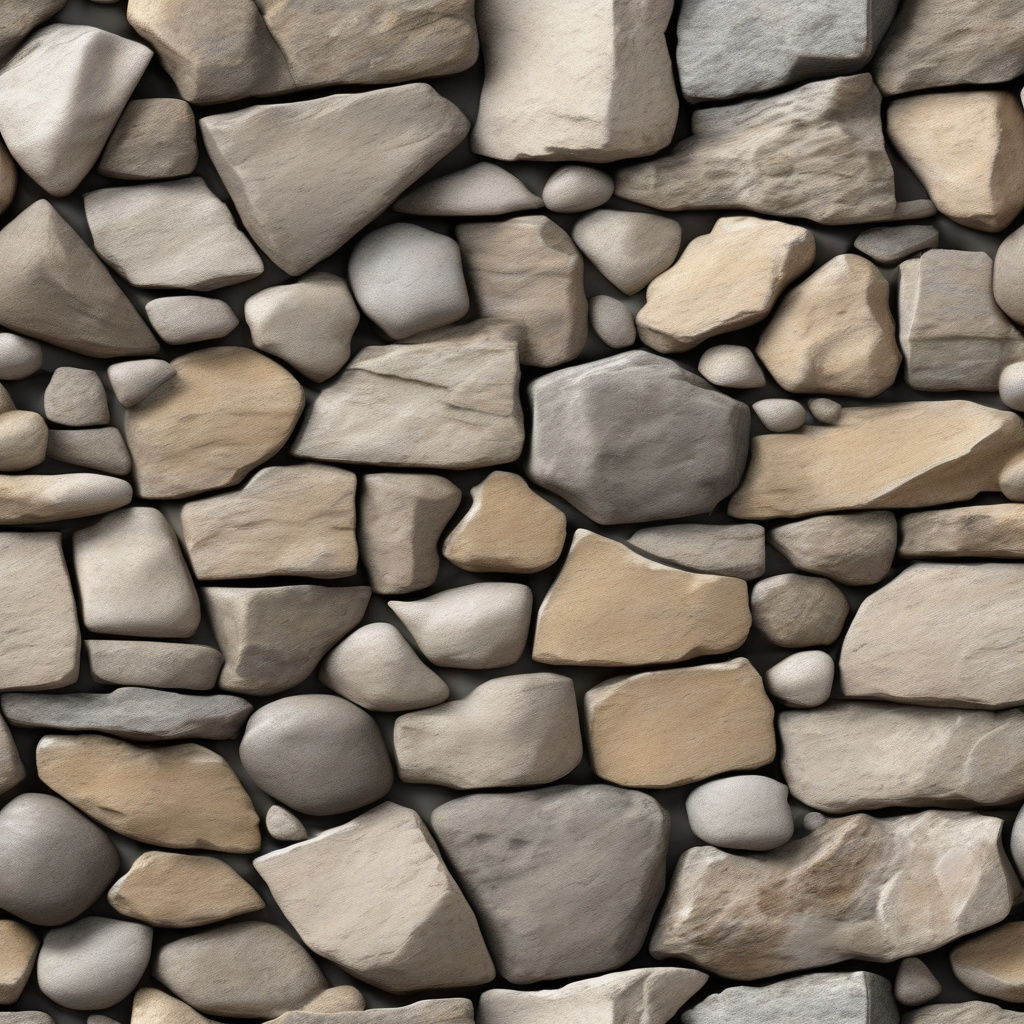
Start with a solid foundation. Ensure the underlying structural support can bear the weight of the stones. This might involve consulting with a structural engineer, particularly for older buildings or new constructions in seismic zones.
Step 2: Choosing a skilled artisan
Hire skilled craftsmen. The precision required for fitting wild stone is an art steeped in tradition. Their expertise will ensure that the facade not only looks breathtaking but stands the test of time.
Step 3: Maintaining your stone facade
Maintain with care. Regular cleaning with a mild detergent and water is recommended to keep the stones looking fresh. Avoid harsh chemicals that could damage the natural surface.
In summary, attention to detail during installation ensures that the beauty and durability of your wild stone facade are preserved for generations.
Research-based observation: A study in the Journal of Building Engineering highlights how natural stone facades contribute to energy efficiency, aiding in temperature regulation within homes.

- Wild stone offers unparalleled aesthetic and durability benefits for facades.
- Consider environmental factors and expert craftsmanship for optimal application.
- Choosing natural materials can increase property value and energy efficiency.
- Compare materials against project needs and future maintenance requirements.
- Invest in skilled installation to ensure a durable and enduring facade.
“`html
FAQ
What is wild stone, and why is it the preferred choice for facades?
In real renovation projects, wild stone, often known as natural stone, stands out due to its unique aesthetic appeal and durability. Many experts point out that each stone piece carries its distinct texture and color, providing a unique and stylish design that mass-produced materials can’t match. Moreover, the natural strength of stone means it endures harsh weather conditions, making it ideal for both older properties undergoing renovation and newer builds with modern systems. It’s this combination of beauty and practicality that makes wild stone a preferred choice for homeowners prioritizing both style and longevity in their facade investments.
How should one choose the right type of wild stone for their facade?
Selecting the right type of wild stone involves considering both aesthetic preferences and practical factors. Homeowners frequently underestimate the importance of matching stone types to their home’s architectural style and local climate. Granite, for instance, is robust and versatile, suitable for areas with extreme weather. In contrast, limestone offers a softer look, best for more temperate regions. In real-world renovations, it’s crucial to examine samples under natural light and consider the stone’s variation over large surfaces. Experts advise consulting with a professional to ensure that the choice complements the existing structure and enhances curb appeal.
When does using wild stone for a facade make the most sense?
Utilizing wild stone is particularly sensible when aiming for a timeless, durable, and impactful facade. It’s often the top choice during major renovations of single-family homes where the goal is to enhance both aesthetic appeal and property value. Additionally, for newer constructions in upscale neighborhoods, wild stone contributes to a luxurious, elegant finish that aligns with contemporary designs. However, practicality must guide the decision—it’s not suitable for every design or budget, so weigh factors like initial cost against long-term benefits of decreased maintenance and increased longevity.
What are typical mistakes when installing wild stone facades?
A common mistake during installation is ignoring the weight and structural load of wild stone. In real projects, failing to address these can lead to safety hazards and structural damage. Moreover, improper preparation of the substrate or insufficient sealing can result in water infiltration and deterioration. Many experts emphasize the necessity of hiring experienced installers who understand local building codes and environmental factors. Proper installation isn’t just about aesthetics—it’s about ensuring the facade’s longevity and stability. For more insights on correct installation practices, consult experts or get advice from local renovation specialists.
What are the cost considerations when opting for a wild stone facade?
Cost is a significant factor in deciding to use wild stone. Initially, it tends to be more expensive than synthetic alternatives due to sourcing, cutting, and installation complexities. However, in real renovation scenarios, many homeowners see notable savings over time with lower maintenance costs and increased resale value. An important consideration overlooked by some is the importance of investing in quality craftsmanship—cutting corners on installation can lead to higher costs down the line as repair needs arise. Balance the initial outlay with long-term advantages when budgeting for a wild stone facade.
What are the pros and cons of using wild stone for a facade?
The pros of using wild stone include its unmatched aesthetic appeal and durability. Each stone’s unique patterns add character to any property, and its innate resilience makes it ideal for long-term facade solutions. However, the cons involve higher upfront costs and the necessity of professional installation. Additionally, because natural stone is heavy, it requires a sturdy structural base. Many experts indicate that these challenges are offset by the long-lasting beauty and minimal maintenance required once the stone is correctly installed and sealed.
What installation and maintenance specifics should homeowners consider?
When installing wild stone, it’s critical to ensure proper surface preparation and moisture control. Many contractors recommend sealing the stone post-installation to protect against potential water damage and staining. Maintenance is generally straightforward—includes regular cleaning with water and a soft brush. However, in real-life scenarios, neglecting to reseal periodically can lead to deterioration and discoloration. Always monitor the facade for signs of wear and address issues promptly by consulting professionals who can provide tailored maintenance strategies to extend the stone’s lifespan.
What opportunities and risks should one consider with wild stone facades?
The opportunities provided by a wild stone facade include enhanced curb appeal and potential resale value increases thanks to its timeless charm and durability. On the other hand, risks involve possible damage from improper installation and unexpected costs if overlooked during the planning stage. Homeowners must be thorough in their research, ensuring they understand both the visual and technical demands of this investment. Consulting with specialized contractors from the outset can mitigate these risks and leverage the full range of opportunities presented by integrating wild stone into their home facade.
“`