The bustling metropolis of Los Angeles and its surrounding Southern California region offers a vibrant canvas for homeowners eager to make their living spaces uniquely theirs. Whether you’re sprucing up your home’s facade or breathing new life into your interiors, the choice between interior and exterior paint becomes crucial. But what truly sets these paints apart, and why does it matter so profoundly? This is not just a matter of aesthetics; it’s about choosing the right product to stand the tests of time, weather, and daily wear.
Brief summary: The article explores the differences between interior and exterior paints, emphasizing the importance of selecting the right type for successful home renovations. It examines aspects such as resin strength, UV resistance, and scrub durability, providing insight into how these factors impact the longevity and appearance of painted surfaces. The discussion is rooted in the context of Los Angeles’s unique climate and homeowner preferences.

Understanding the Core Differences: Interior vs Exterior Paint
At first glance, the paints adorning the outside and inside of your house might seem interchangeable. However, delve a bit deeper, and you’ll find a world of differences, each playing a vital role in longevity and visual appeal. The primary divergence lies in the additives used and the paint’s resilience against environmental stressors.
Interior paints are engineered more for beauty than battle. Designed to withstand the occasional scuff from furniture or a sprightly toddler or two, these paints prioritize washability and versatility. Interiors rarely face the brute force of nature’s elements, allowing them to focus on colorful expression without the fear of fading.
Exterior paints, in contrast, must withstand UV rays, rain, and wind. These defenses are made possible through stronger resins that enhance durability. In Southern California, where the sun can be unforgiving, UV resistance is worth its weight in gold. The stronger these defenses, the greater the longevity of your curb appeal.
The choice between interior and exterior paints highlights more than a difference in formula. It’s a strategic decision that impacts the overall look and feel of your living environment. Homeowners often consult painting professionals to ensure they’re making the best choice for their specific setting.
The critical takeaway is understanding the purpose and environment that each paint type must serve, leading to a more informed and effective application.
The Science Behind the Paint: Resin Strength and Additives
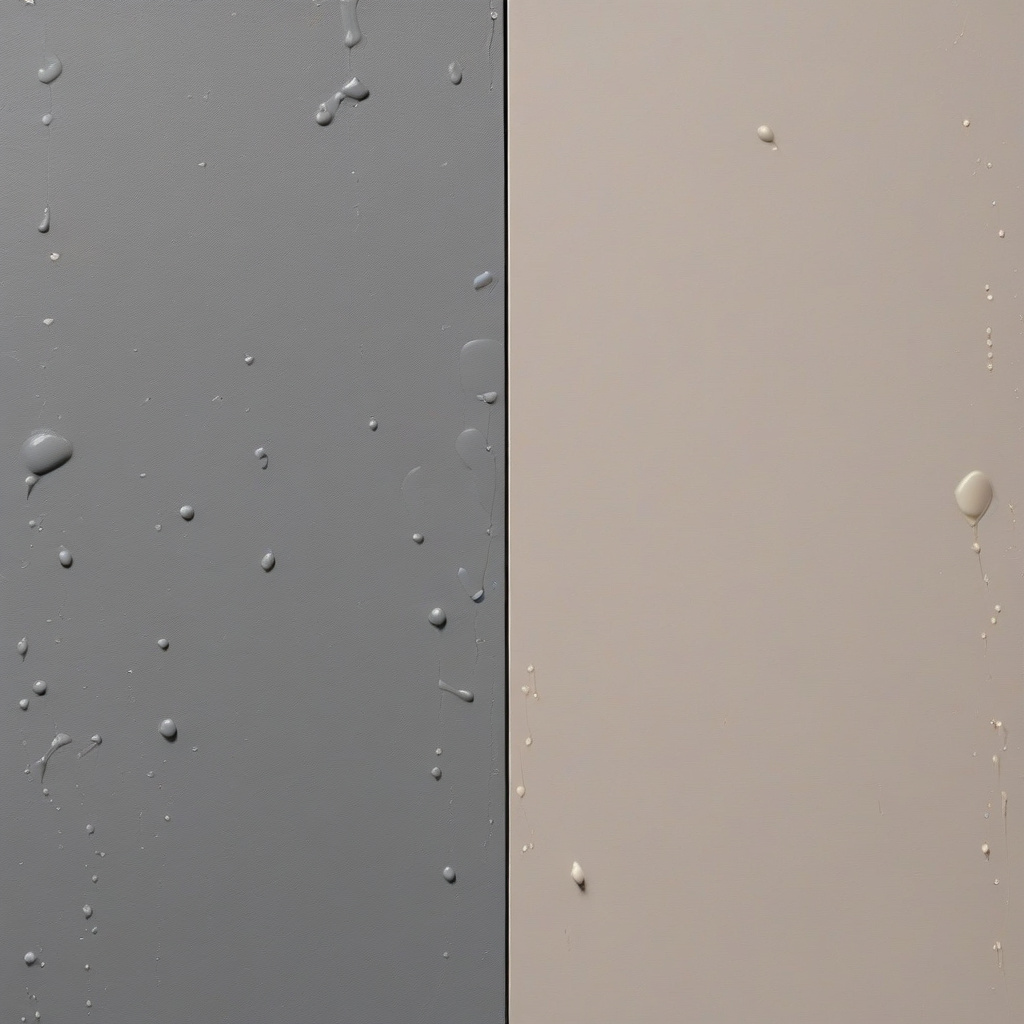
Diving into the chemistry of paint, it’s the resin and additives that often make or break its performance. For interiors, the emphasis is on creating a smooth, washable surface. This kind of formulation handles regular scrubbing, which is essential in high-traffic areas like kitchens or hallways where smudges and splatters occur frequently.
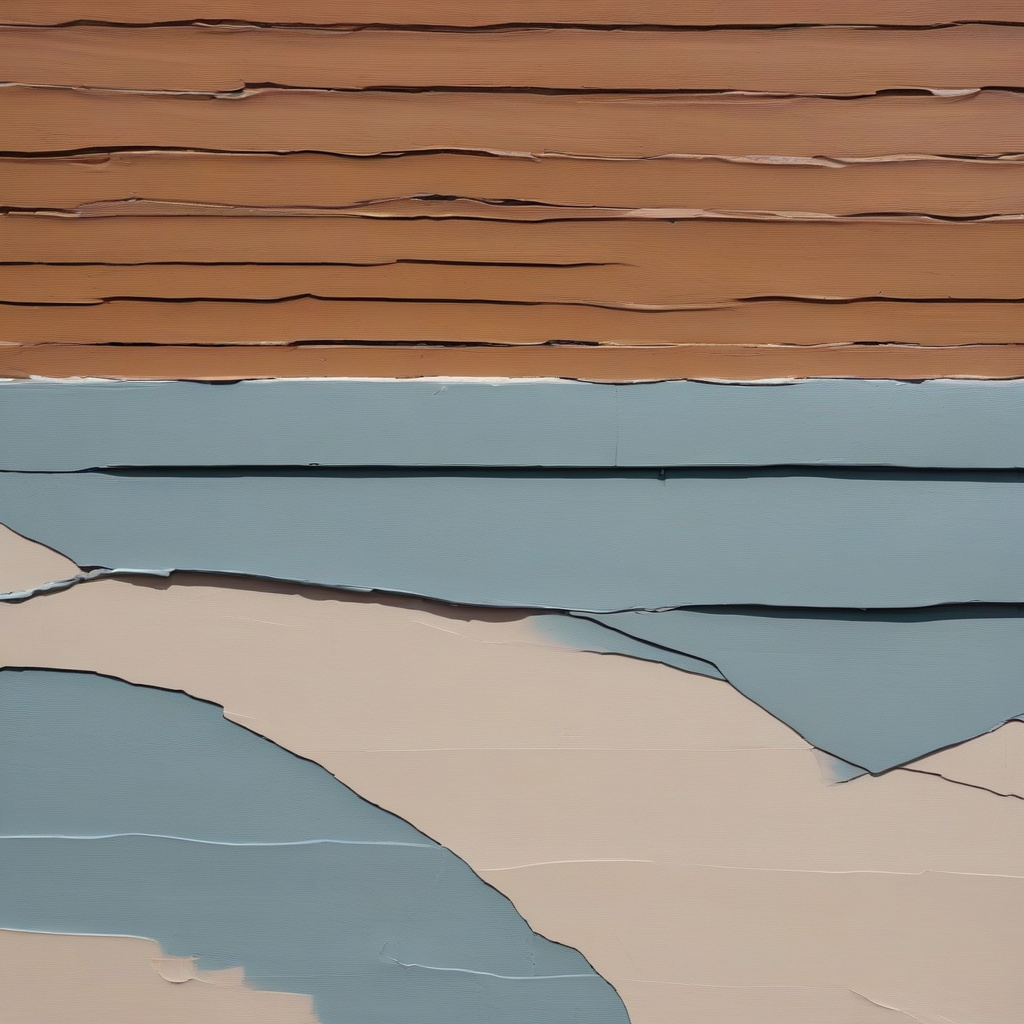
Exterior paints, meanwhile, utilize a more robust concoction. The strong resins in these paints protect against peeling and cracking, critical for the fluctuating temperatures found in Los Angeles. The result is a paint that offers not just beauty but enduring defense against the elements.
Another essential component is the flexibility of exterior paint. Unlike interiors, exteriors expand and contract with temperature changes, necessitating a flexible paint that won’t crack easily. Insight from industry experts consistently points to these flexible additives as game-changers in home renovation decisions and decor.
Ultimately, understanding these details ensures that your paint investment stands the test of climate and time, preserving the value and appearance of your property.
Cost Considerations and Renovation Trends
The bustling remodel scene in Los Angeles offers a unique perspective on the costs and trends associated with paint jobs. While exterior paints might command a higher initial investment due to their complex makeup, the long-term savings on maintenance can offset these expenses. Durability equals fewer touch-ups and longer intervals between repaints.
On the other hand, trends lean towards the rapid evolution of home interiors, with colors changing as often as fashion tides. This encourages a more flexible approach to repainting interiors, where lower-cost paints suffice due to frequent updates instead of long-lasting endurance.
Interestingly, a growing number of homeowners are turning towards eco-friendly and sustainable options. These paints, made with fewer volatile organic compounds (VOCs), cater to a growing eco-conscious demographic while sometimes providing enhanced low-maintenance features.
Factoring in these costs and trends helps homeowners craft budgets that align with aesthetic desires and pragmatic constraints, steering remodeling projects towards successful outcomes.
The balance of cost with trending styles and environmental considerations is key to satisfying both personal and community expectations in remodel projects.
Comparative Table: Interior vs Exterior Paint Properties
| Feature | Interior Paint | Exterior Paint |
|---|---|---|
| Durability | Moderate | High |
| UV & Weather Resistance | Low | High |
| Cost | Lower | Higher |
| Flexibility | Low | High |
| Application | Varied | Specialized |
This table illustrates how the practical characteristics of these paint types align closely with their intended environments and usage priorities.
Planning Your Renovation: Steps to Success
For many Los Angeles homeowners, painting represents more than a mere update; it’s an opportunity for transformation. Preparing adequately for the project can make all the difference. Start by selecting the areas that need a fresh coat and research the suitable paint types for each location. The goal is to align paint choice with the specific conditions the surface will endure.
When painting interiors, consider a palette that reflects the home’s architecture and light sources. Colors can influence mood and perception, playing a significant role in daily life. Consulting with color experts can provide insights into current trend-based choices that resonate with the desired ambience.
For exteriors, prioritize protection. Consider the local climate and how a paint choice withstands sun exposure, rain, and temperature shifts. It’s advisable to look at neighborhoods for inspiration, seeing what works and what doesn’t. Observing successful paint jobs can spark ideas that are practical and stylish.
Engage with professional painters or take a DIY approach based on your confidence and resources. Reviewing insights on project preparation standards ensures the longevity of your renovation efforts.
The process of planning helps demystify the complexities of painting, paving the way for decisions that enhance both beauty and function.
The Lifespan of Paint and Performance Expectations
One often overlooked aspect of the paint selection process is realistic expectations regarding lifespan and performance. It’s essential to recognize that no paint is timeless. Rather, the goal is to select a paint that offers the longest performance for its intended use.
According to industry statistics, high-quality exterior paints can last upwards of 10 years, assuming proper application and maintenance.
The phrase “proper application” cannot be overstated. Preparation and application methods directly influence longevity, making an argument for thorough wall preparations before applying any paint.
In contrast, interiors might require touch-ups more frequently but often don’t need to tackle natural elements. Instead, the focus is on visual harmony and practicality of maintenance, balancing aesthetics and function.
By managing expectations about paint’s life, homeowners can plan for future repainting needs, ensuring that their walls continue to reflect their vision.
Appreciating these nuances aids in regular upkeep and helps avoid prematurely faded facades or dingy interiors.
Conclusion: Why Your Choice of Paint Matters
The choice between interior and exterior paint is more than a preference for color or finish. It’s an investment in the longevity, appearance, and integrity of a home. The waving temptation to overlook the science behind these choices often results in less-than-ideal outcomes.
With Southern California’s climate playing a significant role, the stakes become higher. The right paint can resist the erosive whispers of sun and wind while enhancing curb appeal and home freshness inside.
An expert insight from our architectural consultant revealed that choosing the appropriate paint can increase a home’s market value by 5%.
From distinct compositions to their resistance to different stresses, paints fulfill specific roles that, when utilized correctly, optimize the investment homeowners make in their properties.
Appreciating the depth behind these decisions empowers homeowners to maintain their homes, focusing on aspects that ensure comfort, style, and durable beauty.
- Interior and exterior paints serve distinct purposes and environments, impacting their formulation.
- Resin strength and UV resistance are key differentiators affecting performance in Los Angeles climates.
- Cost and trends influence decision-making, with eco-friendly options gaining traction.
- Proper planning and application methods are crucial for paint longevity and effectiveness.
- Paint choice significantly affects a home’s market value and aesthetic appeal.
“`html
FAQ
What is the main difference between interior and exterior paint?
In real renovation projects, it often becomes clear that the primary difference lies in the formulation of the paint. Interior paints are designed for durability within controlled environments and include lower levels of volatile organic compounds (VOCs) to ensure safer indoor air quality. Exterior paints, by contrast, are formulated to resist weather conditions, UV rays, and temperature fluctuations. They contain resins that offer greater toughness and resistance to peeling or cracking. Homeowners frequently underestimate the importance of selecting the right paint for the environment, potentially compromising both aesthetics and longevity.
How do I choose the right paint for my home project?
Choosing the right paint hinges on understanding the specific needs of your space. For interior spaces, consider factors such as the amount of traffic in a room and the potential for accidental marks—hallways and kitchens may benefit from high-traffic durable paints. For exteriors, focus on longevity and climate conditions; invest in a high-UV resistance formula if your area receives strong sunlight. Many experts point out that testing a small area first can avoid costly mistakes. Consult with local suppliers to match paint formulas to environmental demands, especially in sun-soaked areas like California.
When should I consider using exterior paint inside my home?
Although it might be tempting to use exterior paint indoors due to its durability and weather resistance, it’s usually not recommended due to the higher VOC levels, which can impact indoor air quality. However, in specific high-moisture areas like a basement or an unfinished attic that is prone to environmental stress, exterior paint might make sense as a temporary solution. Yet, always prioritize ventilation and safety when opting for such a choice. It’s often better to consult a professional to see if a specialty interior paint can meet your needs instead.
What common mistakes should I avoid when selecting paint?
One major mistake is selecting paint solely based on price rather than considering its suitability for the environment. Applying exterior paint indoors or vice versa can lead to unsatisfactory results such as poor durability or health issues. Another frequent oversight is ignoring prep work. Many homeowners skimp on cleaning and priming, which compromises the paint’s adherence and lifespan. Don’t forget to factor in the finish; a high-gloss finish, while easy to clean, could highlight flaws on walls. Paying attention to these details can save time and cost in the long run.
What are the cost considerations when buying interior versus exterior paint?
The cost of interior and exterior paints can vary significantly based on their composition and intended use. Exterior paints generally carry a higher price tag due to their added resins and protective features against environmental factors. However, investing in the right quality can prevent costly repairs or repaints. Conversely, interior paint costs less but requires careful selection to ensure it stands up to daily wear without compromising air quality. For tailored advice specific to your renovation budget, consider reaching out to local professionals who can provide guidance based on your area’s conditions and your project’s scale.
What are the pros and cons of using interior paint outside?
Using interior paint for an exterior project can lead to disappointing results. On the pro side, interior paint is often more affordable and available in a wider range of colors. However, the cons significantly outweigh the benefits; it’s not designed to withstand harsh weather, leading to fading, peeling, and quick degradation. Moreover, these paints lack the mildew resistance crucial for external environments. Crafting a successful dwelling finish requires understanding these constraints and aligning with products tailored for tough conditions. Opt for paints specifically developed for exterior use to avoid regrettable long-term damage.
How can I maintain the look of exterior paint on my home?
Maintaining exterior paint extends its lifespan and keeps your home looking fresh. Regular cleaning, ideally twice a year, helps remove dirt, grime, and mildew that accelerate paint aging. Homeowners should inspect for peeling or cracking after storms or seasonal changes. Spot treatments with the original paint can help repairs blend seamlessly. Remember, preparation is as important as the paint itself; proper surface orthodoxy is key to consistent application. If you’re dealing with persistent issues or considering a fresh coat, consulting with a local renovation expert can provide invaluable insights.
What are the benefits and limitations of UV-resistant paints for exteriors?
UV-resistant paints offer tremendous benefits, particularly in sunny regions. They mitigate UV damage, preventing fading, and maintaining the vibrancy of exterior surfaces. In California, where sunlight is abundant, such paint can be a game-changer for homes exposed to intense sunlight. However, these paints can be more expensive and may require a more involved application process, with additional primer and sealing steps. While the upfront investment is higher, the long-term savings in maintenance and repainting can be significant. Assess your home’s unique needs to determine if this option aligns with your renovation goals.
“`