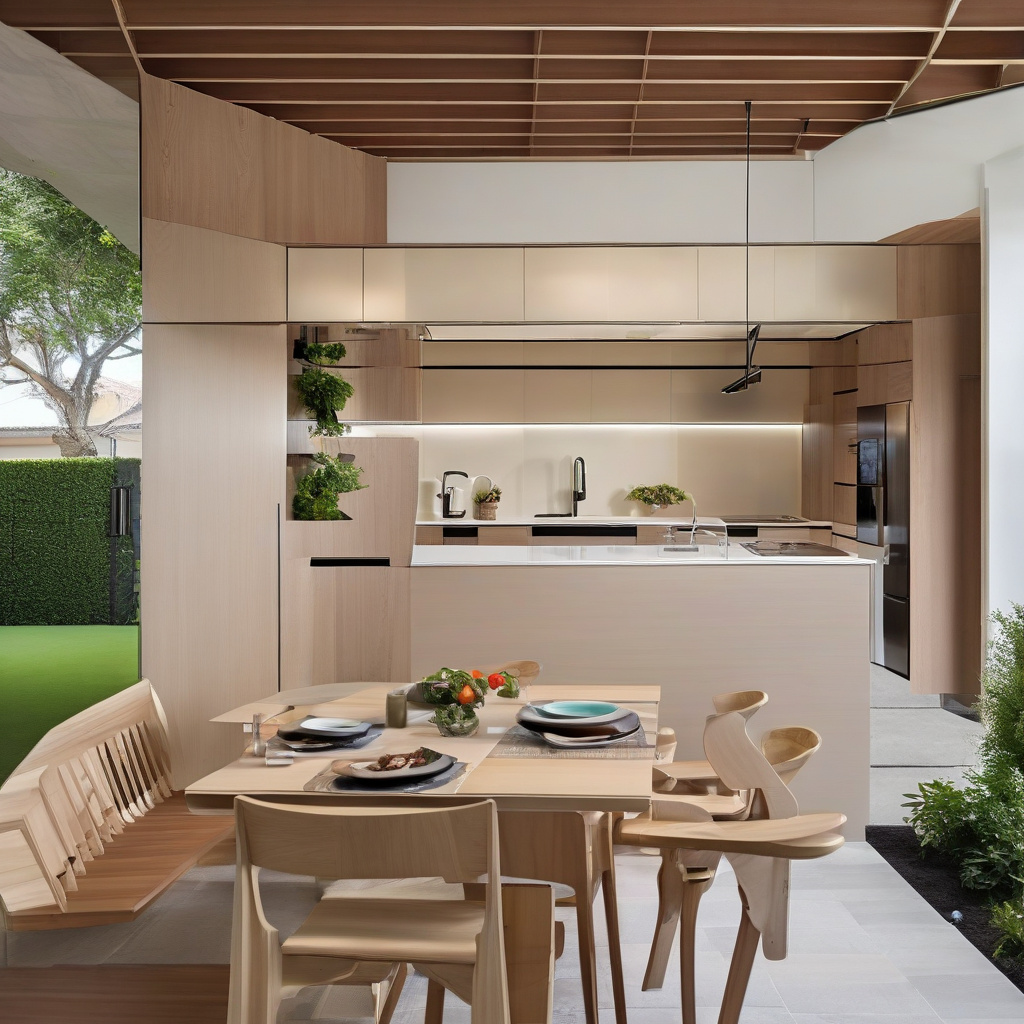
Creating an indoor-outdoor flow between your kitchen and patio isn’t just a trend—it’s a coveted lifestyle shift that Los Angeles homeowners are embracing more than ever. Enabling seamless transitions between indoor and outdoor spaces can transform the way you entertain, relax, and live, offering a greater sense of open space and connectivity with nature.
Brief summary: This article explores the popular renovation trend of creating an indoor-outdoor flow from kitchens to patios, focusing on practical design elements like wide openings, material choices, and layout considerations. It includes real-life examples, cost analysis, and expert insights tailored for Southern California homes.
The Allure of Seamless Transitions: A Southern California Perspective
Los Angeles, with its enviable climate, offers endless possibilities for homeowners striving to blur the line between indoor and outdoor living. The city’s propensity for sunlit days and mild evenings provides an ideal backdrop for renovations that foster outdoor connectivity. As experienced remodelers in California would testify, the key lies in crafting spaces that flow into one another, seamlessly extending living areas beyond the confines of the kitchen.
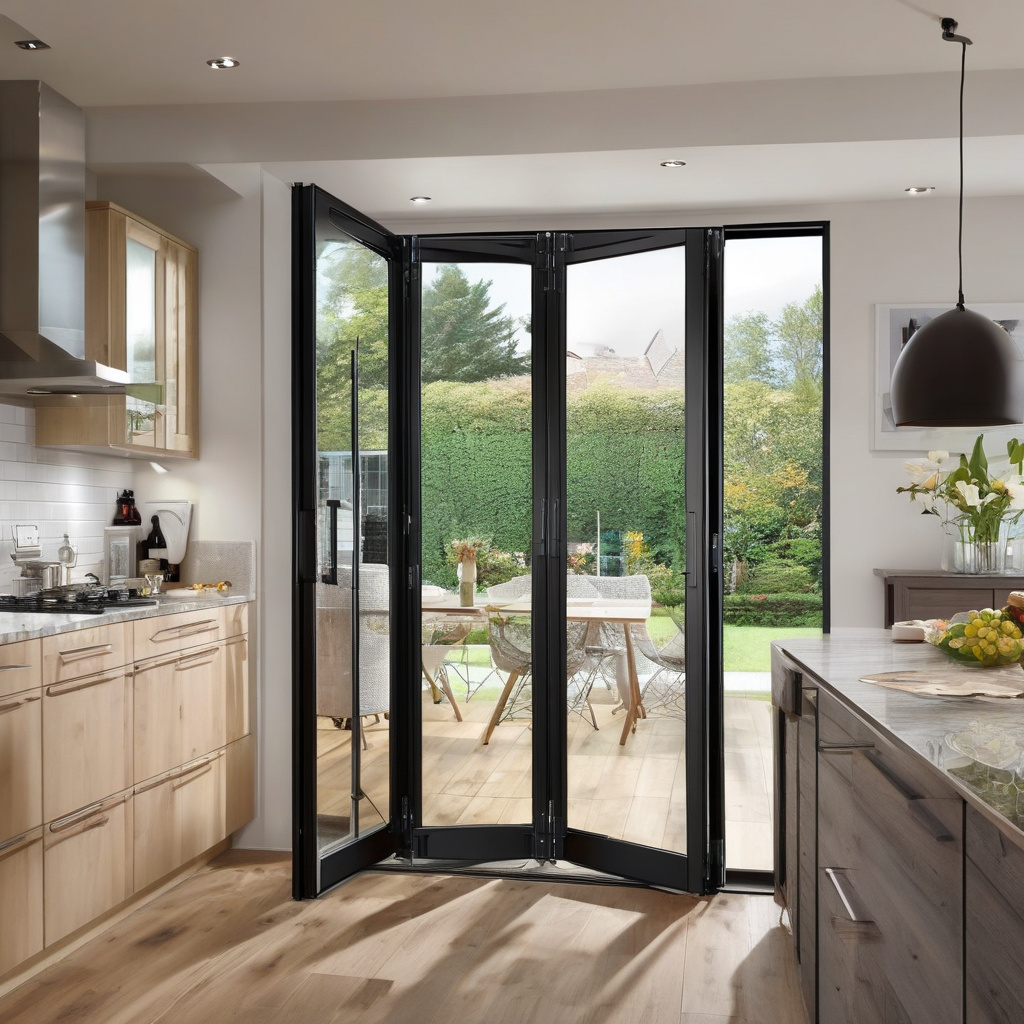
Imagine sliding glass doors that retract to expose a chic patio or a bi-folding wall that transforms your kitchen into an alfresco dining dream. These architectural wonders have reshaped how homes are perceived, offering both aesthetic appeal and functional expansion. Many homeowners, inspired by such designs, report not only elevated property values but an enriched lifestyle, as they transition effortlessly from preparing meals to enjoying them under the stars.
In the greater Los Angeles area, as we see in numerous remodeling projects, the demand for such transformations has been steadily climbing. Whether you’re renovating an existing space or starting from scratch, understanding the nuances of construction and material selection is crucial. These decisions can make all the difference in creating a truly harmonious indoor-outdoor flow.
Ultimately, this seamless transition isn’t just about aesthetics— it’s also about flexibility and flow, fitting perfectly with the dynamic Southern Californian lifestyle.
Planning Your Remodeling: Layout Innovations and Costs
When approaching a project of this nature, it’s important to consider both spatial logistics and financial implications. Particularly in urban environments like Los Angeles, where space comes at a premium, intelligent design can unlock potential you never knew existed. The most successful transformations begin with a clear understanding of how to maximize spatial flow without forsaking function.
Layouts should prioritize ease of movement and sightlines. This might involve realigning your kitchen’s main activities—like cooking, eating, and socializing—to naturally extend towards your outdoor areas. Bringing in consultants and architects who specialize in open layouts can illuminate possibilities that might otherwise go unnoticed.
Budgetary considerations are, of course, paramount. Creating a flow from your kitchen to your patio can vary dramatically in cost based on size, materials, and labor. To illustrate, the table below compares basic renovation options:
| Option | Approximate Cost | Material | Timeline |
|---|---|---|---|
| Basic Sliding Doors | $10,000 – $15,000 | Glass and Aluminum | 4 Weeks |
| Bi-Folding Wall | $20,000 – $30,000 | High-Strength Wood | 6-8 Weeks |
| Custom Remodel | $50,000+ | Composite & Dual-Material | 8-12 Weeks |
The table above provides a snapshot of the fiscal landscape, showcasing not just the financial investment involved but also the material choices and timelines. For those looking to dive deeper into layout decisions, explore practical tips at choosing the right kitchen paint for your extended outdoor areas.
An informed approach to planning lays the groundwork for a successful renovation, mitigating surprises and aligning your project with both your vision and your wallet.
“The integration of indoor-outdoor spaces can increase home values by up to 30% in certain Los Angeles neighborhoods,” notes a leading real estate expert.
Material Choices: Crafting a Cohesive Aesthetic
As you embark on your renovation journey, selecting appropriate materials is vital, not just for immediate visual coherence but for long-term sustainability and durability. In Southern California, where sun and occasional drizzles dictate choice, the materials you choose must withstand varied conditions without losing their luster.
For flooring, options like natural stone tiles or polished concrete not only weather well but also harmonize beautifully with indoor finishes. It’s not uncommon for Los Angeles homeowners to complement their kitchen’s design with outdoor decking in composite wood or durable tiles known for their heat resistance. By selecting materials that can shift in and out smoothly across thresholds, you can maintain a unified aesthetic that is both inviting and practical.
Consider cabinetry nuances such as exploring handleless kitchen cabinetry to maintain a sleek look while ensuring that outdoor elements won’t compromise functionality. These subtle choices can make all the difference in forging a transitional space that genuinely resonates.
The harmony between internal and external materials sets the stage for spaces to converse seamlessly. More than just a visual treat, this synthesis elevates everyday living into an experience rooted in timelessness and elegance.
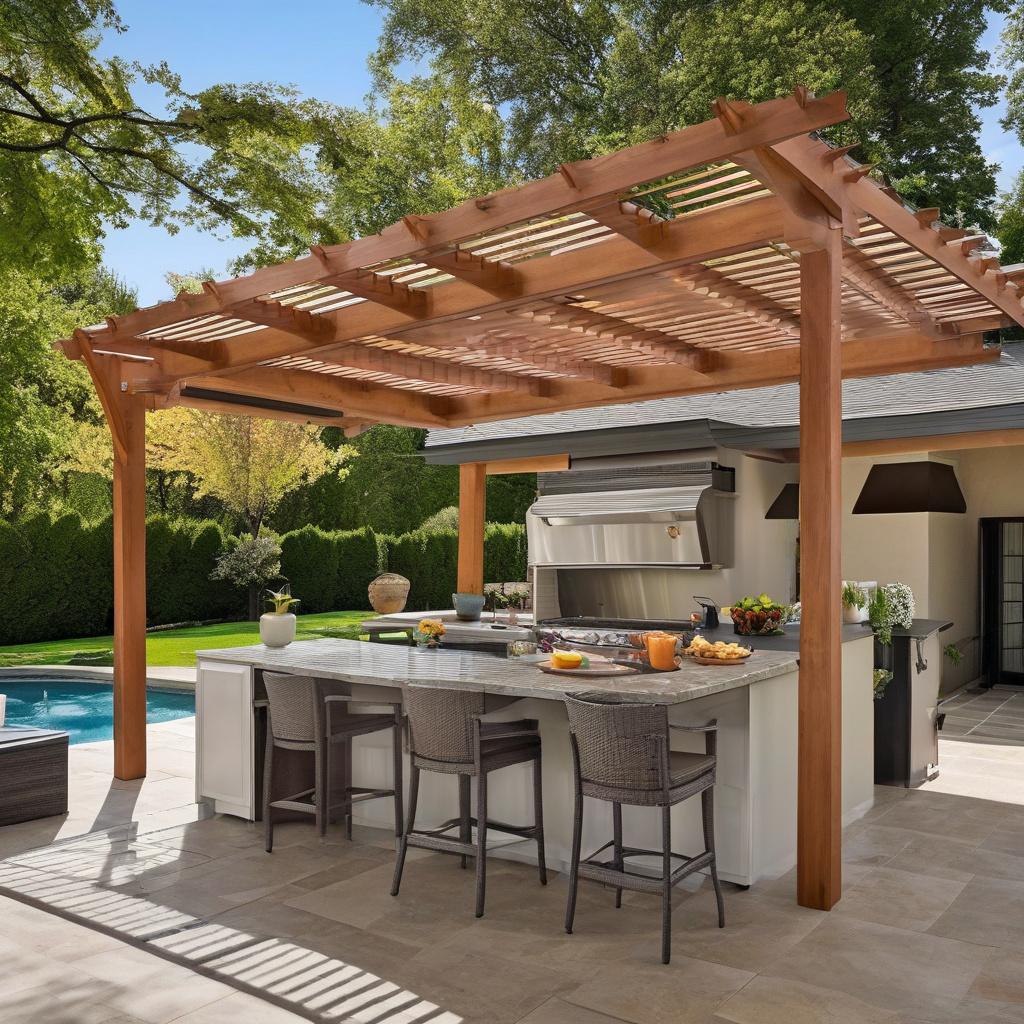
Practical Steps for Enhancing Indoor-Outdoor Flow
For homeowners eager to plunge into the world of indoor-outdoor transformation, understanding the practical steps involved is crucial. From planning through execution, synchronizing efforts ensures the final output is a dream fulfilled, not an ongoing saga.
- Define Your Goals: Start by clarifying what you hope to achieve with your renovation—better entertaining spaces, increased light, or enhanced views?
- Consult Experts: Engage with architects or remodelers experienced in open-plan living to refine your vision into a feasible project roadmap.
- Prioritize Key Elements: Focus on integrating pivotal features like wide openings, weather-resilient materials, and streamlined indoor flow towards your patio.
- Seek Permits and Approvals: Navigating the intricate permit process in Los Angeles can halt a dream in its tracks if not handled early and proficiently.
- Step into Execution: Collaborate closely with contractors to ensure that the timeline, costs, and design details align perfectly with your plans.
By adhering to these orchestrated steps, you guarantee an uninterrupted journey from planning to patio bliss.
Insight from a renowned construction specialist highlights that “starting with a cohesive design vision and sticking through the detailed planning stage prevents costly adjustments mid-project.”
Balancing Costs and Returns: What Homeowners Should Consider
Renovation enthusiasts must weigh the costs of creating an indoor-outdoor flow against the potential returns. While the initial outlay might seem formidable, the investment can pay returns in manifold ways—transformational living experiences and raised property valuations in prime markets.
Maintaining financial prudence while fleshing out dream designs involves choosing elements that provide the highest impact per dollar spent. This might mean prioritizing structural rather than superficial changes, or opting for quality materials that guarantee low maintenance and high durability.
It’s imperative to comprehend the stages of home value escalation associated with renovation. Equally critical is keeping abreast of financing options, from tapping into home equity to selecting energy-efficient solutions that may offer rebates. Many homeowners in Los Angeles find themselves planning renovations with a sharp eye on future-proofing, ensuring their layouts accommodate evolving needs while maximizing resale value.
Ultimately, any investment in enhancing indoor-outdoor flow should be measured against the potential lifestyle uplift. In the warm climate of Los Angeles, the benefits of expanded cooking and dining areas extend far beyond aesthetics, intertwining with family time and social gatherings.
Beyond Renovation: Enhancements to Consider
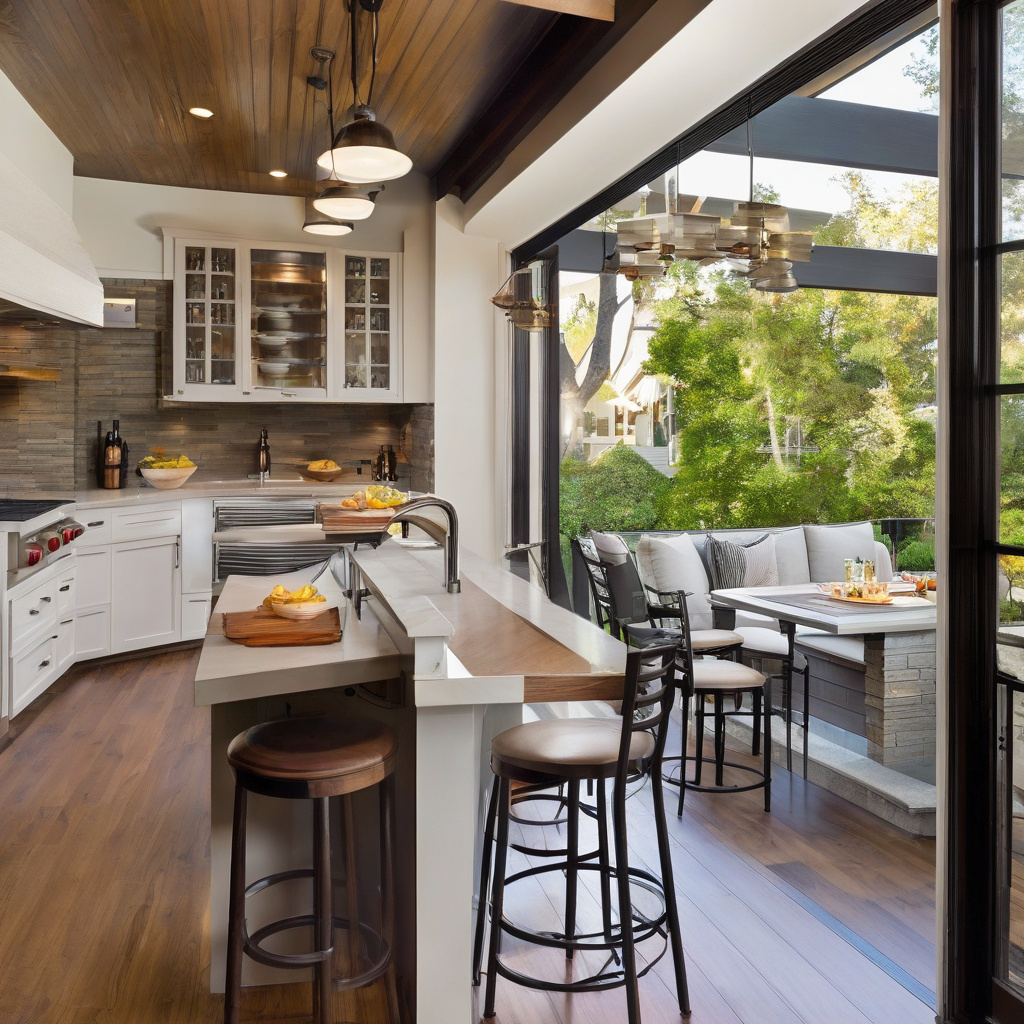
Even after the dust settles and the last nail is hammered, the possibilities for enhancing your indoor-outdoor flow remain. Thoughtful improvement doesn’t necessarily end with structural changes; it evolves into selecting suitable accessories, decor, and furniture arrangements that eloquently unify spaces.
Opt for sustainable fixtures that complement both your indoor aesthetics and outdoor resilience. Lighting, too, plays a pivotal role. Strategically placed fixtures can accentuate features, draw spaces together, and create an inviting ambiance reflective of a relaxed, sophisticated lifestyle.
A vital facet often overlooked is considering the optimal height and placement of upper kitchen cabinets relevant to new spaces. This not only ensures practicality but directly affects visual continuity.
Furnishing each space to echo the other may include matching colors or coordinating themes—executing these ideas ensures a symphony of design where each space, while distinct, speaks of a singular architectural narrative.
A recent study notes that “design continuity in indoor and outdoor spaces significantly enhances the homeowner’s experience and can contribute to a heightened sense of well-being and relaxation.”
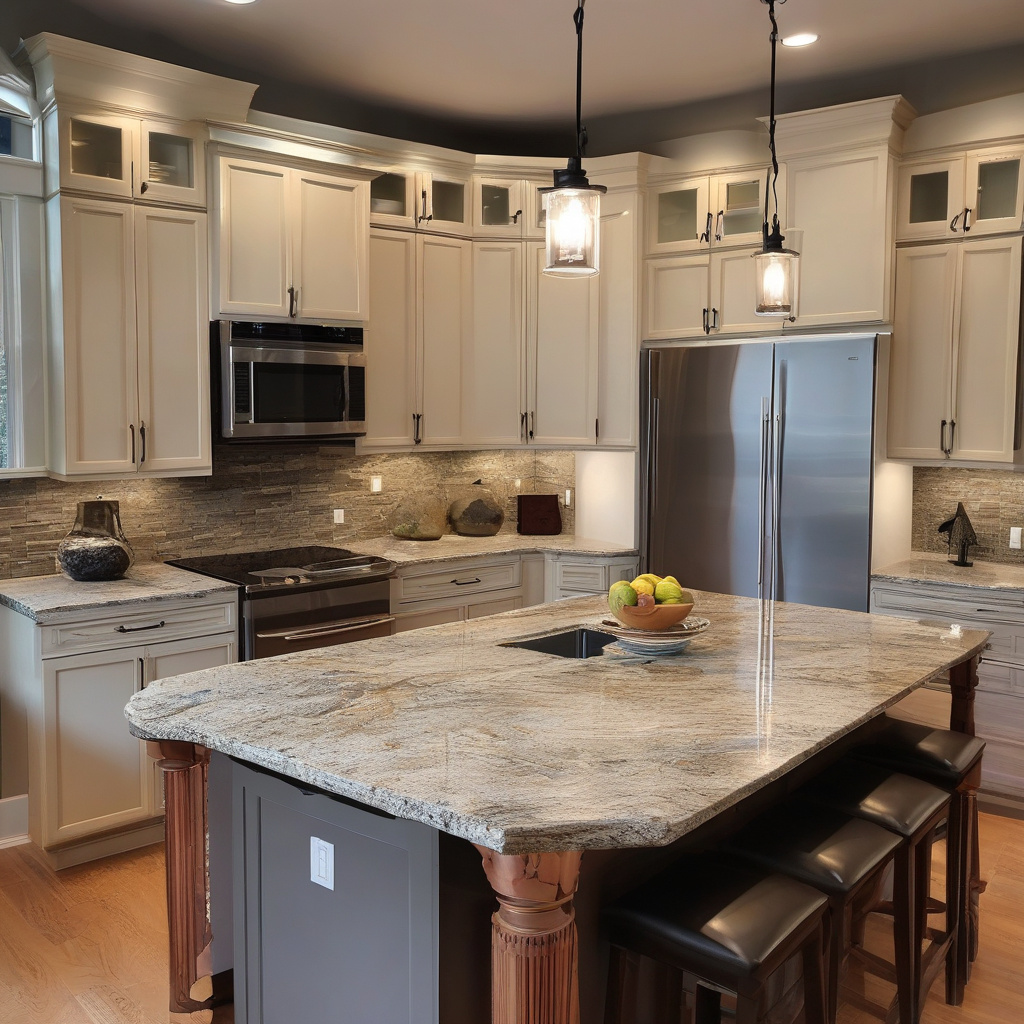
- Seamless indoor-outdoor transitions enhance both home value and lifestyle.
- Appropriate material and layout choices are crucial for a successful renovation.
- The financial investment can yield substantial returns in property values.
- Practical planning and expert consultation streamline the renovation process.
- Even after construction, thoughtful design choices continue to enhance space connectivity.
“`html
FAQ
What defines an indoor-outdoor kitchen flow?
Indoor-outdoor kitchen flow is all about creating a seamless transition from your kitchen to your patio or outdoor living space. In practice, this involves architectural elements like wide sliding glass doors or folding patio doors. Many experts point out that strategic alignment of floor materials and color continuity can contribute to a unified aesthetic that blurs the boundaries between indoor and outdoor areas. More than just a visual connection, effective flow often requires considering how activities move between spaces, such as cooking indoors and dining outdoors or vice versa.
How do you choose the best materials for an indoor-outdoor kitchen?
Selecting the right materials is crucial, as they must withstand different environments. Many homeowners in California opt for weather-resistant decking or tiles that correspond with indoor flooring. Pavers and treated wood are popular choices for durability and style cohesion. In real renovation projects, it often becomes clear that selecting patio-ready materials that complement your indoor style ensures longevity and maintains aesthetic appeal. Always consult with a professional to assess your specific climate challenges to make informed material choices.
When is the best time to incorporate an indoor-outdoor kitchen flow in your home?
Integrating an indoor-outdoor kitchen flow is best done during a major kitchen remodel or when planning new builds. These projects allow for structural changes that might be necessary, like adjusting door and window placements. Many renovation experts suggest that aligning this project with other home improvements can maximize efficiency and cohesiveness, keeping disruptions to a minimum. For example, if you are considering an energy-efficient update, it might be the perfect opportunity to consider larger energy-efficient windows or doors for your space.
What are common mistakes homeowners make when creating indoor-outdoor flow?
A frequent mistake is neglecting the local climate and environmental factors. Homeowners often underestimate the impact of seasonal changes and the wear they can inflict on furnishings and materials. Another error is opting for design over functionality, such as installing heavy doors that are difficult to operate or failing to provide adequate shade or heating for comfort. It’s wise to consult experts who can foresee potential challenges and suggest practical solutions that fit your lifestyle and environment. For tailored guidance, consider reaching out via this helpful contact form.
What are the cost considerations for an indoor-outdoor kitchen flow?
While costs can vary significantly based on the scale of the project, materials chosen, and location, an indoor-outdoor kitchen flow typically involves expenses related to structural adjustments, doors and windows, flooring, and outdoor features like countertops or water lines. Many experts advise budgeting for unforeseen expenses; for instance, uncovering structural issues needing correction. A strategic approach to investment will consider both immediate needs and long-term utility, balancing aesthetics with practical, comfortable living.
What are the pros and cons of creating an indoor-outdoor kitchen space?
The advantages are evident: an indoor-outdoor kitchen enhances the living experience by facilitating easy movement between spaces, allowing you to enjoy nature while maintaining the functionality of the kitchen. It often increases property’s aesthetics and value. However, challenges include potential high costs, the need for climate-appropriate materials, and maintenance demands. In older properties undergoing renovation, these issues can be more pronounced, requiring creative solutions from seasoned professionals to navigate constraints effectively.
What maintenance is required for an indoor-outdoor kitchen connection?
Maintenance involves regular cleaning and checking of door mechanisms, weather stripping, and seals to ensure they continue to perform well. Homeowners frequently neglect the periodic resealing of natural stone or resealing wood finishes, which helps to preserve them against varying weather conditions. Implementing a scheduled maintenance routine can preemptively address issues, thus extending the life and utility of both indoor and outdoor features. In regions like California, where weather can vary, such diligent upkeep becomes even more significant.
How do you ensure a seamless transition between your kitchen and outdoor space?
Ensuring a seamless transition involves aligning materials and styles across both spaces. Utilizing similar or complementary ground materials, like matching tile indoors and out, is instrumental. Furthermore, continuity in color schemes or design language across furnishings and accents enhances the visual connection. Echoing interior design elements in your outdoor area, such as similar lighting fixtures or thematic furnishings, can tie the two spaces together wonderfully, crafting an inviting and functional indoor-outdoor living experience.
“`