In the bustling households of Los Angeles, where traffic jams can extend from freeways to doorways, the chaos of morning routines can be a battleground. For families sharing a single kids’ bathroom, the struggle is real. Picture this: siblings jostling for space, counter tops cluttered with myriad toiletries, and time ticking down while squabbles about who goes next reach crescendo levels. It’s a scenario that’s screaming for a change. Enter the realm of shared kids’ bathroom designs, a renovation revolution that promises to bring order to morning mayhem. These innovative concepts emphasize double zones, smooth-clean finishes, and ingenious storage solutions, making mornings manageable once more.
Brief summary: This article explores design strategies for a shared kids’ bathroom aimed at reducing morning chaos in busy households. It discusses double zones, easy-clean finishes, and smart storage options as practical solutions, providing insights from real renovation projects in Los Angeles and Southern California.
Double Zones: A Game-Changer in Bathroom Design
Imagine a bathroom where two sinks coexist peacefully, each with its own designated space for kids to navigate their morning rituals. Double zones—featuring dual vanities or back-to-back sinks—are emerging as a transformative trend in shared bathroom design. The logic is simple yet profound: splitting tasks into dedicated areas reduces friction and crowding. Families in Los Angeles are increasingly opting for this layout innovation, allowing siblings to brush, wash, and preen without stepping on each other’s toes. The strategic design not only saves time but also nurtures independence as children manage their spaces.
Real-life examples abound. Take the Gonzalez family from Santa Monica, whose remodeled kids’ bathroom features a clever peninsula sink, providing both privacy and connectivity. They found that while their twins engaged independently, supervision was still possible from a central point. As more locals are realizing the benefits, these dual setups are no longer a luxury but a necessity in multi-child households. Often paired with clever built-in cabinetry, this design ensures every member has access to personal storage allocated to their needs.
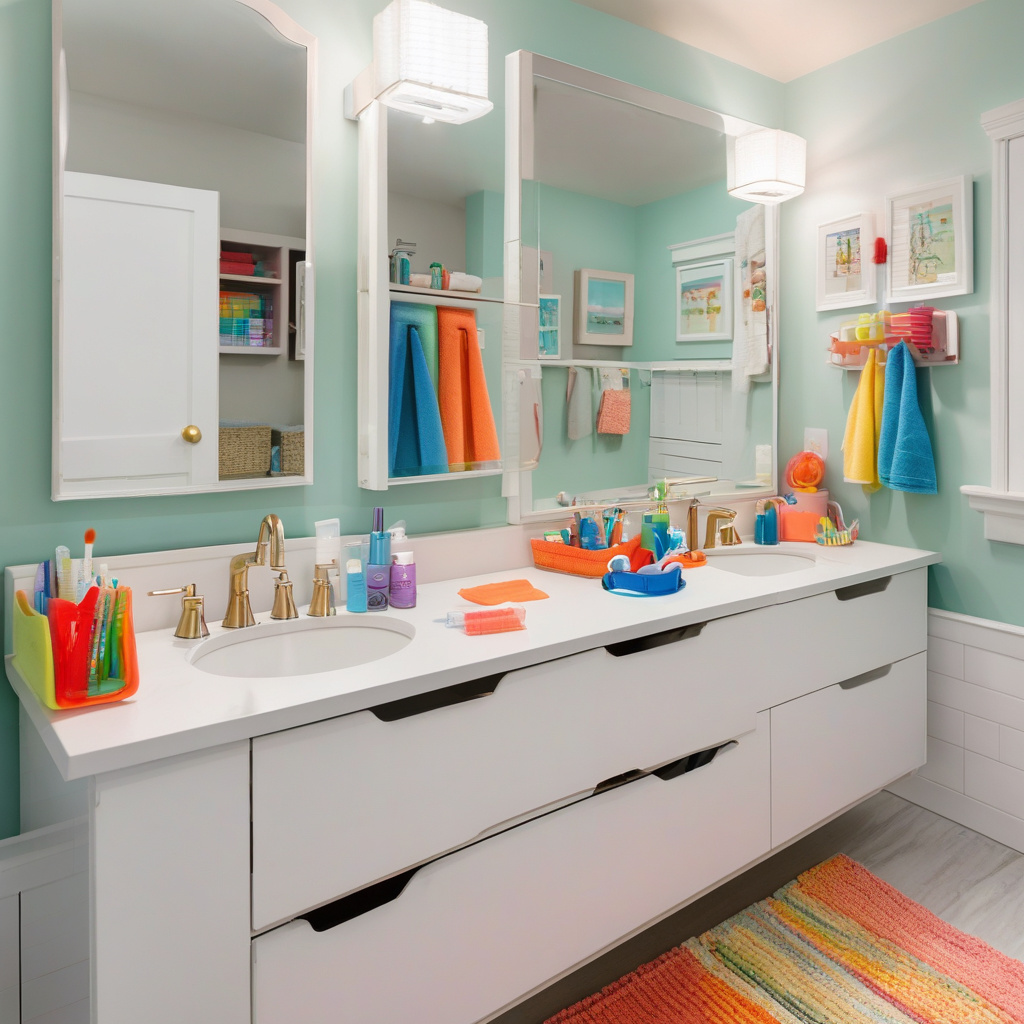
Importantly, double zones are aesthetically flexible, fitting into both contemporary and traditional styles. Color schemes and fixtures can either blend with the home’s overall theme or stand out as a vibrant feature. With sturdy materials like engineered quartz or solid-surface Corian, durability meets style—a critical consideration for families.
In sum, double zones not only declutter the physical space but also reduce psychological stress, making mornings more pleasant for everyone involved.
Easy-Clean Finishes: The Unsung Heroes
In any high-traffic environment, cleanliness is next to godliness. This is especially true for kids’ bathrooms, notorious for spills and splashes. That’s why easy-clean finishes are becoming a cornerstone of practical design. Think antimicrobial surfaces, stain-resistant tiles, and grout-less backdrops, all working in tandem to simplify the cleaning process. In Southern California, where bathroom updates are frequent, these finishes are a boon for parents eager to minimize maintenance woes.
Industry experts like Rachel Kim, a renowned interior designer from Los Angeles, emphasize using materials that repel dirt and resist water. Her advice? “Go for ceramic or porcelain tiles with a glossy finish. They’re easier to wipe clean and hold less grime between scrubs.” This tip reverberates through households that have adopted her ethos, finding that easier maintenance translates to more free time for family activities.
Moreover, silicone-based sealants and waterproof wallpapers add another layer of protection against the inevitable usage wear and tear. These finishing touches offer the air of sophistication while stealthily fighting mold and mildew. Homeowners in Pasadena have shared success stories where switching to non-absorbent fixtures drastically reduced cleaning time—transforming a once-dreaded chore into a manageable task.
Ultimately, choosing easy-clean finishes represents a significant step forward in both hygiene and efficiency, bringing peace of mind to busy parents.
Smart Storage Solutions: Clutter’s Worst Enemy
Storage, the silent orchestrator of organization, turns chaos into order with its thoughtful placement and efficient utilization. Smart storage solutions are revolutionizing bathroom design by ensuring everything has its place, from toothbrush holders to bath toys. The mantra is simple: declutter to destress. Parents in Long Beach, for example, are increasingly investing in storage systems tailored to specific family needs.
Practicality meets customization with built-in shelves, mirrored cabinets with hidden compartments, and pull-out drawers. These elements help maximize small spaces while keeping them visually cohesive. One popular solution is a carousel cabinet tucked neatly beneath a sink, a patent-pending feature favored in homes that crave both accessibility and aesthetic appeal. As a result, morning routines become swift and seamless.
According to a recent survey, over 65% of families with children under 18 report that enhanced storage solutions improved their daily routines and reduced intra-family conflicts.
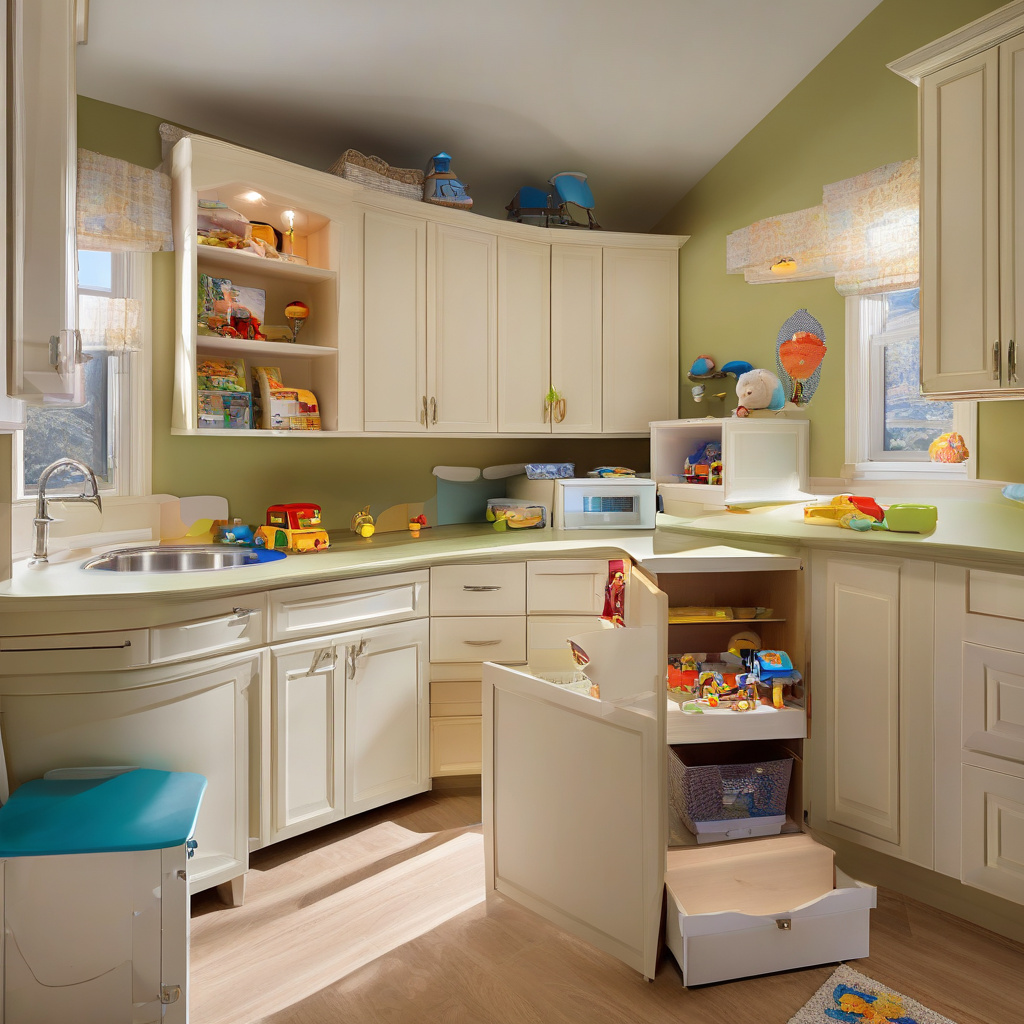
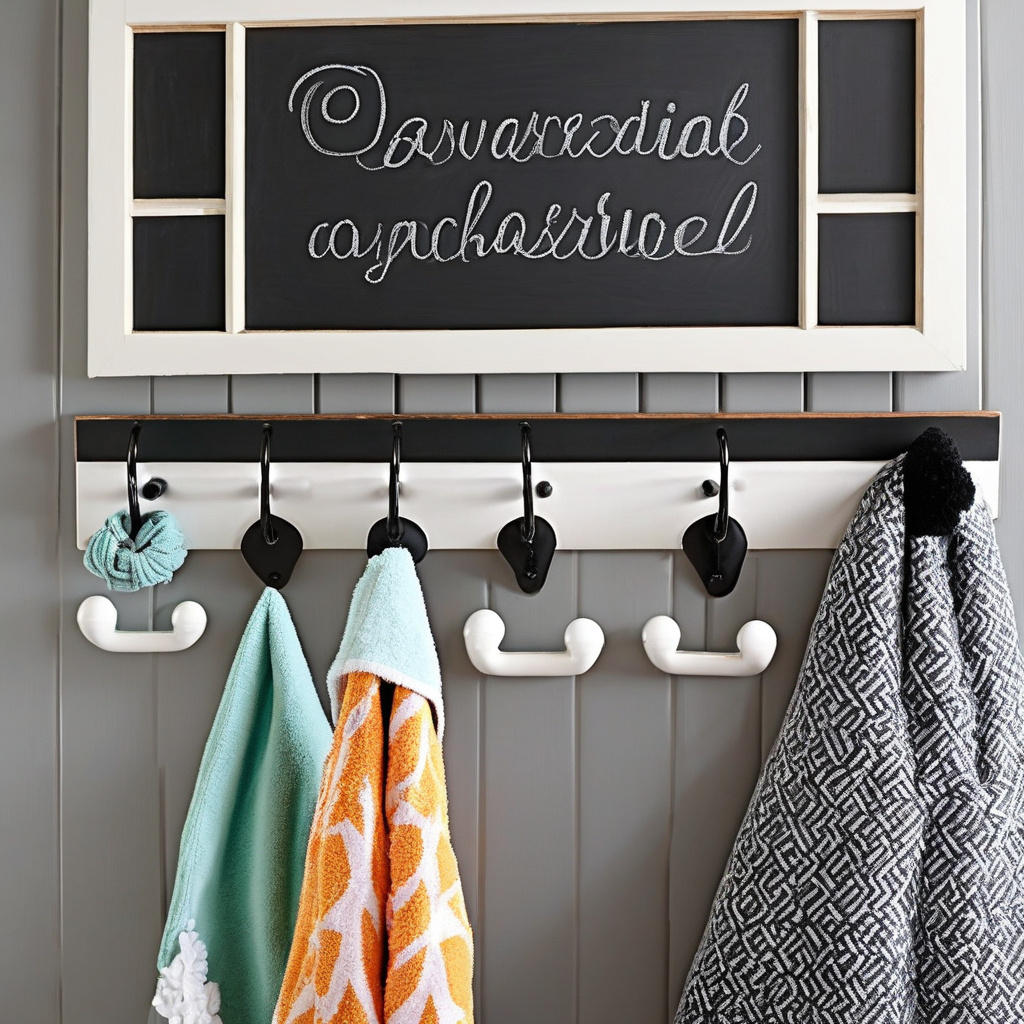
Another trending practice is clever labeling. By assigning clearly marked spaces for each child, parents minimize disputes over territory, making shared bathrooms a harmonious experience. As families adapt these storage strategies, they find not just improved functionality but also a sense of shared responsibility among their young ones.
In conclusion, strategic storage solutions provide an unseen backbone to any efficient bathroom, supporting the daily dance of modern family life.
Fixtures: From Function to Flair
One cannot ignore the role of fixtures in the grand scheme of bathroom design. Beyond mere cameo appearances, faucets and fittings can sway a room’s vibe from mundane to mesmerizing. As families ponder their options, debates often arise: should one lean towards the classic, gleaming charm of chrome, or embrace the bold sophistication of matte black? Exploring fixture choices can provide both practical and aesthetic insights.
Expert designer, John Dorian from Dorian Designs, advises that, “Choosing the right fixtures can elevate bathroom aesthetics and efficiency. Consider sensor-activated faucets for hygiene while keeping an eye on the cohesion with existing styles.”
Families often opt for a mix of function and fashion, selecting touchless fixtures to curb unnecessary contact while adding a stylish finish. The sleek designs and advanced technology underlying these features are especially appealing in Southern California, where trends lean towards a seamless blend of modernity and functionality.
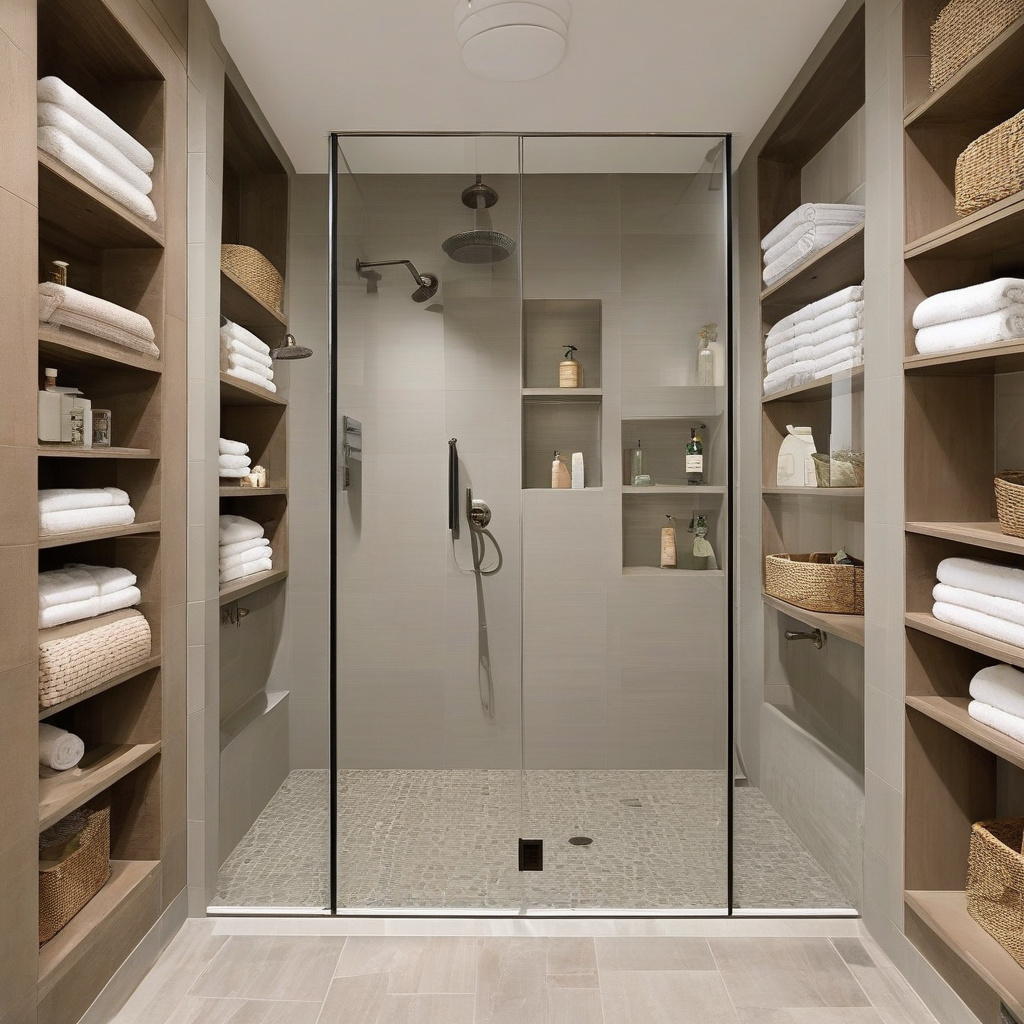
The cost spectrum for these fixtures varies significantly, encouraging prudent decision-making. While chrome is traditionally less expensive, the splurge-worthy allure of black provides a stark contrast that many find irresistible amid minimalist decor.
By carefully selecting fixtures, families not only refine their bathrooms’ aesthetics but also enhance the functional dynamics, creating a space that truly works for everyone.
Cost and Materials: Making Sense of the Dollars
In a city known for its glitz and glamour, the cost of bathroom renovations can add up quickly. Deciphering where to spend and where to save is essential. Families must weigh the merits of various materials, each with its distinctive allure and price point. From the resilience of marble to the cost-effectiveness of ceramic, choices must reflect both family needs and budget constraints.
Consulting with industry professionals is advised, especially when considering versatile mirrors that serve both functionality and decorative purposes, such as those outlined in our comprehensive guide on bathroom mirrors. Analyzing these options allows for informed decisions, helping homeowners breathe life into customized designs while staying true to their budgets.
| Material | Average Cost/sq ft | Durability | Maintenance |
|---|---|---|---|
| Marble | $50 – $100 | High | Moderate |
| Ceramic | $1 – $15 | Medium | Low |
| Quartz | $40 – $75 | High | Low |
Understanding these variables helps families forecast project expenses and tailor their selections accordingly. With forethought and expert advice, Los Angeles homeowners can successfully navigate the often-turbulent waters of renovation, arriving at a haven built for both function and beauty.
Bringing Natural Light into the Equation
While functionality holds its ground, the atmosphere in a bathroom significantly impacts its utility and appeal. Balancing illumination with aesthetic finesse is not only important but necessary. Natural light, in particular, works wonders for any space, accentuating design elements and enhancing the overall experience. Exploring ways to introduce or maximize natural lighting can deliver transformative results, as discussed in our section on enhancing bathrooms with natural light.
Research indicates that natural light can enhance cognitive function and mood, making any space feel more inviting and less industrial.
Skylights and strategically placed windows can breathe new life into even the most compact of bathrooms. In Los Angeles, where sunshine is as abundant as palm trees, harnessing this natural resource is both environmentally savvy and visually stunning. Families who have incorporated such features speak of brighter mornings and positive domestic energy.
Indeed, the fusion of light and design transforms simple bathrooms into engaging retreats. The interplay of sunbeams on beautifully textured tiles or patterned shower curtains can be the difference between a functional room and a cherished space.
In conclusion, strategic use of natural lighting epitomizes the essence of holistic design—functional, welcoming, and organic.
- Double zones and dual vanities help streamline morning routines and reduce family conflicts.
- Easy-clean finishes minimize maintenance efforts, freeing up valuable time for busy parents.
- Smart storage solutions declutter spaces, turning chaos into order and encouraging responsibility in children.
- Thoughtful fixture choice balances aesthetics with functionality, impacting the overall vibe of the bathroom.
- Natural light elevates the atmosphere and energy of the bathroom, making it more inviting and vibrant.
“`html
FAQ
What are the key elements of an effective shared kids’ bathroom design?
In real renovation projects, the key elements of a shared kids’ bathroom revolve around functionality and ease of use. A double zone setup is frequently highlighted as it allows multiple children to use the space simultaneously without bumping into each other. Easy-clean finishes, such as waterproof wall coverings and stain-resistant floors, are practical choices that stand up well to daily wear and tear. Storage solutions are crucial too; consider incorporating built-in cabinets or baskets that provide ample space for each child’s personal items, minimizing morning clutter. Smart organization like labeled bins can help kids know exactly where their belongings are, fostering independence.
How do you choose the right fixtures for a shared kids’ bathroom?
Choosing the right fixtures involves balancing durability with function. In many Californian homes, a double sink vanity is a top choice because it helps streamline morning routines and reduce waiting time. Opt for faucets with touchless features, as they foster cleanliness and are simpler for children to use. Similarly, anti-scald valves can be a wise investment to prevent accidental burns. Additionally, many experts recommend installing a handheld showerhead for more flexibility, especially for families with young children who might need assistance during bath time. Remember to ensure that the fixtures are installed at accessible heights to accommodate younger users comfortably.
When does it make sense to redesign a kids’ bathroom?
Deciding to redesign a kids’ bathroom often coincides with changes in family dynamics or the age of the children. For example, many families choose to embark on redesign projects when their children start school, and time becomes of the essence in the morning. If the bathroom’s current layout causes frequent bottlenecks or arguments, it may be time for a refresh. Similarly, as children grow, safety needs might necessitate installing new features like non-slip surfaces or adjustable showerheads. In some cases, poor existing infrastructure, like outdated plumbing, could spur a renovation to improve functionality and efficiency.
What are common mistakes people make when designing shared kids’ bathrooms?
A frequent oversight in shared kids’ bathroom designs is underestimating the importance of robust storage solutions. Homeowners often make the mistake of prioritizing aesthetics over utility, leading to insufficient space for essentials, which can exacerbate morning chaos. Another common error is neglecting future needs; children grow fast, and their bathroom requirements evolve. It’s crucial to choose fixtures and finishes with longevity in mind to avoid costly updates later. Additionally, some overlook the potential hazards of inadequate lighting, which can make the bathroom less safe and functional, particularly during early morning hours or in older properties where natural light may be limited.
How much does it typically cost to renovate a shared kids’ bathroom?
The cost to renovate a shared kids’ bathroom can vary widely based on the scope of the project and selections of materials and fixtures. On average, homeowners in the US might spend anywhere from $5,000 to $15,000 for a mid-range update that includes new fixtures, flooring, and some custom cabinetry. However, pricier renovations, involving significant changes or luxury finishes, might escalate costs beyond $20,000. To ensure budgets stay on track, it’s beneficial to work closely with a contractor who understands your vision and can provide clear pricing for materials and labor. For personalized guidance on project costs in your area, check our expert consultation services.
What are the pros and cons of using double zones in a kids’ bathroom?
Double zones in a kids’ bathroom offer several advantages, primarily in easing morning routines by allowing multiple children to use the space simultaneously. This setup can be particularly advantageous in busy households, reducing both stress and time spent waiting. On the downside, implementing double zones can require more space and potentially elevate the renovation cost due to the need for additional plumbing and larger fixtures. During the decision-making process, it’s important to weigh the layout’s spatial requirements against the bathroom’s existing dimensions to ensure a practical fit. For more information on adapting this concept in your renovation, please reach out through our renovation discussion link.
What are some maintenance tips for shared kids’ bathrooms?
Maintaining a shared kids’ bathroom can be challenging, but with some strategic efforts, it becomes manageable. Employ durable and water-resistant materials to minimize wear; products like porcelain tiles and quartz countertops are excellent choices. Regularly check and tighten fixtures to prevent leaks, which are common in high-use spaces. Establish a cleaning schedule to keep grime at bay and encourage children to tidy up after themselves. Drains should be routinely inspected for clogs caused by hair and soap buildup. Consider using organizers and trays to keep toiletries organized, which not only helps maintain order but also extends the lifespan of surfaces by preventing damage from standing water and spills.
Are there any regional considerations for designing shared kids’ bathrooms in California?
Designing a kids’ bathroom in California presents unique considerations, not least due to the state’s climate and environmental regulations. For instance, water conservation is paramount, so installing low-flow toilets and fixtures is highly recommended and often required by local codes. In terms of design, bright, airy spaces that leverage natural light can be particularly effective in Californian homes, enhancing both aesthetics and energy efficiency. However, heat can be a concern, so considering cooling materials and proper ventilation is essential. If you have specific questions about compliance or material selection, our team is ready to assist. Please feel free to contact us for detailed guidance.
“`