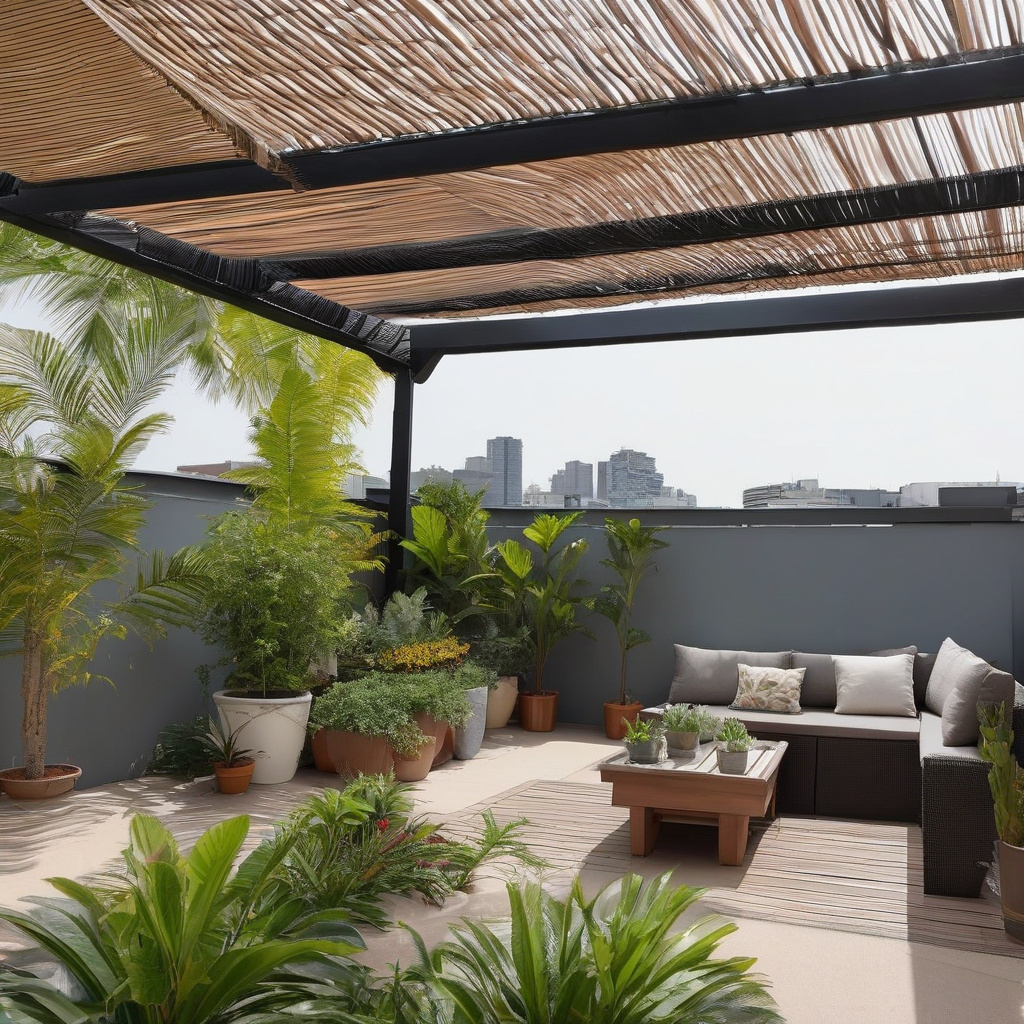
Flat roofs over patios and balconies are a quintessential feature in Los Angeles homes, reflecting the region’s affinity for compact suburban living while offering homeowners an outdoor retreat to enjoy the sun-drenched climate. However, these architectural elements often require meticulous maintenance to keep them in pristine condition. Regular upkeep ensures that these roofs do not succumb to the notorious ponding phenomenon that could undermine the waterproof membranes critical for their longevity.
Brief summary: This article explores essential maintenance tips for flat roofs over patios and balconies in Los Angeles, emphasizing debris removal, drainage clarity, and membrane upkeep. The discussion covers regional challenges, renovation options, and practical homeowner experiences, offering reliable insights into safeguarding these architectural features.
Understanding the Nuances of Flat Roof Maintenance
In the glamorous world of Los Angeles architecture, where every square foot is a prized asset, flat roofs over patios serve dual purposes: aesthetic enhancement and functional space. Yet, maintaining these structures flights inevitably brings certain challenges. The absence of a natural slope often results in water accumulation, a persistent issue exacerbated by debris build-up and clogged drainage systems.
Homeowners across Los Angeles often face the unnerving task of ensuring their outdoor havens remain watertight year-round. This requires an active approach to roof maintenance, encompassing regular inspections and debris clear-outs to facilitate proper drainage. A robust maintenance routine not only prolongs the life of the roof but also enhances its functionality, keeping the aesthetic integrity of the home intact.
Given the unpredictable nature of Southern California’s weather patterns, proactive maintenance steps are non-negotiable. The region’s sporadic rainfall, combined with occasional high winds, means that neglect can result in extensive water damage, ultimately costing homeowners a small fortune in repairs. Understanding the importance of proper roofing background can serve as the first step in effective flat roof management.
The takeaway here is simple: timely maintenance is an investment into your home’s future. By keeping tabs on the roof’s condition, homeowners avoid the financial setbacks associated with deferred repairs and enjoy their outdoor spaces with peace of mind.
Strategizing Maintenance: What Every Homeowner Should Know
Embarking on a roof maintenance regime requires a keen understanding of the potential risks involved. First and foremost is the risk of ponding water—stagnant water collecting due to inadequate drainage is one of the primary causes of roof deterioration. To mitigate this, homeowners should ensure that drains are clear from debris such as leaves, branches, and other detritus.
Flat roofs are particularly susceptible to ponding, especially in the varied microclimates of Los Angeles County. Not only can this lead to leaks, but over time it can compromise the structural integrity of the roof itself. Therefore, a vigilant approach involving routine inspections is essential. Using a simple hose, safely rinse debris from drain channels to keep them unobstructed and fully operational.
Another crucial factor lies in regularly checking for signs of membrane damage. The waterproof membrane acts as the roof’s first line of defense against the elements, and any breaches should be addressed immediately. Consider employing professional services for annual reviews, thereby allowing you to catch minor issues before they evolve into costly predicaments.
Ultimately, thoughtful planning and proactive management make all the difference. As many local homeowners notice, the upfront effort saves extensive fixing costs down the road. Creating a comprehensive strategy geared towards regular maintenance will benefit both the roof’s condition and the overarching value of the property.
Materials Matter: Choosing the Right Composition
When delving into the material options for flat roofs, homeowners must navigate a plethora of choices, each bringing its advantages and drawbacks. Options range from modified bitumen and EPDM rubber to TPO membranes, each offering varying levels of durability, energy efficiency, and cost.
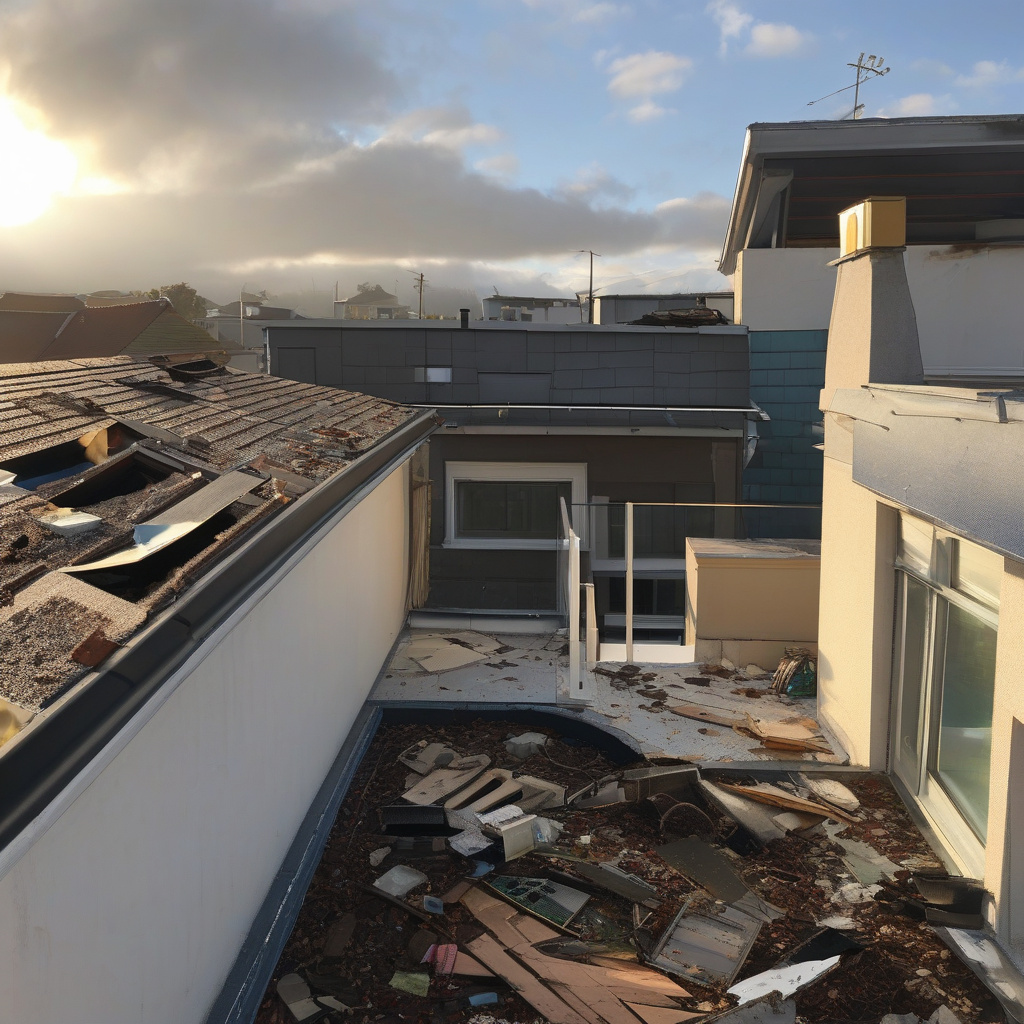
Modified bitumen is celebrated for its ease of installation and durability in temperature extremes, while EPDM, despite its higher price tag, offers unparalleled resistance to UV rays. On the other hand, TPO membranes are rapidly gaining popularity for their superior energy efficiency, a factor increasingly important to eco-conscious homeowners.
The financial implications of re-roofing with these materials can vary significantly, encouraging homeowners to undertake a comprehensive cost-benefit analysis. According to recent studies,
over 70% of Californian builders prefer TPO membranes due to their combination of affordability and energy performance
. For those intrigued by noise reduction benefits, exploring technical insights into noise-reducing options could provide additional context.
Ultimately, choosing the right roofing material not only dictates the longevity and protective qualities of your flat roof but also influences your home’s overall energy efficiency. Weighing the pros and cons allows homeowners to make informed decisions that align with their long-term goals and immediate needs.
A Visual Guide: Renovation Timelines and Costs
Embarking on a flat roof renovation project necessitates a clear understanding of the timeline and costs involved. Project timelines fluctuate based on various factors including material selection, the size of the roof, and the scope of renovations. Generally, a professional installation and maintenance service can efficiently complete a standard project within a couple of days, minimizing disruption to daily life.
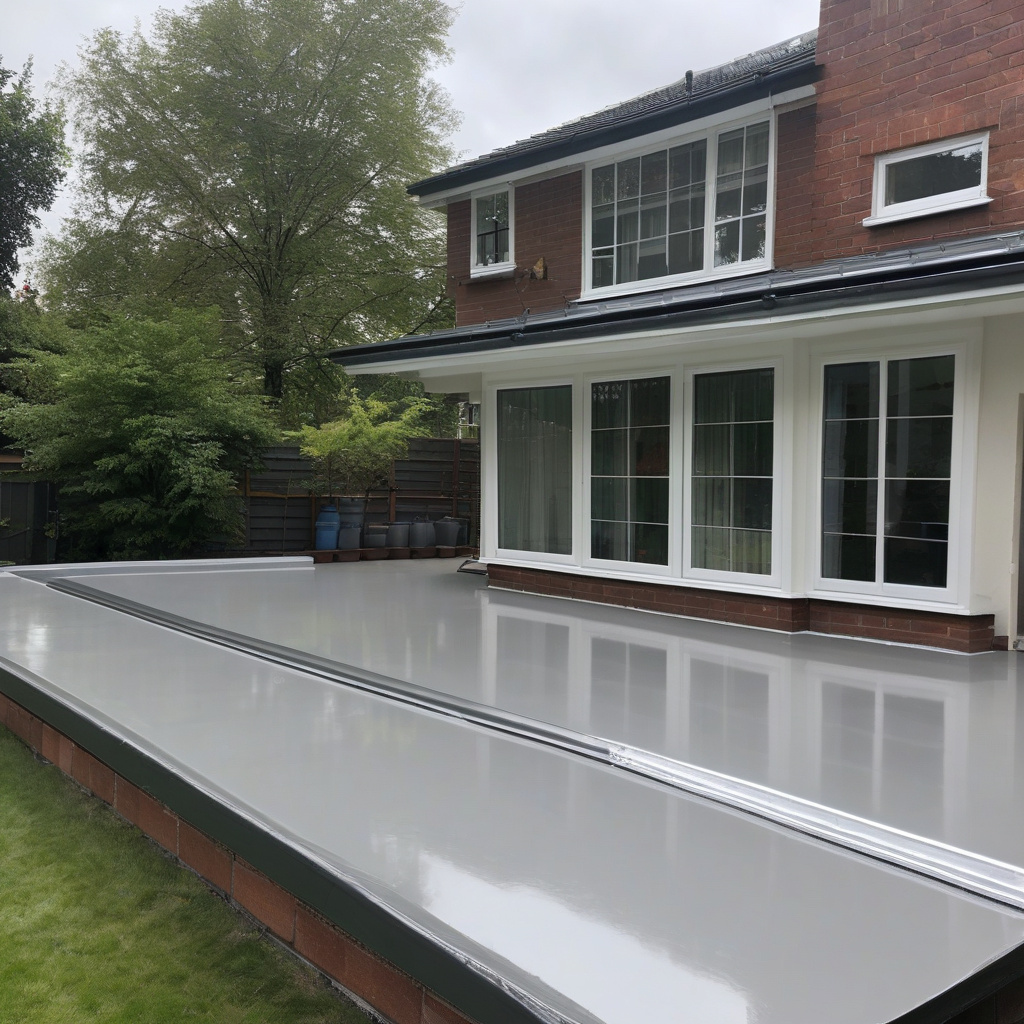
Let’s take a closer look at a comparative breakdown in material costs and completion times:
| Material Type | Estimated Cost (per sq ft) | Typical Installation Time |
|---|---|---|
| Modified Bitumen | $2.50 – $4.00 | 1-2 Days |
| EPDM Rubber | $4.00 – $6.00 | 2-3 Days |
| TPO Membrane | $3.50 – $6.00 | 2-3 Days |
Budgetary considerations remain at the forefront of homeowners’ minds, compelling thorough investigative work before settling on a final decision. A strategic approach to renovation planning streamlines the entire process, ensuring no unforeseen expenses derailing well-laid plans.
As this table shows, opting for the right material means weighing both the financial and temporal commitments. Homeowners who navigate this effectively can expect a seamless renovation experience from start to finish.
Practical Steps to Enhance Roof Lifespan
For those embarking on a flat roof care journey, a logical starting point involves understanding the fundamental steps to prolong their lifespan. Initiating a structured approach offers clarity, although everyone knows that consistent execution ensures success.
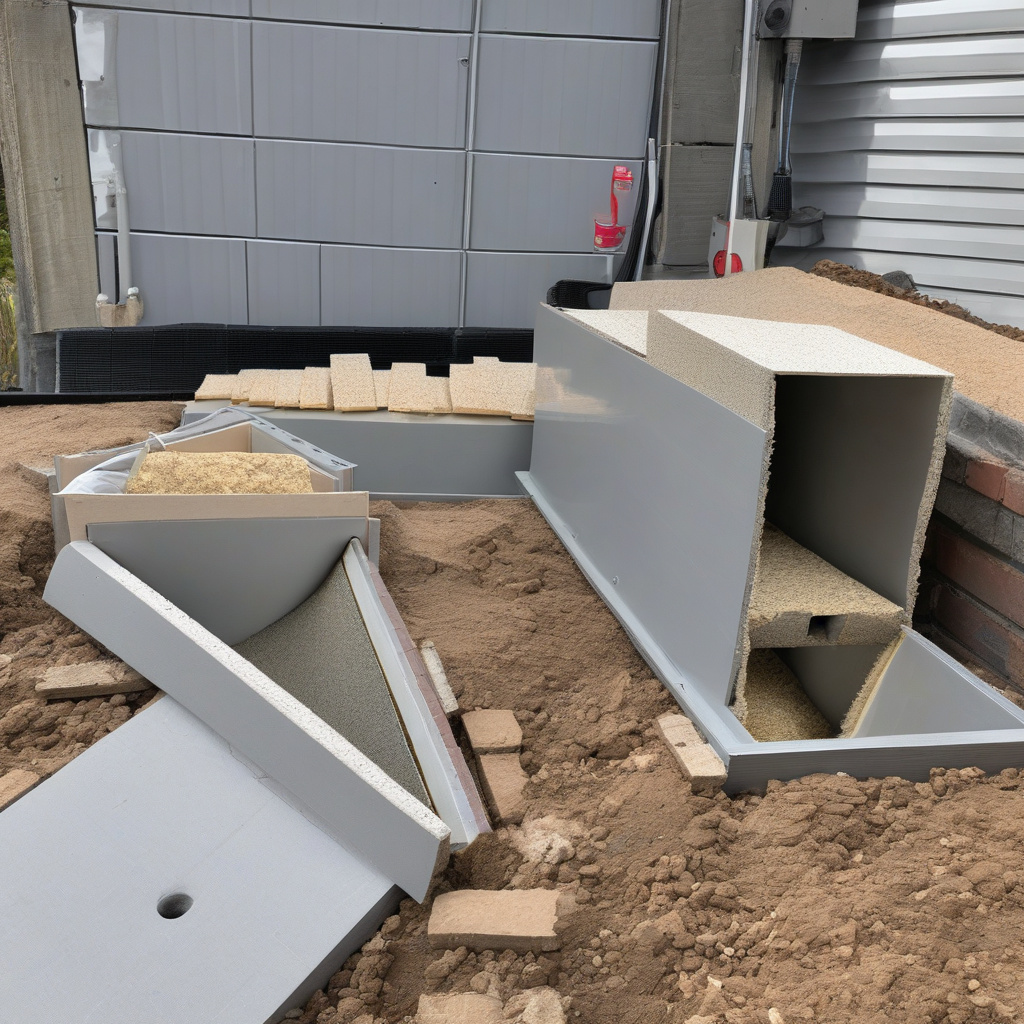
Here’s a concise how-to for vigilant maintenance:
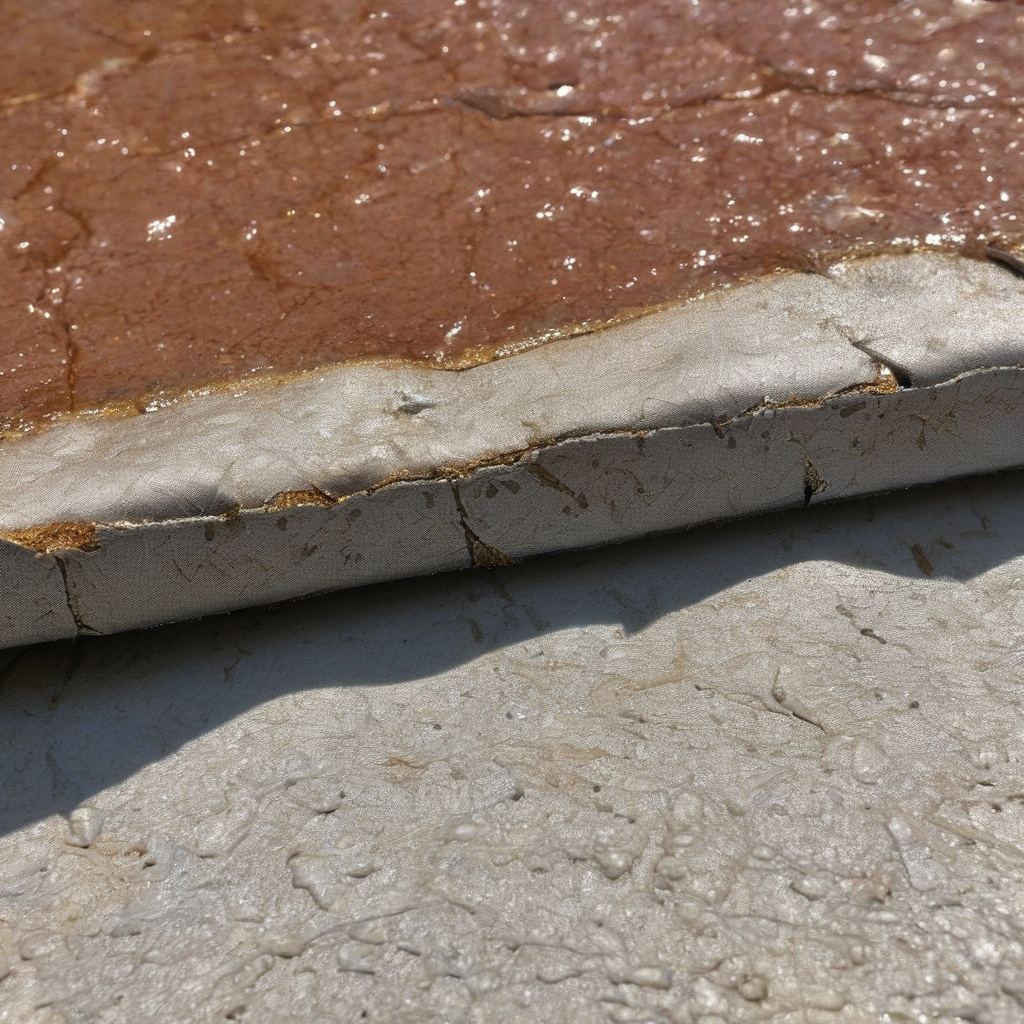
- Conduct regular visual inspections, especially after harsh weather conditions.
- Clear debris from the roof surface, paying attention to potential clogging of drains.
- Ensure that the waterproof membrane remains intact; repair small tears promptly.
- Maintain a calendar for periodic professional assessments, ideally annually.
- Educate household members about observable signs of damage, reinforcing a proactive safety net.
While these steps sound basic, consistent adherence engenders robust roof health, offering homeowners much-needed reassurances. Understanding that flat roofs, despite their modern popularity, demand specific maintenance should compel action amongst all responsible residents.
As a cautionary note, ignoring these steps potentially jeopardizes both the roof’s and property’s long-term security. Permanently embedding these actions into your routine staves off costly complications.
The Final Step: Deciding Between Half and Full Roof Care
The decision to undertake either a half or full roof renovation often engenders debate among homeowners, given each methodology presents distinct benefits. A partial renovation project focuses on specific problem areas, potentially reducing costs upfront while targeting direct issues.
However, some industry experts advocate for full roof replacements, benefitting from uniform material coverage and extended warranties. When considering full renovations, it’s crucial to weigh short-term financial implications against long-term investment returns.
A 2022 industry report highlighted that complete roof renovations offer up to 80% ROI within five years due to enhanced energy efficiency and extended lifespan.
A whole-solution renovation, albeit heftier on the pocket at first, effectively seals aesthetic and structural concerns, leaving many homeowners satisfied with their investment choices.
Savvy homeowners who weigh these considerations set themselves up for success, maximizing both immediate savings and long-term home value. For those contemplating their next steps, delving into further discussions on half vs full roofing solutions could provide deeper insight.
The crux of the matter lies in aligning personal goals with realistic financial scenarios, ensuring peaceful enjoyment of your enviable Los Angeles patio space.
- Consistent flat roof maintenance is critical to prevent water damage and prolong durability.
- Understanding material options allows for informed decision-making tailored to specific needs.
- Timelines and costs vary, emphasizing the importance of strategic budgeting.
- Adherence to a structured care routine exponentially increases roof lifespan.
- Consider the benefits of both half and full renovation options for ideal results.
“`html
FAQ
Why is debris removal important for flat roofs over patios and balconies?
Debris removal is crucial for flat roofs as it prevents water accumulation, commonly known as ponding, which can compromise the roof’s structural integrity. In my experience with renovating homes in Los Angeles, accumulated leaves and dirt can block drainage systems, leading to water damage. Homeowners frequently overlook this, thinking a minor pile of leaves isn’t a threat. However, over time, it invites moisture problems and even pests. To avoid these issues, a regular routine of checking and removing debris at least every season is recommended, particularly after stormy days.
How can clear drains extend the life of a rooftop membrane?
Clear drains are a lifeline for a flat roof, directing water away and preventing standing pools that stress the membrane. Having worked on patio renovations, I’ve seen how improper drainage leads to premature wear and tear. Many experts stress on ensuring that drains must remain unblocked and functional, especially given the dry spells and sudden downpours characteristic of LA weather. Overlooking this maintenance step could mean costly repairs down the line. Checking drains periodically and cleaning them as needed protects against unforeseen roof failures.
What are some common materials used for coatings on flat roofs?
Common materials for roof coatings include elastomeric, acrylic, and silicone. Each has pros and cons. For instance, acrylic is budget-friendly but may not last as long in intense sun compared to silicone, which offers excellent UV resistance. I recall a modern home renovation in Pasadena where choosing silicone transformed the performance of a rarely used patio roof. However, cost became a point of contention, as silicone is pricier. Consulting a roofing professional can help determine the best option, considering climate nuances and budget constraints.
How does a waterproof membrane function in LA climates?
In the dry, often hot climate of Los Angeles, a waterproof membrane on a flat roof acts as a shield, preventing moisture from infiltrating while also reflecting heat. On a renovation project in older Highland Park homes, this membrane made spaces beneath the patio significantly cooler. However, UV exposure can degrade even the best membranes over time if not regularly maintained, so applying a fresh coat of reflective coating periodically is essential. This also aids in energy efficiency, reducing cooling costs during the summer months.
What should homeowners consider when choosing a flat roof coating?
Homeowners should weigh multiple factors: climate, roof slope, budget, and longevity. A client in a Pacific Palisades renovation project opted for a reflective elastomeric coating due to its cost-effectiveness and decent performance in sunny areas. A common mistake is prioritizing cost over efficacy. While cheaper coatings might seem attractive, they often require more frequent reapplication. Discussing options with a roofing expert ensures your choice aligns with specific needs and offers the best protection for your property.
What maintenance mistakes do new homeowners often make with flat roofs over patios?
New homeowners often neglect routine inspections, mistakenly assuming their recently installed roofs need no immediate attention. In one instance, I advised a homeowner in Santa Monica who believed a new roof was impervious to wear. Within a year, unaddressed small issues led to unnecessary repairs. Regular visual checks, especially post-rain, and scheduled professional inspections catch early signs of trouble. This proactive maintenance approach saves costs and extends the roof’s lifespan.
What are the cost implications of maintaining a flat roof in California’s climate?
In California, maintaining a flat roof involves periodic cleaning, inspections, and reapplications of coatings which cumulatively costs less over time than major repairs due to neglect. For instance, failing to clear debris can damage membranes, leading to leaks. A routine maintenance regime might run a few hundred dollars annually, but it protects against severe weather effects and costly emergency fixes. Discussing budgetary concerns with a renovation consultant can help plan effectively; if you’re unsure, consider speaking with an expert by reaching out through this handy contact link.
Are there any disadvantages to using waterproof membranes?
While waterproof membranes are vital for protecting flat roofs, some challenges include susceptibility to physical damage and wear from harsh UV radiation. During a project in the older neighborhoods of LA, a customer learned that a high-quality membrane can be still vulnerable if not properly protected. The trade-off often involves balancing cost against frequent maintenance, particularly recoating. However, despite these challenges, the benefits usually outweigh the downsides, shielding homes from significant water damage and preserving structural integrity.
“`