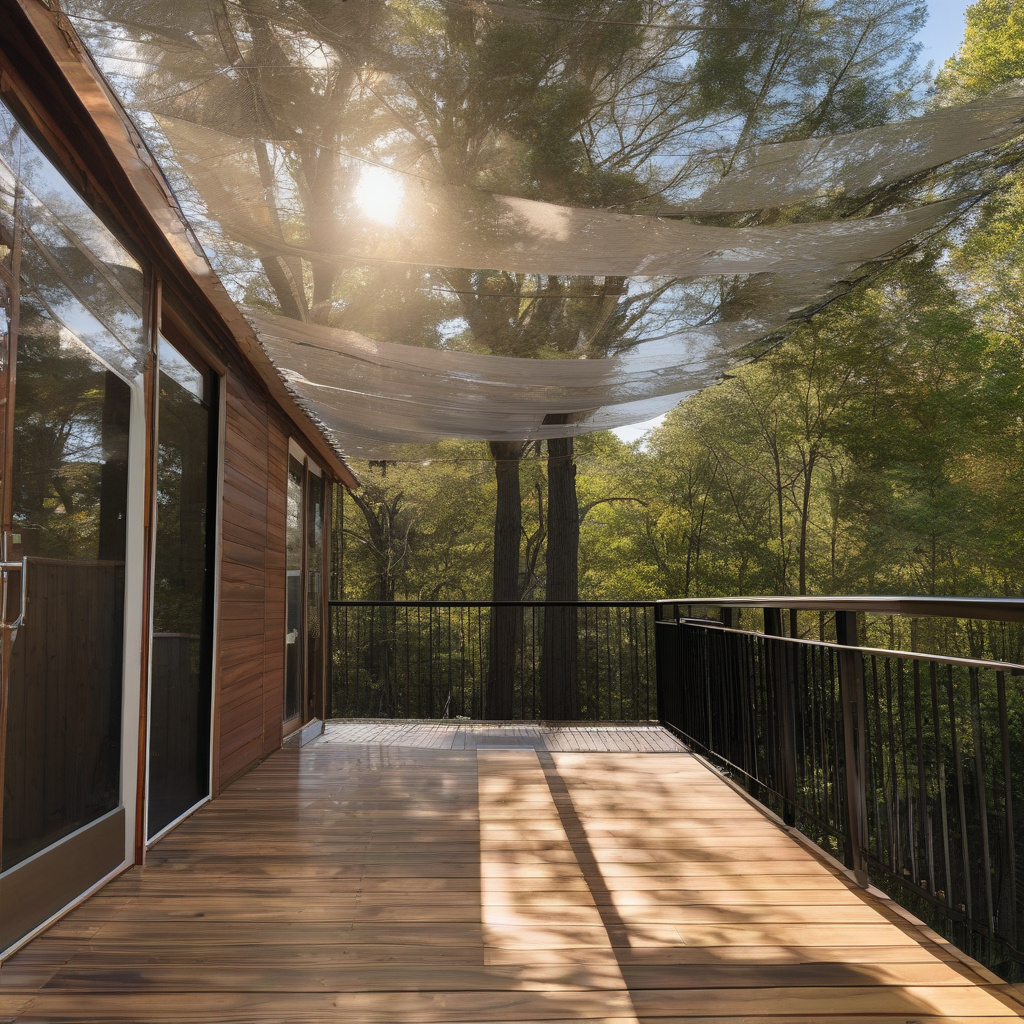
In the heart of Los Angeles, where outdoor living spaces are not just a luxury but a way of life, maintaining a pristine deck can be both a challenge and an art. Particularly when it comes to shaded decks, the relentless assault of algae and mildew can turn your serene retreat into a slippery mess. The solution lies in a delicate blend of gentle cleaning, strategic planning, and ongoing care.
Brief summary: Shaded decks in Los Angeles face unique challenges from algae and mildew due to limited sunlight and moisture retention. This article explores effective cleaning techniques, considers various renovation options, and provides insights into maintaining a beautiful and safe deck environment. It also includes homeowner experiences, expert advice, and practical renovation tips.
Understanding the Shaded Deck Dilemma
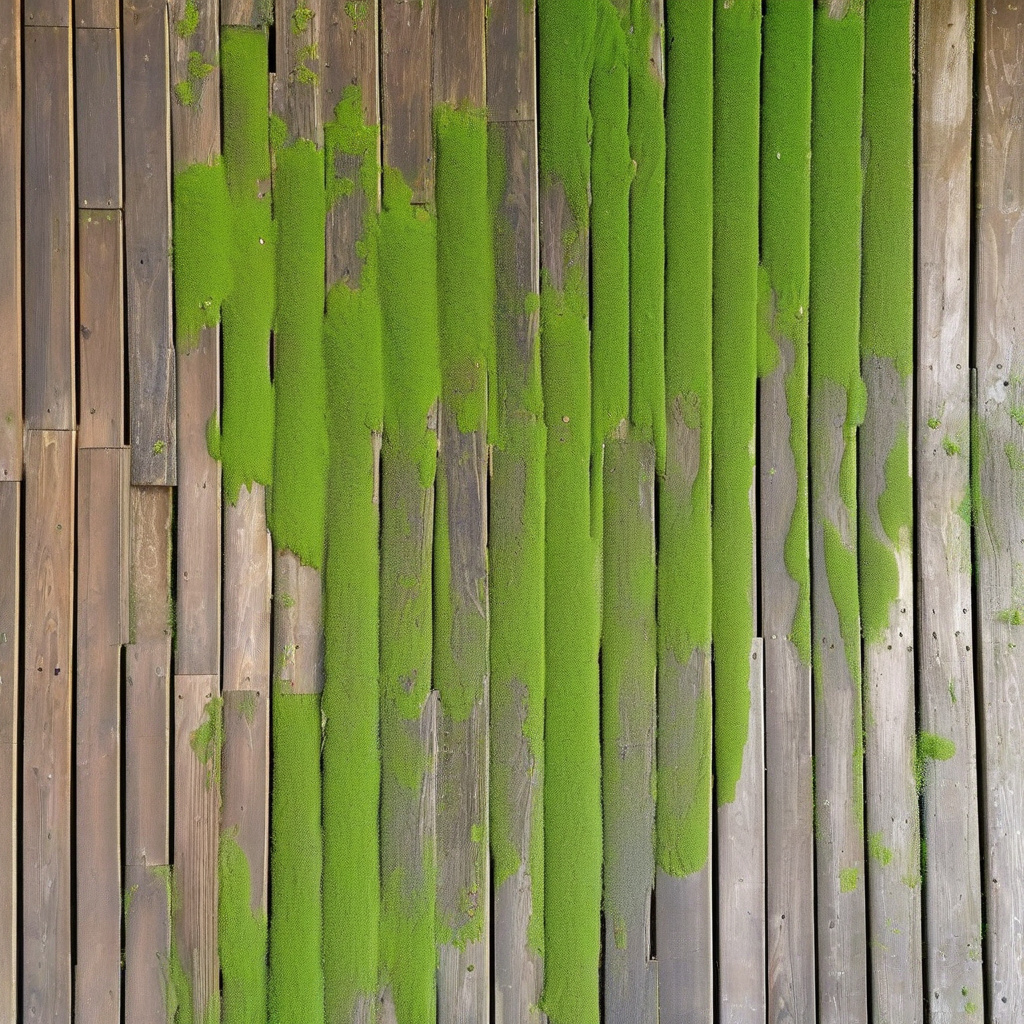
Los Angeles homeowners treasure their outdoor spaces, yet shaded decks often become the Achilles’ heel in their backyard havens. With minimal sunlight to naturally dry the surfaces, moisture lingers, making these decks prime real estate for algae and mildew. As many local homeowners notice, neglected shaded decks can rapidly transform from a stylish addition to a safety hazard.
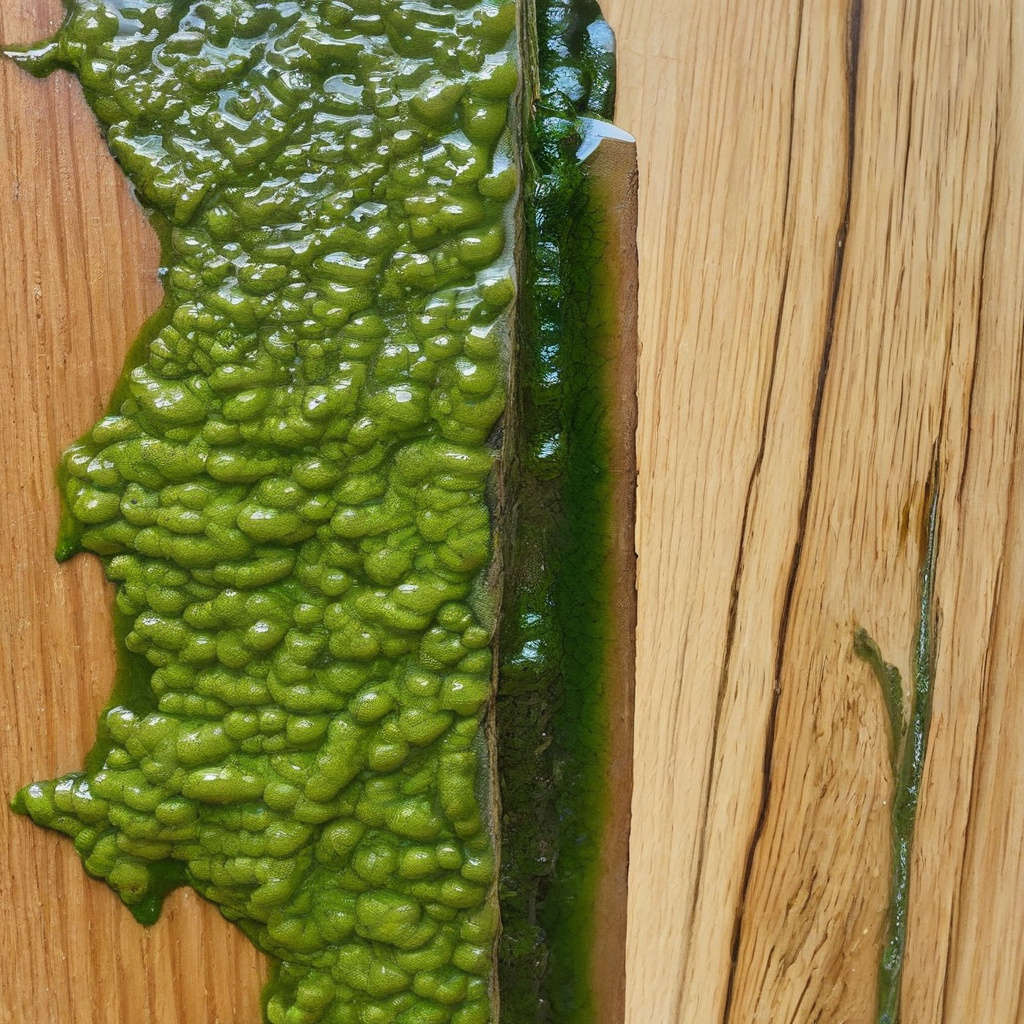
The culprits are, unsurprisingly, moisture and limited UV exposure. While some might assume aggressive scrubbing with potent chemicals is the answer, experts recommend a gentler approach. Homeowners have increasingly turned to mild detergents that contain environmentally friendly ingredients, ensuring the safety of their family and pets while keeping the algae at bay.
Moreover, enhancing deck drainage and airflow remains vital. Installing a simple drainage system or merely adjusting the angle of deck planks can significantly reduce moisture accumulation. Renovators in Southern California have utilized various methods to ensure water does not pool and invite unwanted growth.
By combining these strategies, homeowners can protect their investment both aesthetically and functionally, ensuring its beauty and usability for years to come.
Deck Longevity: It’s All in the Plan
Strategic planning is crucial when considering shaded deck renovation. For those seeking guidance, discover expert patio renovation insights as a starting point. An effective game plan involves an analysis of current deck conditions. Examining the extent of mildew and algae, the materials used, and the surrounding environment sets a foundation for an informed approach.
A professional assessment might reveal inherent design flaws contributing to moisture retention. Perhaps the deck’s layout prevents adequate air circulation or the use of non-porous materials exacerbates moisture buildup. Solutions may include installing additional vents or replacing some elements with more breathable materials.
Seasoned builders in Los Angeles understand the importance of aligning renovations with the region’s climate specifics. They emphasize selecting materials that are not only durable but also suitable for the local weather patterns.
These insights underscore the necessity of addressing shaded decks not just cosmetically but fundamentally, ensuring durability and safety.
The Costs and Choices Behind a Cleaner Deck
Deciding to tackle algae and mildew professionally or with a DIY approach involves weighing costs, materials, and methods. DIY enthusiasts often opt for homemade cleaning solutions, typically comprising warm water, baking soda, and mild soap, while professionals might suggest pressure washing under regulated settings.
The financial implications vary widely based on the scale of intervention. Using professional services for comprehensive cleaning can range from $150 to $400 in the Los Angeles area, depending on deck size and condition. Conversely, regular maintenance costs less yet requires consistent effort.
| Option | Estimated Cost | Pros | Cons |
|---|---|---|---|
| DIY Cleaning | $20–$70 | Cost-effective, custom solutions | Time-consuming, potential inefficiency |
| Professional Service | $150–$400 | Expert execution, guaranteed results | Higher cost |
For those considering installing a new deck or evaluating alternatives, access complete deck maintenance schedules and resources for more informed decisions.
The presence of options allows homeowners to pick an approach that balances their budget with their desired outcome, ensuring their deck remains a cherished outdoor feature.
According to a recent survey, 72% of Los Angeles homeowners cited maintaining a clean deck as impacting their home’s perceived value.
Material Influence: Choosing Wisely
Material selection unequivocally impacts maintenance demand and effectiveness against algae and mildew. Wood decks, while traditional and aesthetically pleasing, require targeted care. Treatments like sealants and regular reapplications provide a protective layer but come with added cost and upkeep.
Composite materials, on the other hand, offer low-maintenance advantages. Made from recycled plastics and wood fibers, composites are less porous and exhibit greater resistance to typical deck troubles. These qualities make them an attractive option, albeit initially pricier than wood.
However, the initial investment in material translates into longevity and ease of maintenance. Homeowners frequently weigh whether the upfront cost aligns with their long-term plans. It’s vital to integrate aspects like environmental adaptability and personal aesthetics into these decisions.
The real takeaway is understanding that material choice affects every subsequent aspect of deck maintenance, from cleaning methods to the frequency of interventions required.
Counteracting Mother Nature’s Intentions
Navigating the path to cleaner decks involves strategic counteractions against nature’s relentless forces. The enemy is moisture, a perennial issue amplified by shaded environments in Los Angeles. Solutions begin with the physical—removing physical debris and trimming overgrown foliage to improve sunlight exposure.
In some instances, homeowners introduce protective coverings or retractable awnings, regulated to shield the deck during rain while allowing ample sunlight during clear weather. These modifications require thoughtful execution to ensure they complement existing structures without being obtrusive.
Industry experts suggest that properly implemented deck cover solutions extend the lifespan of wood decks by up to 50%.
Incorporating natural design elements, such as gravel borders or elevated planters, provides additional drainage and aesthetic appeal. The mastery lies in achieving a blend of aesthetic grace and functional practicality.
DIY vs. Professional: Deciding Factor
The dichotomy between DIY endeavors and professional interventions reflects a homeowner’s ethos toward self-reliance versus a desire for peace of mind. Each path presents its own set of challenges and rewards. The DIY route demands time, commitment, and a willingness to learn while professionals offer speed, expertise, and warranty.
In deciding between personal engagement or hiring experts, many in Southern California weigh the value of their time versus the outcome quality. Where expertise eludes, reaching for professional help stands justified. When motivated by budget constraints or enthusiasm for hands-on projects, DIY emerges as a preferable choice.
Whichever path one chooses, it boils down to aligning personal priorities with the practicalities of maintaining a healthy, appealing deck space.
Embracing a Maintenance Mindset
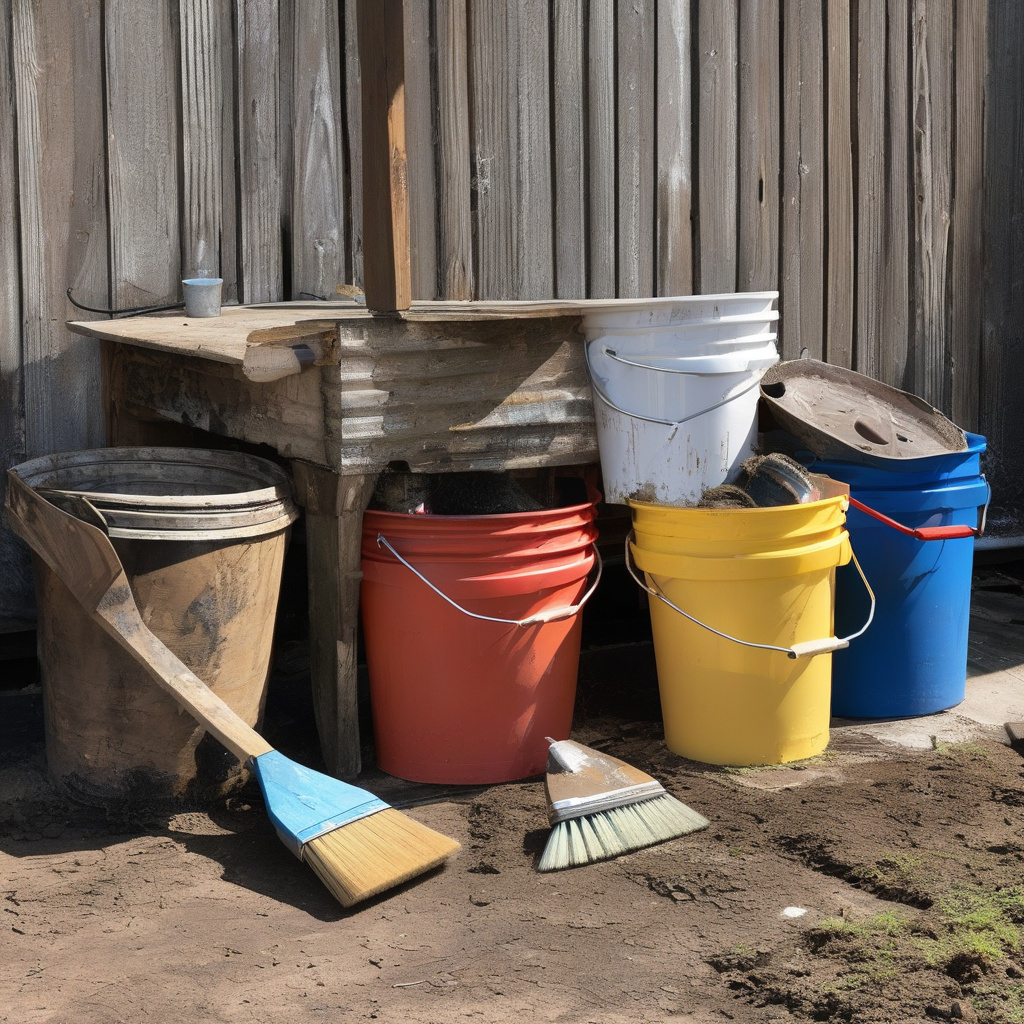
The concept of ongoing maintenance cannot be overstated when it comes to keeping algae and mildew at bay. This forward-thinking approach prioritizes prevention over reaction, instilling a routine that seamlessly integrates into daily life. For strategies to incorporate deck features that support maintenance, exploring practical installation ideas is invaluable.
Checking for signs of algae reappearance, ensuring effective drainage, and scheduling regular cleaning sessions form the cornerstone of this mindset. The idea is to establish an equilibrium where intervention becomes less of a burden and more a cultural norm.
Scientific studies indicate that regular deck maintenance results in prolonged material lifespan and reduced overall expenditure. By adopting this routine, homeowners latch on to a proactive mentality that anticipates changes and counteracts them before escalation.
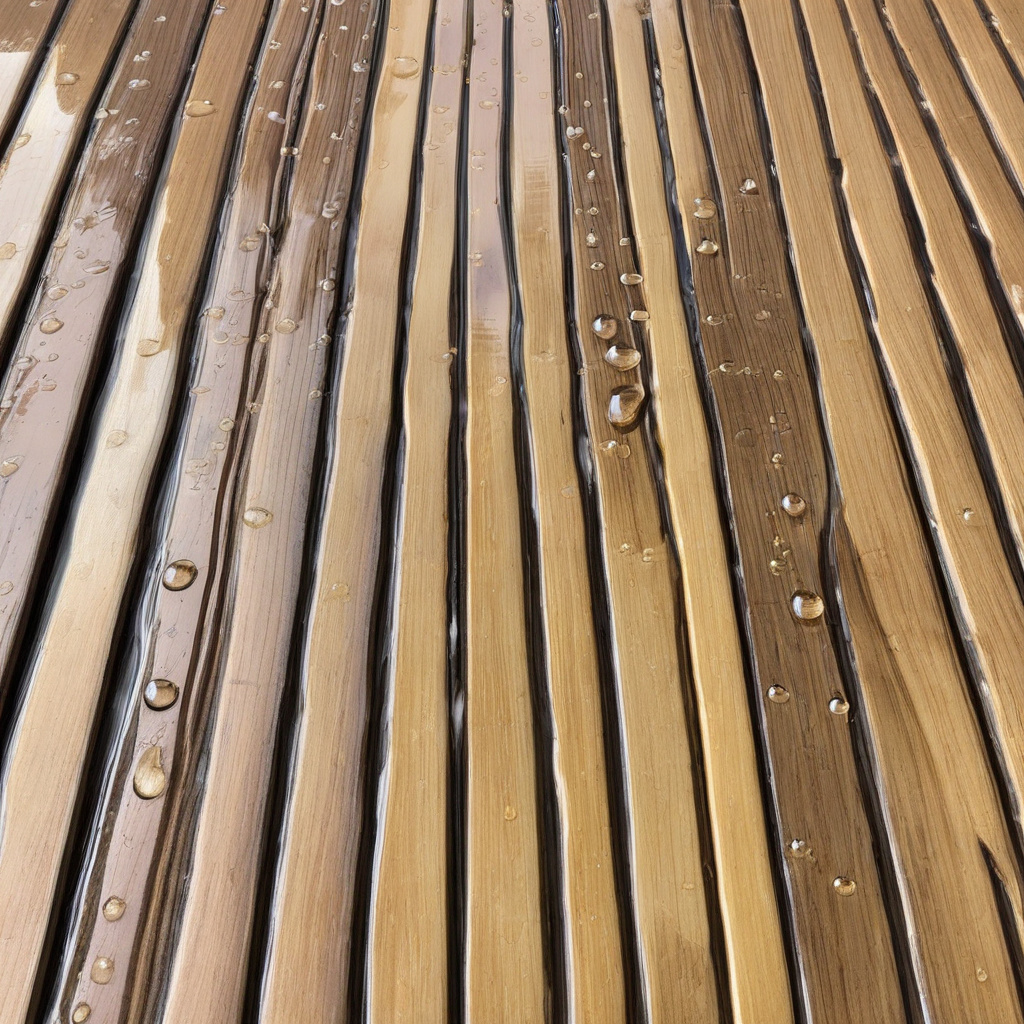
Recent research highlights that decks cleaned regularly endure substantially less structural wear over time.
Ultimately, embracing this methodical practice and combining it with sound renovation decisions ensures that decks remain in peak condition, contributing not only to a home’s aesthetic but also to its holistic enjoyment year-round.
A Future of Gorgeous, Shaded Decks
Looking forward, the shaded decks of Los Angeles stand as a testament to thoughtful design and maintenance. By ensuring that these tranquil retreats remain unblemished by algae and mildew, homeowners can indulge in the ideal balance of beauty and functionality. Whether considering how features transition from carport to leisure space or other outdoor enhancements, the future is filled with inventive possibilities.
With continued innovation and dedication to sustainable practices, tackling the shaded deck dilemma becomes less an arduous task and more an opportunity for creative expression.
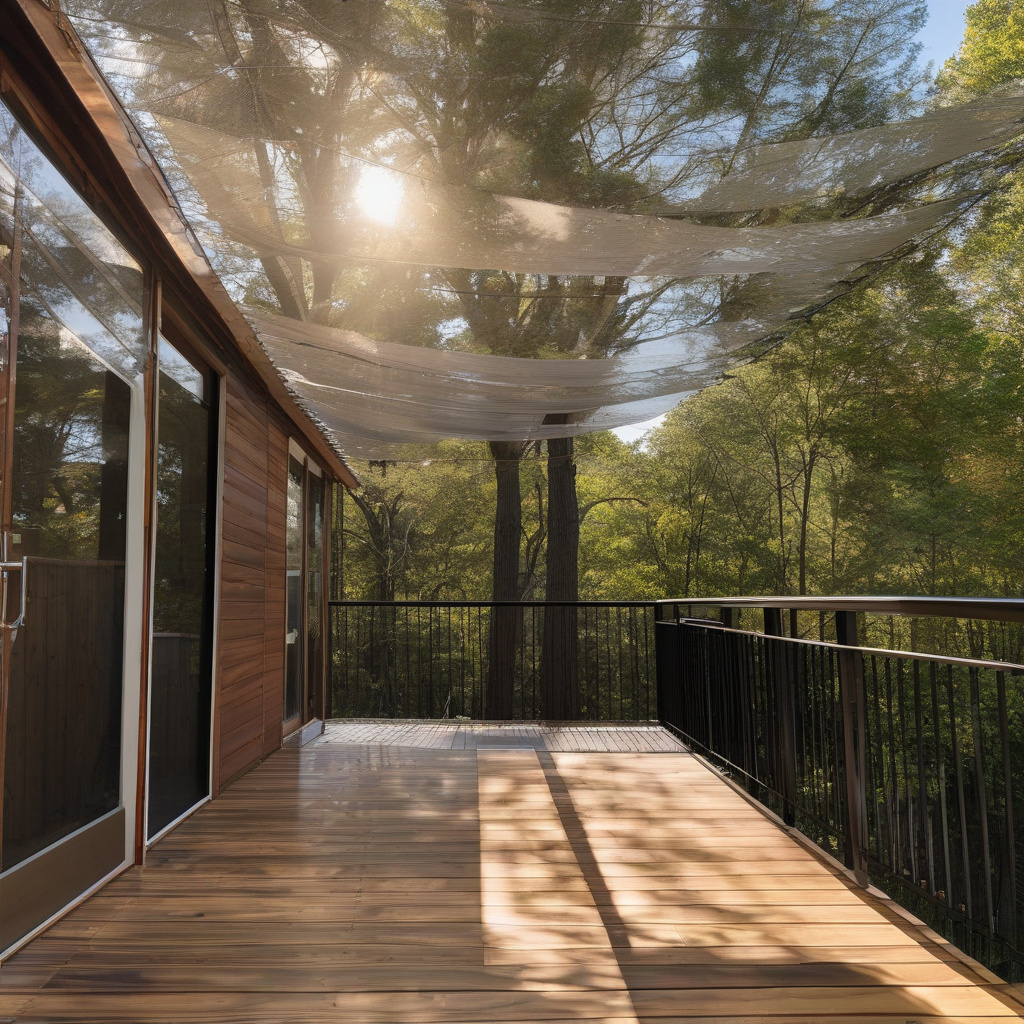
Owners, designers, and builders alike are forging paths toward sustainable solutions that meet the dynamic needs of outdoor living in Southern California. And so, the saga of maintaining shaded decks continues—a blend of modern solutions and timeless resilience, wrapped in the unique tapestry of Los Angeles living.
- Shaded decks are susceptible to algae and mildew due to limited sunlight and moisture retention.
- Gentle cleaning with eco-friendly detergents, improved drainage, and strategic planning are key solutions.
- Both DIY and professional cleaning options offer benefits, with material choices impacting long-term maintenance.
- Incorporating regular maintenance routines significantly extends deck life and aesthetics.
- Smart deck renovation decisions integrate functionality with the Southern California outdoor lifestyle.
“`html
FAQ
What is the best way to clean algae and mildew from shaded decks?
In real renovation projects, professionals often prioritize the use of gentle, non-abrasive detergents combined with soft-bristle brushes. These tools help remove algae and mildew without damaging the deck surface. Many experts suggest prioritizing environmental considerations, recommending biodegradable detergents that are effective yet eco-friendly. A common mistake homeowners make is using power washers that can splinter wood and damage finishes.
How can I prevent algae and mildew from returning on my shaded deck?
Improving drainage and increasing sunlight exposure to shaded areas are effective long-term strategies. In many Californian homes, installing strategic decking patterns to facilitate runoff can significantly reduce moisture buildup. One tip is to regularly prune nearby foliage that casts excess shade, allowing more light to deter moisture-loving fungi. Homeowners frequently underestimate the impact of these preventive steps.
When should I consider professional help for cleaning my shaded deck?
Considering professional assistance makes sense when algae or mildew infestations are extensive, or if the deck material is sensitive and requires specialized care. Many homeowners in renovation scenarios find that professionals have access to commercial-grade tools and products that outperform DIY solutions. Additionally, pros often have insights into subtle environmental factors affecting your deck’s condition.
What are common mistakes to avoid when cleaning a shaded deck?
A frequent pitfall is ignoring manufacturer guidelines for cleaning solutions, which can void warranties or damage materials. Overlooking safety gear like gloves and masks is another concern; household algae and mildew can cause respiratory irritation. Many experts point out that too vigorous scrubbing might erode protective finishes, which is more troublesome on older properties needing renovation.
How much does professional deck cleaning typically cost?
Costs can vary significantly based on deck size, material, and the extent of algae and mildew presence. On average, for single-family homes in California, professional cleaning services can range from $200 to $600. While this may seem steep, homeowners often find the investment worthwhile for long-lasting results and expertise-driven preventative measures. Cost comparisons should include the potential expense of damage from improper DIY attempts.
What are the pros and cons of using chemical cleaners on decks?
Chemical cleaners are often praised for their efficiency in directly targeting and eliminating algae and mildew, minimizing labor-intensive scrubbing. However, they may be harsh on the environment and some deck materials, potentially causing discoloration or damage. Awareness of these limitations is crucial for responsible use, especially in eco-sensitive areas. Alternately, consulting professionals can provide tailored advice – you can easily reach out [through this contact form](https://californiarenovation.top/contact/) for expert guidance.
What are some effective natural alternatives to chemical cleaners for decks?
Vinegar and baking soda mixtures are popular alternatives, offering mild but effective cleaning without harsh chemicals. In practice, these solutions require more manual effort but can be safer for plants and surrounding wildlife, making them ideal for homeowners with gardens. Using a soft brush for application enhances results. Anecdotes from real projects often highlight surprising success stories with these humble kitchen staples.
What precautions should be taken during the deck cleaning process?
Safety should always be a top concern, starting with protecting skin and eyes from detergents and ensuring stable footing on potentially slippery decks. Cover adjacent vegetation to shield it from runoff. In real-life applications, utilizing tarps for containment can prevent unintended eco-hazards. This careful approach not only maintains property aesthetics but also reflects a commitment to environmental responsibility.
“`