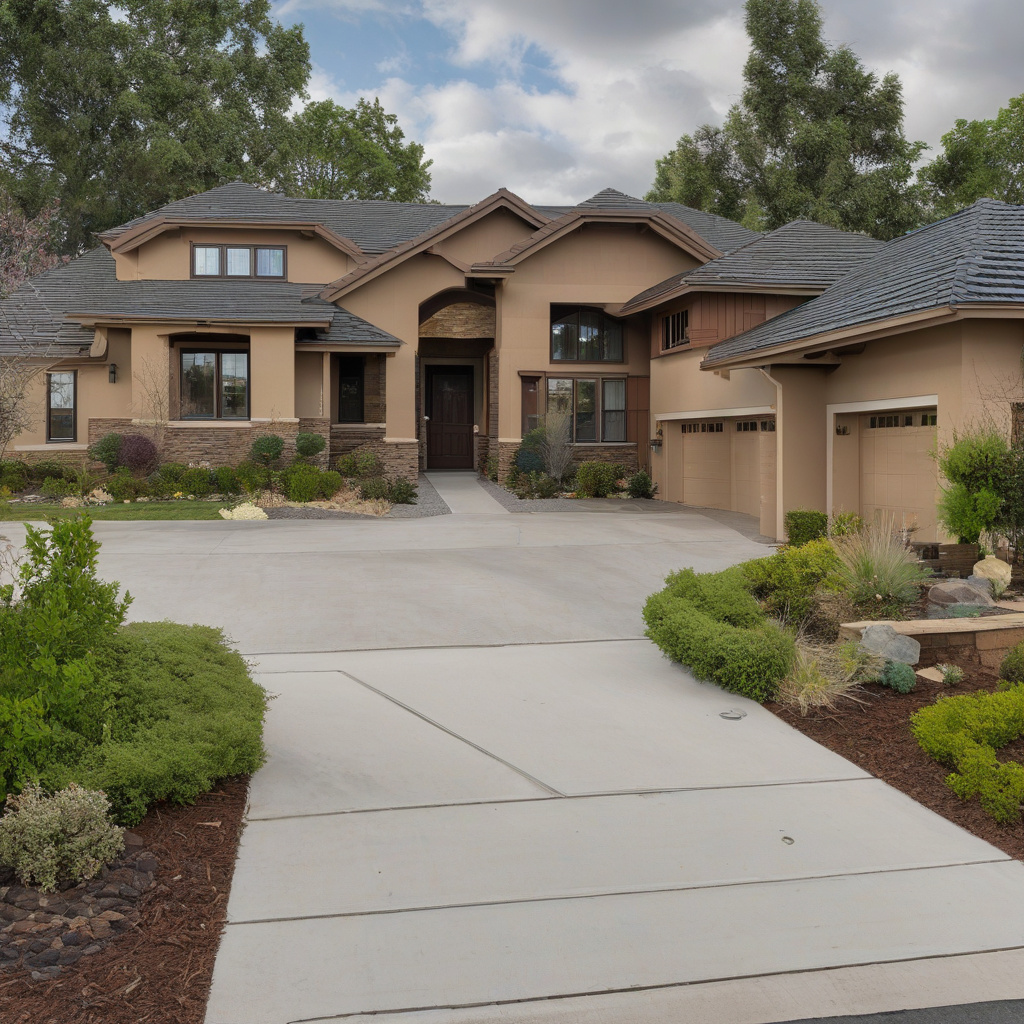
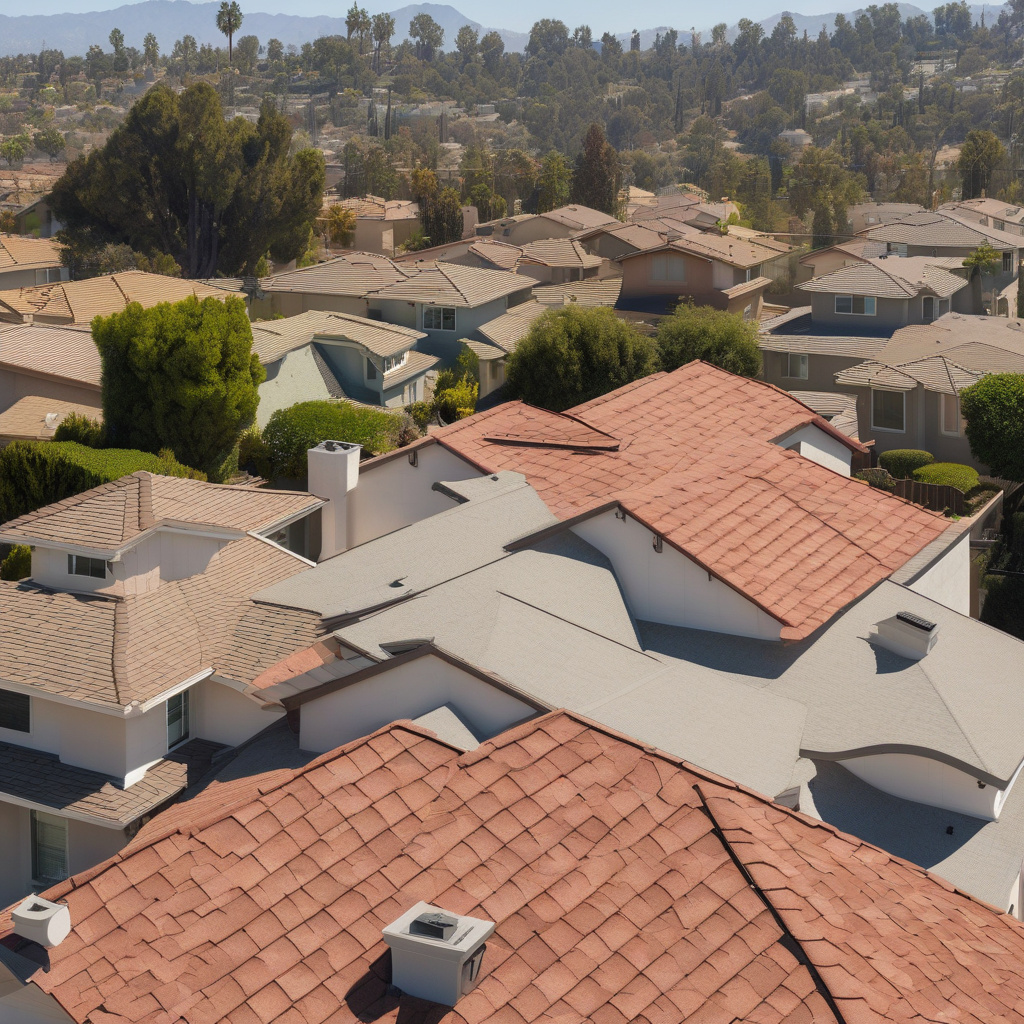
In the sun-soaked neighborhoods of Los Angeles, homeowner associations (HOAs) wield significant power over how properties look and feel. With a palette of roofing options that must harmoniously blend yet withstand the climate’s demands, homeowners face the intricate tapestry of HOA-approved roofing choices. From color consistency to stringent fire ratings, the guidelines ensure that updates respect the community’s aesthetic unity without compromising safety.
Brief summary: This article delves into the specifics of HOA-approved roofing choices within Los Angeles communities, highlighting the importance of aesthetic harmony, safety standards, and material consistency. It explores the challenges homeowners face during renovations, examines cost and material-related decisions, and provides insights from industry experts and residents.
Navigating HOA Regulations: A Balancing Act
In the world of Homeowner Associations, compliance isn’t just a guideline—it’s a mandate. Los Angeles, with its myriad of diverse communities, enforces strict rules that govern home exteriors. For many residents, adapting their roofing choices to meetup with HOA requirements is a complex dance of aesthetics and functionality.
HOAs place immense importance on color harmony. This ensures that your new roof doesn’t disrupt the established look of the neighborhood. Each homeowner must navigate this nuanced process to align personal taste with community standards. For instance, if the neighborhood boasts earthy tones, a stark black roof simply won’t fly.
An equally critical factor is the fire rating of roofing materials. Given Los Angeles’s predisposition to wildfires, this requirement is not just a formality. The city’s sprawling communities are acutely aware of how quickly an errant spark can turn into a devastating blaze. Consequently, the selection process often prioritizes fire-resistant materials.
Throughout the renovation journey, homeowners often wish to retain creative control. However, within the framework of HOA guidelines, this becomes a collective responsibility, aimed at safeguarding community value while allowing for personal expression. Ultimately, the tension between these competing interests can often lead to surprising and innovative solutions.
Choosing the Right Materials
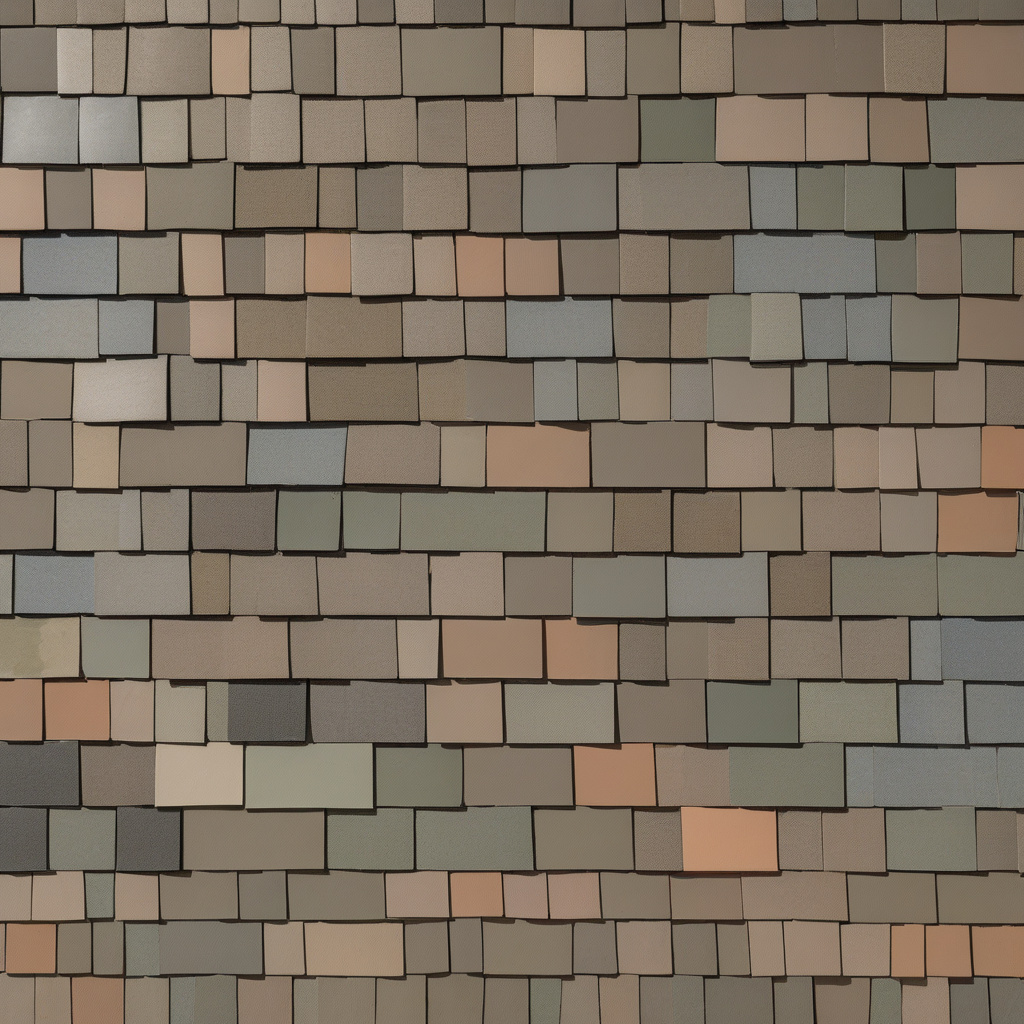
Your choice of materials significantly affects both the aesthetics and longevity of your roof. In Los Angeles, where the sun reigns supreme, and the occasional strong winds pay a visit, opting for the right materials can feel like navigating a minefield. From classic clay tiles to modern synthetic options, each comes with its own unique set of benefits and challenges.
Tile roofs, both clay and concrete, are staples in the LA landscape. Not only do they offer exemplary durability, but they also fit seamlessly into many HOA guidelines. These tiles, known for their ability to withstand the harsh Californian sun, also offer excellent insulation properties.
Synthetic slate is gaining popularity for its lighter weight and lower maintenance needs. This contemporary choice allows homeowners to mimic the charm of natural slate without the hefty price tag or weight considerations. Delve deeper into the pros and cons of synthetic slate to see if it matches your renovation vision.
Yet, the decision isn’t without its complications. Cost fluctuations, availability of materials, and evolving technology all play influential roles in your final choice. Conversations with your HOA and roofing specialists ensure that your roof not only performs but also aligns with financial and aesthetic expectations.
Citing industry insight, “90% of Los Angeles homeowners prefer materials that offer both aesthetic appeal and fire resistance,” revealing a trend towards dual-functionality in roofing materials.
Cultural Connections through Color
The color of a roof often resonates with more than just aesthetic preferences—it speaks to cultural identities and collective vibes. Los Angeles, a city of color and culture, echoes this sentiment with vigor. Homes in certain districts may prefer terra cotta tones, while others might have a penchant for a subdued grey palette.
Color choices in roofing are profoundly meaningful. They tie homes to the local ecosystem, the cultural background of residents, and even to historical narratives. Homeowners must align their desires for vibrant rooftops with the sometimes restrictive guidelines of their HOAs.
Equally important, the color choice can impact the city’s thermal regulation. Specific hues have been known to reflect more sunlight, potentially lowering internal temperatures. In a city like LA, with sky-high summer temperatures, even a degree of difference can impact utility costs significantly.
Therefore, choosing a shade often involves strategic decision-making, balancing desires with environmental implications. Through these choices, homeowners contribute to their community’s overarching identity while hugging their personal narratives.
Engaging with Community Culture
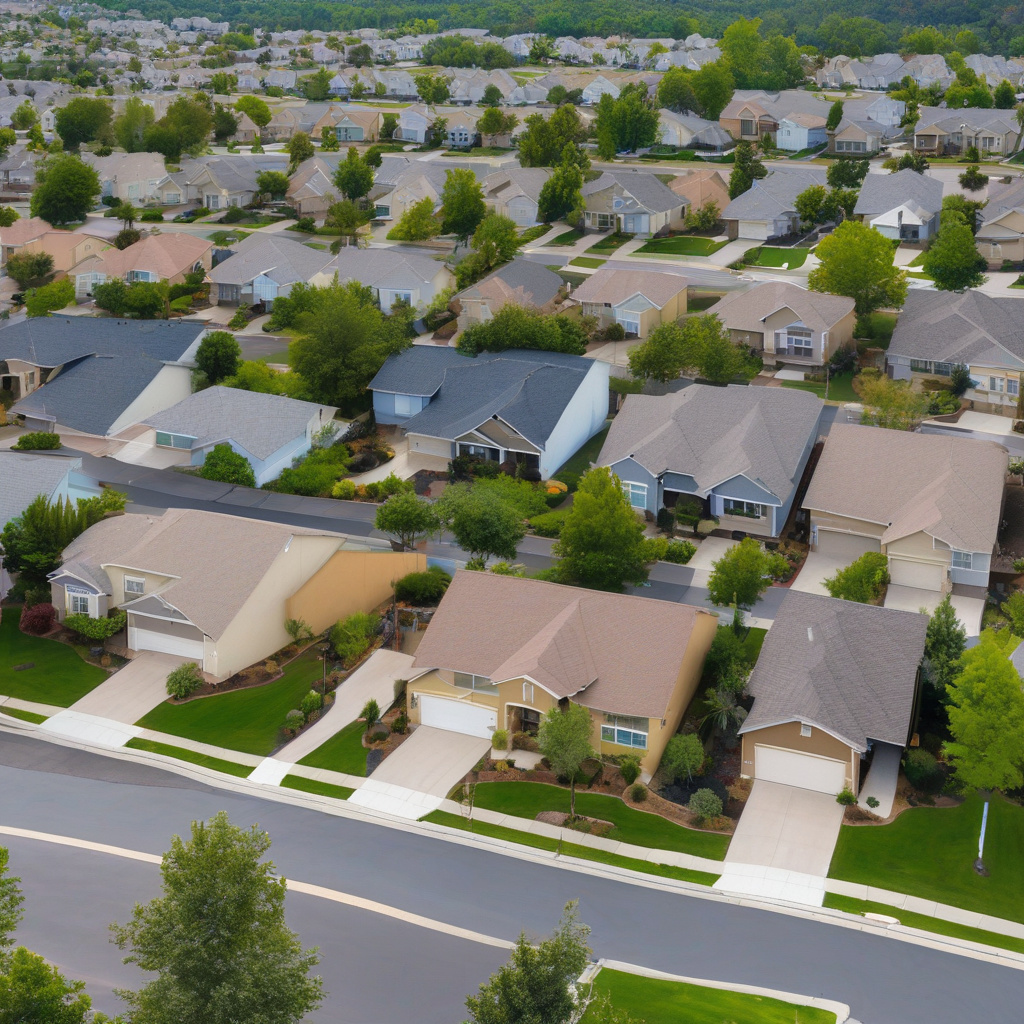
Active participation in community meetings can prove pivotal. Understanding the collective ethos not only aids in adhering to guidelines but also strengthens neighborhood bonds. This active engagement fosters a communal spirit and often leads to beautiful, cohesive results.
Practical Planning: Beyond Initial Impressions
The road to a perfect roof does not end at material selection. It requires a meticulous planning phase that considers timing, cost, labor, and potential disruptions. Particularly in LA, where construction demands can vary widely, the decision-making process becomes as critical as the execution itself.
Understanding the nuances of partial versus complete roof replacements can be game-changing for homeowners. Diving into resources like the importance of partial versus complete roof replacements provides clarity on making the right choice for your needs.
Meticulous planning helps in avoiding unnecessary expenses. Doing due diligence on labor availability, projected timelines, and potential delays ensures a smooth sailing project. Plus, engaging multiple contractors for quotes equips homeowners with a rounded understanding of the market dynamics.
While budgeting plays a crucial role, so does the timeline. LA sees phases of construction booms, often dictated by weather and market conditions. Aligning your renovation schedule with these cycles might provide smooth progress and optimal pricing.
Research highlights that “47% of homeowners regret not consulting multiple contractors prior to finalizing their roofing projects,” emphasizing the importance of homework in renovations.
Return on Investment: Calculating the Long-Term Gains
The financial investment in a roof is much more than an immediate hit on the bank account. In Los Angeles, where properties represent substantial investments, the return on this asset plays a significant role in decision-making. The right roofing choice can enhance property value, decrease utility bills, and even provide tax advantages.
Property appraisers often cite roofs as key determinants in valuation. A newer roof with premium materials not only appeals to potential buyers but ensures compliance with all safety standards. As a result, the resale value of homes can see a noticeable increase.
Moreover, energy-efficient roofs, which align with recent energy codes, are becoming mainstream. This shift not only appeals to environmentally conscious buyers but also reduces homeowners’ carbon footprints. Consequently, savvy investors often look for green certifications as an added seal of approval.
While considering the financial gains from roofing investments, it’s imperative to weigh the initial costs against long-term savings. Energy-efficient roofs may command a higher price but often return value through reduced energy bills—a point worth considering for those evaluating the economics of renovations.
The Role of Energy Efficiency
Being energy-efficient isn’t just a trend; it’s an essential consideration in today’s sustainable world. Recognizing the features that reduce energy consumption can provide immediate savings and align with a broader ecological ethos.
An industry expert asserts, “Homes equipped with energy-efficient roofs have recorded up to 15% utility savings,” showcasing the tangible benefits of eco-friendly investments.
Navigating Risk: To Avoid the Storm Chasers
The road to re-roofing in Los Angeles is perilous for the unwary. The term “storm chasers” brings to mind unlicensed contractors, preying on homeowners with too-good-to-be-true offers. While cost-cutting may appeal, compromising on quality invites a plethora of new problems and future expenses.
Thankfully, resources exist to educate homeowners on these risks, ensuring that the roofing experience remains smooth and hassle-free. By exploring guides on avoiding unlicensed contractors for home renovations, homeowners can arm themselves against potential pitfalls.
Protecting a home doesn’t merely encompass robust design choices but also extends to engaging reputable service providers. It’s about understanding that not every offer, no matter how enticing, is necessarily a safe bet. Asking the critical questions, verifying licenses, and demanding referrals can save considerable heartache later.
Forewarned is forearmed, and as Los Angeles continues to evolve, adapting to smarter renovation choices provides peace of mind. After all, securing your investment is as important as enjoying your upgraded living space.
Statistics reveal that “more than 25% of home renovation scams revolve around roofing,” highlighting the imperative need for vigilance among homeowners.
- HOA guidelines ensure color harmony and safety in roofing.
- Material choice impacts long-term costs and compliance.
- Energy-efficient roofs offer potential utility savings.
- Beware of unlicensed contractors when planning renovations.
- Homeowner engagement in community culture enhances satisfaction.
“`html
FAQ
What are HOA-approved roofing choices in LA communities?
In the bustling neighborhoods of Los Angeles, HOA-approved roofing choices are carefully selected to ensure harmony and safety within the communities. Typically, these options adhere to strict guidelines that focus on color compatibility with existing structures, high fire ratings, and uniformity in materials. In practice, you might notice that clay tiles and composite shingles are popular selections because they blend seamlessly with the picturesque LA skyline and meet stringent fire safety codes. Homeowners might be surprised at how these seemingly simple rules help maintain property values and neighborhood coherence, despite initial impressions of limitation. Ensuring your updates align with these requirements is crucial for any renovation within these areas.
How can homeowners choose the right roofing material under HOA guidelines?
Choosing the right roofing material under HOA rules can initially seem daunting, but it’s manageable with a methodical approach. Homeowners must first acquire the specific requirements from their HOA, detailing approved materials and colors. In real renovation settings, savvy homeowners gather samples of shingles or tiles and compare them onsite to envision the final look. Speaking with neighbors can provide insights into what choices have worked or posed challenges for others. It’s wise to consider not only the aesthetic appeal but maintenance ease and durability against LA’s unique climate. Ultimately, informed discussions at community meetings can sometimes allow for innovative solutions while staying compliant.
When does replacing a roof make sense in an HOA-regulated community?
Replacing a roof in an HOA-regulated community makes sense during several key situations. For instance, if the roof fails to meet current fire safety requirements or shows significant wear, replacement may be warranted to protect both the home and neighboring properties. In older homes, renovations present an opportunity to upgrade to more energy-efficient materials that fall within approved lists, such as cool roofing varieties that minimize heat absorption. When neighbors begin comparable updates, it might be wise to synchronize efforts, as working in tandem can often lead to cost-sharing opportunities. Strategic timing based on the shared goals of maintaining aesthetic and safety standards while managing costs is essential.
What are common mistakes when updating a roof under HOA rules?
One of the most common mistakes homeowners make is proceeding with a roofing project without fully understanding their HOA’s guidelines. In real-life renovations, it’s distressingly common for renovations to proceed based on assumptions or incomplete information, leading to costly redos or fines. Many overlook the need for formal approval before initiating work, assuming similar projects have blanket approval. Another frequent error is underestimating the aesthetic component—selecting materials based solely on budget or availability rather than ensuring they complement the broader community design. Consulting with the HOA is crucial to avoid these pitfalls, fostering a smooth and cooperative process. If guidance remains unclear, it’s helpful to seek direct advice from community resources.
What cost considerations should homeowners keep in mind for HOA-approved roofing?
In an HOA-regulated environment, budgeting for a roof replacement can be nuanced beyond the basic material and labor costs. Homeowners need to factor in potential HOA review or application fees, which are commonplace and can vary with each community. Unexpected adjustments might be necessary too, as sometimes only specific colors or types of materials are allowed, which can skew costs higher than generic alternatives. Moreover, overlooked in many cases, are the long-term savings tied to approved energy-efficient materials that, while potentially more cost-intensive upfront, reduce future energy bills. Considering these hidden and prospective benefits is essential, particularly when aligning choices with enhanced property value and community standards.
What are the pros and cons of HOA’s regulation on roofing materials?
The regulation of roofing materials by an HOA comes with a distinct set of pros and cons. On the positive side, such guidelines preserve community aesthetics and ensure that homes align in terms of visual appeal and safety, directly impacting property values. However, these rules can also seem restrictive, limiting personal choice and potentially increasing costs due to limited approved options. While these restrictions ensure a collective safety standard, they might stifle innovative architectural changes. Another challenge lies in managing timelines for approval, which can delay personal project schedules if not accounted for. Striking a balance between personal preference and community harmony requires careful evaluation and communication with stakeholders.
How should homeowners handle installation specifics in HOA communities?
Handling installation in HOA communities requires careful planning and communication. Before work begins, securing HOA approvals for contractors and ensuring that schedules minimize disruption to neighbors is crucial. In real renovation experiences, many have found that informing neighbors about expected noise levels or potential debris enhances community relations. Experts often recommend hiring contractors familiar with HOA guidelines to avoid procedural missteps. Furthermore, post-installation inspections by the HOA might be mandated, necessitating open lines of communication to address concerns promptly. Thoroughness in every phase—planning, execution, and inspection—facilitates smoother integration of new roofing projects within a community.
What maintenance considerations are unique to HOA-approved roofs in LA?
Maintaining an HOA-approved roof in Los Angeles involves several unique considerations that homeowners must heed. Given LA’s sun-drenched climate, regular checks for sun damage and heat-related wear are essential to prolong roof life and maintain aesthetics. It’s critical to ensure all maintenance activities comply with HOA standards, such as using specific cleaning agents that won’t discolor materials. Additionally, post-storm inspections are recommended to address any immediate repairs that preserve the visual and functional integrity. Engaging with community-approved maintenance services often simplifies the process, providing assurance that work aligns with community standards. For personalized guidance on these nuances, homeowners can consider reaching out to specialized resources for tailored advice.
“`