
In regions where the landscape is as sun-kissed as it is vulnerable to wildfires, choosing the right materials for outdoor living spaces is more than an aesthetic decision—it’s a critical safety priority. Southern California homeowners, particularly in areas prone to fires, are increasingly favoring fire-resistant materials for their decks. These materials, such as composite boards, metal framing, and noncombustible trims, are not only helping slow the ignition during wildfires but also offer enhanced long-term durability, which is a significant consideration in high-risk zones.
Brief summary: This article explores the growing trend in Southern California of using fire-resistant materials for decks, such as composites and metal framing. By employing these materials, homeowners enhance their safety and extend durability, particularly in wildfire-prone areas. Insights include cost analysis, material benefits, and practical homeowner experiences.
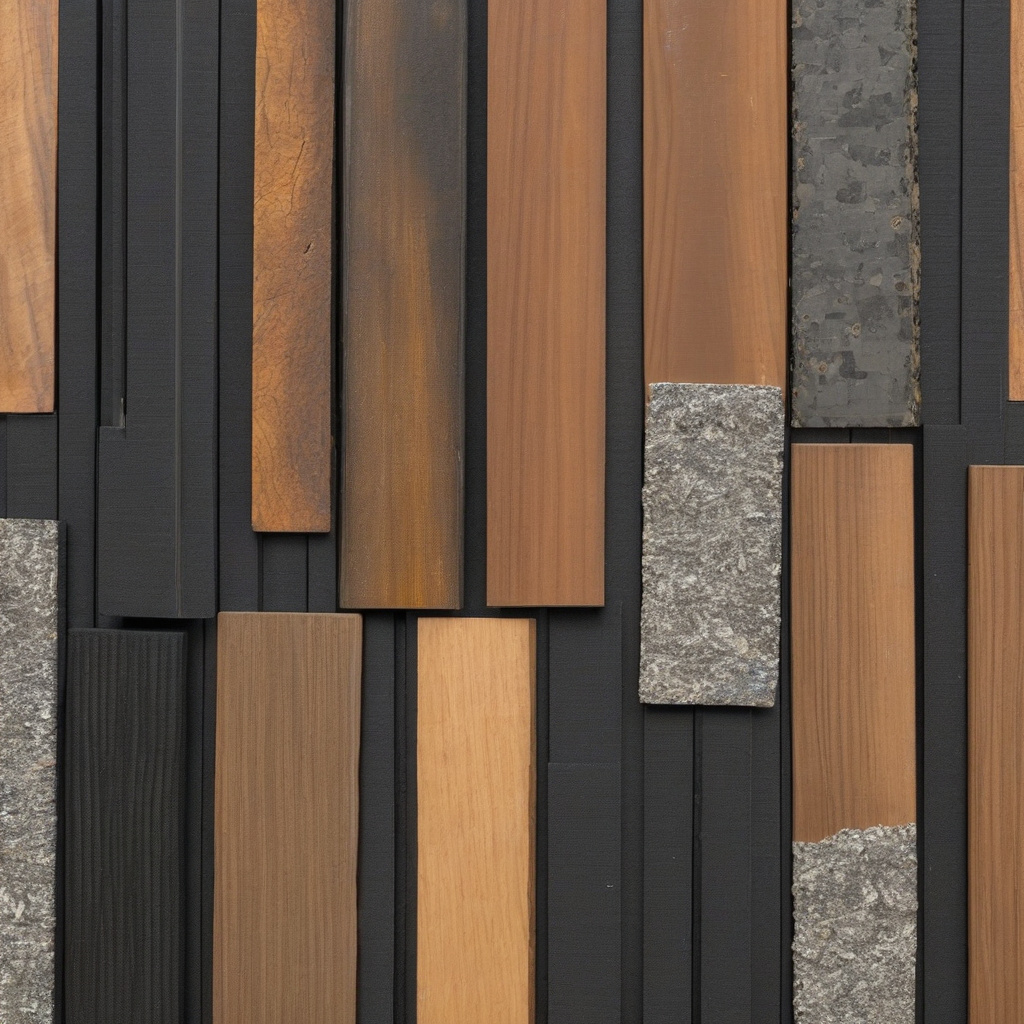
Why Fire-Resistance Matters in Deck Construction
Los Angeles, with its sprawling locale and distinct architecture, is a city where visual appeal meets functional design. Yet, amid the rolling hills and diverse terrains lies a harsh truth—wildfires don’t discriminate. They leap, gnaw, and obliterate anything in their path. In such a climate, any structural decision is intrinsically tied to safety. Decks, once casual afterthoughts in design conversations, have now gravitated into the architectural spotlight.
Homeowners are finding peace of mind in materials that guard against the wrath of unpredictable flames. According to a recent analysis of outdoor innovation, fire-resistant decks do more than just manage fire risks; they also become an integral part of sustainable construction. With more residents keen on embracing eco-forward designs, the resilient properties of these materials satisfy both aesthetic desires and practical needs.
Choosing materials that resist flames is as critical as selecting the wood for the structural integrity of a home’s interior beams. Whether opting for cutting-edge composite technology or the reliable strength of metal, homeowners are investing smartly to balance safety with style. Behind each choice is a reflection of a growing awareness: prevention over reaction can safeguard memories as well as properties.
In essence, investing in fire-resistant decking materials is like adding an insurance policy against nature’s unpredictability. These elements do not promise invincibility but do considerably reduce the risks associated with one of California’s most pressing natural threats.
In wildfire-prone areas, fire-resistant decking can reduce ignition risk by up to 60%, according to industry analyses.
Understanding the Materials: Composite vs. Metal
Within the expansive toolkit available to architects and renovators, deciding between composite or metal involves weighing distinct advantages unique to each. Composite boards, made from recycled wood fibers and plastic, have surged in popularity due to their aesthetic flexibility and substantial resistance to flames. Meanwhile, metal framing, long beloved in commercial applications, is gaining traction in residential projects for its unmatched durability.
Composite materials bring a stylistic versatility that resonates well with homeowners seeking a natural look without the maintenance hassle that natural wood demands. These boards mimic the appearance of timber but bear the advantageous trait of reduced flammability, allowing them to hold their integrity longer under fire conditions.
On the other hand, metal framing introduces a different kind of robustness to deck design. It defies the elements with an unwavering resistance uncommon in other materials, making it an excellent choice for decks expected to weather harsh conditions. The ability of metal to retain structural strength even during fire outbreaks makes it an appealing option for those prioritizing resilience.
Ultimately, the choice between composite and metal should align with the individual homeowner’s vision, budget, and specific fire risk profile. What remains paramount is understanding that each material integrates safety with design to meet the evolving needs of homeowners in fire-sensitive zones.

Experts note that combining different fire-resistant materials can offer comprehensive protection and enhance aesthetic versatility.
Cost Considerations and Long-Term Value
As any homeowner can attest, renovations are as much about balancing the budget as they are about realizing a dream. Fire-resistant materials, while initially costing more than standard options, often translate into savings over time—not only in potential repairs but also in terms of durability. Between the expense and the long-term savings, it’s a calculus of value.
The initial cost outlay for composite materials ranges significantly based on quality and brand. For instance, a high-end composite board may start around $20 per square foot, while more economical options might cost closer to $10. Conversely, metal framing, although pricier at the onset—often exceeding $25 per square foot—provides a reassuring longevity not easily matched by other materials.
But the equation isn’t just one of initial expense versus longevity. Beyond the direct cost, homeowners need to consider aspects such as maintenance, insurance savings, and potential property appreciation. With wildfires presenting a perpetual risk, investing in fire-resistant features potentially ups the home’s resale value, a compelling prospect in a competitive property market.
Ultimately, when evaluating fire-resistant decking, the aim is to assess cost through a lens of pragmatic foresight—ensuring every dollar spent today may translate into multiple saved in unforeseen futures.
Steps to Assess Decking Costs
1. Evaluate needs: Determine the primary motivations—safety, aesthetics, durability.
2. Research options: Compare composites versus metal in terms of cost-benefit.
3. Consult experts: Gain insights from architects familiar with local fire codes.
4. Get estimates: Seek quotes from multiple suppliers for informed budgeting.
Studies show that composite decks can increase a property’s overall value by an average of 5% in high-risk areas.
The Aesthetic Balance: Safety Meets Design
As many local homeowners and design experts observe, the ultimate challenge lies in harmonizing safety requirements with contemporary design preferences. Decks must meld seamlessly into home exteriors while providing the providing the necessary fire protection. Here is where the selection of decking materials can profoundly influence the aesthetic outcome.
Composite decking, available in a multitude of colors and finishes, caters to varied tastes, from rustic to modern chic. This flexibility lets homeowners align their outdoor spaces with the overall architectural narrative of their homes. The fact that these boards can resemble organic wood while offering added fire resistance is a significant advantage.
Metal frames may not initially seem like the obvious choice for elegant design. However, when creatively integrated, they offer a sleek industrial vibe that complements minimalist and contemporary aesthetics perfectly. These frames add a modernist touch and can be artfully incorporated to enhance visual interest.
In sum, designing a fire-resistant deck is a delicate dance between safety and visual appeal. When executed well, it creates an outdoor space that does not just protect but also captivates, enhancing the home’s overall design footprint.
Pet-Friendly and Practical Outdoor Spaces
For homeowners with pets, a pet-friendly deck isn’t merely about accommodation; it’s about crafting a safe haven for all members of the household. Fire-resistant materials offer this security through their non-toxic composition and durability. Pets, much like the humans who adore them, need spaces that balance comfort with safety.
Materials like composite not only improve structural integrity under fire conditions but also provide a surface that is resistant to scratches and other common pet-inflicted damages. With non-slip options, these materials ensure our four-legged companions can romp and roam safely without causing abrasions to their delicate paws.
The practicality of such materials extends beyond safety. As pet owners frequently note, decks resistant to drool, claws, and the occasional mess are a significant boon. These robust surfaces require less upkeep, allowing for more time spent enjoying the serene environment rather than in constant maintenance.
Designing a deck with all considerations—fire risk, usability, and pet safety—results in an area that is both functional and cherished by its inhabitants, which aligns seamlessly with the expectations of today’s savvy homeowners.
Ensuring Safety and Maintenance: A Holistic Approach
Protecting a cherished living space requires more than just the right materials; it necessitates a comprehensive approach that encompasses regular upkeep and vigilant safety checks. As homeowners take proactive measures in securing their decks, the importance of routine inspection becomes quite apparent.
Investing in a well-assembled fire-resistant deck undeniably reduces risks, but it doesn’t eliminate the necessity for proper oversight. Regular deck inspections are crucial to identifying potential weak spots or wear that could compromise safety in case of an emergency.
Many local professionals stress the significance of integrating these checks with seasonal maintenance routines. From checking the structural integrity of metal frameworks to ensuring that composite boards remain secure and snug, periodic maintenance shields homeowners from latent hazards.
Ultimately, safeguarding outdoor spaces becomes a continuous cycle of informed decisions and preventative measures. Ensuring that safety is woven into the fabric of ongoing home care focuses on the long-term performance and peace of mind, a goal every homeowner in wildfire-prone regions strives to achieve.
Fire-Resistant Decking Options Comparison
| Option | Cost (per sq ft) | Durability | Aesthetics | Installation Complexity |
|---|---|---|---|---|
| Composite Boards | $10 – $20 | Higher | Versatile | Moderate |
| Metal Framing | $25+ | Highest | Modern | High |

- Fire-resistant deck materials improve home safety in wildfire-prone areas.
- Composites offer flexibility in aesthetics and durability.
- Metal framing provides unmatched strength during fires.
- Regular maintenance enhances the longevity and efficiency of fire-resistant decks.
- Cost considerations balance initial expenses with long-term savings.
“`html
FAQ
What are fire-resistant deck materials?
Fire-resistant deck materials are specialized building materials designed to enhance safety in areas prone to wildfires, such as parts of California. These materials, including composite boards, metal framing, and noncombustible trims, are engineered to slow down ignition and minimize the spread of flames. In practical terms, using these materials means that in the unfortunate event a fire does reach a property, the risk of extensive damage is significantly reduced. In real renovation projects, homeowners and contractors often find that integrating these materials into deck construction not only enhances safety but also boosts long-term durability. Many experts point out that these materials often demand less frequent maintenance compared to traditional wood decks, proving to be a wise investment in areas with high fire risk.
How do I choose the best fire-resistant materials for my deck?
Choosing the best fire-resistant materials for your deck requires considering several factors. It’s crucial to evaluate the specific fire risk in your area and your budget constraints. Composite boards, for instance, offer a balance between aesthetics and safety, while metal framing provides robust structural support with excellent resistance to flames. One practical tip is to consult with local contractors who have experience dealing with fire-resistant materials. They can offer insights based on previous projects in your area. It’s also vital to get samples and compare them to see how they blend with your home’s existing architecture. Homeowners frequently underestimate the visual impact of these materials, so taking the time to choose the right color and texture can make a significant difference.
When does it make sense to use fire-resistant materials?
Using fire-resistant materials makes sense for homeowners in high-risk fire areas, particularly in zones that experience frequent wildfires. If you’re planning a renovation or constructing a new deck, and you live in such an area, incorporating these materials can be essential. In newer builds, the integration happens seamlessly as part of the initial design, whereas older properties may require creative adaptations. For projects on older homes undergoing updates, consider fire-resistant retrofitting techniques such as upgrading to metal trim or framing. Not only does this enhance safety, but it also often leads to lower insurance premiums, offering financial savings in the long run. Many renovation experts advise prioritizing safety upgrades early in planning stages to ensure compliance with local building codes and enhance overall property resilience.
What are common mistakes in using fire-resistant decking?
A common mistake homeowners make is assuming all fire-resistant materials are created equal. It’s important to research how each material performs under fire conditions and what level of protection they actually provide. Another oversight is improper installation. Even the best materials won’t perform if not installed correctly; gaps and poor sealing can compromise the deck’s integrity. During installation, ensure that every part of the deck – including substructures and trim – adheres to safety standards. Experts also caution against neglecting maintenance; fire-resistant doesn’t mean maintenance-free. Regular inspection for wear and repair is essential. In real homes, overlooking these aspects often results in unnecessary vulnerabilities and reduces the deck’s lifespan.
How much do fire-resistant materials typically cost?
The cost of fire-resistant deck materials can vary widely based on factors like the specific type of material and local market conditions. Composite materials, generally, can be more expensive than natural wood upfront, however, many find their longer lifespan and lower maintenance requirements justify the initial investment. Metal framing is another option that, although relatively high in upfront price, offers unparalleled longevity and fire resistance. On a budget, consider a combination of materials to balance costs. In real-world applications, homeowners who strategically plan their deck construction often achieve a balance between cost, safety, and aesthetic appeal. Consulting a local renovation expert can provide a detailed cost analysis tailored to your specific project. To discuss your options and costs tailored to your situation, you might want to talk to a local expert [through this contact gateway](https://californiarenovation.top/contact/).
What are the pros and cons of fire-resistant deck materials?
Fire-resistant deck materials offer significant advantages, including enhanced safety and longer durability, important factors in high-risk fire zones. Composite boards, metal framing, and noncombustible trim can all contribute to a safer home environment. On the flip side, the main drawback is often the initial cost. These materials typically come at a higher price point compared to traditional wood, which can be a deterrent for some homeowners. Another consideration is the visual appeal; while many options are available, some homeowners still prefer the natural look and feel of wood. In real-life scenarios, achieving the perfect blend of aesthetics and functionality may require compromise. Many homeowners elect to invest up-front, recognizing that the long-term savings in maintenance and insurance, alongside peace of mind, outweigh the initial expenses.
How should fire-resistant decks be maintained?
Maintaining fire-resistant decks involves regular cleaning and inspections to ensure long-term performance. Unlike wood decks, which require frequent sealing and treatment, fire-resistant decks are generally lower maintenance, but not maintenance-free. You’ll want to clean your deck surface periodically to remove debris and prevent mold development. Regular inspections should focus on identifying any structural issues or wear and tear, especially since areas of damage might compromise the deck’s fire resistance. Many experts recommend establishing a maintenance schedule that aligns with local climate conditions—more moisture demands more vigilance. In high-risk fire areas, keeping your deck area clear of flammable materials, such as dry leaves or paper, is crucial as well. Remember, consistent upkeep not only preserves safety but also extends the deck’s lifespan, saving you time and money in the long run.
What installation specifics should I be aware of for these materials?
When installing fire-resistant deck materials, it’s vital to follow manufacturer guidelines to ensure optimal performance. The installation process for composite boards differs significantly from wood, requiring specific tools and techniques to account for materials’ expansion and contraction nuances. Utilizing metal framing often involves precise measurements and cutting to ensure structural integrity and siding alignment. It’s crucial to work with experienced professionals who understand the unique properties of these materials. Homeowners frequently underestimate the difference professional installation can make, not just for compliance with building codes, but also in achieving a resilient, long-lasting build. Engaging with a qualified contractor knowledgeable in fire-resistant materials can make the process smoother and more efficient, thereby enhancing safety outcomes and aesthetic appeal.
“`