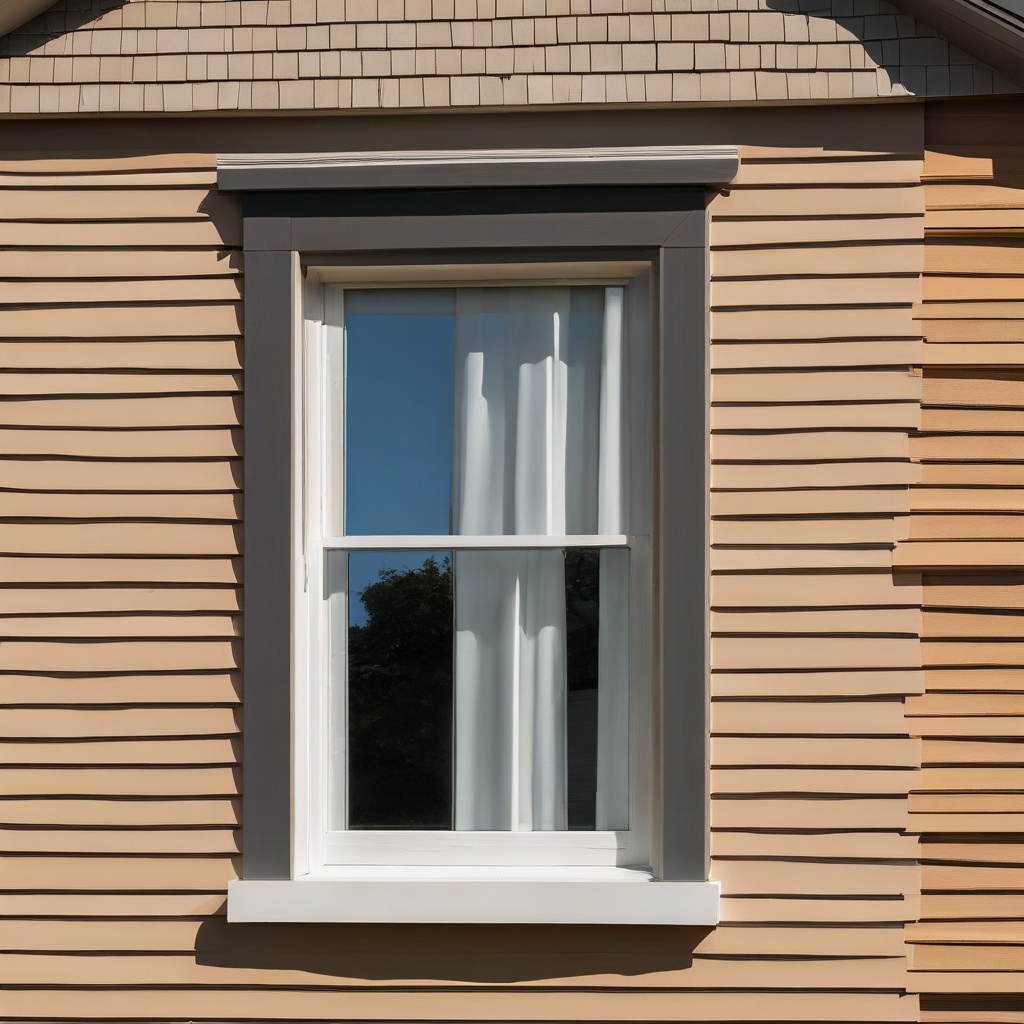
In the sunny realm of Los Angeles, where remodels bask under eternal blue skies, homeowners often find themselves at a crossroads when it comes to window installations. The decision between retrofit and new-construction windows is not just one of aesthetics but a pivotal choice influencing cost, time, and energy efficiency.
Brief summary: The article examines the critical distinctions between retrofit and new-construction windows, highlighting their respective advantages and disadvantages. It also discusses the considerations for Los Angeles homeowners, including cost implications, energy efficiency, and renovation timelines.
Navigating the Landscape of Window Installations
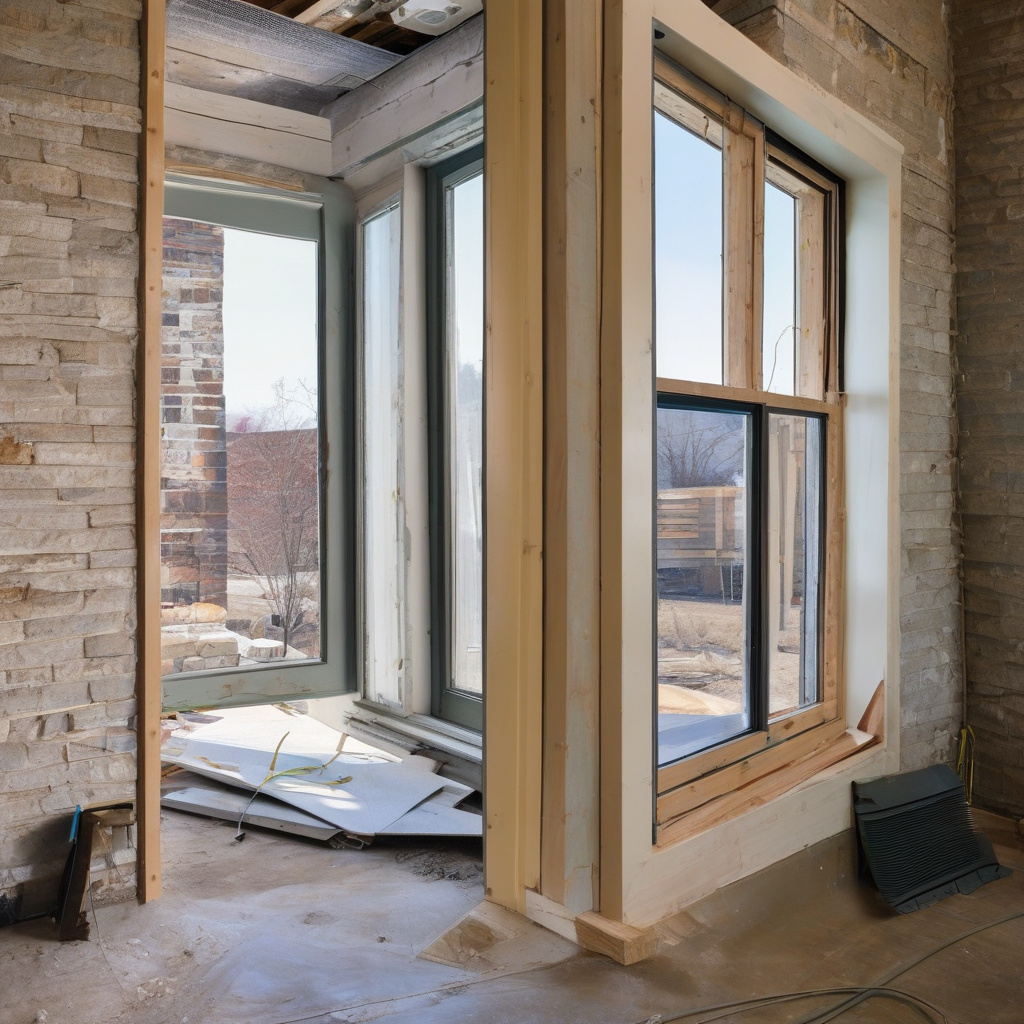
The choice between retrofit and new-construction windows is far from trivial for those embarking on renovations. Retrofitting, primarily, involves replacing the glass or sashes while leaving the existing frame intact, thus saving time and labor on structurally untouched homes. Conversely, new-construction windows demand an overhaul of the window frame, ideal for comprehensive remodels that extend to the walls.
At California’s bespoke renovation epicenter, understanding these options has become paramount for homeowners and contractors alike. Retrofit windows cater to the pragmatic, with installation minimizing disruptions to exterior facades. Meanwhile, new-construction frames offer a blank canvas for new architectural visions, albeit at a higher cost and labor investment.
The retrofit approach can keep both budget constraints and aesthetic preservation in check. Local remodelers observe that Los Angeles’ iconic Spanish Revival homes often favor retrofits to maintain authentic details. However, for structures yearning for a makeover, the new-construction route can breathe fresh life into tired designs.
Ultimately, the decision boils down to the scope of renovation. In many cases, retrofit installations are the unsung heroes, discreetly integrating into historic streetscapes without drawing unnecessary attention.
Balancing between nostalgia and innovation, window installations reflect not just a functional need but an intentional design philosophy.
Cost Considerations and Long-term Value
When assessing windows, costs are invariably top of mind. In essence, retrofitting is the budget-friendly option, usually costing 15 to 20 percent less than new-construction windows. This financial difference, however, is often offset by potential energy savings and reduced maintenance costs over time.
New-construction windows, crafted for custom-fit excellence, may present a heftier upfront price tag. Yet, their potential for improved insulation and energy efficiency can offer long-term economic advantages. For instance, many homeowners find the costlier path justifiable when utility bills reflect enviable reductions.
Consider the typical Los Angeles story: An older home undergoing a refresh, the owners opting for retrofit windows to preserve both their home’s historical charm and their bank balance. As the sun dips below the rooftops, it becomes evident that the retrofit choice allowed them to channel savings into other critical updates, from seismic upgrades to bespoke landscaping.
In Southern California, window-related upgrades can deliver an impressive return on investment of up to 80% when resale time arrives.
While initial costs paint a defining picture, discerning homeowners understand that the window decision encompasses a greater narrative about commitment to both sustainability and architectural integrity.
Budget constraints may steer many toward retrofitting, but investing in new-construction windows is often seen as a pledge toward a more energy-efficient future.
Materials and Energy Efficiency
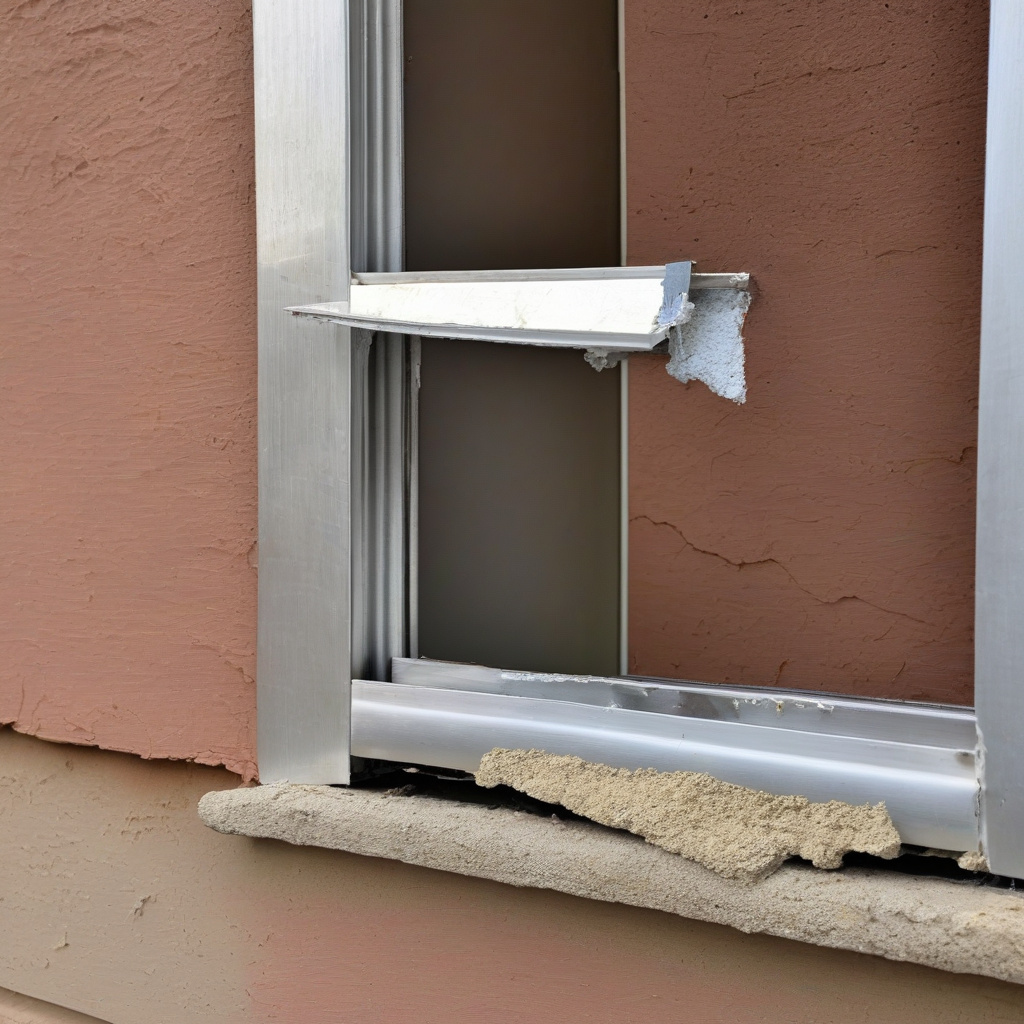
Material composition plays a significant role in window selection. Retrofit windows typically use vinyl or aluminum, maintaining low U-values and transactional allure. In contrast, wood-clad and fiberglass options for new-construction installations offer superior thermal performance—critical in minimizing Southern California’s summer heat invasion.
Whether choosing to retrofit or start anew, incorporating specialized coatings can enhance energy efficiency. For instance, low-E coatings applied to glass reduce infrared light penetration, thus preserving cooler interior temperatures during heat waves.
The importance of material choice is illustrated in the story of a Pasadena renovation, wherein retrofitted aluminum windows were paired with state-of-the-art low-E glass, transforming the dwelling into a haven of eco-friendly luxury.
While retrofit windows offer a swift and simple update, choosing new-construction can reward owners with reduced thermal bridging and minimized heat loss thanks to superior framing options.
Experts estimate that effective window installations can reduce energy expenditures by up to 30% in climates like Southern California’s.
Material matters, indeed, and each homeowner faces the decision of striking the perfect balance between initial costs and enhanced long-term comfort and efficiency.
Comparative Analysis of Timelines and Methods
The timeline for completing each type of project also differs significantly. Retrofitting a set of windows can be a sprightly endeavor, often executed within days, as it involves minimal structural disruption. This efficiency often proves crucial during peak construction seasons.
New-construction replacements, however, engender a more exhaustive process, often spanning a week or more, as they embark on a complete structural overhaul. These projects necessitate permits, meticulous planning, and comprehensive execution to ensure conformance with local building codes.
| Option | Cost Range | Timeline | Materials |
|---|---|---|---|
| Retrofit | $300 – $850 per window | 2-3 days | Vinyl, Aluminum |
| New-Construction | $450 – $1600 per window | 1-2 weeks | Wood-Clad, Fiberglass |
A crucial factor influencing the decision-making process is the homeowner’s tolerance for construction intrusion and planning phase flexibility. The short-term chaos of construction is often weighed against the end goal of a completely renewed home façade.
Given these timelines and methods, homeowners in Los Angeles recognize that selecting window types can be as much about adapting to personal schedules as it is about setting a vision for the final outcome.
Planning Your Window Replacement Strategy
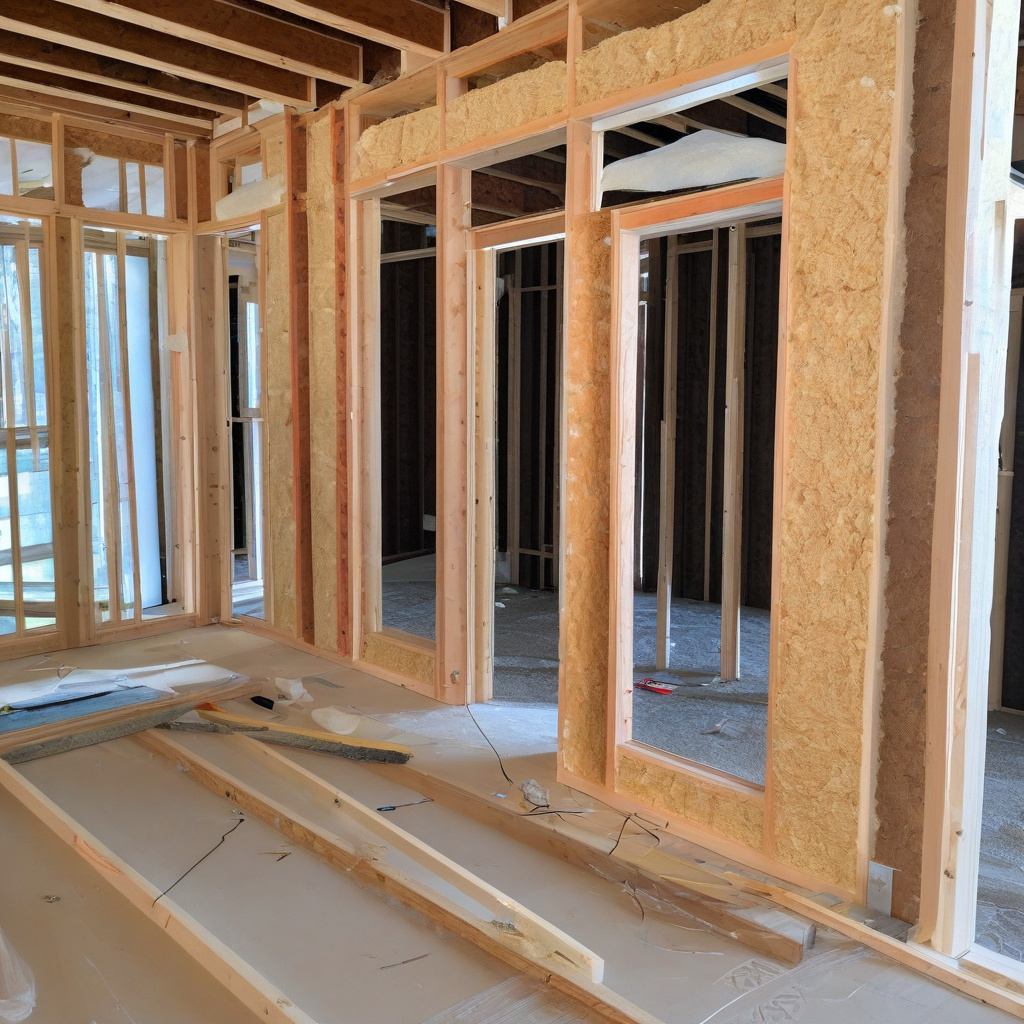
Window replacement strategies can be as complex as the homes they aim to enhance. Homeowners are tasked not just with selecting the right type of window but with accommodating their decisions into broader renovation plans.
The planning process benefits from considering potential challenges, such as integrating sliding patio doors for a harmonious design. Achieving a seamless transition from interior to exterior is key, so factoring in how new windows align with door installations becomes imperative.
Homeowners might consider breaking down the project into phases, beginning with high-impact areas such as living rooms or kitchens before tackling less frequented spaces. This approach can aid in both budget management and minimizing disruption in the daily household rhythm.
Adding a personalized touch to these strategies involves consulting experts who can guide the alignment of aesthetic aspirations with practical necessities.
Kevin O’Reilly, a leading construction analyst, notes, “Incorporating energy-efficient fenestration significantly influences California property values, contributing to increased market interest.”
A well-articulated plan ensures that the inevitable dust settles with little regret and abundant satisfaction, achieving a home that reflects both practicality and ambition.
Avoiding Common Pitfalls in Window Installations
Through mountains of advice and a sea of brochures, the decision-making process can sometimes suffer from a severe case of information overload. This tends to lead many homeowners into the pitfall-laden realm of do-it-yourself installations, some of which end with unsatisfactory results.

For those keen on handing over installation control, enlisting professional help can be the difference between success and disappointment. DIY enthusiasts would benefit from scrutinizing readily available guides, understanding the common errors made during personal installation attempts, and weighing these against potential professional benefits.
The story of a Glendale resident illustrates this well: after opting for a DIY approach, the homeowner found themselves grappling with drafts and incorrect fittings, necessitating a reassessment of the benefits of professional craftsmanship.
A skilled contractor garners respect for knowing the subtleties and regulations that ensure window installations are up to code while achieving desired results.
Learning from others’ missteps allows for a pastiche of insights that fosters informed choices, turning window replacements into a rewarding home improvement saga.
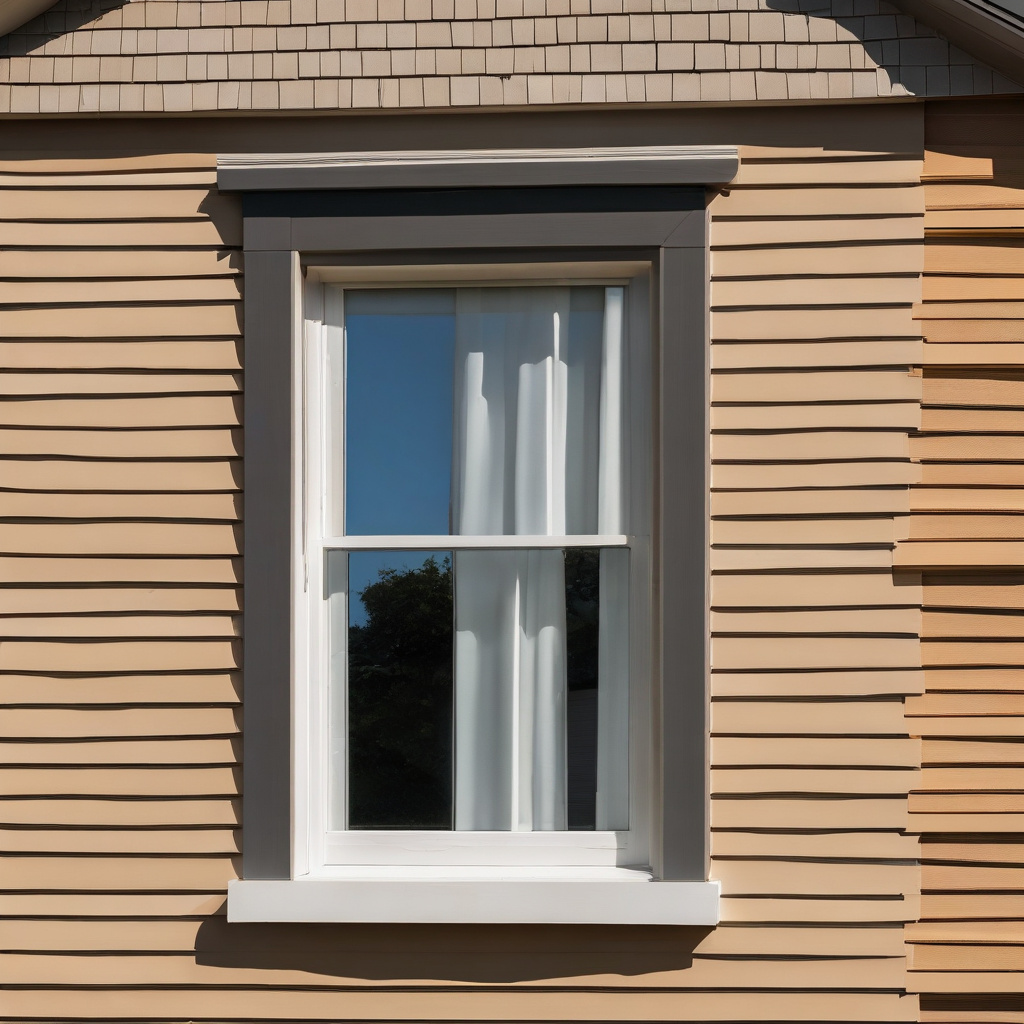
- Understand the difference between retrofit and new-construction windows for your renovation needs.
- Evaluate costs, energy efficiency, and long-term value when choosing window styles.
- Plan window replacements carefully to suit your timelines and renovation scope.
- Avoid DIY pitfalls by consulting professionals for complex window installations.
- Customize your renovation strategy to maintain or enhance your home’s architectural charm.
FAQ
What are retrofit windows and how do they differ from new construction windows?
Retrofit windows are designed to fit into existing openings without disturbing the surrounding framework, making them ideal for remodeling projects where structural changes are unnecessary. In real renovation projects, these windows are slipped into old frames with precision, minimizing disruption. New construction windows, on the other hand, include a nailing fin and require framing adjustments, often used in projects involving significant structural changes or new builds. Many experts point out that the choice depends largely on the scope of your project and the existing condition of your window frames.
How do I choose between retrofit and new construction windows?
Choosing between retrofit and new construction windows hinges on the nature of your project. In many homes, particularly older properties, retrofit windows are favored for their simplicity and less invasive installation process. They are often more cost-effective for those updating aesthetics or improving energy efficiency without major renovations. However, if you’re undergoing a large-scale remodel or building from scratch, where window placements and sizes might change, new construction windows provide more flexibility. Remember, homeowners frequently underestimate the structural adjustments needed for new construction windows, leading to unexpected costs.
When does it make sense to opt for retrofit windows?
Retrofit windows are a sensible choice when the goal is to refresh the look of a home or improve energy efficiency without altering the existing framework. In California, where many homes are built with durable materials that withstand various climates, retrofit can be an excellent option for maintaining structural integrity while upgrading aesthetics. A renovation expert might highlight that retrofits are especially ideal for homes with unique architectural features that homeowners wish to preserve. A common mistake is overlooking the importance of frame condition; ensure it’s sound before opting for a retrofit solution.
What are the cost considerations for retrofit vs. new construction windows?
Cost is a significant factor in choosing between the two window types. Retrofit windows typically incur lower installation costs because they require less labor and fewer materials. This is why they are often chosen for budget-friendly renovations. However, if your home’s layout or style necessitates structural modifications, the cost of new construction windows might be justified. Many experts note that, in California, labor costs can inflate the price of new construction window installations significantly due to the added complexity. Evaluate your budget against the scope and needs of your project to make an informed decision.
What are common mistakes homeowners should avoid in window renovations?
One common error is not assessing the condition of existing frames before choosing retrofits, potentially leading to ongoing issues with leaks or drafts. In the real world of renovations, this often results in having to replace windows sooner than expected. Another mistake is misjudging the project scope; assuming new construction windows can be installed with minimal disruption can lead to cost overruns and delays. Homeowners sometimes neglect to consider the alignment of new windows with older home aesthetics, which can detract from the property’s value. Consulting a renovation expert early can guide through these pitfalls.
What are the pros and cons of retrofit windows compared to new construction windows?
Retrofit windows offer the advantage of being less invasive and generally more affordable, making them a favorite for homeowners looking to maintain their current home structure. However, they hinge on the integrity of existing frames, which may not always be reliable. New construction windows provide the opportunity for customization and major renovations but come with higher costs and the potential for more extensive work, including possible changes to siding or trim. Understand your long-term goals and existing conditions before making a decision; these factors significantly influence the best option for your home renovation.
What installation specifics should I consider for both window types?
Regarding installation, retrofit windows require the existing frame to be in sound condition; otherwise, issues like draftiness can occur. In practice, these windows often fit snugly within older homes with unique architectural features. New construction windows necessitate more preparatory work, such as removing existing windows and adjusting frames, which can affect adjacent home elements like siding. Installation also involves ensuring appropriate sealing and insulation to maintain energy efficiency. In US regions like California, special attention to sealing is crucial due to temperature variability, ensuring your investment delivers the expected benefits.
How can I ensure the chosen window solution aligns with my renovation goals?
To ensure your windows align with renovation goals, thoroughly assess both your current structural needs and future plans. For those eager to preserve historical elements, retrofit windows might be more appropriate, keeping the charm intact while providing modern efficiencies. Yet, significant remodels might benefit more from the flexibility of new construction windows. It’s pivotal to have expert input – many find that discussing specifics with a professional can clarify options. Should queries arise, this expert advice option can guide homeowners through this nuanced decision-making process, aligning with both budget and aesthetic desires.