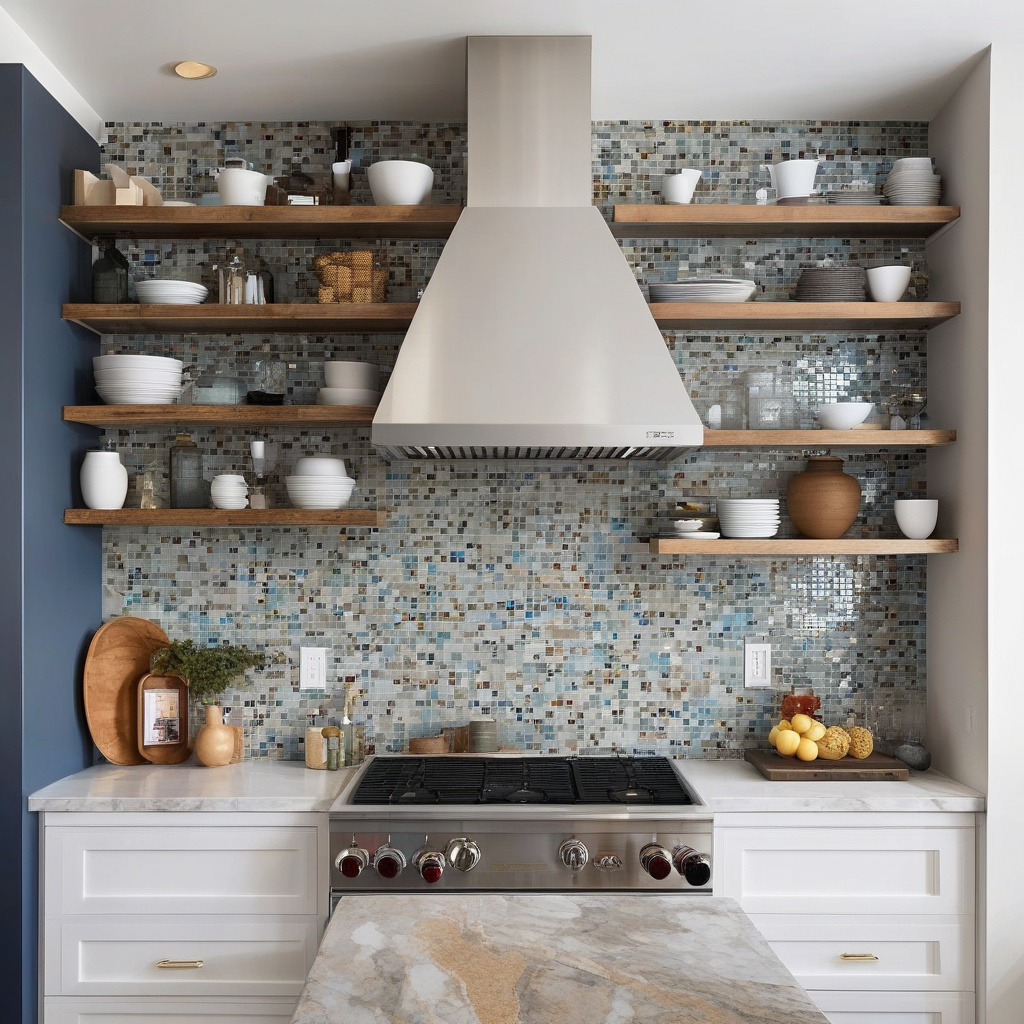
Transforming a cramped bathroom into a spacious-looking haven involves much more than merely tossing a few mirrors around. It calls for an intelligent play on colors, clever use of light, and thoughtful selection of materials. As the cost of living in Los Angeles continues to soar, making the most of every inch in your home has become a veritable art form. Surprisingly, the science of color can play a pivotal role in this transformation. Using light, airy tones and strategic accents, homeowners can open up even the most compact spaces.
Brief summary: Explore expert strategies to make small bathrooms in Los Angeles feel larger through strategic color choices, layout considerations, and material selection. Learn how light tones, reflective accents, and contrasting elements can expand tight spaces while maintaining tranquility and style. Discover real homeowner experiences and insights into the remodeling process.
Painting the Picture: Utilizing Light Tones
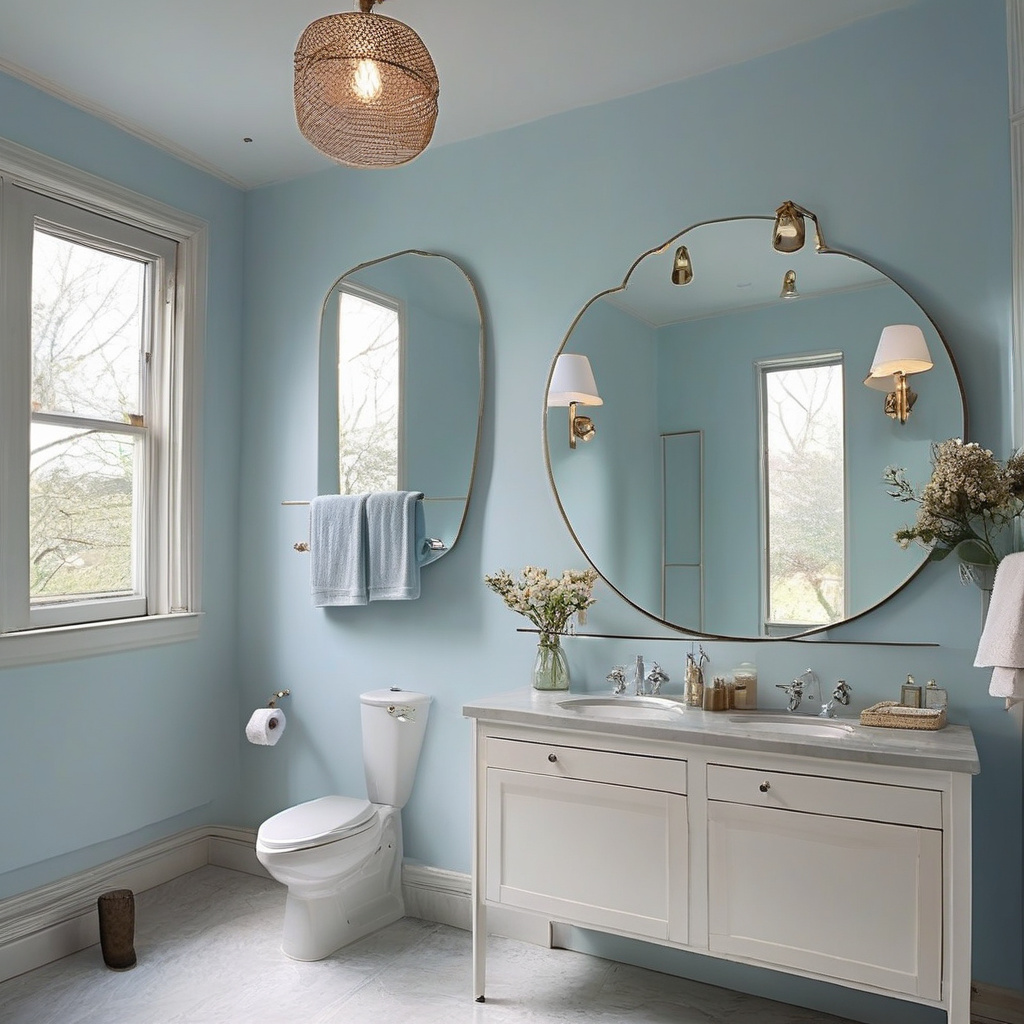
In the art of making small bathrooms appear larger, color choices are crucial. Lighter paint colors such as pastel blues, soft greys, and off-whites act as visual illusions that extend the space. These tones capture natural light, making even the tiniest compartments feel more open and less claustrophobic. As Los Angeles has its fair share of homes with limited bathroom space, this approach is gaining traction among renovators.
Notably, the use of monochrome schemes remains a classic yet effective strategy. By eliminating stark contrasts, these hues create a seamless and less fragmented appearance. This method has been particularly effective in areas with limited windows or natural light sources. The seamless transition of color allows the eye to travel unimpeded, providing a perception of an unending space.
Yet, maintaining a balance is essential. Too much light color without variation can feel sterile and cold. Incorporating pops of color or texture through elements like plants, rugs, or hardware can add warmth and character without overwhelming the space.
As many local homeowners notice, adopting this harmonious balance significantly impacts the perception of more expansive and inviting spaces. Thus, these remodeling experiences reflect the evolving trends toward minimalist yet functional design aesthetics.
The Subtle Art of Contrast
While light colors are the go-to for expanding spaces, incorporating strategic contrast can also make a bold and beneficial statement. Darker hues used sparingly, such as on an accent wall or small fixtures, draw the eye to focused areas, making the rest of the room appear larger by comparison.
Incorporating this contrasting subtlety requires meticulous planning. Overuse can easily swing from stylish to oppressive. Therefore, the key is to strike just the right balance—something many Southern California homeowners manage through careful coordination with renovation specialists.
Fixtures in darker shades or cabinetry that contrasts against whiter walls are effective. Not only do they provide depth, but they also add an element of sophistication to the design landscape.
Ultimately, thoughtful use of contrast provides a design that feels well-crafted yet effortless. Many Angelenos are opting for this blended approach to maximize aesthetic appeal while maintaining a sense of spatial generosity.
An expert from the National Kitchen and Bath Association notes that “roughly 60% of homeowners see increased satisfaction post-renovation when incorporating strategic lighting and color contrast into their bathroom designs.”
Reflective Accents and Clever Lighting
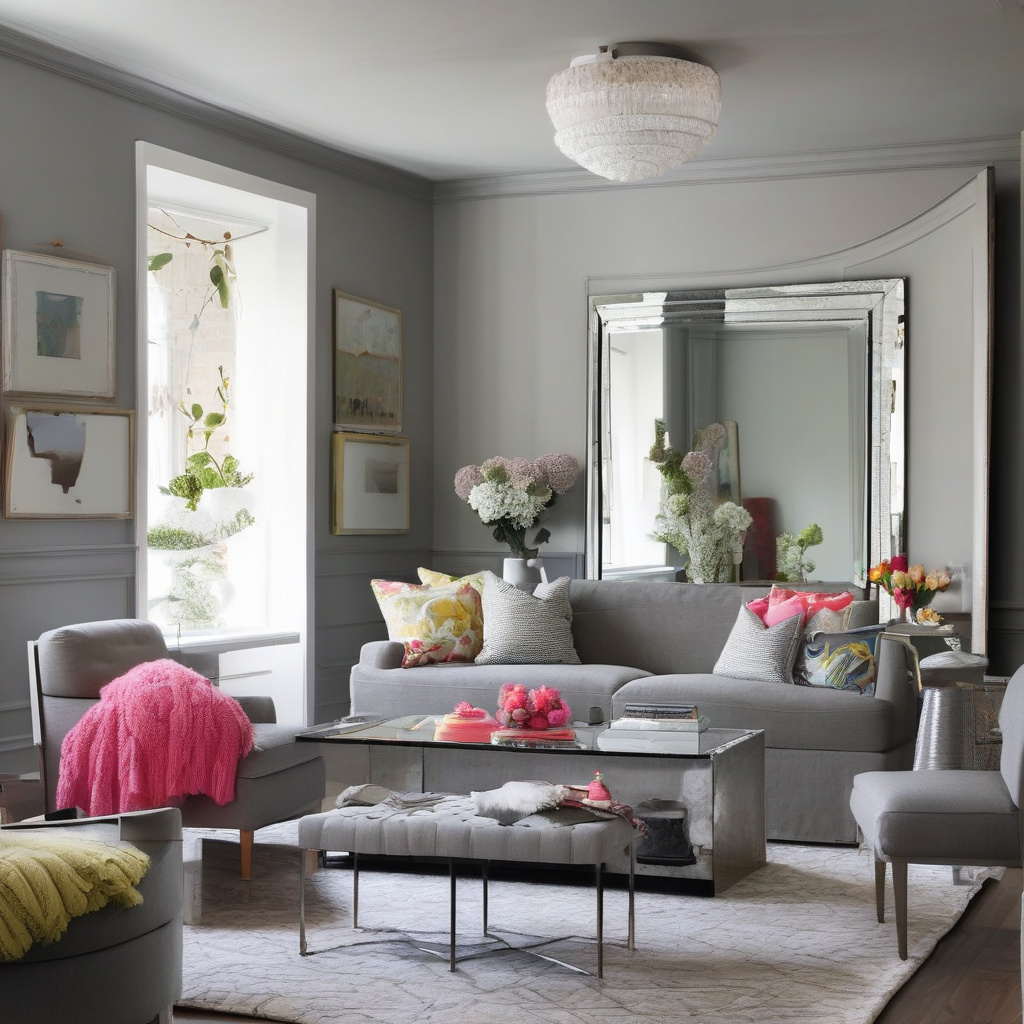
Reflective surfaces are the unsung heroes of expanding small spaces. Not only do they bounce light around, but they also create an illusion of depth. Mirrors can extend far beyond their functional intent; multiple smaller mirrors or a large central piece can dramatically alter the perception of space.
Additionally, clever lighting accentuates these reflective practices. By using layered lighting—task, ambient, and decorative—a bathroom can transform under its own glow. Layers of light provide aesthetic warmth while highlighting focal points. Consider the use of LED lights behind mirrors for a modern, clean effect.
A homeowner in Santa Monica recently implemented these strategies with compelling results, transforming a compact, outdated bathroom into a haven of light through strategic placement of light sources and mirrored surfaces—a testament to the transformative power of reflective strategy.
Industry statistics show that homes with upgraded lighting and reflective accents yield a return on investment upwards of 70% during resale.
Therefore, these techniques not only improve daily living but also promise substantial returns should homeowners decide to sell.
Planning for Structural Challenges
When embarking on a bathroom renovation, it’s crucial to consider layout and existing structural challenges. In many older Southern Californian homes, reconfiguring layout without invasive structural changes is a common need. Figuring out if walls need to be shifted or if existing features like plumbing can be altered is a process that demands professional insight.
Layouts that open the room and maximize floor space include moving vanities to less intrusive spots or utilizing wall-hung cabinetry, thus providing both style and substance. Functional flow trumps aesthetic every time in a space where every inch counts.
During the planning stage, consult resources like this guide on efficient bathroom designs to explore versatile options that cater to specific needs without sacrificing style. These resources often provide a step-by-step breakdown ideal for homeowners navigating this complex journey for the first time.
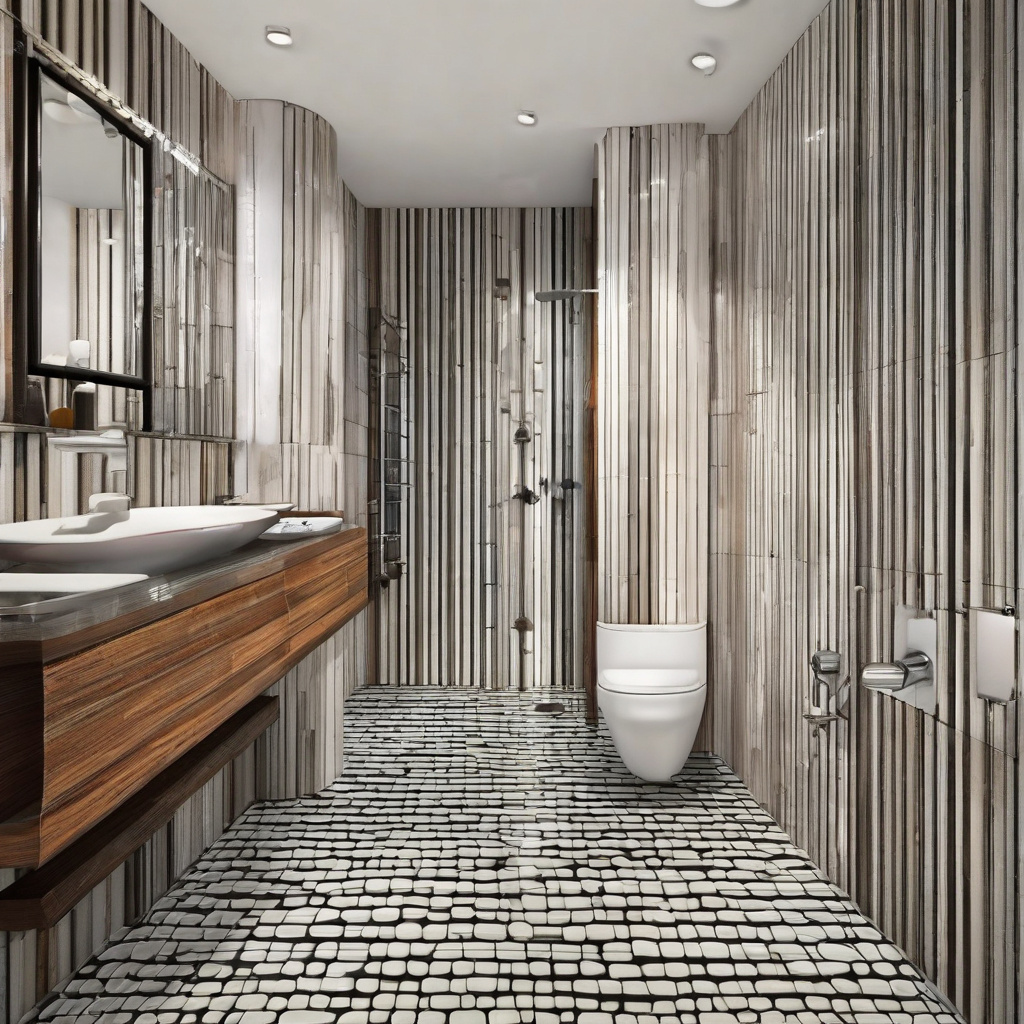
How-To: Working With Limited Space
- Analyze existing bathroom dimensions and jot down possible layout changes.
- Highlight existing elements like plumbing and electrical fixtures that will impact design.
- Seek professional advice to maximize both spatial and functional efficacy.
- Consider versatile storage solutions such as vertical racks or over-toilet shelves.
- Finalize the layout ensuring a balance between style and utility.
Research supports that well-executed layout changes can result in up to a 50% increase in space efficiency.
The Material World: Options and Costs
Material choice in bathroom remodeling profoundly impacts not only aesthetics but also durability and costs. While natural stones like granite and marble exude luxury, they come at a price, both in terms of material costs and maintenance.
Conversely, ceramics offer a more affordable, yet equally appealing option. Advances in ceramic technology have produced tiles that closely mimic the appearance of natural materials while providing the benefits of durability and cost-effectiveness.
Choosing the right countertop is another crucial step. A visit to a countertop resource can leave you inspired by options ranging from quartz to recycled materials. These choices reflect personal taste and budget accordingly.
When comparing options, it’s vital to weigh the upfront investment against ongoing maintenance and the potential for resale return.
| Material | Cost Range | Durability | Maintenance |
|---|---|---|---|
| Granite | High | Very High | Moderate |
| Ceramic | Low-Mid | High | Low |
| Quartz | Mid-High | Very High | Low |
Preparing for the Remodeling Journey
Embarking on a bathroom remodel is both an exciting and daunting venture. It involves ongoing decision-making about style, cost, and practicality, making it paramount for homeowners to enter the process well-prepared.
Proactively understanding the timeline involved, setting realistic budgets, and discussing potential disruptions within the household can mitigate stress. Resources like ways to live without drama during renovation provide invaluable insights.
Scenarios shared by those who have treaded this path indicate that open communication with contractors, foresight in planning, and flexibility in expectations facilitate smoother project execution. The prosperity of the final product hinges as much on these preparatory elements as it does on the choices of color and material.
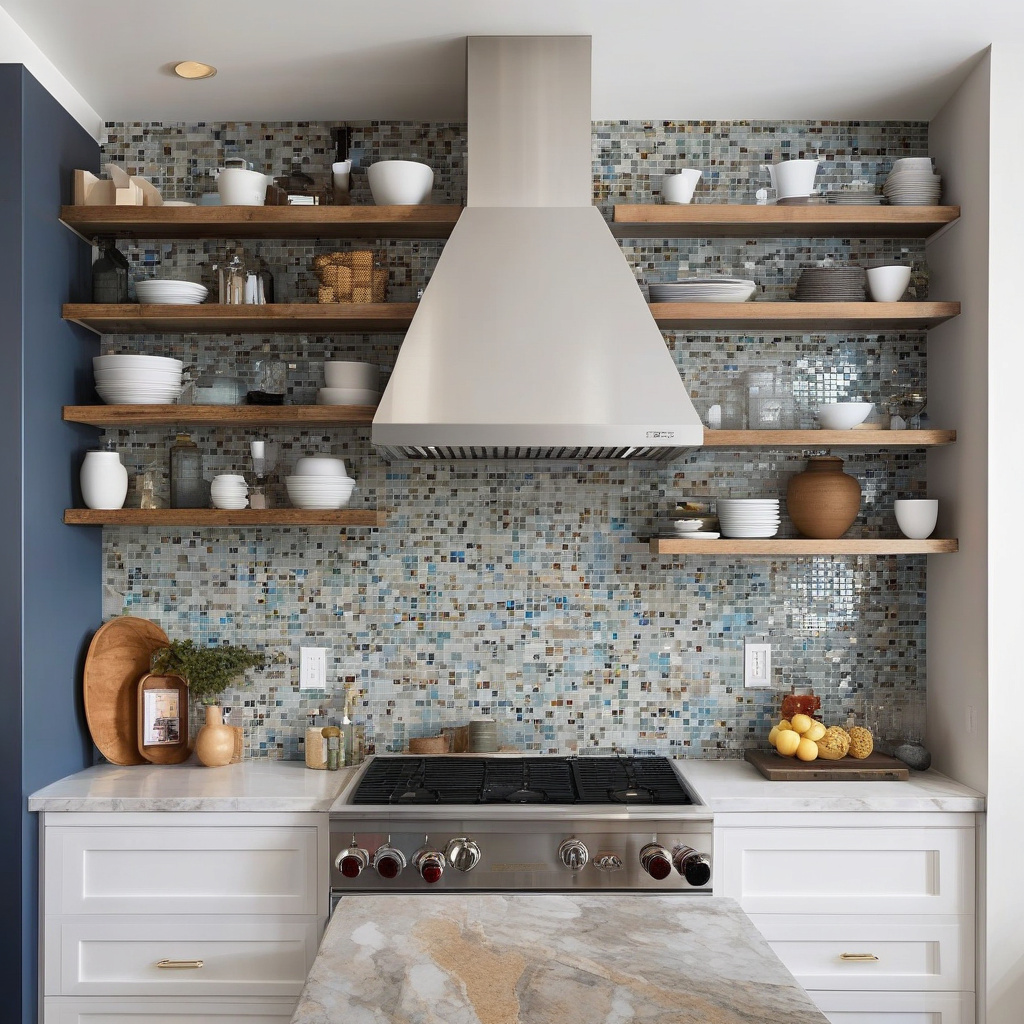
Taking these steps ensures that your small bathroom remodel not only enhances your living experience but also maximizes the value of one of your home’s smallest yet most valuable spaces. Considering color, contrast, and materials alongside professional insights reflects a strategy that goes beyond surface aesthetics, promising a coherent and timeless update.
- Select light tones to create an airy atmosphere.
- Incorporate strategic contrasts for depth.
- Use reflective surfaces and layered lighting effectively.
- Plan layouts with professional guidance for functional flow.
- Choose materials balancing cost, maintenance, and aesthetic.
“`html
FAQ
What colors are best for making small bathrooms look bigger?
In real renovation projects, it’s often discovered that light, airy tones such as pale blues, soft grays, and creamy whites work wonders in visually expanding small bathrooms. These hues reflect more light, making the space appear larger and more open. Many experts recommend using a monochromatic color scheme to maintain a seamless flow, as it reduces visual barriers, giving an illusion of an extended space. However, homeowners need to ensure that the room gets ample light – natural or artificial – to prevent these colors from looking too flat or cold.
How can balanced contrast be applied in small bathroom color schemes?
Achieving balanced contrast involves pairing light shades with darker accents to add depth without overwhelming the space. For instance, you might paint the walls in a soft pastel tone, then accessorize with a darker vanity or framed mirror. This creates a focal point while still maintaining an open feel. Many experts point out that using textured tiles within the color contrast can also add dimension without reducing room size. Homeowners should be cautious, though—overdoing contrast can break the flow, making your bathroom feel cramped rather than spacious.
Are there reflective accents that can help enhance space in small bathrooms?
Reflective surfaces are a key strategy in amplifying space in small bathrooms. Many renovation experts suggest incorporating mirrors not just for practical use but for visual trickery. A large mirror above the sink or reflective drawer fronts can bounce light, increasing brightness and depth. Glass tiles and glossy paint finishes also serve this purpose. However, it’s important not to go overboard, as too many reflective surfaces can create visual chaos, negating the intended effect of calmness and spatial expansion.
What are the typical mistakes in choosing colors for small bathrooms?
A common mistake homeowners make is opting for overly dark or bold colors, thinking they add character. In reality, these hues absorb light, making spaces feel smaller and confined. Another error is inconsistent color schemes that fragment the visual flow, such as pairing clashing colors. To avoid these pitfalls, many experts recommend sticking to a harmonious palette and considering how natural light affects color perception. Test paint samples in different light conditions before committing.
When does it make sense to incorporate bold accents in small bathrooms?
Bold accents can be effectively used in small bathrooms when applied judiciously, such as a feature wall or through accessories like rugs and towels. In many Californian homes, for instance, eclectic tile patterns in shower areas provide character without compromising space perception. It’s important to limit bold elements to avoid overwhelming the space; therefore, they should be used sparingly against a neutral background to maintain balance and flow.
What are the cost considerations for repainting a small bathroom?
Repainting a small bathroom often involves considering both materials and labor costs. While it might tempt homeowners to opt for cheaper paint options, investing in high-quality, moisture-resistant paint is crucial for longevity due to the room’s damp environment. Professional painting services can range based on area, with California being at the higher end given labor costs. DIY can save money but requires care with preparation and finish quality. It’s wise to consult with professionals to get an idea of potential expenses; consider reaching out via [contacting professionals for advice](https://californiarenovation.top/contact/).
What are the pros and cons of using tile versus paint in small bathrooms?
Choosing between tile and paint depends on multiple factors—expense, durability, and desired finish. Tiles offer water resistance and durability, which are ideal for wet zones, but they come at a higher initial cost and installation requirement. Paint is cost-effective and allows for easy updates, offering flexibility in creating varied looks. However, it’s less durable in moisture-prone areas unless specialty products are used. Homeowners often find a balance by tiling key areas, like the shower, and painting others for aesthetic variety.
How do older homes versus new builds affect color choices in bathrooms?
In older homes, color choices might be influenced by unique architectural elements or stylistic constraints. Brightening up classic features with contemporary, light tones can rejuvenate the space while respecting its heritage. New builds, on the other hand, often feature modern, neutral canvases that easily adapt to various color schemes, offering more versatility. Many experts encourage homeowners to consider the home’s overall style and era in their choices, ensuring that each room complements the house as a unified entity.
“`