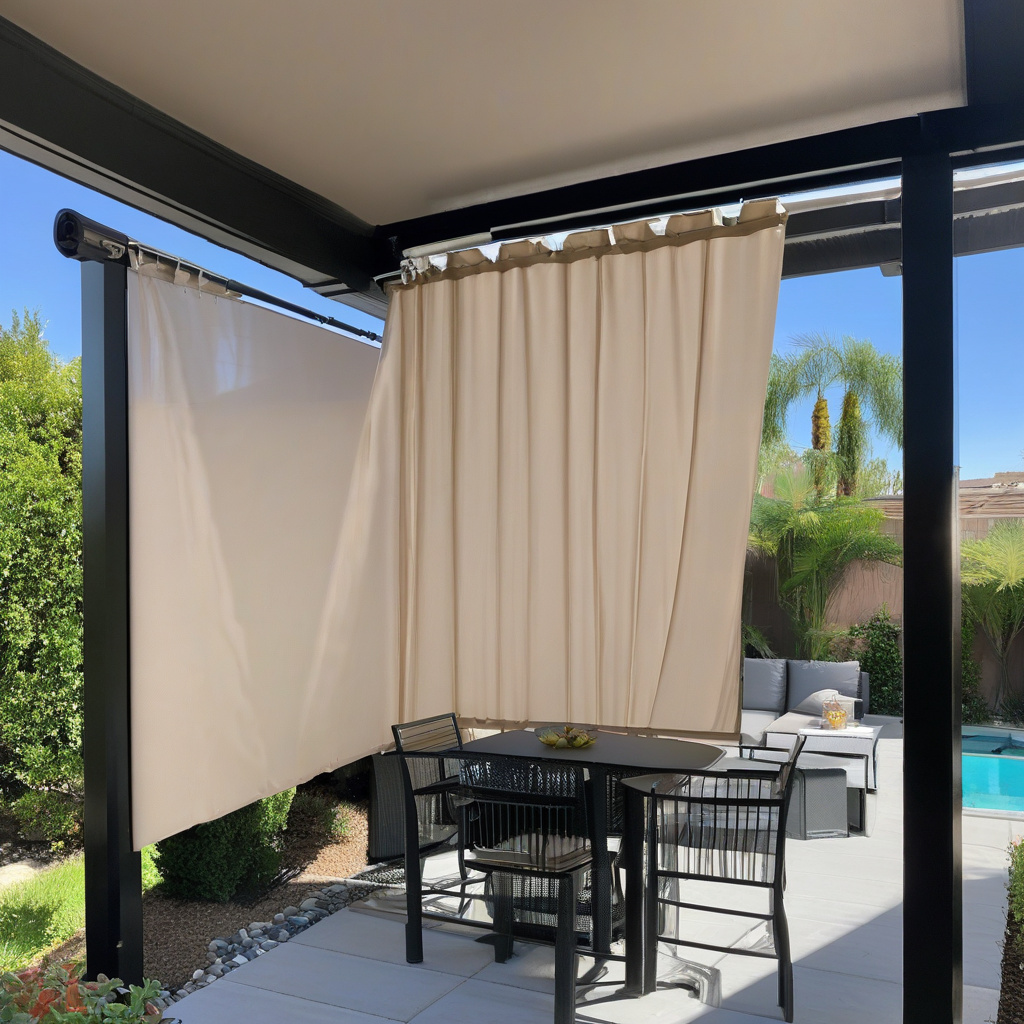
In the bustling and densely packed neighborhoods of Los Angeles, carving out a personal oasis amidst the urban sprawl can feel like an architectural balancing act. Creating a sanctuary of privacy on your patio while ensuring it remains light, open, and inviting is a common challenge faced by homeowners in this sprawling city. For those seeking privacy without sacrificing style, there are several innovative strategies and design trends to consider.
Brief summary: This article explores the various methods of creating privacy on patios in dense Los Angeles neighborhoods, focusing on screens, plantings, and layout techniques. It includes real-life examples, cost comparisons, and expert insights to help homeowners achieve a stylish yet secluded outdoor space.
Bamboo Screens and Tall Greenery: The Urban Jungle Solution
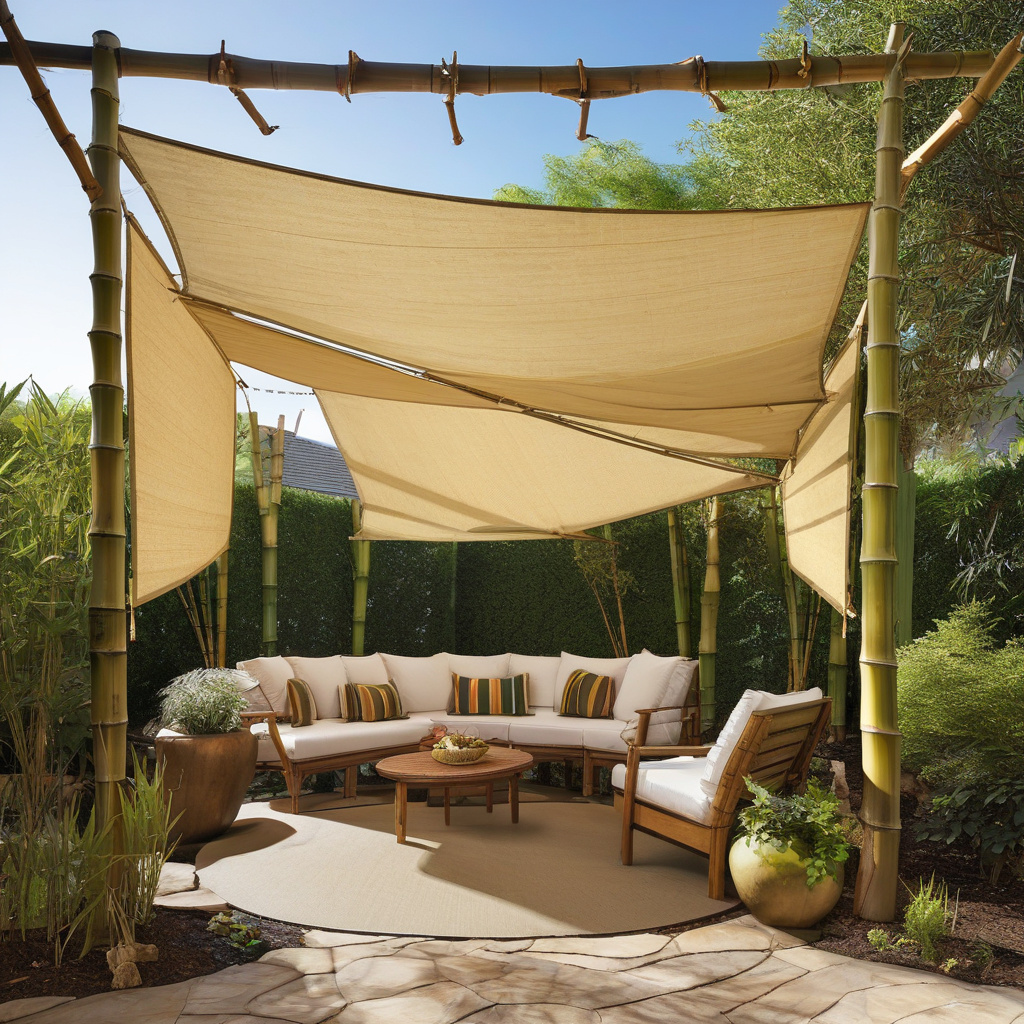
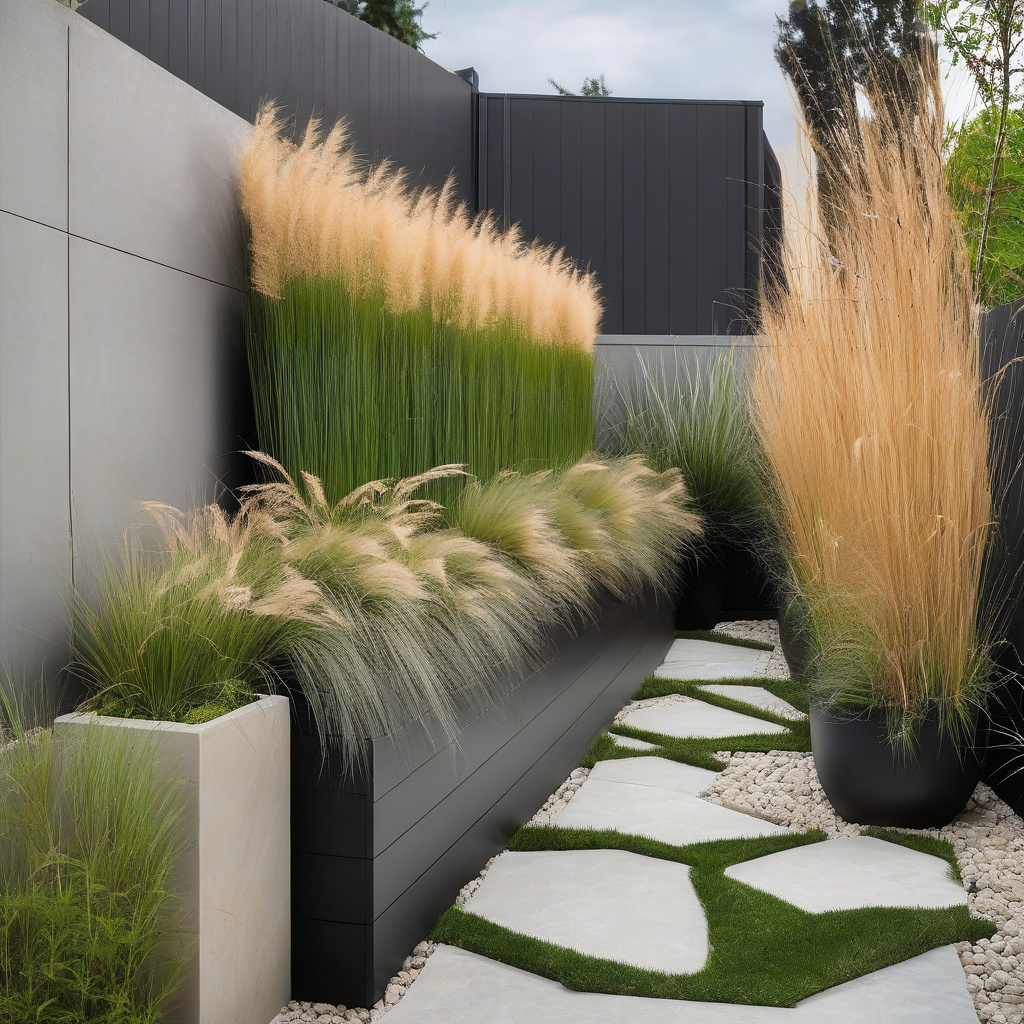
For many Los Angeles residents, the appeal of lush, verdant plantings can turn a mundane patio into a vibrant living space. Bamboo screens, for instance, serve a dual purpose by providing privacy and introducing an exotic, natural element to the patio. As many local homeowners notice, bamboo grows quickly and forms a dense barrier that’s both practical and visually stunning.
The integration of tall plants such as eucalyptus or hedge walls can further enhance this green shield. These plantings not only obscure sightlines from nosy neighbors but also contribute to an overall calming environment. In a way, these natural solutions are akin to the green walls popularized in urban architecture, where the boundary between indoors and outdoors seems to blur seamlessly.
However, maintaining such living installations requires a fair bit of upkeep. Regular pruning and watering are essential to sustain their growth and ensure they continue to serve their protective purpose. Moreover, homeowners should be mindful of local water restrictions, which can impact the feasibility of extensive plantings in certain areas of Los Angeles.
Ultimately, choosing greenery for patio privacy combines aesthetic charm with functionality, representing a symbiotic relationship between nature and urban living.
According to the American Society of Landscape Architects, incorporating native plantings can reduce landscaping costs significantly while enhancing ecological value.
Innovative Layouts: Design with Intention
Creating a private patio isn’t solely a matter of erecting barriers. Sometimes, it’s about the intelligent arrangement of space. By employing angle-based layouts, homeowners can transform a small patio into a secluded retreat. This approach involves strategically positioning furniture and other elements to block undesirable views while maximizing the usability of the space.
Consider the placement of seating areas in relation to the home’s architecture. By positioning lounges or benches against the house, you create a cozy nook shielded from prying eyes. This not only boosts privacy but also distinguishes the patio as an extension of the indoor space. Indoor-outdoor flow is a key feature in many contemporary Los Angeles renovations, as it aligns with the city’s year-round pleasant climate.
Another angle-based trick is the use of asymmetrical partitions—whether in the form of arbors, trellises, or even decorative panels. These elements introduce texture and depth to a patio while providing necessary privacy. Adding vibrant art pieces or hanging planters can further enrich their visual appeal, adding personal flair to the patio’s ambiance.
Ultimately, careful planning with a focus on angles can make all the difference in creating an inviting and secluded patio.
Material Choices: Balancing Cost and Comfort
When it comes to achieving privacy, the choice of materials is paramount. In Los Angeles, where style is as important as substance, selecting the right materials can mean the difference between a chic backyard paradise and a drab enclosure. As experts emphasize, materials must cater to both aesthetic preferences and budget constraints.
Opting for wood or composite privacy screens can offer a rustic charm while providing the needed seclusion. Wooden panels are highly customizable, allowing homeowners to craft truly unique spaces. However, the costs can vary widely depending on the quality and type of wood used.
Steel and wrought iron offer durability and a sleek, modern look for those interested in something more contemporary. Though these materials may require a higher initial investment, their longevity often justifies the cost. According to a local deck design expert, metal structures are particularly favored for their resilience in the face of California’s varied climate.
Ultimately, the choice of materials doesn’t just influence the patio’s appearance—it plays a crucial role in its functionality and the overall investment costs. To aid in decision-making, consider this comparison:
| Material | Cost | Maintenance | Durability |
|---|---|---|---|
| Wood | Moderate to High | Regular upkeep required | Moderate |
| Metal | High | Low | High |
| Composite | Low to Moderate | Minimal | High |
The selection of materials is a tangible expression of personal style and a practical decision affecting the patio’s longevity and maintenance.
Living Walls and Vertical Gardens
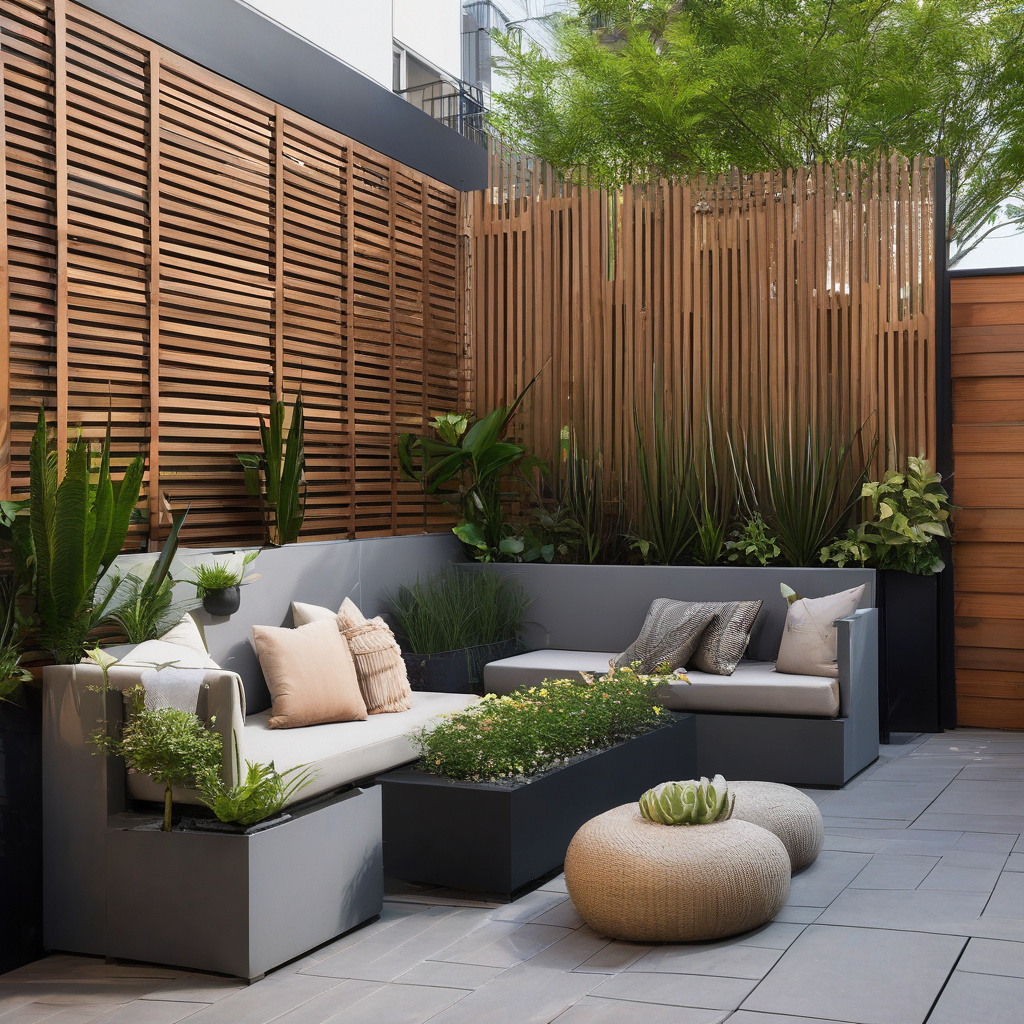
Another trend sweeping through Los Angeles is the use of living walls and vertical gardens. These installations offer a contemporary take on traditional gardening and are well-suited to the limited space constraints of urban environments. The lush aesthetics of vertical gardens add depth and color to any patio design while providing much-needed privacy.
These vertical solutions serve not only as natural screens but also as creative design statements. For homeowners eager to embrace sustainability, living walls are an eco-friendly choice that contributes to better air quality and urban biodiversity. They function as practical installations too, offering insulation benefits and helping to keep patios cool during the scorching summer months.
Yet, the challenges of maintaining living walls must be weighed. Without careful attention, they can quickly become overgrown or unhealthy. Regular maintenance is crucial, and for some, the assistance of professional landscaping services is a worthwhile investment to ensure their vibrant appeal remains intact.
Concluding, living walls and vertical gardens are inspirational and versatile, ideal for injecting life into constricted patio spaces.
An expert from the National Gardening Association notes that integrating vertical gardens into urban areas can increase property values by up to 15%.
Hub of Modern Technology: Privacy Solutions 2.0
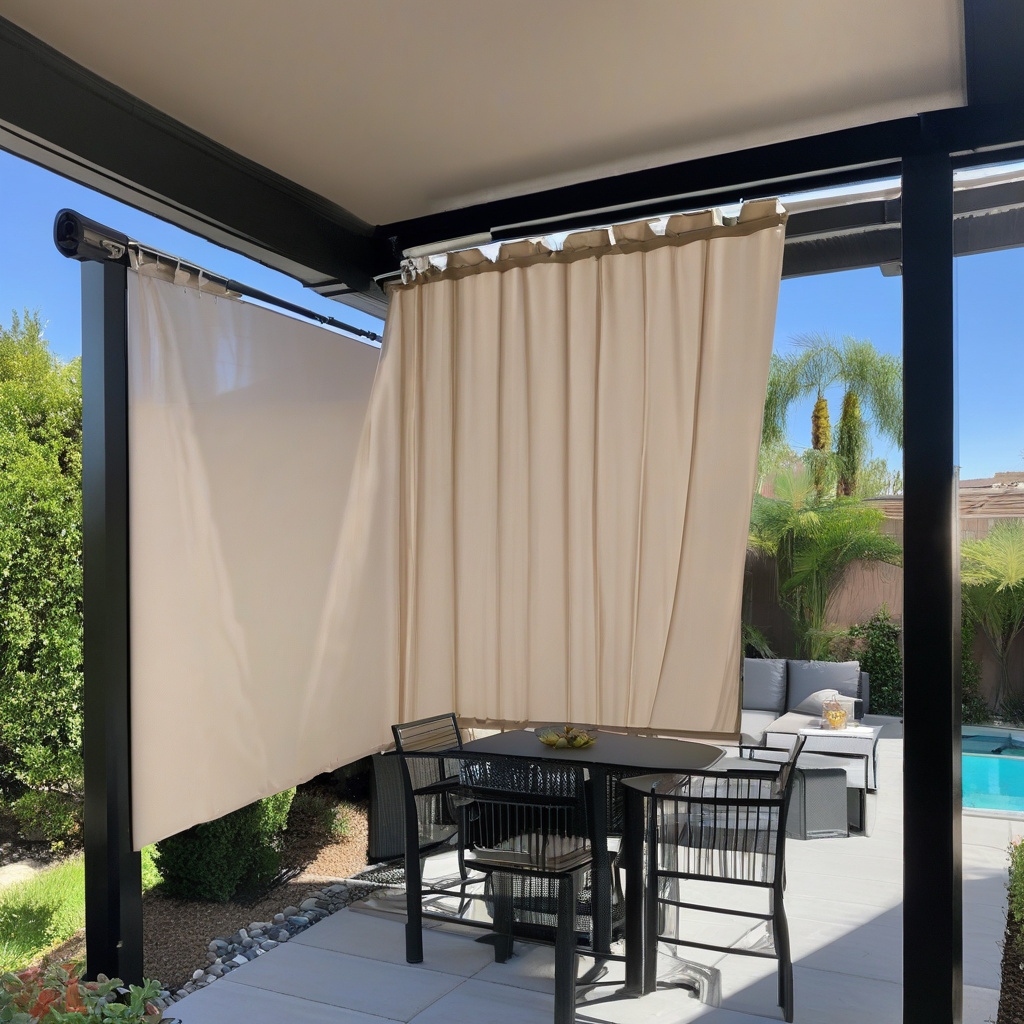
Modern technology has infiltrated many aspects of home design, and patio privacy is no exception. From retractable awnings to motorized shades, technological advancements offer innovative solutions that are both functional and sleek. These systems allow for dynamic adjustments, enabling homeowners to adapt quickly to changing privacy needs or weather conditions.
Such technology can be seamlessly incorporated into existing patio designs and controlled through various smart devices, providing convenience at the touch of a button. Although the initial costs can be steep, the flexibility and ease-of-use they offer often outweigh the financial considerations.
Of course, the integration of technology into patio revamps adds another layer of complexity to renovations. Installation should be managed by professionals to ensure proper functionality and safety.
To summarize, leveraging technology provides versatile and contemporary privacy solutions that align well with Los Angeles’s forward-thinking design ethos.
Risks vs. Rewards: Weighing Your Options
In tackling patio privacy projects, it’s essential to balance risks against potential rewards. Each decision, from material selection to layout planning, carries inherent challenges and benefits.
While it’s tempting to pursue elaborate privacy setups, homeowners must consider the impact on property value, environmental factors, and ongoing maintenance demands. Intentionally planned upgrades can enhance not only privacy but also the overall outdoor living experience.
Conversely, costly installations that overlook practical considerations can lead to regrets. Prioritizing durable, low-maintenance solutions often yields a more satisfying outcome in the long term.
For those inspired to elevate their patios, it’s wise to reference guidelines like a handy deck safety checklist before commencing any major renovations.
Ultimately, a thoughtful approach ensures that the risks are calculated and the rewards of a cozy, private patio are fully realized.
Research from Harvard’s Joint Center for Housing Studies reveals that outdoor renovations can offer an average 70% return on investment nationwide.
- Explore privacy solutions using lush plantings and bamboo screens tailored for LA patios.
- Learn about the advantages of strategic layout designs and innovative material choices.
- Understand the role of technology in creating adaptable patio privacy.
- Compare risks and rewards to design a personalized outdoor sanctuary.
- Reference practical safety measures before initiating major patio renovations.
“`html
FAQ
What are some effective ways to create privacy on a patio in dense LA neighborhoods?
In bustling LA neighborhoods, achieving patio privacy can be an intricate task. Homeowners can rely on a combination of physical and natural barriers. Installing tall screens or fences is a straightforward method; these act as immediate privacy solutions, blocking sightlines from adjacent properties or upper windows. Many experts also recommend incorporating tall plantings like bamboo or tall hedges. These not only provide a natural screen but add an aesthetic touch that feels integrated into the garden space. Real renovation projects often reveal that using an angle-based layout strategically positions seating away from direct views, enhancing intimacy while maintaining an open-feeling patio. Balancing these elements allows for a secluded yet airy outdoor retreat.
How do I choose the right screen or fence for my patio?
Choosing the right screen or fence involves considering various factors beyond just aesthetics. Many experts point out that material selection is crucial—wood offers warmth but requires regular maintenance, while metal is durable but can feel industrial. Height is another critical component; it needs to be tall enough to block unwanted views but not so high that it feels oppressive. Homeowners frequently underestimate the importance of local building codes which might restrict fence height, so checking these regulations is essential. In terms of style, ensure the design complements the overall architecture of your home. For those seeking harmony, composite materials or green walls might strike the perfect balance between function and design.
When is it better to choose tall plantings over solid structures for patio privacy?
Opting for tall plantings instead of solid structures can be especially effective in scenarios where a natural, softer look is desired, or where building codes limit high fences. In real renovation projects, many homeowners turn to vertical gardens or bamboo plants, which grow quickly and densely. These plantings are ideal for creating a green, eco-friendly barrier which contributes positively to the environment and local ecosystem. However, tall plantings require more maintenance than solid walls; they need regular watering, pruning, and pest control. For those willing to commit to their upkeep, the benefits—a lush, living privacy screen that also improves air quality—often outweigh the effort involved.
What are common mistakes to avoid when designing a private patio space?
Several pitfalls can hinder the success of creating a private patio. Homeowners frequently underestimate the scale needed for effective privacy; using too-small panels or sparse plantings can lead to inadequate coverage. Another mistake involves ignoring local climate conditions; for example, choosing plants unsuitable for LA’s semi-arid climate. Additionally, neglecting to incorporate flexible shade solutions like retractable awnings can make the area uncomfortable during peak sunlight hours. Furthermore, skipping the integration of lighting can detract from evening usability, affecting the patio’s overall functionality. Avoiding these mistakes can ensure a comfortable, private environment.
What are the cost considerations when creating patio privacy in LA?
Cost is a significant factor in designing a private patio. Many experts highlight that simple screens or prefabricated fences can be a budget-friendly solution, with costs scaling based on material and height. In contrast, custom-designed fences or intricate vertical gardens can become a substantial investment. Plantings, although initially cheap, entail ongoing care costs involving irrigation systems and seasonal replacements. A clear plan helps in determining the right balance between initial spend and long-term maintenance expenses. For tailored advice and budgeting, you might want to speak with a local renovation expert who understands the ins and outs of the LA market.
What are the pros and cons of using plant-based solutions for patio privacy?
Plant-based solutions offer a visually appealing and environmentally friendly way to ensure privacy. Their pros include aesthetic value—they add a natural, serene look to any patio and can filter pollutants, enhancing your outdoor air quality. However, there are trade-offs. The primary con is their need for consistent maintenance; they require watering, pruning, and protection from pests, which can be time-consuming. Furthermore, certain plants may shed leaves or attract insects, both of which could be nuisances. For homeowners willing to invest the time in their care, the benefits usually outweigh these drawbacks, offering a vibrant privacy option that evolves with the seasons.
What maintenance is required for different types of patio privacy structures?
The maintenance of privacy structures varies based on the type and materials. Wooden fences, though warm and inviting, frequently demand sealing against moisture and weathering every few years. In contrast, metal fences require minimal upkeep but should be checked for rust periodically. For plant-based barriers, regular watering—fitted with a drip irrigation system—ensures healthy growth, while periodic pruning maintains their shape and density. Homeowners often overlook these maintenance aspects, which can lead to structural decay or plant death, ultimately reducing privacy. Planning for and executing routine maintenance ensures your patio’s seclusion remains intact over time.
How do I balance privacy and openness on a small patio?
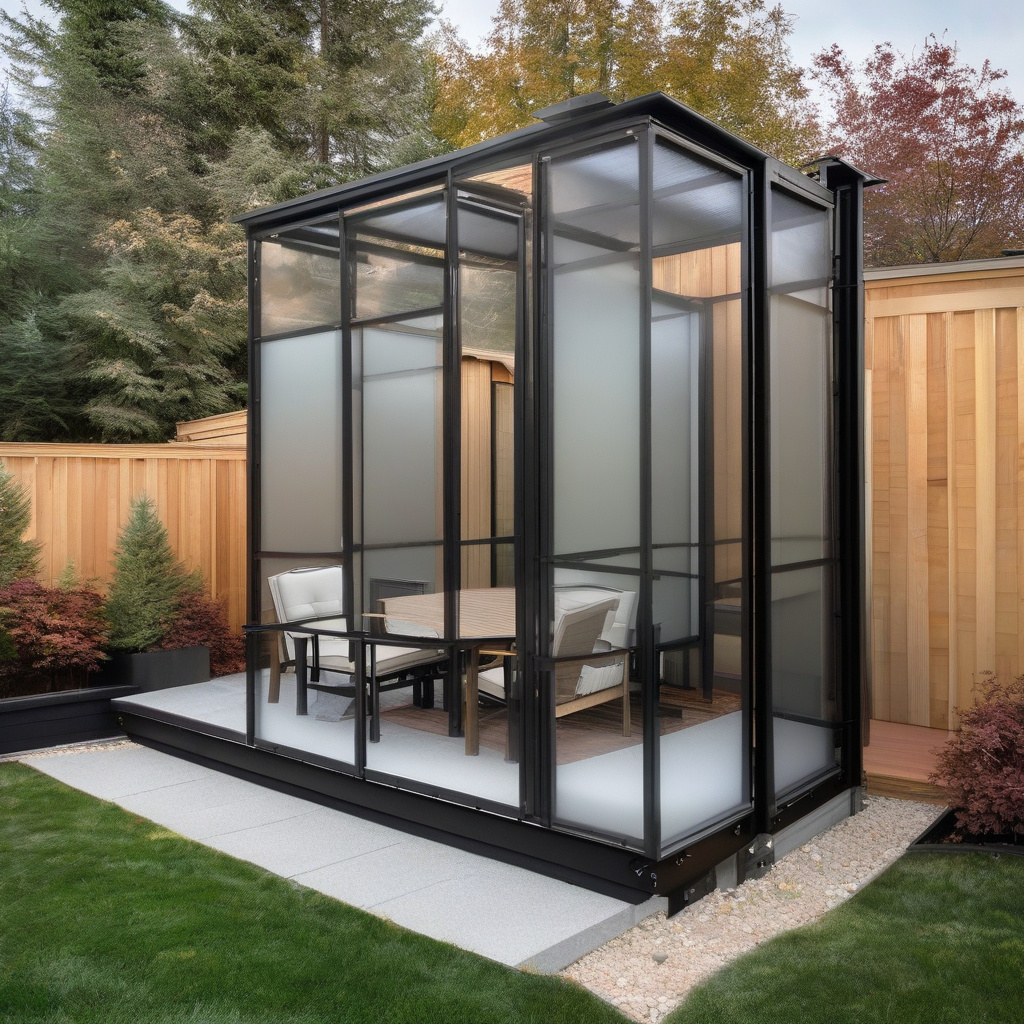
Achieving privacy while keeping a small patio feeling open can be challenging yet rewarding. Start by selecting multi-functional furniture that doesn’t visually clutter the space. Using semi-transparent materials, such as latticework or frosted glass panels, can provide privacy without a closed-off feel. In real renovation experiences, utilizing mirrored surfaces has successfully amplified light and space perception, helping a small patio seem larger than it is. Additionally, incorporating vertical elements with green walls creates privacy while preserving ground space. Homeowners often find that strategic planting and mindful design create an inviting patio that feels both intimate and liberating.
“`