Renovating a bathroom is akin to crafting a work of art—a delicate balance between form, function, and budget. When it comes to moving plumbing, this balance can easily tip towards complexity and cost. In Los Angeles, where design dreams and structural realities often collide, homeowners must decide whether the aesthetic allure of reconfiguring a bathroom layout is worth the practical challenges and financial implications.
Brief summary: This article explores the decision-making process homeowners in Los Angeles face regarding moving plumbing during a bathroom remodel. It discusses the impact on cost, timing, and design benefits, while providing practical insights and considerations for both simple and complex renovation projects.
The Impact of Plumbing Moves on Bathroom Remodels
Imagine stripping down your bathroom to its studs, only to find that the existing plumbing layout just doesn’t fit your vision. The fantasy of a sleek walk-in shower or a luxurious freestanding tub can suddenly hinge on strategically placed pipes. However, deciding to alter plumbing during a remodel is not a decision taken lightly. It often involves intricate planning and deliberations over budget constraints and aesthetic goals.
Alterations in plumbing can significantly inflate a renovation’s cost, often adding thousands to the overall budget. This is particularly true in cities like Los Angeles, where labor and materials demand premium prices. Homeowners must weigh these potential expenses against the prospective benefits in functionality and increased property value.
Structural coordination becomes a pivotal concern in such projects. Moving plumbing fixtures doesn’t merely involve shifting pipes but also ensuring compliance with city codes and maintaining the integrity of existing structures. Additionally, scheduling must be meticulously organized to align plumbing work with other renovation activities.
Despite these challenges, the rewards of moving plumbing are undeniable. A thoughtfully designed bathroom can elevate the everyday experience, enhance long-term property value, and cater to personal lifestyle needs. In essence, it’s about harmonizing practical realities with aspirational dreams, making each decision an investment in both comfort and equity.
Each remodeling decision carries its own set of pros and cons, making careful consideration essential to navigating the balance between practicality and fantasy.
Considering the Financial Implications
Cost is one of the most immediate considerations when contemplating a plumbing move. The complexity of rerouting pipes and installing new fixtures can drastically elevate renovation expenses. According to industry insiders, the average cost of moving plumbing fixtures in Southern California can range from $1,500 to $5,000 per fixture, depending on the complexity and accessibility of the project.
Beyond the initial outlay, transitioning the plumbing during a remodel can have additional financial implications. Potential disruption and delays mean costs can quickly escalate if unexpected challenges arise in uncovering hidden structural issues or navigating complex city ordinances.
Despite these costs, many homeowners may still find value in the upgrade. Creating a bespoke, spa-like bathroom isn’t purely a hedonistic endeavor; it’s also a strategic investment. Attractive and functional bathroom designs can significantly boost home resale values and make a property stand out in a competitive Los Angeles market.
The decision often rests on balancing immediate financial outlays against potential future returns. Whether opting for a complete overhaul or making minor strategic adjustments can depend heavily on an individual’s renovation budget and long-term property goals.
An industry expert notes that “investing in quality plumbing and layout redesigns can yield returns of up to 70% in higher property values, particularly in high-demand urban areas like Los Angeles.”
The investment must be matched with realistic expectations regarding budget, returns, and personal satisfaction with the new space.
Architecture and Layout: The Heart of the Matter
The architecture and layout of a bathroom can be the heart and soul of the space, dictating not just function but also the overall feel and experience. In Los Angeles, many older homes come with design constraints that offer little flexibility—but a fresh layout can transform these spaces, provided the infrastructure supports such changes.
A common reconfiguration involves relocating the bathroom vanity to promote better spatial flow. Shifting the toilet or the shower can also vastly improve functionality but often requires significant plumbing rerouting. While the allure of a new layout is tempting, it’s crucial to understand the potential pitfalls, including increased costs and timelines.
The right layout can elevate a bathroom from ordinary to extraordinary, but this transformation often demands professional input to ensure that the design is both innovative and functional. Hiring experienced architects or design professionals becomes imperative, especially when facing the complex spatial demands typical of Los Angeles residences.
Moreover, working with an expert can prevent costly errors, such as DIY waterproofing mistakes, which could jeopardize your renovation’s success. Sound design decisions ensure that the resulting space is as practical as it is stylish, combining utility with innovative touches.
“Neglecting detailed planning for a bathroom redesign can be catastrophic, with many DIY efforts failing to address essential waterproofing and drainage needs,” explains a seasoned renovation expert.”
With proper planning, the potential pitfalls inherent in plumbing and layout transitions can be mitigated effectively, leading to an outcome that more than justifies the investment.
Material Choices and Technical Considerations
Material selection and technical considerations are as critical as the layout in shaping the bathroom remodel outcome. From artistic tile patterns to durable fixtures, each material choice contributes to the bathroom’s overall aesthetic and functionality.
Choosing materials with longevity and durability can prevent future headaches, saving on repair costs and reducing ongoing maintenance. Here in Los Angeles, incorporating sustainable materials isn’t just a trend; it’s becoming a standard. Sustainable practices are increasingly important to homeowners who are environmentally conscious, seeking not just style but also ethical choices.
Among popular options are eco-friendly fixtures and recycled tiles, presenting a win-win in terms of style and sustainability. Whether selecting cutting-edge materials or robust classics, each choice should reflect both the homeowner’s taste and the bathroom’s required resilience.
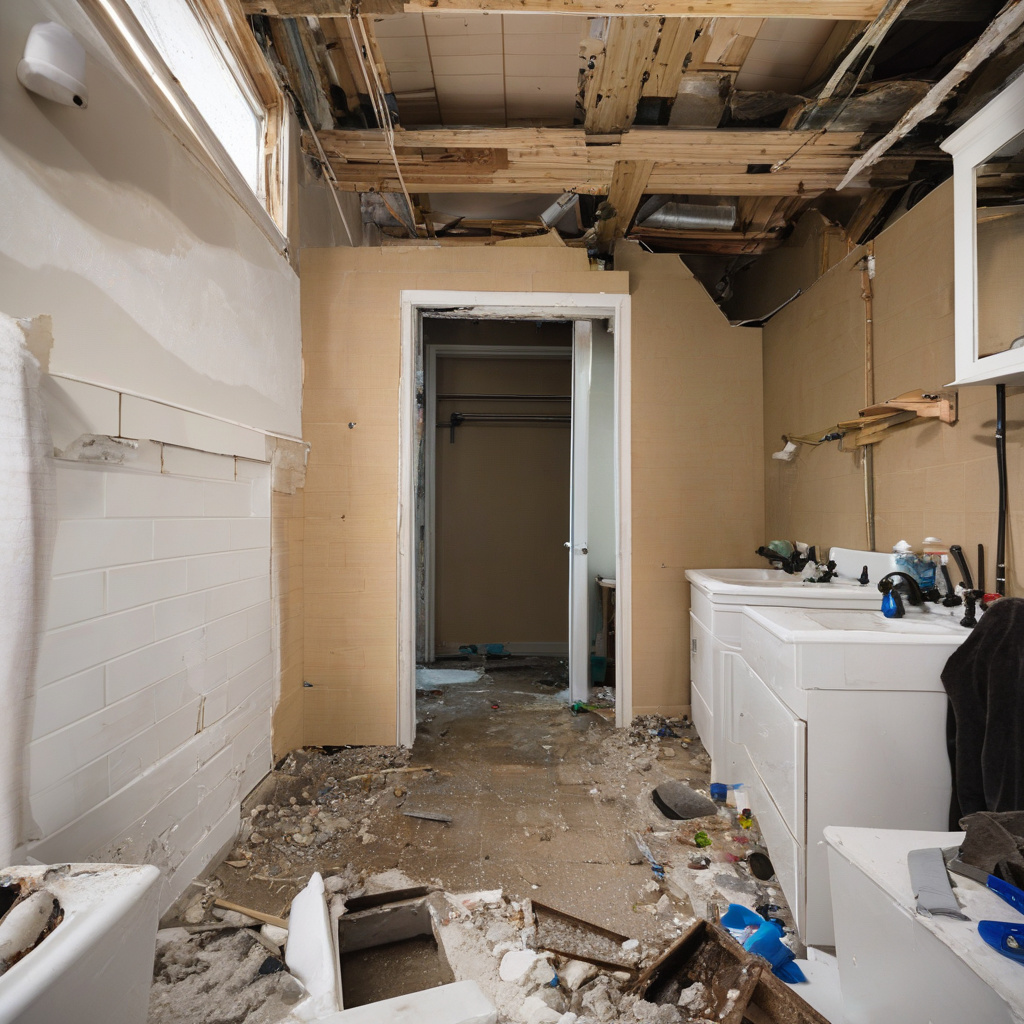
On the technical front, it’s essential to coordinate with all team members to ensure that every aspect of the renovation integrates seamlessly. From ensuring compatibility with existing systems to anticipating future needs, technical planning forms the backbone of a successful remodel project.
Choosing the right materials ensures durability and longevity, while proper coordination can avert expensive future repairs.
Safe and Efficient Renovation Practices
Executing a bathroom renovation safely and efficiently demands meticulous planning and execution. Proper safety protocols must be observed at every stage, particularly when addressing complex plumbing and electrical systems. The integration of efficient practices is paramount for the success of any project in bustling cities like Los Angeles.
Ensuring safety often involves hiring experienced professionals who are well-versed in local building codes and regulations. From implementing effective dust control measures to adhering to strict timelines, each step requires both diligence and expertise.
Navigating these elements successfully often boils down to retaining the appropriate experts, from licensed plumbers to skilled craftsmen, each bringing their specialized knowledge to the project. This ensures not only safety but also adherence to design schedules and quality standards.
Proactive practices can prevent accidents and compliance issues, safeguarding both the remodel and the inhabitants.
Navigating Risks and Rewards
Remodeling risks are as plentiful as the rewards are appealing. From unexpected structural surprises to soaring costs, potential problems lurk at every corner of a renovation. Nevertheless, the rewards can be just as compelling as the setbacks are daunting; a well-executed remodel can transform not only a space but also heighten everyday comfort and home value.
Balancing these risks requires acute attention to detail, resilient planning methods, and informed decision-making. Taking the time to research options and read testimonials from those who’ve undergone similar projects can provide invaluable insights and perspectives.
Consulting with past remodel participants can illuminate the intricacies of project management, the importance of managing expectations, and anticipating the unforeseen challenges.
“While remodeling naturally involves risk, strategic planning and flexible design choices often convert potential setbacks into rewarding enhancements,” suggests a famed renovation strategist.
Embracing a mentality that’s prepared for potential risks enables homeowners to fully enjoy the transformations brought forth by their remodeling efforts.
Choosing the Right Tile and Design Touches
The final touches of a renovation often have an oversized impact on the overall impression. In Los Angeles, an area known for its architectural and stylistic flourishes, choosing the right tiles and design elements is not just about aesthetics; it’s an integral part of creating a cohesive space.
Tile selection offers an opportunity to imbue personality and style into a bathroom. From classic stone finishes to modern geometric designs, the variety of choice can be overwhelming. This is where revisiting versatile tile patterns in LA can spark inspiration and guide homeowners towards inventive selections that elevate their space.
Taking budget into consideration, tiles can vary notably in price and quality. Understanding these nuances enables homeowners to make informed decisions that resonate well with both their style preferences and economic frameworks.
Beyond tile, integrating statement design elements—such as unique fixtures, bespoke cabinetry, and multifaceted lighting—can complete the transformation of a functional bathroom into a luxe retreat.
Utilizing creative designs and quality tiles can redefine a bathroom’s style, enabling homeowners to craft spaces that are both extraordinary and expressive.
| Factor | Simple Renovation | Complex Renovation |
|---|---|---|
| Cost | $5,000-$15,000 | $20,000+ |
| Timeline | 4-6 Weeks | 8+ Weeks |
| Design Flexibility | Limited | High |
| Material Choices | Standard | Premium |
| Risk of Overruns | Low | High |
Conclusion: Turning Intentions into Reality
Navigating a bathroom remodel in Los Angeles can seem akin to walking a tightrope over a bustling freeway—fraught with potential missteps but promising breathtaking views if done right. By understanding the dynamics of moving bathroom plumbing, and the related architectural and design decisions, homeowners can better navigate the complicated yet rewarding landscape of renovation.
Whether it’s through meticulous planning, smart budgeting, or engaging experts for seamless execution, the transformation of a dated bathroom into a modern sanctuary can become a householder’s proud achievement. Remember, every task starts with a single step, one that begins with understanding both the limitations and opportunities presented by your space.
- The decision to move plumbing during a remodel involves considering cost, time, and design benefits.
- Professional expertise can help prevent common installation errors and design mishaps.
- Material selection and proper planning can ensure a successful and stylish result.
- Balancing risks and returns is key to a satisfactory remodel experience.
- Choose design elements that blend aesthetic appeal with practical functionality.
“`html
FAQ
What are the primary reasons for moving plumbing during a bathroom remodel?
In real renovation projects, homeowners decide to move plumbing to improve bathroom layout, increase functionality, or accommodate new fixtures. Many find that repositioning the sink or toilet creates a more open feel. However, such changes aren’t always straightforward. In older homes, outdated pipework can complicate relocations. A simple desire for a new tub placement can quickly escalate into a major renovation aspect. While the allure of a perfectly customized space is strong, it must be weighed against the logistical challenges and costs involved in relocating plumbing.
How can moving plumbing affect the cost of a bathroom remodel?
Many experts point out that moving plumbing is one of the most significant contributors to increased remodeling costs. Homeowners frequently underestimate this aspect. The main expense arises from the labor-intensive work of rerouting pipes behind walls and floors. For example, in a single-family home with a slab foundation, relocating drains or supply lines might entail cutting into concrete, which adds time and expense. A practical tip for homeowners is to consult with a plumbing specialist early to get a clear picture of potential expenses and explore if more cost-effective alternatives exist.
When does it make sense to move plumbing during a remodel?
In newer builds with modern systems, relocating fixtures like bathtubs and showers can be more feasible given the flexible piping materials used today, like PEX. It makes particular sense if the existing layout doesn’t meet your functional needs or design goals. However, in an older property, the inherited infrastructure might pose challenges unless you plan a complete overhaul. If existing pipes are near the end of their lifespan, it’s a golden opportunity to replace them while redesigning. It’s about balancing aspiration with reality; each choice has its context and should be rooted in practical sensibility.
What are some common mistakes homeowners make when deciding to move plumbing?
Homeowners often embark on bathroom remodels with high expectations but neglect to consider the complexities of their existing plumbing systems. A typical mistake is underestimating the scope, assuming it’s as simple as reconfiguring furniture in a room. In reality, structural considerations play a critical role, such as whether the flooring can handle the weight of new fixtures in different locations. Additionally, failing to account for the time needed for permit approvals can delay projects significantly. To mitigate these oversights, thorough research and consulting experienced contractors are essential. For personalized guidance, consider reaching out to experts through forms like this one on a renovation consultancy site.
What are the benefits and limitations of moving plumbing?
The biggest benefit of moving plumbing lies in transforming the usability and aesthetic of a bathroom, allowing for creative redesigns that better suit your lifestyle. However, this must be balanced against limitations such as financial cost and the potential for unforeseen obstacles. Old homes can hide surprises like non-standard pipe sizes or outdated materials needing total replacement—risks that can extend timelines and budgets. In contrast, for newer constructions, the flexibility of the existing systems can simplify relocations. Ultimately, each homeowner must weigh these elements based on their unique circumstances and objectives.
How do you decide between moving plumbing or keeping the existing layout?
Deciding whether to move plumbing involves assessing both functional needs and financial feasibility. If a simple refresh with new fixtures can achieve your goals, that might be more prudent. However, if the layout is dysfunctional, moving elements can provide long-term satisfaction. In practice, it’s wise to evaluate the structural integrity and age of your current plumbing system. A consultation with a contractor can clarify potential pitfalls, help understanding material and labor costs, and outline practical steps ahead. With the right insight, you can avoid the costly mistake of an unnecessary overhaul.
What impact does moving plumbing have on the timing of a bathroom remodel?
Moving plumbing typically extends the timeline of a bathroom remodel. Real-world projects illustrate that rerouting pipes often uncovers hidden setbacks like discovering improper past repairs or unanticipated structural issues needing attention. Such discoveries necessitate redesigning plans on the go, pushing completion dates further out. Permits also take longer to process, especially if the changes require additional structural supports. Thus, setting realistic timelines and scheduling buffer times becomes essential to avoid prolonged inconveniences. Having a well-drafted project plan shared with contractors can help in anticipating and mitigating potential delays.
Are there maintenance considerations when moving plumbing?
Upon moving plumbing, maintenance considerations shift. New routes might require different cleaning methods or more frequent checks for leaks. For instance, rerouted supply lines in tighter spaces might experience pressure imbalances or suboptimal water flow. These installations may necessitate regular inspections to ensure longevity. A common misconception is assuming new plumbing guarantees maintenance-free operation; however, understanding your home’s unique dynamic post-remodel is crucial. It’s also wise to keep a detailed update of all changes in your home’s maintenance records for easier troubleshooting in future instances.
“`