
Embarking on a kitchen remodel can feel like diving headfirst into the uncharted waters of home renovation. Yet, for many homeowners in Los Angeles, the allure of a sleek, revamped kitchen is too tantalizing to resist. Navigating this remodeling odyssey requires a detailed checklist that not only anchors the project but synchronizes every moving part. From financial planning to the celebration of final inspections, this guide is every Angeleno’s ticket to a successful kitchen makeover.
Brief summary: This article serves as a comprehensive guide to kitchen remodeling, specifically tailored for Los Angeles homeowners. It covers essential steps from budgeting and materials to lighting, ventilation, and compliance with inspection standards. Readers gain insight into renovation trends, practical examples, and the benefits versus challenges of various renovation choices.
Drafting the Blueprint: Crafting a Financial Plan
The first step in any kitchen remodel is not selecting the fanciest countertop or the latest range hood. It’s about defining how much one is willing—and able—to spend on this venture. In the bustling metropolis of Los Angeles, where costs can skyrocket faster than a heat wave in the Valley, setting a realistic budget is crucial. As savvy homeowners inevitably realize, a budget does more than cap expenditures; it informs every decision from layout to materials.
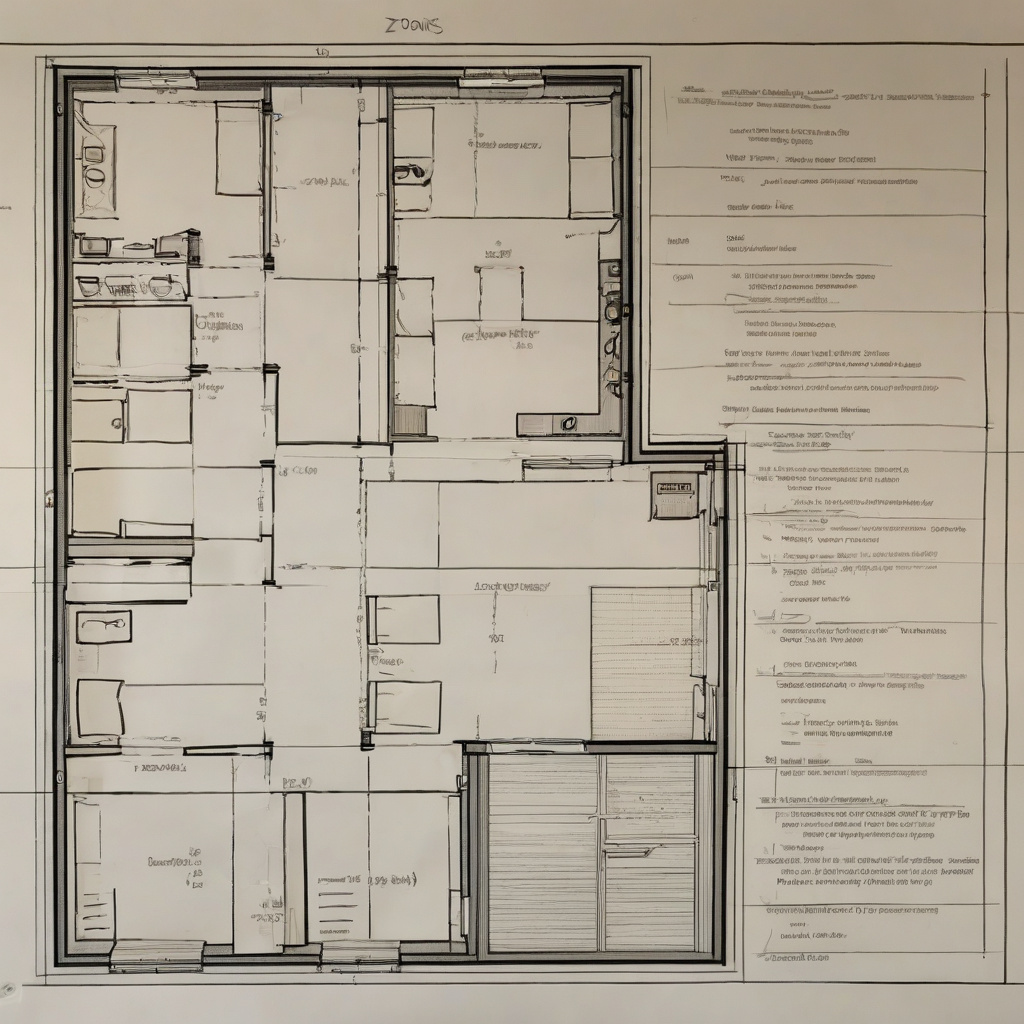
When it comes to the cold, hard figures, the average kitchen remodel in Los Angeles dances between $25,000 and $75,000. This variance largely hinges on the scope of the project and the selection of high-end finishes vs. more modest alternatives. By consulting with local remodelers, like those hosted by California Renovation, homeowners can fine-tune their budgets with professional insights and receive estimates tailored to their desires.
In the grander scheme of home improvement, a well-allocated budget acts as an antidote to potential overspending while ensuring that key components—like plumbing and electrical systems—receive the necessary investment. It’s wise to pad the budget with a 10-15% contingency fund, acknowledging the unpredictability of renovating older homes.
By the end of this process, homeowners should feel confident in a financial outline that balances ambition with pragmatism. Through careful planning, financial anxieties transform into strategic advantages, allowing the project to commence on solid ground.
Materials & Methodologies: Navigating a Dizzying Array of Options
The next task on the kitchen remodel checklist involves choosing materials—a seemingly simple task that can quickly become overwhelming. In Los Angeles, where aesthetic innovation meets functionality, the array of choices is as wide as the Pacific Ocean. From exotic wood finishes to eco-friendly composites, each material tells a story and imparts a different vibe to the kitchen space.
Countertops, for instance, can range from budget-friendly laminates to opulent marble. While laminate provides an accessible option, the luxury of marble might appeal to those who see their kitchen as an art piece. Similarly, cabinetry materials can swing between the classic durability of solid wood and the modern appeal of engineered options such as MDF.
“Industry insight reveals that cabinetry can consume up to 40% of a kitchen remodel budget, emphasizing the importance of informed decision-making.” — Home Build Research Group
Deciding whether to reface or replace cabinets is another crucial consideration, impacting both aesthetics and finances. Each material and method come with benefits and drawbacks, and it’s vital to weigh these factors in light of one’s budgetary constraints and stylistic aspirations.
A thorough understanding of materials elevates one’s architectural acumen and directly influences the remodel’s outcome. Engaged homeowners will emerge with a kitchen that resonates with their individuality while serving practical needs.
Lighting and Ventilation: Crucial Yet Often Overlooked
Despite their subtlety, lighting and ventilation are transformative elements in kitchen design. As any Angeleno who has attempted to cook in a dimly lit kitchen can attest, the right lighting sets both the ambience and functionality of the space. Adequate ventilation, on the other hand, ensures that aromas from tonight’s garlic-infused dinner don’t cling long after sunrise.
A successful lighting plan combines natural and artificial sources. Skylights are a treasured feature in sun-soaked Los Angeles, bathing kitchens in ambient light while reducing electricity bills. Incorporating dimmable LED fixtures offers flexibility, transitioning from a focused prep area to a cozy dining spot with a flick of a switch.

Equally essential, the ventilation system must be robust enough to handle culinary endeavors yet aesthetically pleasing. Range hoods are popular, offering both function and a focal design point. Reviewing appliance options at California Renovation’s appliance guide can provide valuable pointers on balancing technical specifications with style.
Ultimately, focussing on these often-overlooked areas brings a comprehensive completeness to the remodel, ensuring utility and comfort are aptly prioritized.
Layouts and Installations: Bringing Vision to Reality
Once plans are solidified and materials selected, and the next step is shaping the layout—one of the most exhilarating parts of a remodel. In Los Angeles, the shift toward open-concept designs remains prevalent, as homeowners long to blend cooking spaces into living areas, creating a more inclusive environment.
Before swinging sledgehammers, it’s crucial to map out the space, adhering to the work triangle principle: the stove, refrigerator, and sink should form a triangle to maximize efficiency. This classic approach, complemented by modern innovations like islands with integrated appliances, bolsters both workflow and social interaction.
“A survey highlighted that the open floor plan increases overall home value by as much as 10%, a factor every homeowner should note.” — Architectural Value Reports
Implementing such layouts involves knocking down walls but requires careful consideration of structural integrity and zoning laws. By collaborating with professional architects and contractors, the initial vision transforms into tangible reality — a kitchen that marries form with function.
| Option | Pros | Cons | Estimated Cost |
|---|---|---|---|
| Open Concept | Increases space and light | Can be noisier | $10,000 – $30,000 |
| Galley Kitchen | Efficient and compact | Limited space | $8,000 – $20,000 |
| L-Shaped Kitchen | Versatile space | Corner management needed | $12,000 – $25,000 |
In the grand tapestry of a remodel, the layout weaves together diverse threads, culminating in a unified and functional space that breathes new life into daily rituals and celebrations alike.
Final Inspections: The Last Hurdle
No remodel, regardless of budget or beauty, is complete without traversing the landscape of local building codes and inspections. The labyrinth of regulations in Los Angeles ensures safety and compliance but can also daunt even the most seasoned homeowners.
Understanding the intricacies of these inspections from the outset saves time and anxiety. From ensuring the correct installation of electrical systems to verifying structural modifications, each nuance matters. In the end, these inspections act as validations of the remodeling journey, providing peace of mind that the work meets both aesthetic and safety standards.
“Los Angeles requires an average of three to four inspections per remodel project to ensure adherence to stringent safety regulations.” — Urban Planning Institute
Savvy future renovators can consult sources like detailed countertop material guides to not only select materials that comply with local codes but also enhance the kitchen’s appeal. Being prepared means transforming bureaucratic hurdles into mere stepping stones towards a finished masterpiece.

In the last act of this elaborate endeavor, homeowners should revel in their accomplishment. Inspection confirmations do not just signal project completion; they validate a dream realized within Los Angeles’s vibrant, evolving cityscape.
Reflecting on the Journey: Lessons Learned and Future Inspirations
By now, the once-dusty construction zone is a gleaming kitchen, poised to become the heart of culinary delights and family gatherings. Each nail hammered and each tile grouted symbolize patience, planning, and persistence. With the remodel concluded, learning from the process provides insights for future projects or advises friends embarking on their renovations.
Home renovation is never a fully predictable endeavor, yet it brings out creativity and resilience. It teaches homeowners the value of a detailed checklist and offers them an opportunity to express individuality through design. The remodel might mark the end of a chapter, but it introduces an expansive canvas where life’s myriad moments unfold.

In reflecting, the newly transformed kitchen—not only a space for meals but a testament to a vision brought to life—stands as a reminder of what’s possible when creativity meets craftsmanship. It is in this spirit that Los Angeles kitchens continue to evolve, one household at a time.
- Creating a comprehensive budget is vital for a successful remodel.
- Choosing the right materials balances aesthetic preferences and functionality.
- Lighting and ventilation play crucial roles in the space’s ambiance and utility.
- Understanding inspection requirements is essential for compliance in Los Angeles.
- Every successful remodel teaches invaluable lessons for future projects.
FAQ
What should I include in my kitchen remodel checklist?
In real-life renovations, a well-crafted checklist is vital for a smooth kitchen remodel. Start with budgeting – it’s the backbone of your project. Next, select materials like cabinetry, countertops, and flooring early to avoid delays. Lighting is another crucial element; it helps create ambiance and is key for functionality. Don’t forget ventilation, which is often overlooked but essential in every kitchen to keep the air fresh while cooking. Plan these elements while considering local regulations, like those in Los Angeles, required for final inspections. Such a detailed roadmap helps keep your project organized and stress-free.
How do I choose the right materials for my kitchen remodel?
Choosing the right materials can make or break your remodel. Many experts point out that while aesthetics are important, durability should take priority. In kitchens, materials need to withstand regular wear and tear. For countertops, granite and quartz are popular for their resilience and elegant look. Meanwhile, bamboo or cork might work better for flooring in areas that desire warmth and softness underfoot. Remember, materials that are easy to clean often get overlooked but are essential. Homeowners frequently underestimate this aspect, leading to future regrets. Weigh both appearance and practicality when making your selections.
When is the best time to start a kitchen remodel?
Timing a kitchen remodel can significantly affect its success. In real renovation projects, it often becomes clear that the offseason—late fall through winter—is optimal. Contractors typically have more availability, and you might even score better rates since demand is lower. One drawback is that these months coincide with holidays, possibly adding stress. However, if your schedule allows, you can plan your living arrangements around the project, minimizing disruption. Conversely, late spring and summer, while ideal for weather, usually mean bustling contractor schedules and potential delays.
What are common mistakes homeowners make in kitchen remodels?
Inexperienced remodelers often make similar mistakes. One frequent error is underestimating costs, which leads to squeezed budgets and compromises on quality. Skimping on storage is another common pitfall; functional kitchens need ample cabinetry and smart storage solutions. Overlooking ventilation and lighting is prevalent, though both elements play crucial roles in functionality. Always measure appliances before purchase to avoid fitting issues. Finally, skipping the permits or ignoring regulations can lead to costly fines or failed inspections. Contact an experienced professional if you’re uncertain about compliance and codes.
How much does a kitchen remodel typically cost?
The cost of a kitchen remodel can vary widely. Real-world examples show basic updates might start around $10,000 for those swapping out aging appliances and countertops in smaller kitchens. Average remodels, which include mid-range cabinetry, improved lighting, and better flooring, range between $25,000 and $50,000. High-end remodels can soar past $75,000 or more, especially in areas like Los Angeles where luxurious finishes and custom designs are popular. Always factor in a buffer for unexpected expenses, which many homeowners find they need. Accurate budgeting involves researching local price trends and potentially consulting with a contractor to get a clearer scope.
What are the pros and cons of open kitchen layouts?
Open kitchen layouts can transform a home, offering both benefits and drawbacks. On one hand, these layouts enhance natural light flow and facilitate social interaction, often uniting cooking and living spaces into unified entertainment areas. However, the downside is the lack of privacy and the spread of kitchen noise and odors into adjacent living spaces. Notably, in older homes, structural changes may be needed to achieve openness, adding to costs. Many experts advise considering your lifestyle and entertaining habits before removing walls, ensuring an open layout truly complements your day-to-day living.
How important is the final inspection in a kitchen remodel?
Final inspections seal the deal in remodeling, ensuring quality and safety standards. In practice, this step is where many details missed during construction come to light, like improperly installed fixtures or non-compliance with safety codes. Professionals stress that passing this inspection is legally required; it validates that the remodel meets regional requirements, especially in areas like Los Angeles, known for stringent regulations. Without this step, selling a home or insuring it could be complicated. A practical tip is to schedule the inspection once all work is thoroughly complete, rather than rushing through it while some elements are still in progress.
What considerations should I keep in mind for kitchen lighting?
Kitchen lighting is a multi-layered aspect that demands careful planning. From task lighting under cabinets that illuminate workspaces to ambient light that adds warmth to the room, the right mix makes a significant difference. Consider incorporating dimmers to adjust brightness according to mood and need, which can turn a kitchen into a more versatile space. Lighting placement is just as crucial—never assume ceiling lights alone are sufficient. Incorporating lighting in less obvious spots like toe-kicks can add modern flair and practical benefits. If you need more nuanced advice tailored to your home, you should seek expert help on these topics when working with a professional.