If you’re among the growing number of Los Angeles homeowners eyeing more space without changing your address, you’ve probably stumbled across the concept of the Accessory Dwelling Unit (ADU). A booming trend in urban housing, these backyard units offer a practical solution for expanding living quarters. However, as you delve into the world of ADUs, you’ll find that Los Angeles comes with its own set of zoning rules and regulations that, if not navigated carefully, can turn dreams into debacles.
Brief summary: This article delves into Los Angeles’s zoning rules for backyard ADUs, explaining placement, height, and layout regulations. Aimed at helping homeowners understand how to accommodate accessory units, it discusses real-life renovation scenarios, expert insights, and compares costs and timelines.
The Rise of Accessory Dwelling Units in Los Angeles
The idea of adding a backyard ADU is alluring for many homeowners craving additional living space or a potential income stream from rentals. With housing shortages and high demand driving the market, ADUs present a flexible solution. However, not all is straightforward when it comes to actually constructing these units in Los Angeles. Enter the complex tapestry of zoning laws designed to maintain neighborhood aesthetics while supporting urban growth.
Los Angeles’s zoning rules encompass everything from how tall your unit can be to how far it should sit from the property line. For a smoother ride, understanding these rules becomes paramount. Discovering the nuances of ADU regulations early can save both money and unexpected headaches down the line.
As many local homeowners notice, the devil is in the details. If your unit doesn’t meet specific height requirements or encroaches on a setback limit, you might find yourself back at the drawing board. A clear appreciation of these zoning intricacies not only helps avoid costly mistakes but also paves the path to harnessing the true potential of your property.
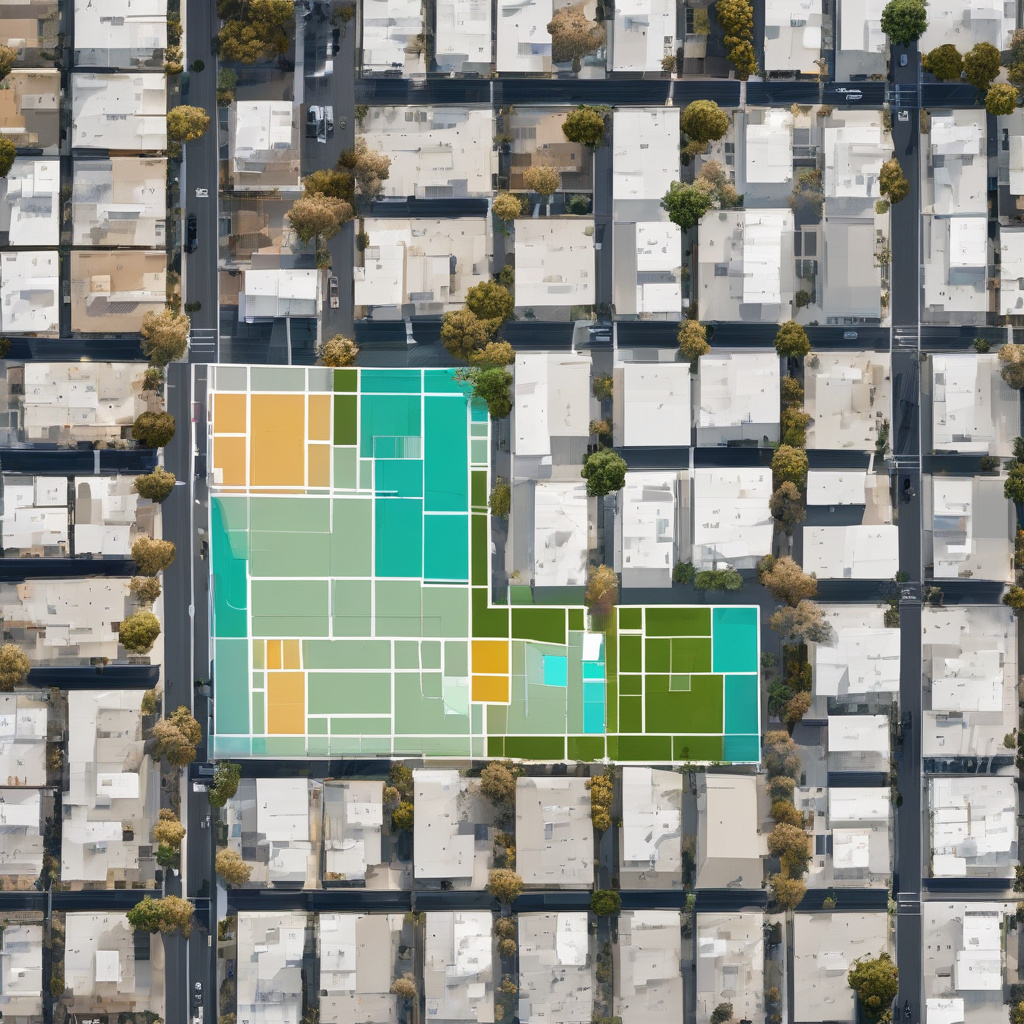
In examining zoning restrictions, it’s crucial to understand both the overarching goals of these rules—to balance urban development with community integrity—and the tangible impacts they have on your plans. The more informed you are, the better equipped you are to navigate these regulatory waters.
Understanding Zoning Limits: Space, Height, and Designs
The feasibility of building an ADU largely hinges on understanding and respecting zoning regulations. Los Angeles has specific limits on ADU dimensions that determine how far you can stretch your imagination—and budget. The city’s regulations define maximum heights, ranging typically around 18 to 25 feet, depending on the location of the property and zoning type, influencing both single-story and two-story designs.
The rules also dive into setbacks—the minimum distance your ADU must be from property lines, structures, and streets. Typically, the rear and side setbacks must be at least four feet, but this can vary depending on the site’s existing configurations. Such specifications are designed to ensure that new constructions do not overshadow existing homes or infringe on privacy.
Design-wise, there is room for creativity, as long as one adheres to these stipulations. Many homeowners find value in crafting spaces that are both functional and visually appealing. The style can range from traditional to ultra-modern, with architectural harmony often playing a role in approval decisions.
An important caveat is the requirement for compatibility with neighborhood character, which some homeowners overlook. It’s not enough for the unit to be legal—it must also fit aesthetically within its surroundings to earn the approval of urban planners.
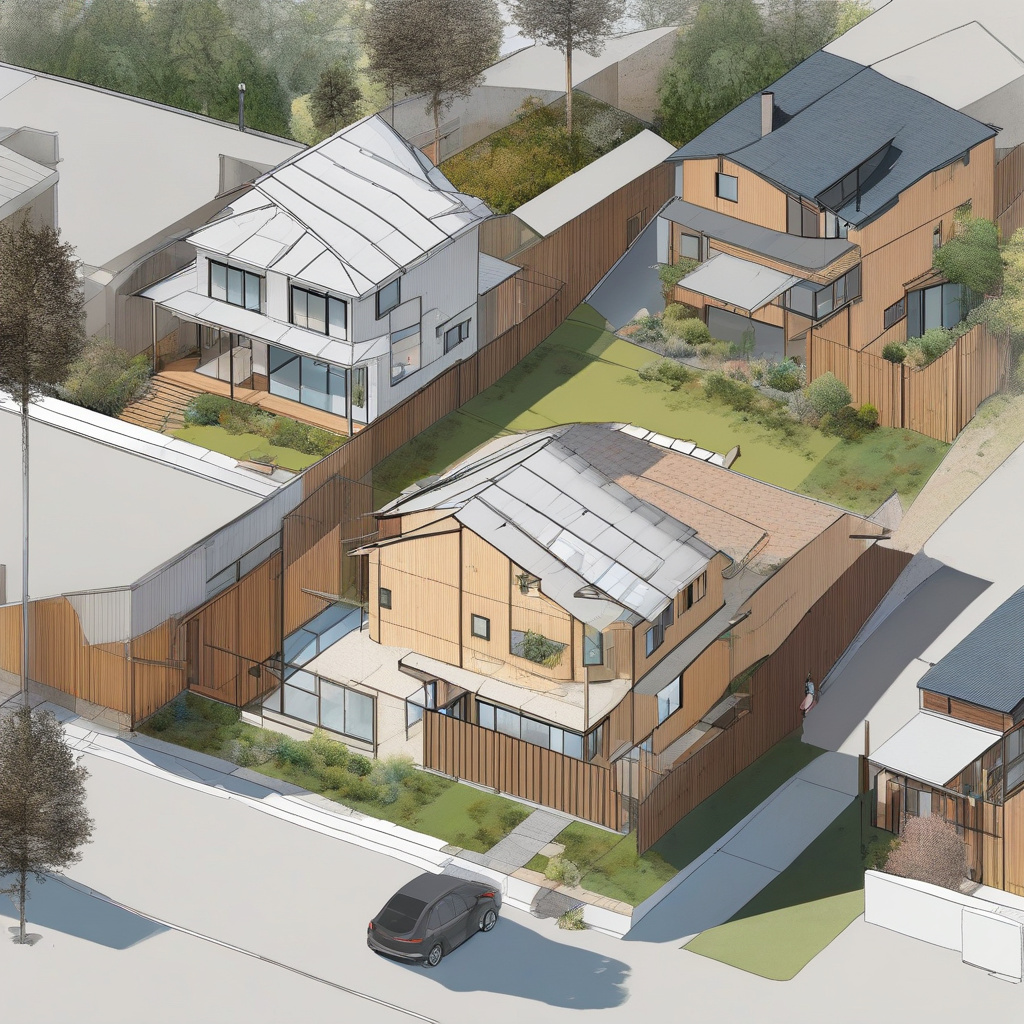
Understanding these dimensions and design requirements early on can prevent undue frustration and streamline your project’s approval process. For those looking to craft affordable and compliant plans, these zoning rules are both a guide and a constraint. Sidestepping common planning errors lets homeowners maintain momentum and focus on their project goals.
Cost, Materials, and Construction Timelines
Building an ADU involves financial commitment and strategic planning. Costs can range broadly based on design choices, materials, and the complexity of construction. Homeowners must consider expenses like architectural plans, permit fees, foundation work, and interior finishes. The choice of materials can profoundly impact both cost and environmental footprint, with options spanning from sustainable woods to more conventional composites.
Understanding typical price points can help align budgets with realistic expectations. For a simple ADU, costs might start at approximately $100,000, but more elaborate units featuring high-end finishes and tech integration can soar past $300,000. Comparing these figures with your financial strategy is essential for a successful project launch.
The return on investment for ADUs in Southern California can reach as high as 30% over time, primarily driven by potential rental income and the increased value of properties having such additional units.
The timeline to completion is yet another aspect needing consideration. A straightforward project may take upwards of six months from design to realization, bolstered or hindered by the availability of labor and materials. During the pandemic, many homeowners found timelines extended due to supply chain disruptions and labor shortages, experiences that underline the importance of flexible planning.
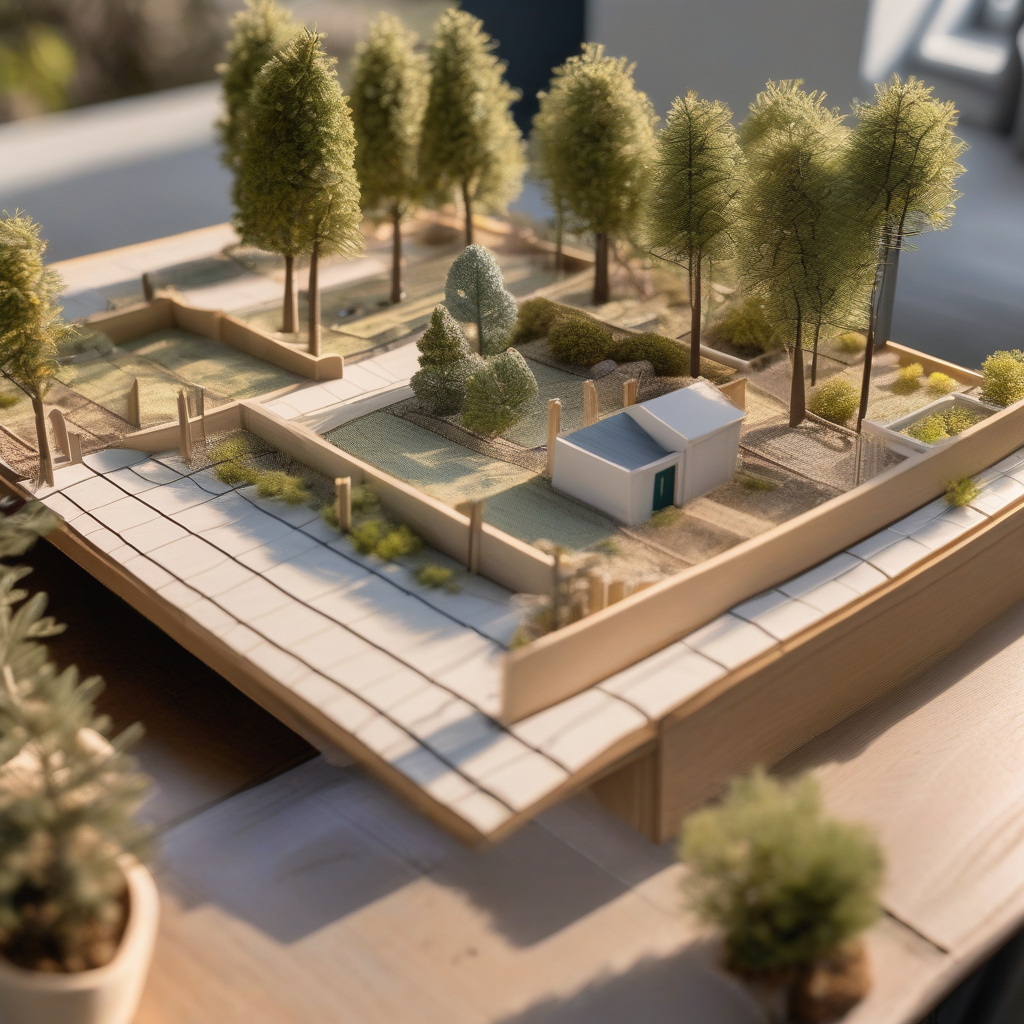
To further streamline your approach, choosing the right construction professionals and managing contracts wisely can drastically affect these timelines. By evaluating your options and understanding potential costs and plans, you can make informed decisions that align closely with your investment goals and living needs.
Comparative Analysis: ADU Options by Cost and Features
| Option | Estimated Cost | Materials | Timeline |
|---|---|---|---|
| Basic Design | $100,000 | Standard Wood | 6-8 months |
| Mid-Range Design | $200,000 | Sustainable Wood & Metal | 8-10 months |
| Premium Design | $300,000+ | High-end Materials | 10-12 months |
An effective strategy combines realistic timelines, budgeting, and a proactive approach to regulations to maximize the value of your investment. By weighing your options and anticipating challenges, you set yourself up for success and satisfaction with the final result.
Benefits and Challenges: A Balanced Perspective
As with any major project, adding an ADU comes with both benefits and challenges. The advantages are clear: additional living space, potential rental income, and increased property value top the list. Yet, the journey to these rewards is not without its pitfalls.
One of the most cited challenges is navigating the often-tedious permitting process, which can be complex and time-consuming. Building a good relationship with urban planning officials and maintaining clear communication can mitigate some of these issues.
Industry experts note a 50% increase in permit processing times over recent years, as demand surges and regulatory bodies adjust to new construction norms.
There’s also the matter of financing. Access to funds is a significant hurdle for some homeowners, especially if they underestimate the costs involved or don’t have ready access to affordable credit. Solutions range from traditional bank loans to specific financing options designed for ADUs.
Preparation and adaptability are essential throughout the process. Acknowledging both the obvious and hidden challenges will equip you to transform potential setbacks into manageable portions of your project plan.
Planning Your Backyard ADU: A Step-by-Step Guide
Successfully planning an ADU involves a series of organized steps. First, evaluate your property to understand what type of units it supports. Is a detached unit feasible, or are you limited to something attached? Considering these options at the start helps craft your vision.
Next, collaborate with architects who are well-versed in Los Angeles’ zoning laws. Their expertise will guide you in drafting plans that not only fulfill your vision but also pass local scrutiny. Securement of permits follows, as does hiring a trusted contractor, both pivotal in keeping the project on track.
Maintaining an open line of communication with all parties involved ensures the project runs smoothly and can address any unexpected challenges that arise. This coordination reduces the chances of missteps and misalignment of expectations.
The most successful ADU projects are those where homeowners stay actively engaged, noting a correlation between involvement and project outcome satisfaction.
Finally, as the project reaches completion, consider final touches that personalize the space. Landscapes, interior designs, and furnishings all contribute to transforming the unit into a functional living space. Buy furniture and accessories that suit the purpose of the unit, be it for tenants or guests, to maximize comfort and utility.
By following these steps, homeowners can transition from conception to completion with clarity and control, ultimately achieving fruitful results from their investment.
Financing Your ADU: Making the Numbers Work
Without a clear financial roadmap, embarking on an ADU project can quickly feel like navigating uncharted waters. It’s essential to understand the financing landscape to ensure the funds needed for completion are adequate and accessible. While traditional bank loans are an option, there are also creative solutions tailored to support ADU development.
Homeowners often explore options such as home equity lines of credit (HELOCs) or specialized renovation loans, which tend to offer favorable terms and easier qualification processes. Those geared specifically toward environmental sustainability might even qualify for green-building incentives.
Financial advisors experienced in home renovations can provide tailored advice, potentially allowing renovators to leverage newer financing options. Los Angeles benefits from a variety of local and state programs aimed at expanding affordable housing through initiatives like ADUs.
If you’re considering funding your ADU through a rental model post-completion, it’s vital to understand tenant law and market conditions. Rental income can ease the financial burden, but requires thorough planning and understanding of applicable ordinances. For more comprehensive guidance on how to finance your project, explore practical financing strategies that align with your specific circumstances.
The financial consideration is perhaps the most tangible aspect of your project’s planning phase, and it requires critical assessment early on. Thoughtful financing strategies can lead to successful outcomes, balancing short-term costs with long-term benefits for your property.
- Gain a deep understanding of LA’s zoning regulations to avoid common pitfalls in ADU construction.
- Consider financial strategies early to streamline your ADU project from conception to completion.
- Balancing design creativity with neighborhood compatibility is essential for successful ADU projects.
- Being engaged in every step from planning to execution enhances satisfaction with the finished product.
“`html
FAQ
What is an ADU, and why are they becoming popular in LA?
An Accessory Dwelling Unit (ADU) is a small residential space built on the same lot as a primary home. In LA, they’re gaining popularity due to housing shortages and zoning changes that encourage more flexible living spaces. Many families find ADUs an affordable solution for accommodating older relatives or young adults returning home, while also boosting property value. The practical aspect of having an independent unit for guests or rental income makes ADUs particularly appealing. In real home renovation projects, it becomes evident that adding an ADU can transform a property into a multi-functional space, offering both privacy and proximity.
How do LA zoning rules affect the placing of an ADU on my property?
LA zoning laws for ADUs specify where an ADU can be situated to ensure it doesn’t encroach on setbacks, which are the required distances from the property lines. Frequently, homeowners underestimate how these rules impact their yard plan, leading to redesigns and frustration. It’s crucial to consult local zoning maps or a city planning office before construction. An ADU cannot overshadow the primary residence, so placement must consider sunlight paths and neighbor privacy. In practice, this often means working with architects or builders who can navigate these regulations, turning potential headaches into success stories.
What are the height restrictions for an ADU in Los Angeles?
In Los Angeles, ADU height restrictions are generally set to prevent overcrowding and preserve neighborhood aesthetics. Most zoning codes permit a maximum height of 16 to 25 feet, depending on the property size and proximity to other structures. This ensures that ADUs blend well with surrounding buildings. Architects often work creatively within these limits, using design cues from the main house or local architectural styles. Misjudging these parameters can delay projects, so precise measurements and checks with city guidelines are critical. Many experts note that respecting these height constraints leads to well-integrated ADUs that add rather than distract from the property’s overall appeal.
What common layout mistakes should be avoided when building an ADU?
A frequent error in ADU design is underestimating the necessity for versatile layouts that maximize limited space. Many homeowners overlook practical elements like multiple-use furniture or strategic storage solutions. In renovation projects, it’s evident that neglecting how people will move and live in the space can result in cramped and inconvenient areas. It’s vital to plan for natural light and ventilation, essential for small spaces to feel open. Floor plans should balance privacy for ADU residents while maintaining a connection with the main house. Consulting experienced designers can prevent these pitfalls and result in a pleasant, harmonious space that feels much larger than its footprint suggests.
Are there any cost considerations unique to building an ADU in LA?
Building an ADU in LA comes with specific cost factors such as higher labor rates and material expenses compared to other areas. While initial construction costs are significant, they must be viewed alongside potential long-term benefits, such as increased property value and rental income. A practical tip is to factor in permit fees and possibly hiring experts to navigate the zoning process, both adding to upfront expenditures. Neglecting these elements often leads to budget overruns. However, many find that the return on investment in terms of versatility and utility justifies these initial outlays. For detailed cost guidance, contact expert services ready to provide tailored insights for your situation.
What are the benefits of having an ADU versus potential limitations?
ADUs offer substantial benefits, from providing housing for extended family to generating rental income. They maximize property usage, especially in urban environments like LA where space is at a premium. However, they also come with challenges such as potential planning objections from neighbors, and the necessity of navigating complex legal and zoning hurdles. These units require a commitment to ongoing maintenance, and there’s the risk that if not planned well, they could affect the main home’s atmosphere. Balancing these pros and cons is crucial, often requiring insights from both architects and real estate experts to tap into opportunities while mitigating risks.
How does one maintain privacy with an ADU on a single-family property?
Ensuring privacy in properties with ADUs involves thoughtful planning, especially in urban areas where space is constrained. Real projects show that incorporating strategic landscaping, such as hedges or fences, can effectively enhance privacy. Additionally, positioning windows and entrances with privacy in mind ensures that both the main home and ADU retain their sense of seclusion. Another tip is using soundproofing materials, which can maintain acoustical privacy—a crucial aspect that homeowners often overlook until late in the build. An intelligent design approach is key to achieving a private yet connected environment for both units.
What typical maintenance does an ADU require post-construction?
Post-construction, an ADU requires regular maintenance like any standalone home. Seasonal checks for wear and tear on roofing and external cladding are essential, especially with LA’s diverse weather conditions. Many experts emphasize the importance of maintaining efficient heating, cooling, and plumbing systems to avoid costly repairs down the line. Homeowners often find it necessary to budget for these upkeep tasks in advance, ensuring the ADU remains a valuable asset. Routine grounds maintenance, such as trimming surrounding trees and managing drainage, is also crucial to protect against issues that could arise from neglect.
“`