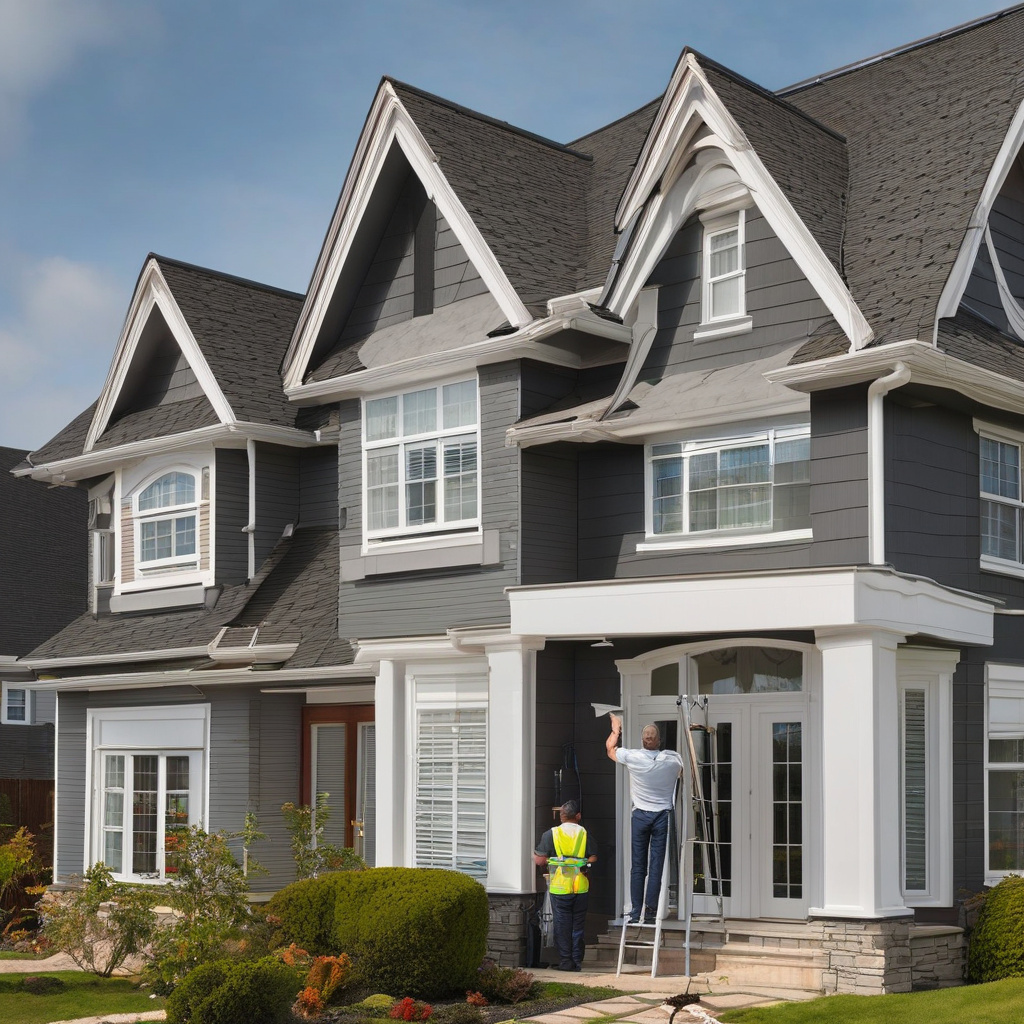
Purchasing a home in Los Angeles conjures images of sun-drenched beaches and palm-lined avenues, but there’s an aspect of homebuying that’s less picturesque: the roof. As they say, the sky’s the limit, unless that sky is in your living room. Thus, ensuring a robust roof atop your potential new home must be a priority. From the top down, understanding how to evaluate a home’s roof is pivotal for prospective buyers.
Brief summary: This article outlines a comprehensive checklist for inspecting the condition of a roof before purchasing a home in Los Angeles. It includes evaluations of shingles, flashing, decking, and ventilation, all crucial for assessing repair risks and future investments. Guidance on trends, costs, and renovations helps homeowners make informed decisions.
Understanding the Los Angeles Roofscape
The Los Angeles architectural landscape is as diverse as its culinary scene, with a mix of Spanish Colonial, Mid-Century Modern, and Ranch-style homes. Each has its own roofing intricacies, evolving with Southern California’s climatic demands. It’s not just about aesthetics; the functionality of those eaves and ridges matters.
Choosing the right roofing materials and designs is crucial. Many Angelenos opt for durable solutions like clay tiles or asphalt shingles, favored for their resilience under the relentless California sun. As exploring roofing options reveals, there’s a balance to be struck between form and function.
Local residents often notice that roofs don’t just shelter; they also insulate against soaring temperatures. With the rising cost of energy, a poorly insulated roof can lead to both literal and financial discomfort.
Thus, the weather-resistant prowess of your roof is not merely a luxury but a necessity. Evaluating a roof’s condition ahead of purchase will help ensure you’re not inheriting someone else’s rainy day. Always look for signs of wear like cracked tiles or missing shingles that could spell out bigger problems.
The takeaway? Don’t let your home’s crown jewel become its Achilles’ heel. Asset verification begins at the roof level.
Shingles: The Forefront of Roof Defense
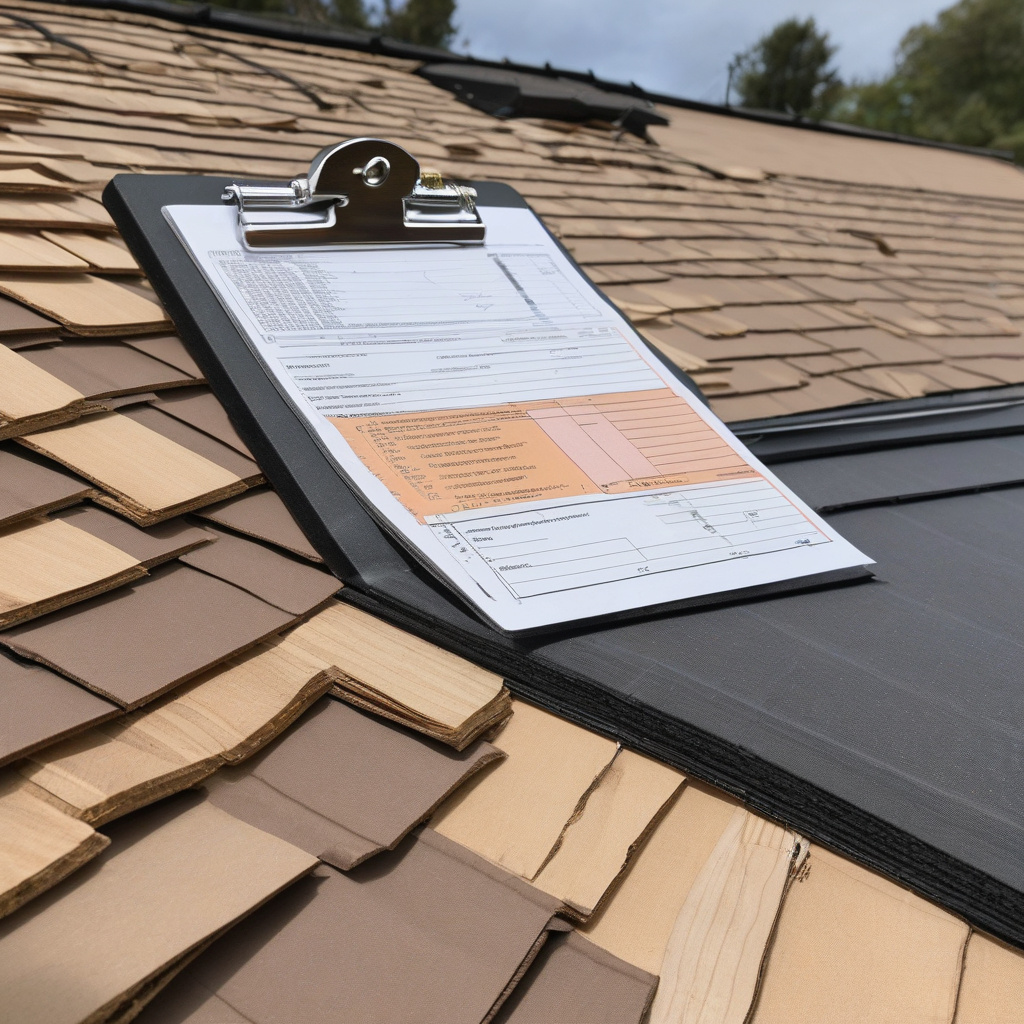
Among the first elements requiring scrutiny are the shingles. Serving as the primary line of defense against the elements, shingles bear the brunt of weather extremes. In LA’s varied climate, they withstand considerable seasonal changes, demanding durability and resilience.
Shingles may be asphalt, wood, or slate, each with different lifespans and maintenance needs. Asphalt shingles are prevalent due to their affordability and relative ease of replacement. While they generally last 20 to 30 years, this duration can shrink if frequently battered by the sun or frequent wind.
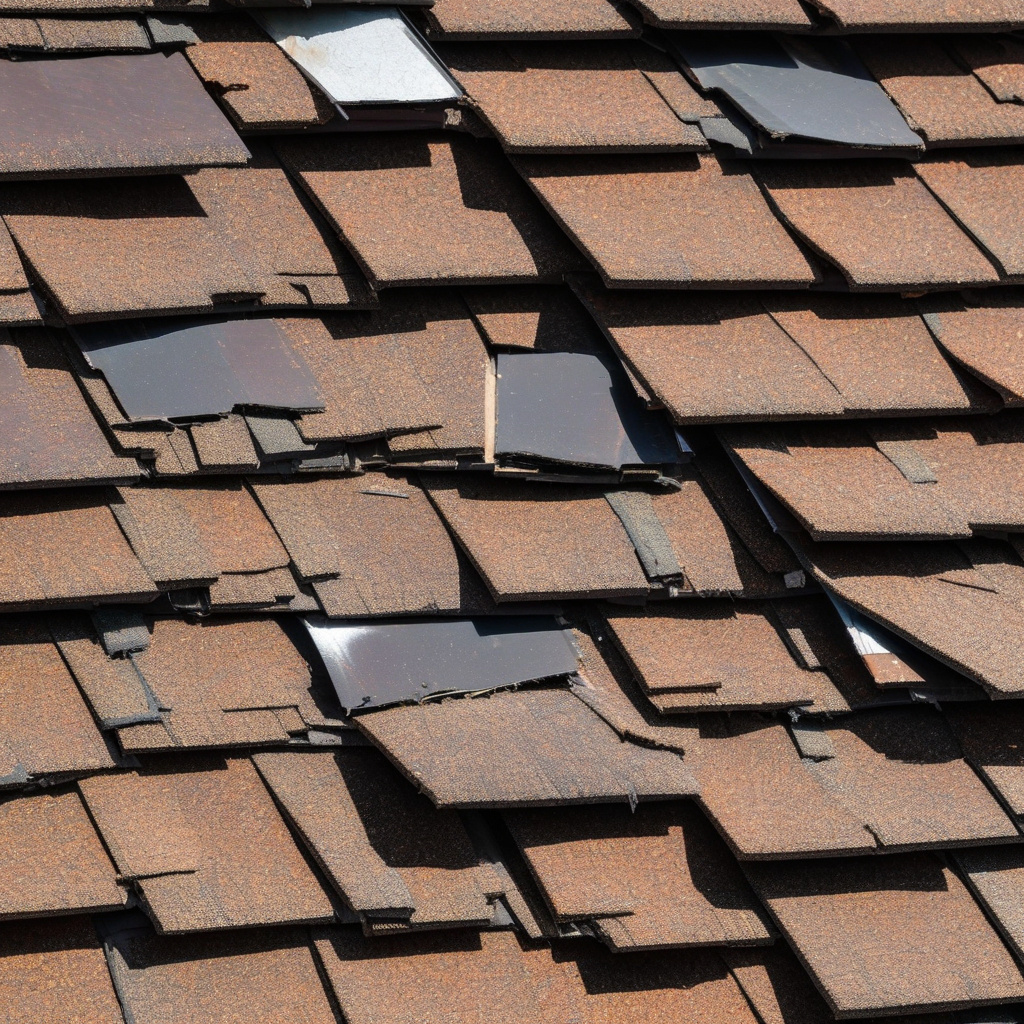
Inspect for curling or cracked shingles, which are telltale signs of aging or damage. Moreover, granule loss often suggests the end of a shingle’s life cycle, necessitating a detailed inspection. Following the trails of worn shingles might open up other issues lurking underneath.
Don’t ignore the flashing—the thin layer that prevents water from seeping in at various junctures. Corrosion or gaps in flashing can lead to water damage, inviting further structural woes.
Remember, a vigilant once-over of shingle integrity can spare a deluge of costly repairs later on.
Decking: The Roof’s Hidden Backbone
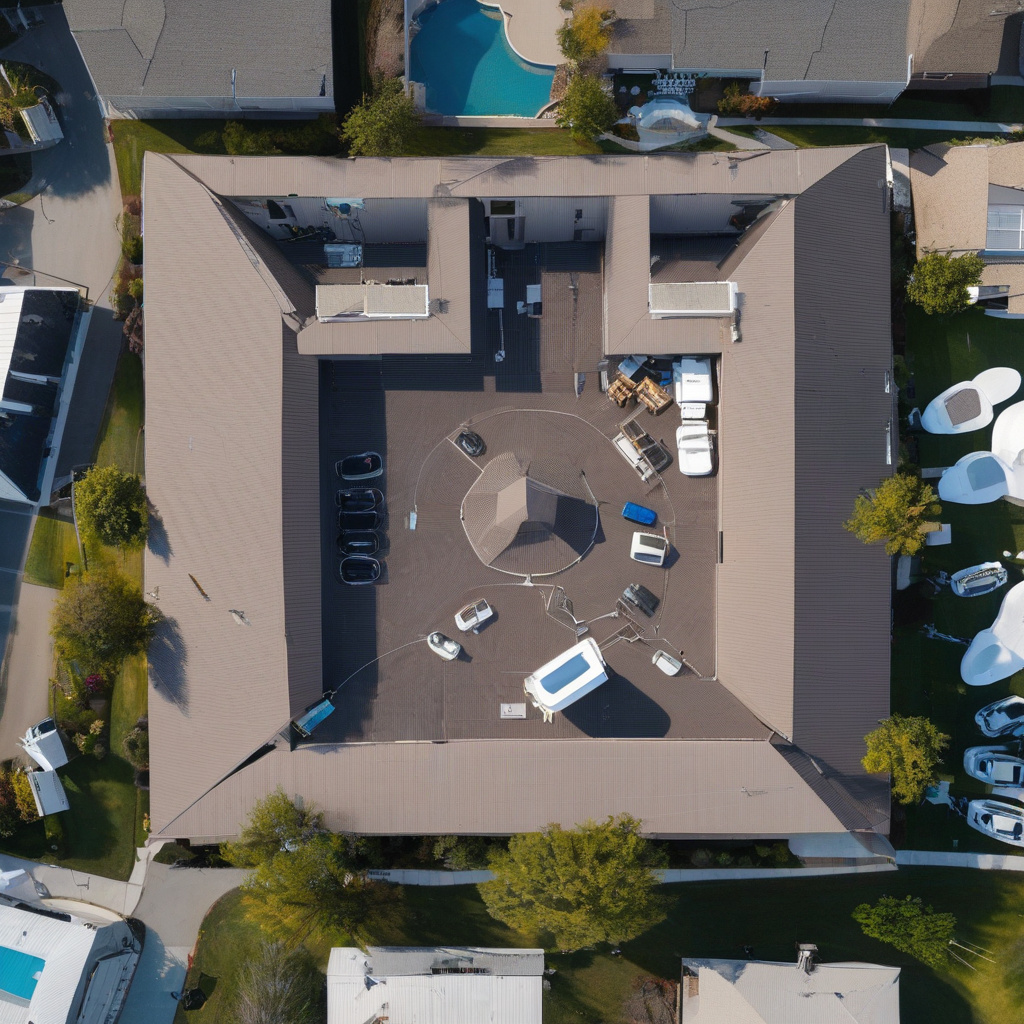
Often lurking beneath the surface, the roof deck is the unsung hero of roofing structure. This foundational layer, typically composed of plywood or OSB (Oriented Strand Board), distributes weight evenly and supports the covering materials.
In the LA renovation market, homeowners debate the merits of different decking materials. Comparing plywood and OSB reveals that OSB often wins out in residential settings due to its cost-effectiveness and versatility, though plywood holds its ground for its reliable strength and resilience.
Your inspection should seek out water stains, sagging areas, or any signs of moisture damage which could hint at an underlying issue. If the deck feels spongy underfoot, that’s an immediate red flag for potential deterioration.
The tale of the tape is this: a staunch roof deck ensures a solid home, turning initial investments into long-term savings.
Ensuring a healthy roof deck is akin to a health check-up—it may reveal significant delays before they become insurmountable.
Ventilation: Balancing the Elements
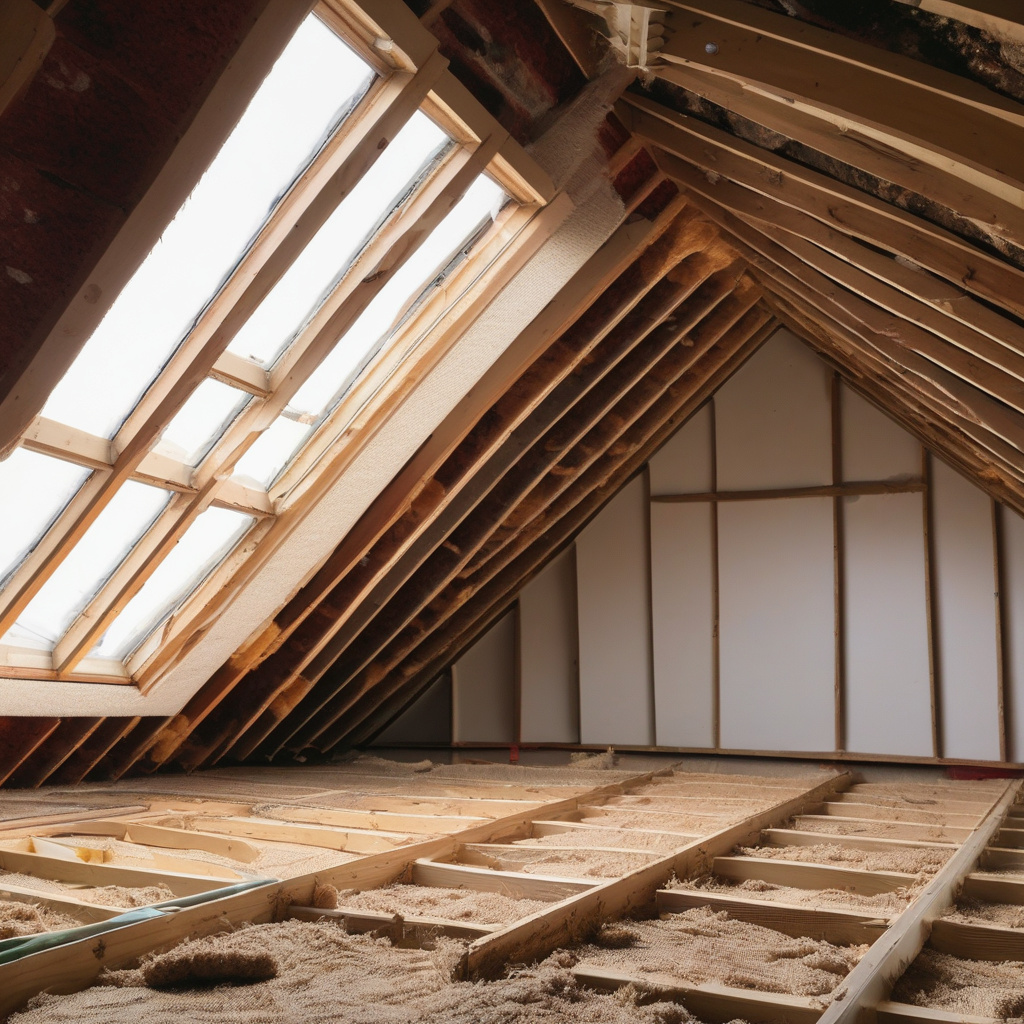
Good ventilation in a roof system is like a breath of fresh air—it’s essential yet often overlooked. Functional ventilation facilitates airflow, manages moisture, and regulates temperature fluctuations.
In a city where the mercury can soar, improper ventilation can lead to intensified heat within the home, escalating cooling costs while lowering the lifespan of roofing materials. Effective vent placement is crucial, from soffit to ridge vents.
Signs of insufficient ventilation include visible mold or mildew growth in attics, along with discolored or swollen materials, which should trigger alarm bells for potential issues.
For Angelenos considering green upgrades, this is prime territory for a solar-ready roof. Integrating solar solutions aligns with ventilation improvements, maximizing efficiency and sustainability.
Cap it off with the knowledge that improvements in ventilation don’t just benefit the roof but enhance overall home comfort.
Project Timelines and Cost Considerations
Budgeting time and finances is pivotal when approaching roof inspections and potential renovations. Understanding the timeline of roofing projects helps manage expectations and streamline the decision-making process.
Consider these average cost estimates and timelines for a basic roof inspection and follow-up repairs:
| Renovation Element | Average Cost | Typical Timeline |
|---|---|---|
| Basic Roof Inspection | $300 – $500 | 1 Day |
| Shingle Replacement | $3,000 – $7,000 | 2 – 5 Days |
| Full Roof Replacement | $10,000 – $25,000 | 1 – 2 Weeks |
Consulting with professional inspectors and contractors to get accurate quotes can significantly influence your homebuying decision.
Time and money spent upfront on inspections can save exponential repair costs down the line.
Taking the Next Step: Practical Solutions
Preparedness is key when it comes to post-purchase modifications. Fortunately, Los Angeles offers numerous solutions tailored for homeowners eager to refine their roofing setup.
For those assessing substantial renovations, flat roof solutions in LA can present myriad advantages, aligning modern aesthetics with practicality.
Incorporating advanced eco-friendly solutions into renovations can further entice buyers, fulfilling both environmental responsibilities and elevating the home’s market value.
As many local homeowners notice, merging style and substance is part of the Angeleno ethos. Strategic upgrades are bound to improve not only livability but also overall ROI.
Thus, diving into the LA real estate market with a well-versed perspective can turn a potential pitfall into a practical triumph.

According to a study by the National Association of Realtors, homes with updated roofing elements can increase their resale value by up to five percent.
“The integrity of a home starts with its roof structure,” says local contractor Jerry Gonzales. “Investing in quality early on pays dividends.”
Recent surveys indicate that homes with solar-ready roofing options often sell faster in eco-conscious cities like Los Angeles.
- Inspect the roof before purchasing to avoid costly repairs.
- Understand local roofing styles to choose the best materials.
- Ensure proper ventilation and integration of eco-friendly solutions.
- Calculate potential renovation costs and timelines carefully.
- Explore enhanced roofing options to increase home value.
“`html
FAQ
What is a roof inspection checklist for a home in LA?
A roof inspection checklist for a home in LA is a thorough guide that helps potential homeowners assess the current condition and potential future repairs needed for a roof. It generally reviews aspects like shingles, flashing, decking condition, and ventilation. In LA, where the weather can be harsh, this inspection helps identify issues such as sun damage or inadequate ventilation, which are common due to frequent high temperatures. Real renovation projects often unveil that many underlying issues could be prevented with a comprehensive checklist. This checklist serves as a tool for predicting maintenance needs, thereby safeguarding your investment.
How do I choose the right components for a roof inspection in Los Angeles?
In Los Angeles, selecting the right components for a roof inspection involves understanding not just the current state of the roof but also local environmental stressors. Start by examining shingles for signs of wear, as LA’s sunny climate can cause them to fade and become brittle over time. Flashing should be checked for rust, particularly around chimneys and skylights, given that even a small leak can escalate amid sudden weather changes. Homeowners frequently underestimate the importance of proper ventilation, which is crucial for managing the heat build-up in attics. Consulting local roofing experts can also provide insights tailored to LA’s unique climate challenges.
When is the best time to conduct a roof inspection before buying a home in LA?
Conducting a roof inspection in LA is most effective during the dry season, typically late spring through early fall. These months provide an ideal setting to thoroughly examine the roof without interference from rain or moisture. Many experts point out that scheduling an inspection before peak heat can also expose issues tied to heat-induced expansion. In real-life renovations, owners often realize that damage is exacerbated in extreme conditions, which might not be apparent during wetter months. Doing so can help address any potential repairs proactively, offering peace of mind as you finalize your home purchase.
What are common mistakes when inspecting roofs in Los Angeles?
A common oversight during roof inspections in LA is failing to consider the regional climate’s impact. Many inspectors may focus solely on visible shingle damage, yet overlook underlying ventilation issues which are quite prevalent due to the city’s heat. Homeowners often miss signs of inadequate insulation in attics, leading to higher energy costs. Ignoring potential damage from pests, which can sometimes go unnoticed until it’s too late, is another mistake. Real-world examples reveal that addressing these issues as part of an inspection can save significant costs in future repairs. Always employ a local expert familiar with LA’s specifics for thorough guidance and evaluation.
What costs should I expect for a roof inspection in Los Angeles?
The cost of a roof inspection in Los Angeles can vary widely, typically ranging from $200 to $500 depending on the home’s size and roof complexity. Tech-savvy inspections, using drones or infrared scanning to spot damage not visible to the naked eye, may cost more but could reveal hidden issues. Homeowners frequently debate whether the price is justified, yet in real renovation scenarios, a comprehensive inspection often saves thousands by identifying repairs early. It’s advisable to compare quotes from several local inspectors to align the service scope with your specific needs.
What are the pros and cons of conducting a roof inspection before purchasing a home?
Pros of a pre-purchase roof inspection include uncovering potentially costly repairs, negotiating purchase prices, and ensuring long-term durability and safety. On the downside, inspections add upfront costs and can introduce delays in the buying process if extensive repairs are needed. In practice, many homeowners find that the minor delay and expense are worth the investment, especially in older properties where hidden issues are more likely. Weighing these aspects against future peace of mind can guide a more informed purchase decision.
How can inadequate ventilation affect a roof in LA?
Inadequate ventilation can lead to significant roof issues in LA, primarily due to the region’s high temperatures. Poor ventilation traps heat, increasing cooling costs and placing stress on roofing materials, which can reduce their lifespan. In real-world cases, inadequate ventilation is often linked to warped shingles and attic mold due to persistent moisture. Ensuring proper airflow can prevent these issues, protecting your investment and reducing energy expenses. If you’re uncertain about your home’s ventilation capability, consider consulting specialists who can provide tailored advice—one place to start your inquiry is by exploring professional consult services with local renovation experts.
What signs indicate that a roof needs immediate attention during an inspection?
Immediate red flags during a roof inspection include visible leaks, sagging rooflines, missing or damaged shingles, and excessive granules in gutters indicating shingle decomposition. During renovations, it’s common to discover that these signs were precursor warnings of more severe issues, such as structural damage or mold. Inspecting the attic for water stains can also provide clues about unseen leaks. If you notice such indicators, prioritize repairs before purchasing, as they can lead to substantial future costs and safety hazards.
“`