As the skyline of Los Angeles continues to shimmer with modernity and allure, the humble ADU (Accessory Dwelling Unit) quietly reshapes suburban landscapes, offering a pragmatic investment opportunity for homeowners. ADUs present a compelling option for those looking to capitalize on their property while addressing the city’s pressing housing needs. However, renting out an ADU in LA comes with its own set of considerations, from local regulations to tenant relations, making informed decisions a must for success.
Brief summary: Renting an ADU in Los Angeles requires homeowner awareness of local regulations, lease agreements, and responsibility towards tenants. Understanding these aspects influences tenant selection, pricing strategies, and achieving long-lasting rental success, without causing headaches.
Understanding Local Regulations: The First Step
The first step in renting out an ADU in Los Angeles is to navigate the maze of local building codes and zoning laws. The city’s zoning guide for ADUs outlines restrictions on size, placement, and usage. Familiarizing yourself with these rules prevents future legal issues and ensures compliance with environmental and structural standards. The local government has been more accommodating in recent years, encouraging ADU construction to curb the housing crisis, yet compliance remains non-negotiable.
Los Angeles, famed for its cinematic sprawl, places unique restrictions on ADU dimensions, aiming to balance urban density with neighborhood character. Homeowners must ensure that their new unit neither overshadows existing structures nor disrupts community aesthetics. As many local homeowners have experienced, ignorance of these regulations can result in costly fines and unwanted renovations.
Moreover, other considerations include parking requirements and distance from public transit, factors which may preclude the development of an ADU on certain lots. Engaging with a local planning consultant or attorney, familiar with ADU projects, could be the difference between a smooth process and a bureaucratic nightmare.
Ultimately, understanding these zoning and building codes is essential. It empowers homeowners to make informed choices about what is feasible on their land and thus avoid unnecessary expenses or legal troubles.
The Cost-Benefit Analysis of Building an ADU
Navigating the financial aspect of ADU construction involves more than estimating initial building costs. Homeowners must consider long-term returns which hinge on location, materials, and architectural style. The aesthetic elements can significantly impact construction costs, with eco-friendly building materials potentially offering savings through energy efficiency and sustainability in the long run. For insights into the various choices available for ADU construction, exploring this resource on LA’s building materials provides clarity.
The upfront expenses of planning and construction might appear daunting. Still, projects often recoup costs through rental income within a decade. City subsidies and tax incentives designed to promote ADU development can further alleviate the financial burden.
Interestingly, homeowners frequently debate the advantages of long-term tenants versus short-term rentals, weighing the stability of guaranteed income against the potential for higher, albeit less reliable, returns from short-term housing. What’s critical is establishing clear financial expectations and maintaining a keen eye on market trends.
Effective financial planning is thus a cornerstone for any successful ADU endeavor, leading to wise investment and astute management of this versatile living space.
An estimated 16% annual ROI from ADUs in urban Los Angeles areas was reported by industry specialists in a recent housing market study.
Balancing costs with potential revenue, while considering material choices and tenant types, is essential in ensuring a profitable ADU project.
Choosing the Right Layout: Design is Key
The potential of an ADU is only as good as its design. Strategic layouts make efficient use of limited space, enhancing comfort and functionality. When designing an ADU, homeowners must consider the end user’s needs, whether it’s renting to a single professional, a small family, or serving as an in-law suite.
Consulting with architects who specialize in small-space design can optimize the layout for both aesthetic appeal and practical use. A well-planned layout maximizes light and creates an illusion of space, paramount in such compact units.
Materials also play a significant role in creating a livable space. Incorporating open floor plans and multi-purpose furniture can transform these cozy units into modern abodes. For instance, choosing flexible, lightweight materials allows for easy reconfiguration over time, accommodating evolving needs or future remodels.
The collaboration between architects and homeowners in crafting a design that caters to both current needs and latent potential results in a unit that not only appeals to renters but stands the test of time.
“An ADU that harmonizes with the primary dwelling through thoughtful design and consistent aesthetic is most likely to attract the ideal tenant,” advises a seasoned Los Angeles architect.
The integration of smart, efficient designs ensures that the ADU serves as a valuable addition rather than a forgotten appendage.
Exploring Construction Options: Modular vs. Custom Built
When it comes to actual construction, homeowners face the choice of modular or custom-built ADUs. Each method has its unique set of advantages and drawbacks, influencing timeline, cost, and degree of personalization. Modular units are typically quicker to assemble and may be less expensive, providing a pre-designed solution that simplifies many decisions.
Alternatively, custom-built ADUs afford greater latitude in style and materials. They allow homeowners to tailor every aspect of the design to specific desires and site characteristics. However, bespoke construction often comes with a higher price tag and a longer development timeline because of the personalized nature of the process.
Comparing modular and bespoke designs necessitates evaluating material quality, construction speed, and overall investment returns. The comparison between ADUs and second-story additions can provide further insights into what may suit different situations best.
| Aspect | Modular ADU | Custom Built ADU |
|---|---|---|
| Cost | Generally Lower | Potentially Higher |
| Timeframe | Quick Assembly | Longer Process |
| Design Flexibility | Limited | Extensive |
Ultimately, the choice between modular and custom construction depends on personal preference, budget constraints, and specific site needs. Careful evaluation ensures the selected method aligns with the owner’s vision and financial capacity.
Tenancy Dynamics: Picking Your Tenants Wisely
Once the ADU is ready to welcome tenants, the task of selecting reliable renters begins. Screening processes should go beyond financial metrics to assess long-term compatibility with the neighborhood and property. Building a reputation as a quality landlord attracts tenants who are not only reliable with payments but also respectful of the space.
Crafting an effective lease agreement, ironing out every clause from duration to maintenance responsibilities, helps prevent disputes. Engagement matters; maintaining an open line of communication with tenants fosters mutual respect and a sense of community.
Understanding the broader rental market’s ebb and flow ensures competitive pricing without undervaluing the property. Keeping an eye on area-specific demands and challenges enables proactive adjustments to rental strategy.
Within this context, ADUs offer the opportunity to create harmonious living environments that benefit renters and homeowners alike.
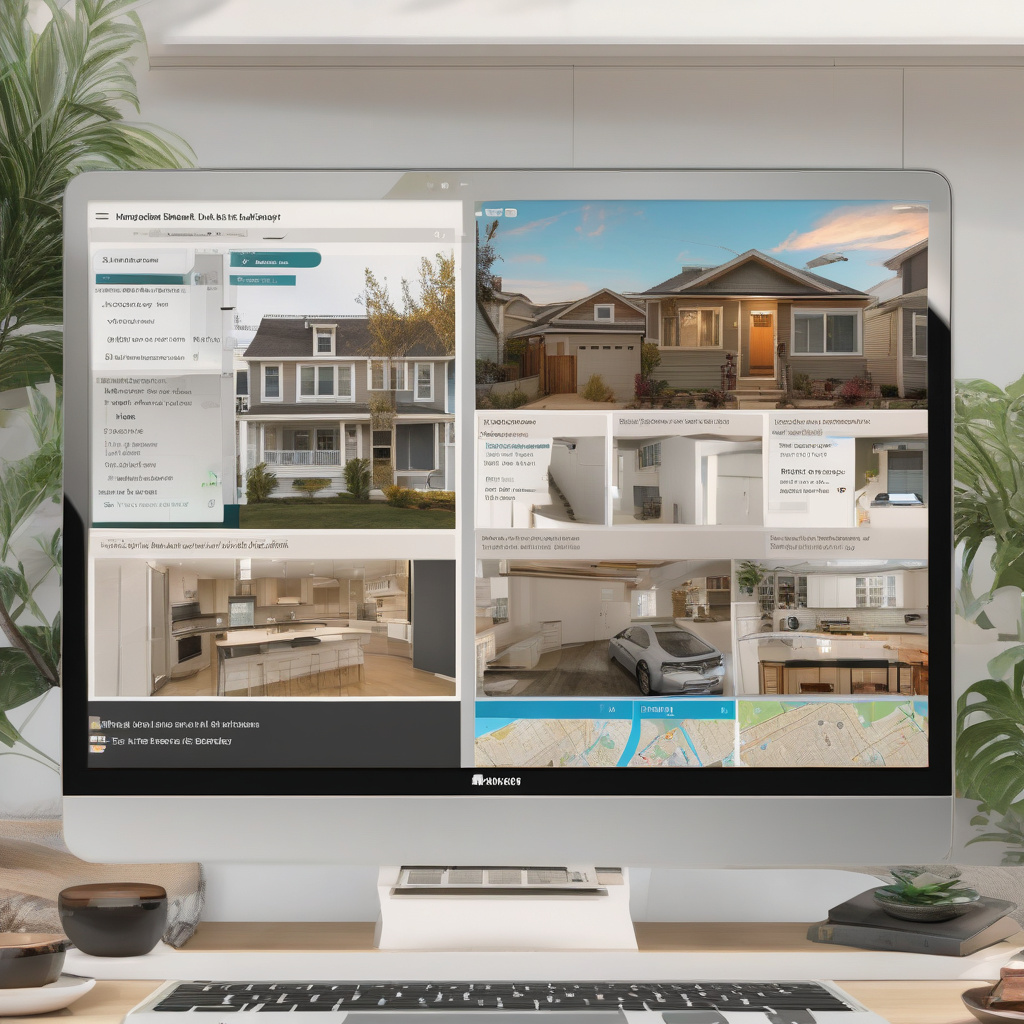
The latest city data indicates ADUs accounted for 22% of newly added rental units over the past year, reflecting their rising popularity.
By committing to comprehensive tenant screening and maintaining strong landlord-tenant relations, owners ensure stable occupancy and prolonged rental success.
Embarking on the ADU Journey: Stepping Stones to Success
Renting an ADU in Los Angeles is an arduous yet rewarding endeavor, blending an intricate understanding of local laws with astute financial management. For those in pursuit of guidance beyond planning and construction, enlisting the aid of professional contractors known for their expertise in ADU projects is advantageous. For valuable assistance, exploring recommended ADU contractors can set the stage for successful ventures.
Renting out an ADU goes beyond just financial gain; it’s about participating in the urban fabric’s sustainable growth. With a landscape ripe for innovation, Los Angeles homeowners stand to benefit tremendously from these descriptors of modern architecture.
With detailed plans, a diligent approach, and the commitment to sustainable urban development, the journey to transform a property with an ADU is both accessible and beneficial.

By following a structured path and recognizing the responsibilities involved, the enrichment of one’s property through an ADU proves not only feasible but also financially rewarding and socially responsible.
- Earning from an ADU in LA requires navigating zoning laws efficiently.
- Opting for the right construction approach affects both budget and timeline.
- Careful tenant selection fosters reliable income and community harmony.
- Exploring available incentives can substantially mitigate initial costs.
- Effective financial and tenant management ensures lasting success.
 “`html
FAQ
What is an ADU and why are they popular in Los Angeles?
An Accessory Dwelling Unit (ADU) is a secondary housing unit on a single-family residential lot. In Los Angeles, they’ve become incredibly popular because they offer a solution to the city’s housing shortage, enabling homeowners to creatively utilize existing property. Many see them as a unique opportunity to provide rental income or housing for extended family. Homes in bustling metropolitan areas benefit particularly due to high demand for rentals. In real renovation projects, homeowners often marvel at the added value an ADU brings, not just in financial terms but in flexibility. Whether addressing housing needs or increasing property value, understanding local zoning laws and construction challenges is crucial since these factors significantly impact the success of ADU projects.
How do I choose the right ADU design for my Los Angeles property?
Choosing the right ADU design involves blending aesthetics with functionality while adhering to local codes and regulations. In Los Angeles, many opt for modern, energy-efficient designs that complement the original home and enhance its surroundings. Consider the size of your lot, the ADU’s intended use, and your neighborhood’s character. For example, older properties might benefit from a design that harmonizes with classic architecture, while newer builds can explore contemporary styles. Before making a decision, speak with a design professional familiar with the local requirements. They can guide you through the maze of permits and codes, ensuring a smooth approval process. It’s easy to underestimate the details, such as plumbing configurations or setbacks, so having expert advice can prevent costly errors.
When does renting out an ADU make financial sense?
Renting out an ADU makes financial sense when the projected rental income covers or exceeds construction and ongoing maintenance costs, contributing to a positive cash flow. Considerations include initial construction expenses, financing options, local rental rates, and potential tax benefits. In the Los Angeles market, where rental demand is high, an ADU can significantly boost your income. However, it’s vital to conduct a detailed cost-benefit analysis, factoring in property taxes and insurance adjustments. Surprisingly, many homeowners neglect to account for the fluctuating market conditions, potentially affecting long-term profitability. Consulting with a local real estate expert can help you understand these dynamics and make informed decisions.
What are common mistakes homeowners make when renting an ADU?
One common mistake homeowners make when renting out an ADU is underestimating the importance of tenant-landlord laws, which are crucial in Los Angeles. Failing to research and comply with these regulations can result in costly legal consequences. Additionally, overlooking the need for a clear, comprehensive rental agreement often leads to misunderstandings. Experts emphasize that thorough screening of potential tenants should never be bypassed, as skipping this step often invites trouble later on. Another oversight is not performing regular maintenance checks, which can lead to extensive repairs if minor issues are ignored. An effective strategy is to establish a maintenance routine from day one, addressing any tenant-reported problems swiftly. Taking these preventive actions ensures smooth operations and protects the homeowner’s investment.
What factors influence rental pricing for an ADU in Los Angeles?
Rental pricing for an ADU in Los Angeles is influenced by several factors including location, size, amenities, and current market trends. Location is a primary driver; units near public transport, schools, or hospitals typically command higher rents. The size of the ADU also matters; larger units with more bedrooms can justify a higher price. In terms of amenities, features such as modern appliances, energy efficiency, and outdoor space add value. Observations from seasoned landlords note that market conditions can shift suddenly, affecting pricing strategies. It’s wise to stay informed about local real estate trends and adjust accordingly. Resources like open houses or discussions with local realtors offer practical insights into setting competitive rates. Balancing these elements effectively ensures your ADU remains attractive to potential tenants while achieving desired rental income.
What are the benefits and limitations of owning and renting out an ADU?
Owning and renting out an ADU presents both benefits and limitations. The benefits include additional rental income, increased property value, and flexible living solutions for family or tenants. They can also provide a sense of increased security and privacy for homeowners seeking extra space. On the downside, ADUs require upfront investment and careful planning to comply with local laws. Homeowners often underestimate the complexity of navigating permits and construction logistics. Moreover, managing a rental property adds responsibilities such as maintenance, tenant management, and adherence to rental laws. Weighing these elements is crucial. One way to ease the process is to connect with renovation professionals who can offer expert guidance, ensuring the ADU meets your goals while aligning with regional requirements.
How do local rules and regulations impact ADU leasing in Los Angeles?
Local rules and regulations significantly impact ADU leasing in Los Angeles. They dictate everything from design specifications to tenancy laws. For instance, parking requirements, set back rules, and the strict adherence to fire and safety codes are vital considerations. In real renovation projects, meeting these standards ensures compliance and avoids potential legal issues. A notable challenge is the city’s evolving regulations, which require homeowners to stay updated continuously. Ignorance of these rules can delay projects or incur fines. Experts recommend consulting with city planners or legal advisors when embarking on an ADU project. Their insights can help navigate complex regulations, ensuring your ADU remains a compliant and profitable addition to your property.
What are effective strategies for ensuring long-term occupancy success of an ADU?
Ensuring long-term occupancy success for an ADU involves strategic planning and maintenance. It starts with attracting the right tenants: clear, targeted marketing, robust tenant screening processes, and presenting the unit in pristine condition all play significant roles. Retention hinges on maintaining a good tenant-landlord relationship; timely repairs, effective communication, and being responsive to tenant needs cultivate trust and satisfaction. In essence, transparency about expectations and sound lease agreements are key. Many experts find that scheduling regular maintenance not only preserves the unit’s value but also boosts tenant satisfaction and retention. Proactively addressing potential issues signals care and commitment—qualities that cultivate long-lasting rental relationships in the competitive Los Angeles market.
“`