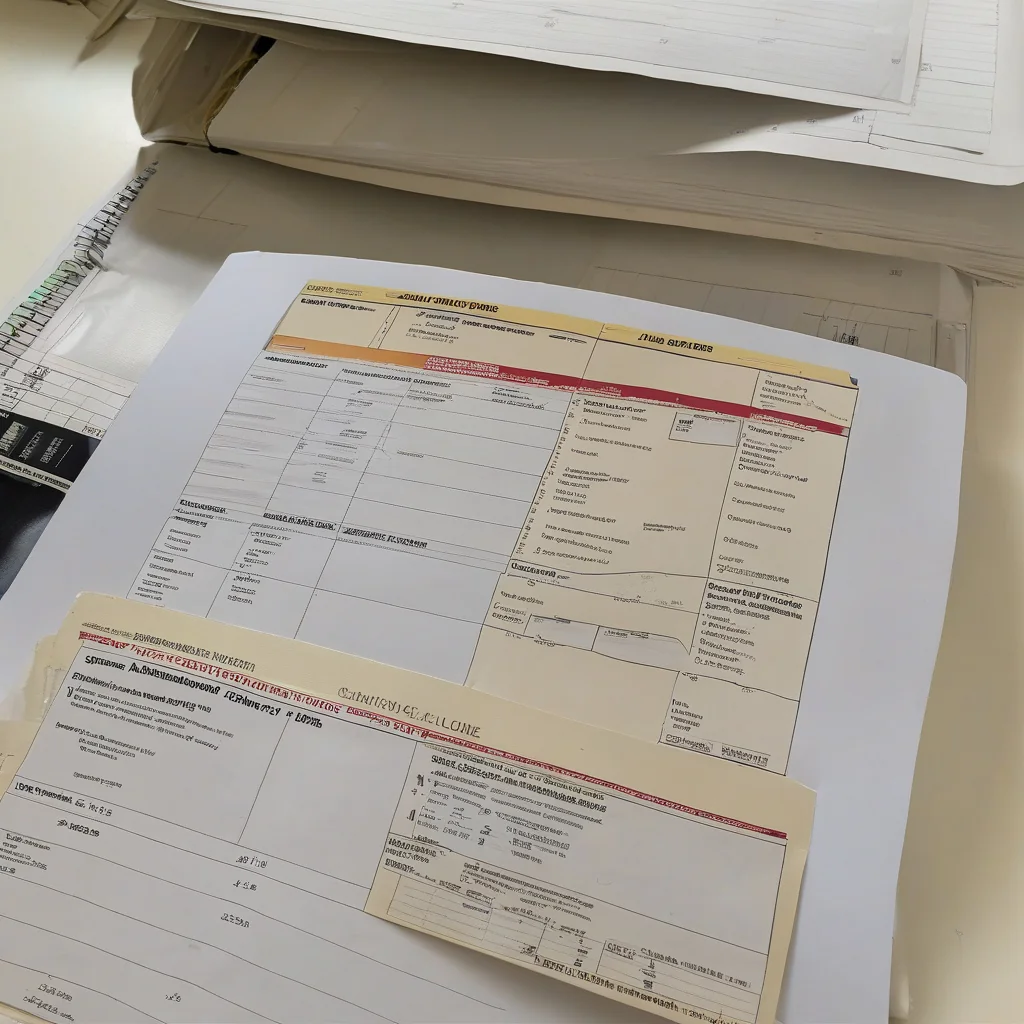
After a Southern California storm, a roof may look only slightly disturbed from the ground while still hiding lifted shingles, damaged flashing, or moisture that has already reached underlayment and ceilings. For many homeowners, the pressing question is not just whether damage exists, but how to file an insurance claim in a way that supports a fair review. Waiting too long, making assumptions from appearance alone, or starting repairs without clear records can weaken the claim and complicate the next steps.
Claim First Steps Storm-related roof damage should be documented early and reviewed against the policy before major decisions are made. A practical response includes photos, notes, temporary protection if needed, and a prompt claim notice. The main risk is missing hidden damage or failing to show when it occurred. Professional assessment may be needed when leaks, structural concerns, or disputed scope are involved.
Insurance claims for roof storm damage also sit at the intersection of repair planning, cost control, and technical assessment. Homeowners may need to coordinate insurer communication, roof inspection findings, and decisions about repair versus replacement at the same time. This article explains how the process typically works, what to document, how to compare repair paths, and when a qualified inspection becomes especially important.
Recognizing the problem before filing a roof storm claim
A homeowner may notice missing roofing pieces in the yard, new ceiling stains, damp insulation, granules in gutters, or water marks near walls after heavy wind or rain. In other cases, the first clue is subtler: a draft around the attic hatch, a small drip that appears days later, or a section of roof that looks uneven in certain light. Storm damage does not always announce itself dramatically, and a roof can appear intact while still having compromised edges, penetrations, or drainage points.
That is why the first stage is less about rushing into repair and more about recording conditions carefully. A dated set of exterior and interior photographs, brief notes about when the storm occurred, and a list of visible symptoms can help establish context. For homeowners trying to understand the broader roof system before speaking with an insurer, a general overview of roofing services can clarify how different roof areas are typically assessed.
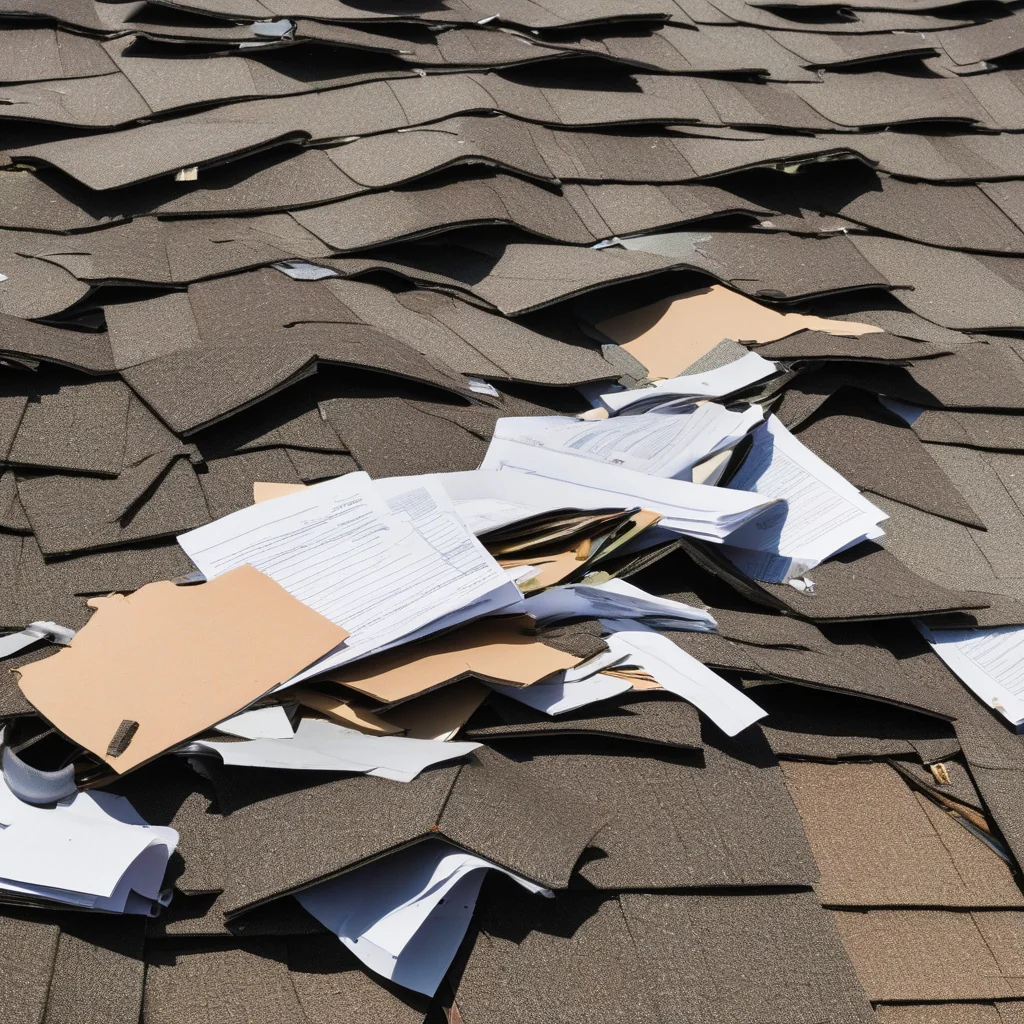
Appearance alone may not reveal the correct solution. A stain on drywall does not automatically identify the entry point, and a displaced roof component does not confirm whether surrounding materials remain serviceable. Filing a strong claim usually begins with separating visible symptoms from documented conditions and avoiding premature conclusions about full replacement or minor patching.
What homeowners should know before planning the claim process
Before planning either repairs or claim discussions, homeowners should review the insurance policy carefully. The practical questions are straightforward: what kinds of storm events are covered, what exclusions apply, how deductibles affect the claim, and whether the policy language addresses repair, matching, or replacement in a specific way. This review does not replace professional interpretation where needed, but it helps organize the conversation and prevents avoidable confusion.
Site conditions also matter. Roof dimensions, height, access, existing layers, nearby trees, roof penetrations, and previous moisture problems can all affect what an adjuster or roofing professional needs to inspect. If there is attic dampness, sagging, stained sheathing, or signs of long-term deterioration, the correct decision may depend on moisture evaluation and condition assessment rather than surface photos alone. Homeowners who are trying to organize documentation may find it helpful to understand a roofing square estimate when discussing measured areas and claim scope.
Document first, then decide; early records often shape every later conversation.
Another planning issue is temporary protection. If active leaking is occurring, a homeowner may need to arrange limited temporary measures to reduce further interior damage. Even then, records remain critical. Keep photos of the condition before and after temporary protection, save communication related to emergency response, and avoid discarding damaged materials until the insurer or inspector has had an opportunity to review the loss when appropriate.
How to compare repair, restoration, and replacement options
Once the claim is opened and inspections are underway, homeowners usually face several possible outcomes: localized repair, partial reroofing, or a broader replacement recommendation. The right path depends on the roof’s existing condition, the distribution of storm damage, and whether new work can integrate with what remains. Repair may be appropriate when damage is confined and surrounding materials are still in sound condition. Partial replacement may make sense when one section is affected but adjacent areas remain serviceable. Full replacement enters the discussion when damage is widespread or compatibility becomes difficult.
Methods also vary by roof type. Steeper roofs with exposed surface materials present different claim questions than low-slope roofs, where drainage patterns, seams, and membrane condition may matter more than a missing visible element. Homeowners should weigh maintenance implications too. A small patch may restore performance in the short term, but if nearby components are at the end of their serviceable life, later issues can still emerge outside the original claim event.
Balancing scope with risk
A broader repair scope can improve consistency across the roof, but it may increase immediate project complexity. A narrower scope may preserve more existing material, yet it can carry matching, aging, or hidden moisture concerns. Benefits and risks should be considered together: the least disruptive option is not always the one with the best long-term performance, and the largest proposed scope is not automatically the most justified. When solar panels are already present or future work is being considered, the interaction between reroofing and equipment layout can influence planning, as seen in discussions of reroofing with solar.
| Option | Best suited for | Main advantage | Main limitation |
|---|---|---|---|
| Localized repair | Isolated storm impact | Targets specific damaged areas | May not address hidden surrounding wear |
| Section replacement | Damage concentrated on one slope or zone | Broader renewal where needed | Integration with existing roof can be complex |
| Full replacement | Widespread damage or poor existing condition | Allows consistent assembly across the roof | Largest project scope |
| Deferred major work with temporary protection | Urgent leak control while claim is reviewed | Reduces further immediate interior damage | Not a substitute for final corrective work |
How the project should be organised
Insurance-related roof work tends to go more smoothly when the process is organized before major decisions are locked in. Homeowners may be dealing with adjusters, roofing contractors, interior finish concerns, and scheduling constraints at once. A clear sequence helps keep claim documentation aligned with actual conditions on site.
- Define the goal by identifying whether the immediate need is leak control, claim documentation, scope confirmation, or permanent restoration.
- Assess existing conditions by recording visible exterior and interior storm effects and noting any prior roof issues.
- Take measurements of affected areas and related interior spaces so estimates and claim discussions refer to the same locations.
- Compare suitable options by reviewing repair, partial replacement, or broader restoration paths against current roof condition.
- Confirm the scope by matching inspection findings, insurer communications, and contractor descriptions before authorizing major work.
- Prepare the site by protecting belongings, improving access where appropriate, and organizing records for inspections.
- Complete the work only after the approved scope is understood and temporary versus permanent measures are clearly distinguished.
- Inspect the result by reviewing completed areas, documenting final conditions, and retaining all claim and project records.
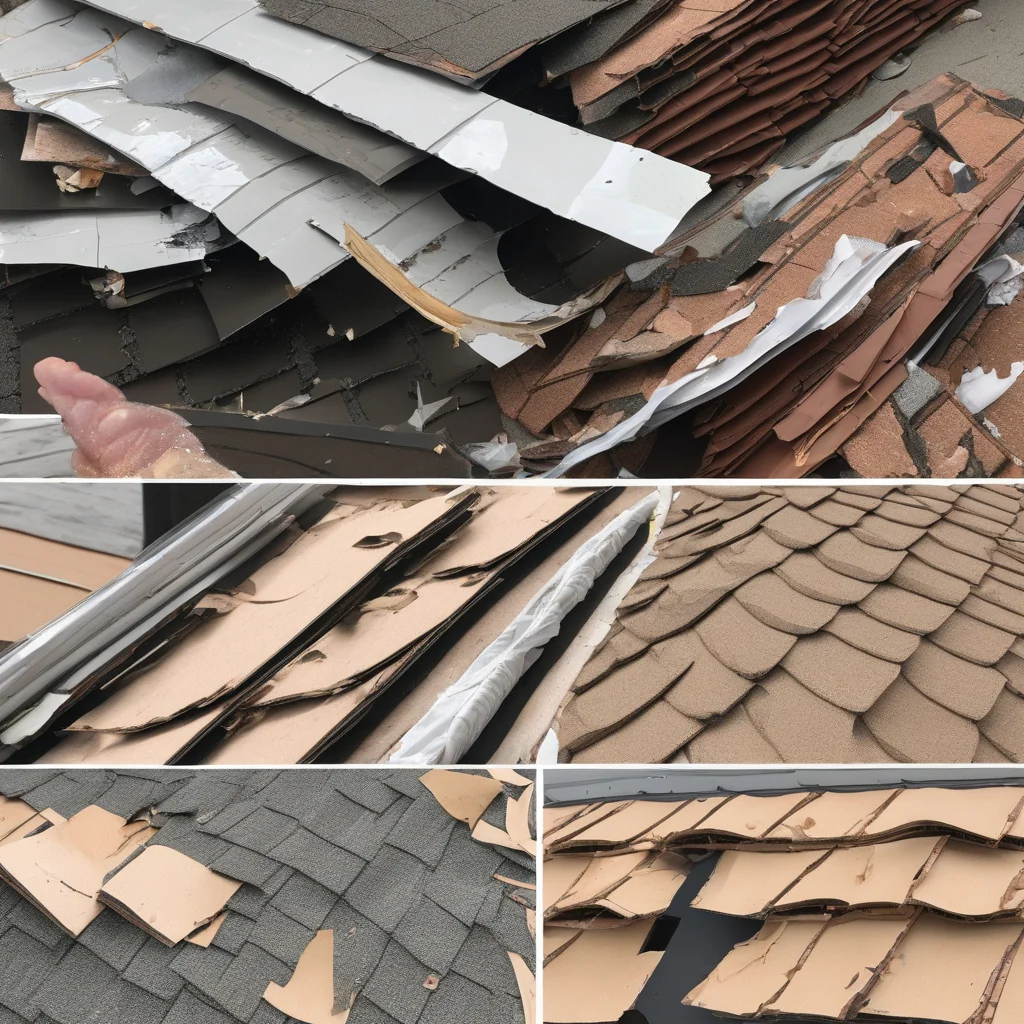
This structure also helps in disputed situations. If the insurer’s initial view differs from the contractor’s findings, organized photos, measured areas, and clear scope descriptions create a more useful basis for reevaluation than general statements that the roof “looks bad” or “probably needs replacement.”
Common mistakes and project risks
One common mistake is delaying inspection because the leak seems minor. Storm-related moisture can travel, and by the time staining appears in one room, the entry path may involve another roof area entirely. Another frequent problem is assuming that a patch visible from the yard settles the issue. Hidden underlayment damage, compromised flashing, or wet sheathing may still need assessment.
Homeowners also run into trouble when they authorize permanent repairs before the claim is properly documented, or when they rely only on phone images taken from a distance. Incompatible replacement materials, rushed cleanup that removes useful evidence, and late design changes can all complicate coverage discussions. Even well-intentioned interior repainting may make it harder to show the progression of storm-related damage if records are incomplete.
Small visible damage can be the signal; the real risk is the condition that remains out of sight.
When expectations become a risk
Another issue is expectation mismatch. A homeowner may expect the insurer to fund a full roof replacement because a leak followed a storm, while the actual approved scope may depend on causation, pre-existing wear, and the extent of confirmed damage. On the other hand, an initial limited scope may overlook related damage that becomes clearer during a more thorough inspection. Careful assessment protects both sides from poorly defined work.
What affects cost and when professional assessment makes sense
Project cost can vary widely based on roof size, complexity, access conditions, tear-off needs, temporary protection, interior impact, and the difficulty of integrating new work with existing materials. Hidden moisture, deteriorated decking, and complicated penetrations can expand the real scope after closer review. The claim amount and the actual construction path therefore depend not just on what the storm did, but on what condition the roof and related components were already in before the weather event.
Professional assessment makes sense whenever the decision depends on conditions that cannot be confirmed from the ground or from interior staining alone. A roofing contractor may help define damaged areas and repair methods. An independent inspector may be useful when documentation needs to be especially thorough. If there are signs of structural movement, prolonged moisture, or scope disputes tied to building condition, further evaluation may be appropriate before permanent work proceeds. For homes with flatter roof areas or drainage-sensitive assemblies, reviewing low-slope roof practices can be a practical next step in understanding why specialized assessment matters.
The best insurance outcome usually comes from matching the repair scope to verified conditions, not assumptions.

Filing a roof storm damage claim is ultimately a documentation and decision-making process as much as a repair issue. Homeowners who move methodically, preserve records, and seek qualified review when conditions are unclear are better positioned to reach a fair scope and a more durable result.
- Storm damage claims start with careful roof and interior documentation.
- Policy review and measured scope help organize better decisions.
- Hidden moisture and compatibility issues can change repair cost and scope.
- Professional assessment is wise when leaks, low-slope areas, or disputed damage are involved.
FAQ
What should I do first after roof storm damage?
Start with safety, then document the roof storm damage with photos and notes. Prevent more leaks if you can do so safely, and contact your insurer promptly so the claim process begins with clear evidence.
When does roof storm damage usually qualify for an insurance claim?
A claim may fit when wind, hail, falling debris, or similar storm damage likely affected the roof. If the cause is unclear, keep records and request a professional assessment before assuming the insurer will cover it.
How can I prove the damage to the insurance company?
Use date-stamped photos, repair estimates, and notes about leaks or missing shingles. Clear before-and-after records help, but hidden damage may still require an adjuster or roofer to document what cannot be seen from the ground.
Should I repair the roof before the adjuster inspects it?
Only make temporary repairs to stop active water intrusion. Full repairs before inspection can limit claim evidence, but waiting too long can worsen damage. Save receipts and photos of any emergency work you complete.
What else should homeowners consider before making a final decision?
Consider whether damage is cosmetic or functional, whether leaks may have reached decking or interior areas, and whether a roofer should inspect first. If you need help weighing claim steps, reach out for guidance before approving repairs.