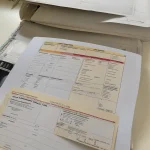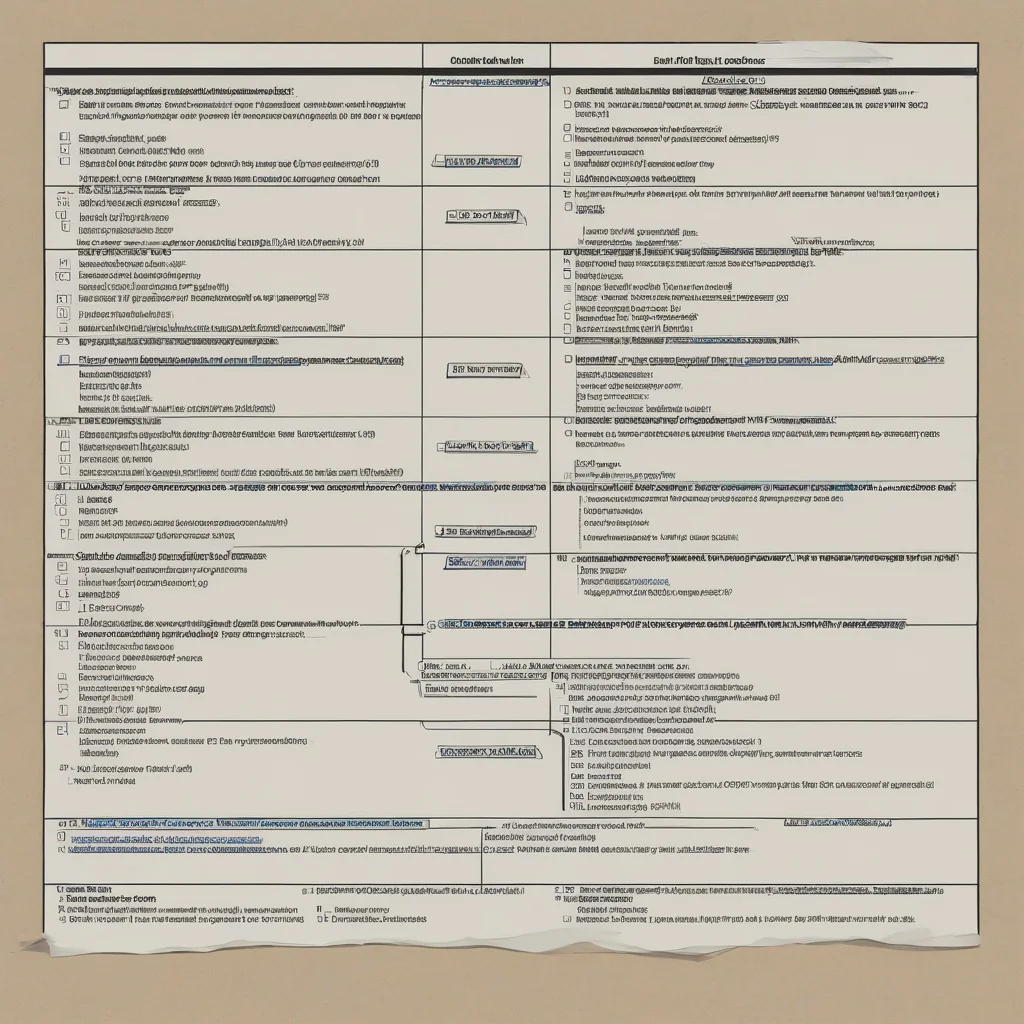
Comparing kitchen remodel quotes can feel deceptively simple: line up the totals, scan the cabinet brand names, and choose the lowest or most polished proposal. In practice, that approach often hides the real differences. One contractor may be pricing a cosmetic update, while another is accounting for layout corrections, surface preparation, utility adjustments, or finish details that affect how the kitchen performs over time.
Quote Logic Kitchen remodel quotes should be compared by scope, allowances, exclusions, and installation details, not by total alone. A practical review starts with confirming that each bid covers the same work in the same areas. The main risk is choosing a lower number that leaves out preparation, coordination, or key materials. Professional assessment may be needed when field measurements, existing conditions, moisture concerns, or structural questions affect the scope.
That matters in Los Angeles and Southern California because kitchens vary widely in age, condition, access, and prior alterations. A homeowner may notice that two bids look similar on the surface yet describe very different levels of work. This article explains how to compare multiple kitchen remodel quotes correctly, what details reveal real value, and when the right decision depends on measurements, inspections, or site-specific professional review.
Why kitchen remodel quotes often look similar but are not
The first challenge is that remodel estimates frequently use familiar words without defining them. Terms such as “install cabinets,” “replace counters,” or “finish plumbing” can cover a broad range of work. One proposal may include removal, disposal, patching, leveling, trim, and final adjustments. Another may only include basic placement of finished products. Homeowners reviewing kitchen remodeling proposals should focus on what is described line by line, not just on the cover-page summary.
This is where quote comparison becomes less about shopping and more about interpretation. A lower bid can reflect legitimate efficiency, but it can also reflect omissions. A higher bid may include better coordination or more realistic allowances, yet still require scrutiny. Appearance alone is not enough to determine which quote is more reliable, because the most expensive or least expensive proposal can both be incomplete in different ways.

What homeowners should know about existing conditions and planning
Every accurate quote depends on the same underlying facts: room dimensions, wall conditions, floor levelness, appliance locations, utility paths, ventilation constraints, and the condition of existing finishes. This situation can occur when one contractor measures carefully and another works from a rough visual estimate. Their totals may differ not because one is more expensive in principle, but because one has accounted for work the other has not yet recognized.
Moisture, prior repairs, structural movement, and concealed conditions also affect scope. If cabinets are being replaced in an older kitchen, the walls behind them may require repair or adjustment before new units can sit correctly. If the layout changes, existing plumbing or electrical routes may need further review. When a quote depends on hidden conditions, professional inspection or site verification may be needed before proposals can be compared fairly.
Compare bids only after confirming that each contractor is pricing the same kitchen, the same goals, and the same level of finish.
Planning quality matters just as much as product selection. Homeowners considering layout decisions or phased improvements often benefit from reviewing how goals align with broader budget kitchen upgrades choices, because a quote built around a clear priority list is easier to evaluate than one built around assumptions.

How to compare scope, allowances, and material details
The most useful quote comparison starts with scope clarity. Look for separate descriptions of demolition, disposal, wall repair, flooring transitions, cabinetry, countertop fabrication, backsplash installation, sink and faucet installation, lighting fixtures, appliance connections, trim, painting, and cleanup. If one proposal bundles many tasks under a short heading, it becomes harder to tell whether the work is included or simply assumed.
Allowances deserve close attention. An allowance is not the same as a final selected material; it is a placeholder. If two quotes include different cabinet, tile, fixture, or hardware allowances, their totals are not directly comparable. One contractor may include a realistic placeholder for the homeowner’s intended quality level, while another may use a low allowance that makes the bid appear attractive until selections are finalized. Technical upgrades can create the same issue. For example, adding design features connected to lighting or overhead changes may shift framing, drywall, finishing, and detailing in ways that a simple product allowance does not capture, as often happens with kitchen skylights.
Look at installation, not just products
Product names do matter, but installation responsibility matters more. The quote should show who handles template coordination, delivery review, protection of adjacent finishes, fit adjustments, edge treatments, and final punch-list corrections. A premium material installed with vague responsibility can deliver less value than a modest material installed with a complete scope and better execution control.
Short-term savings versus long-term clarity
A quote with minimal detail may feel convenient because it is easy to read and appears less expensive. The drawback is that unresolved scope often reappears later as change requests, delays in selection, or disputes over what was included. A more detailed quote may take longer to review, but it gives the homeowner a better basis for comparing convenience, risk, and long-term maintenance obligations.
| Quote element | What to verify | Risk if unclear | Better comparison question |
|---|---|---|---|
| Demolition and prep | Removal, disposal, patching, surface correction | Unexpected add-ons before installation | What existing-condition work is included? |
| Cabinet scope | Fillers, panels, hardware, modifications, adjustments | Visible gaps or incomplete finishing | Are trim and final adjustments itemized? |
| Material allowances | Selection level and quantity assumptions | Low total that rises later | What product level is this allowance based on? |
| Utilities and fixtures | Reconnect versus relocate, rough-in versus finish | Scope gaps during installation | Which utility changes are specifically included? |
| Completion details | Touch-up, cleanup, debris, final inspection list | Project ends without full closeout | What defines completion in this quote? |
How the comparison process should be organised
A structured review prevents confusion. Rather than reading each estimate as a sales document, treat them as competing interpretations of the same project. If they do not describe the same project, the comparison has to be corrected before any decision is made.
- Define the kitchen goals in one written scope before requesting final comparisons.
- Assess existing conditions that may affect removal, repairs, or installation.
- Confirm site measurements so all quotes refer to the same dimensions.
- Compare suitable layout, material, and fixture options on an equal basis.
- Ask each contractor to confirm inclusions, exclusions, and allowances in writing.
- Prepare the site plan for access, protection, storage, and work sequencing.
- Complete the work according to the approved scope and documented selections.
- Inspect the result against the quote, finish list, and final adjustment items.
A homeowner may notice that this process removes much of the guesswork. It also makes contractor responses easier to compare, because each bidder is reacting to the same checklist rather than to a moving target shaped by assumptions and informal conversations.

Common quote-comparison mistakes and project risks
The most common mistake is choosing by total alone. That often leads homeowners to overlook exclusions, low allowances, or missing prep work. Another frequent issue is comparing custom and standard solutions as if they were equivalent. A quote may include modifications to accommodate uneven walls, existing appliances, or storage priorities, while another assumes simpler conditions. Without reading those details, the homeowner is not choosing between equal proposals.
Changes after approval can also distort the original comparison. This situation can occur when material selections are delayed, appliance sizes change, or the homeowner adjusts the layout after fabrication planning has begun. Even a strong quote becomes harder to evaluate once the scope shifts. The safest approach is to stabilize the design intent before treating any estimate as a final decision tool.
If a line item cannot be explained clearly, it should not be treated as fully comparable.
Another risk is overlooking compatibility and maintenance. A finish that looks appealing in a sample may require a different level of care in daily use, and a quote that omits those implications can appear simpler than it really is. That becomes especially relevant when multiple surfaces, edge profiles, hardware types, and transition details are being selected at once.
What affects value, final cost, and when professional assessment makes sense
Reliable value comes from the relationship between scope, condition, materials, and execution. The final cost of a kitchen remodel quote may be affected by room size, access limitations, demolition complexity, substrate correction, custom fabrication, utility adjustments, finish coordination, and concealed damage discovered after removal. A smaller kitchen with difficult existing conditions can involve more intensive preparation than a larger but straightforward space. That is why cost interpretation should be tied to scope depth rather than headline number.
Professional involvement becomes appropriate when the quote depends on factors that cannot be confirmed visually. A designer may help align layout and selection decisions before contractors price the work. A contractor may need more field verification where cabinetry, counters, and existing utilities must coordinate precisely. An engineer or inspector may be appropriate if structural concerns or concealed conditions affect the remodel approach. Specialized installers may also be needed for certain finish systems or fabrication details. Near project completion, homeowners often benefit from reviewing how to maintain kitchen finishes, because long-term performance should be part of the value equation from the start.
The best quote is usually the one that reduces uncertainty, not simply the one that reduces the initial number.
In the end, comparing kitchen remodel quotes correctly means asking a disciplined question: are these contractors pricing the same work, at the same quality level, with the same assumptions? If the answer is no, the next step is clarification, not selection. A careful side-by-side review gives homeowners a more dependable basis for choosing the proposal that balances scope clarity, realistic materials, and manageable risk.
- Compare kitchen quotes by scope details, not by total alone.
- Use the same measurements, goals, and selections for every bidder.
- Low allowances and missing preparation often raise final project cost.
- Seek professional review when hidden conditions or layout changes affect the scope.
FAQ
How do I compare multiple kitchen remodel quotes fairly?
Compare the same scope, materials, labor details, and exclusions in each kitchen remodel quote. A lower bid may look attractive, but missing items can create change orders later.
What should be included in a contractor bid for a kitchen remodel?
A useful bid should list demolition, cabinets, countertops, plumbing, electrical, finishes, and cleanup. It helps you spot gaps, but site conditions can still affect final pricing and scope.
Is the cheapest kitchen remodel quote always the best choice?
No. The cheapest quote can work for a simple scope, but it may omit labor, allowances, or coordination. Choose the bid that is most complete and easiest to compare line by line.
What are common mistakes when reviewing kitchen renovation estimates?
Common mistakes include comparing different material grades, ignoring exclusions, and overlooking permits or structural work. Review assumptions carefully so you do not approve a bid that looks low but leaves out key tasks.
What else should homeowners consider before making a final decision?
Also check communication, project coordination, and whether the remodel scope fits your home’s conditions. If the bids differ because of unknowns in an older kitchen, ask for a professional review. When details still feel unclear, request a consultation before you compare final numbers.