Exterior painting can look deceptively simple from the ground. A faded upper wall, peeling trim near a second-story window, or dark streaking along a chimney may tempt a homeowner to focus on paint color and finish first, when the real issue is safe access. Ladders that sit unevenly, scaffolding that is not properly stabilized, and sudden weather shifts can turn a routine maintenance project into a fall risk long before the first coat goes on.
Height safety Exterior painting at elevation depends on stable access, sound setup, and realistic planning. The practical response is to match ladders or scaffolding to the wall height, ground conditions, and work area rather than improvising. The main risk is a fall caused by poor footing, overreaching, or weather exposure. Professional assessment may be needed when structure, measurements, or site access are unclear.
That decision matters in Los Angeles and Southern California, where exterior surfaces often include sloped entries, narrow side yards, overhead utility lines, and sun-exposed façades that change temperature quickly during the day. This article clarifies what homeowners should evaluate before any elevated painting work begins, how ladders and scaffolding compare, how a project should be organized, and when site conditions call for trained professional oversight instead of a casual weekend approach.
Why height access is the real problem behind many exterior paint jobs
A homeowner may notice chalking paint or cracking around eaves and assume the solution is straightforward repainting. In practice, the first question is often how the wall can be reached safely and consistently. A high gable, a recessed entry, or trim above a stair landing changes the equipment needed, the pace of work, and the amount of surface preparation that can realistically be completed without instability.
Appearance alone is not enough to determine the correct approach. Peeling near rooflines may be linked to moisture exposure, failed caulking, or old surface buildup, but those conditions cannot be assessed well if the worker is stretching from the wrong ladder angle or moving constantly to maintain balance. A thorough exterior painting guide starts with access, not color choice, because surface quality depends on whether the area can be cleaned, scraped, patched, and coated with control.
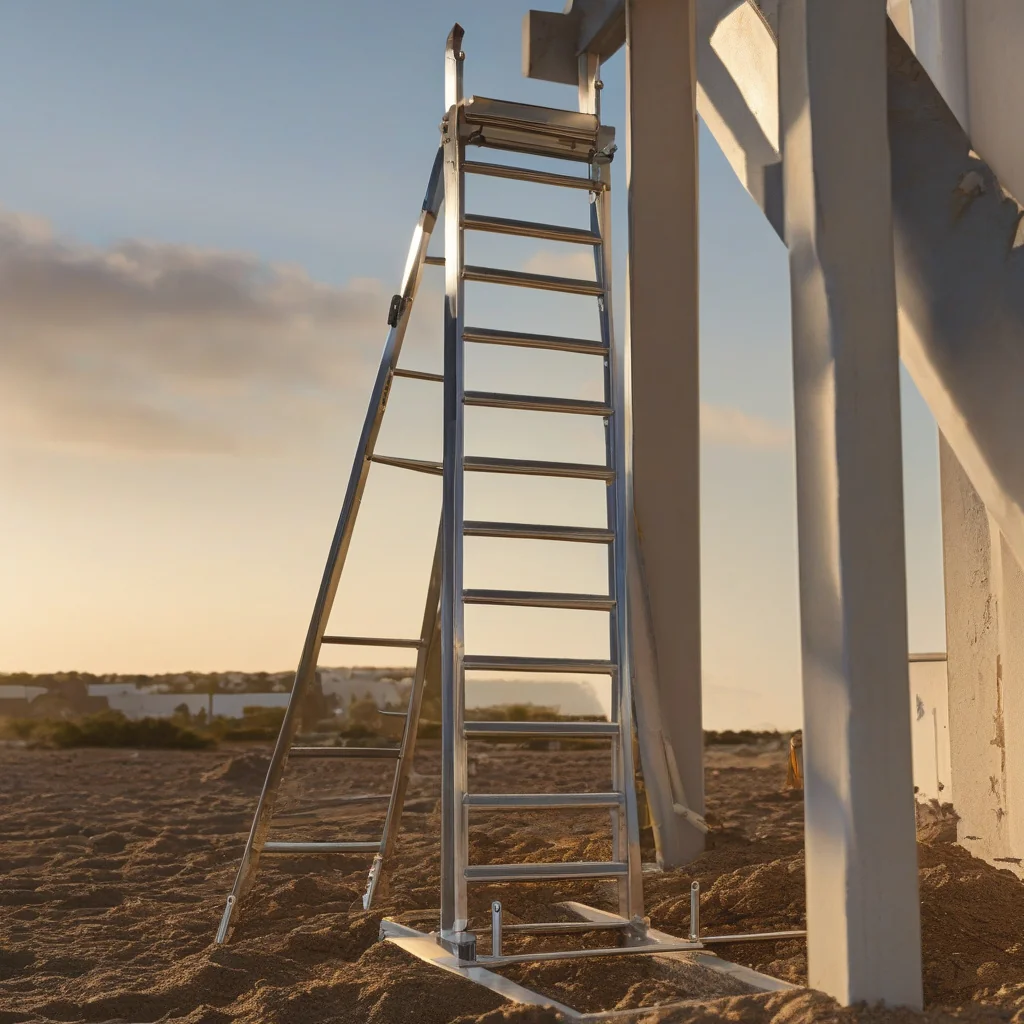
This is also where many risks begin. Falls do not happen only at dramatic heights. They can occur on one-story work when a ladder foot shifts on decorative paving, when a scaffold plank is loaded unevenly, or when someone carries too many tools while climbing. Exterior painting introduces repeated movement, hand positioning, and line-of-sight problems that make stable support essential from the start.
What homeowners should know before planning elevated painting work
Before planning any work at height, measurements and site conditions need to be verified. Wall height, reach distance around architectural projections, grade slope, stair locations, and the width of side access all affect whether a ladder can be placed safely or whether scaffolding is the more practical option. Moisture staining, soft trim, loose masonry joints, or deteriorated existing finishes may also expand the scope beyond simple paint application.
Utilities matter as well. Overhead service lines, lighting, cameras, trellises, and attached fixtures can interfere with ladder placement or scaffold assembly. Existing finishes also matter: glossy old coatings, chalky surfaces, and patchy repairs often require more preparation time and steadier platform access than homeowners expect. In decision-heavy projects, even design planning can shape access priorities; a homeowner considering broader visual updates may look at interior mural trends and still find that exterior work must be sequenced first if circulation, staging, or contractor access is shared.
Plan the access method before the paint system, because safe reach determines whether preparation can be done properly.
Weather awareness is another planning issue, not an afterthought. In Southern California, a surface may be dry in one area and slick with marine-layer moisture in another. Wind gusts can affect balance on open sides of a property, while midday heat can make upper walls difficult to touch and change how quickly coatings begin to set. If the correct approach depends on exact measurements, structural soundness, or a professional inspection of hidden deterioration, that should be established before scheduling the work.
How to compare ladders, scaffolding, and related access options
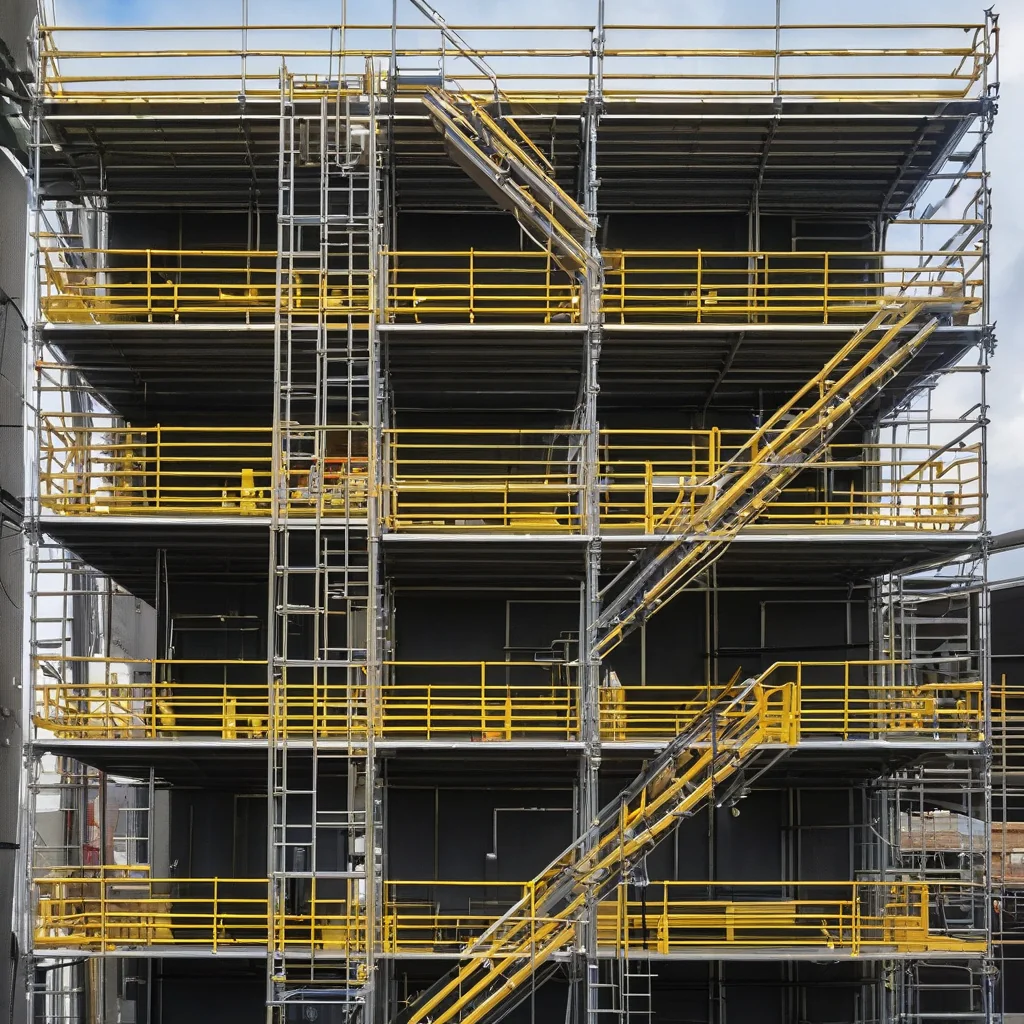
Ladders work well for short-duration tasks, spot preparation, and narrow access points where larger equipment cannot fit. Their advantage is mobility, but their limitation is equally clear: they provide a small working position and encourage overreaching if the user tries to cover too much area from one setup. Scaffolding offers a broader platform for cleaning, patching, masking, and painting, yet it needs sound footing, enough clearance, and correct assembly to be useful rather than cumbersome.
Compatibility with existing conditions should drive the choice. Uneven soil, stepped walkways, and decorative hardscape can complicate both methods. Preparation requirements differ too. Ladder work demands frequent repositioning and tight tool control; scaffold work demands more setup, more ground assessment, and more room to stage materials safely. Even technical planning around finishes can shape access decisions, especially when homeowners are coordinating broader paint selections such as color flow for open plan interiors and want exterior work completed with minimal disruption.
| Access option | Best use | Main limitation | Planning concern |
|---|---|---|---|
| Extension ladder | Short tasks on straightforward walls | Limited working area | Ground level and angle must be stable |
| Step ladder | Low trim and sheltered entries | Not suitable for higher elevations | Requires flat, unobstructed surface |
| Frame scaffolding | Extended wall preparation and painting | Larger footprint and setup needs | Base support and clearance must be checked |
| Mobile platform | Long runs on smooth surfaces | Restricted by slopes and obstacles | Path of movement must remain level |
Short-term savings often come from choosing the simplest equipment already on hand, but long-term costs can rise if poor access leads to skipped prep, thin coverage, accidental splatter, or damage from a fall or dropped tool. Installation complexity is not only about paint application; it includes setup, repositioning, cleanup, and the ability to inspect finished edges without stretching beyond a safe working posture.
How the project should be organised from inspection to final review
A practical sequence for safer decisions
Organizing exterior painting at height is less about speed than about reducing variables. Homeowners benefit from setting a clear sequence so the scope does not expand mid-project and create riskier improvisation. The aim is to prevent site confusion, not to teach elevated work techniques to an untrained reader.
- Define the goal by identifying which exterior areas actually need preparation and repainting.
- Assess existing conditions by noting access limits, surface deterioration, moisture signs, and obstructions.
- Take measurements of wall heights, reach distances, and available ground area for safe equipment placement.
- Compare suitable options by matching ladder or scaffold type to the measured site conditions.
- Confirm the scope so repair areas, preparation needs, and finish expectations are clear before work begins.
- Prepare the site by clearing movement paths, protecting adjacent surfaces, and securing access zones.
- Complete the work in a controlled sequence that allows proper surface preparation, coating, and drying review.
- Inspect the result by checking coverage, edges, repaired areas, and the overall condition after equipment is removed.
This kind of structure also helps distinguish cosmetic painting from projects that may require more review. If measurements do not match available access tools, or if the wall condition cannot be confirmed without close inspection, the site should be evaluated by a qualified professional before the work proceeds.
Common mistakes and project risks homeowners often underestimate
Where problems usually begin
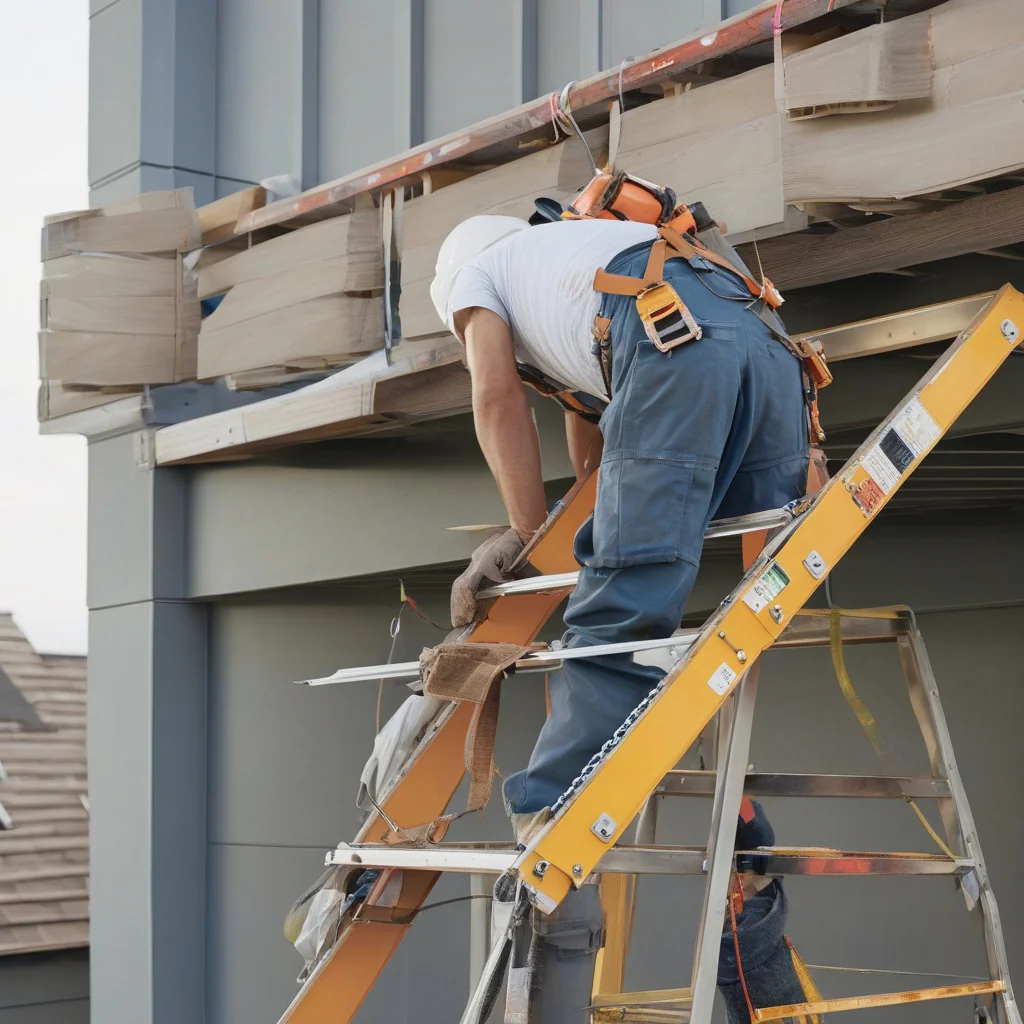
One frequent mistake is choosing by appearance alone. A homeowner may focus on visible peeling and overlook the practical question of whether the area can be reached safely for scraping, patching, priming, and recoating. Another common issue is incomplete measurement. A ladder that seems acceptable from the driveway may not work once nearby planting beds, stairs, or window projections are considered.
Poor preparation also creates risk. Slippery dust, loose debris, tangled hoses, and misplaced tools can make even low-height work unstable. Incompatible materials are another concern. Fresh paint applied over poorly bonded old coatings may fail early, especially in sun-exposed Southern California conditions where expansion and surface heat accentuate weak preparation. Unrealistic expectations can make matters worse when someone tries to finish too much wall area from a single position.
If access feels improvised at any stage, quality and safety usually decline at the same time.
Changes after approval create a quieter but equally costly problem. This situation can occur when additional trim, higher parapets, or previously unnoticed repair areas are added once work has begun. Each extra section may require different access, more prep, or a revised sequence. The result is not just inconvenience; it can increase handling, setup changes, and the chance of mistakes on surfaces that were not evaluated closely enough at the start.
What affects cost and when professional help makes sense
Scope, complexity, and hidden conditions
Cost in exterior painting at height usually depends on dimensions, existing surface condition, site access, preparation demands, and how much specialized setup is needed to work safely. A tall but simple wall may be easier than a lower wall over stairs. Existing damage, loose trim, difficult masking around fixtures, and restricted paths can all increase complexity. Hidden deterioration can matter even more, because unstable substrate conditions may need repair before painting can proceed.
Professional help makes sense when measurements are uncertain, when stable access cannot be confirmed, when scaffolding layout depends on site-specific support conditions, or when structural soundness of trim, rail-adjacent areas, or attachment points is unclear. Depending on the situation, that may involve a contractor, inspector, specialized installer, designer, or another qualified professional. Near the end of planning, homeowners often benefit from reviewing paint warranty basics so expectations about preparation, product compatibility, and future maintenance are better aligned with the finished work.
Safe exterior painting is a long-term value decision when access, preparation, and finish performance are evaluated together.
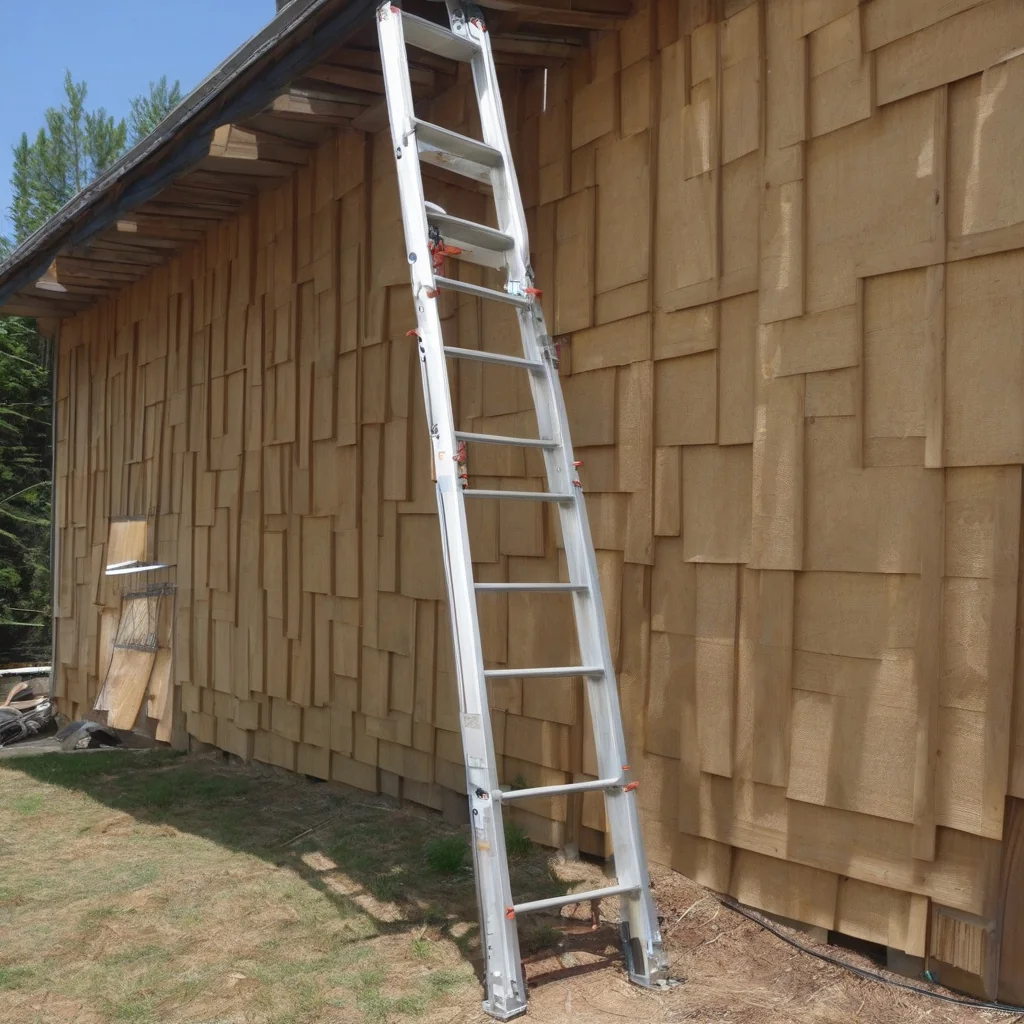
In the end, exterior painting at height is not only a decorating task. It is an access and risk-management exercise shaped by measurement, surface condition, layout, and weather. When those factors are assessed early, homeowners can make better decisions about ladders, scaffolding, and whether the job belongs in professional hands.
- Stable access determines whether exterior paint prep can be done properly.
- Measure heights, ground conditions, and obstructions before choosing equipment.
- Short-term savings can disappear when poor access leads to rework or accidents.
- Seek professional assessment when site conditions, structure, or safe setup are unclear.
FAQ
When is a ladder safe enough for exterior painting?
A ladder works for small, low-access areas if the ground is firm and the reach is limited. It is less suitable for long stretches, uneven soil, or frequent repositioning, where scaffolding may be safer and steadier.
How do I choose between scaffolding and a ladder?
Choose scaffolding for broader, longer work areas and better balance. Choose a ladder for brief touch-ups or tight spots. The right option depends on height, access, surface conditions, and how much movement the paint job requires.
What are the most common safety mistakes with painting heights?
Common mistakes include overreaching, using damaged equipment, setting tools on unstable ground, and moving platforms without clearing the area. A safer setup keeps both hands and feet secure and reduces the need to lean or stretch.
Do I need professional help for tall exterior painting projects?
Professional assessment is wise when the height, access, or surface condition makes safe setup uncertain. It can help identify the right equipment, but it may be unnecessary for simple ground-level work that stays within easy reach.
What else should homeowners consider before making a final decision?
Consider rooflines, landscaping, siding condition, and whether the work area lets you set up safely. A professional safety review can help when the layout is complex, but simple projects may only need careful planning and the right equipment.