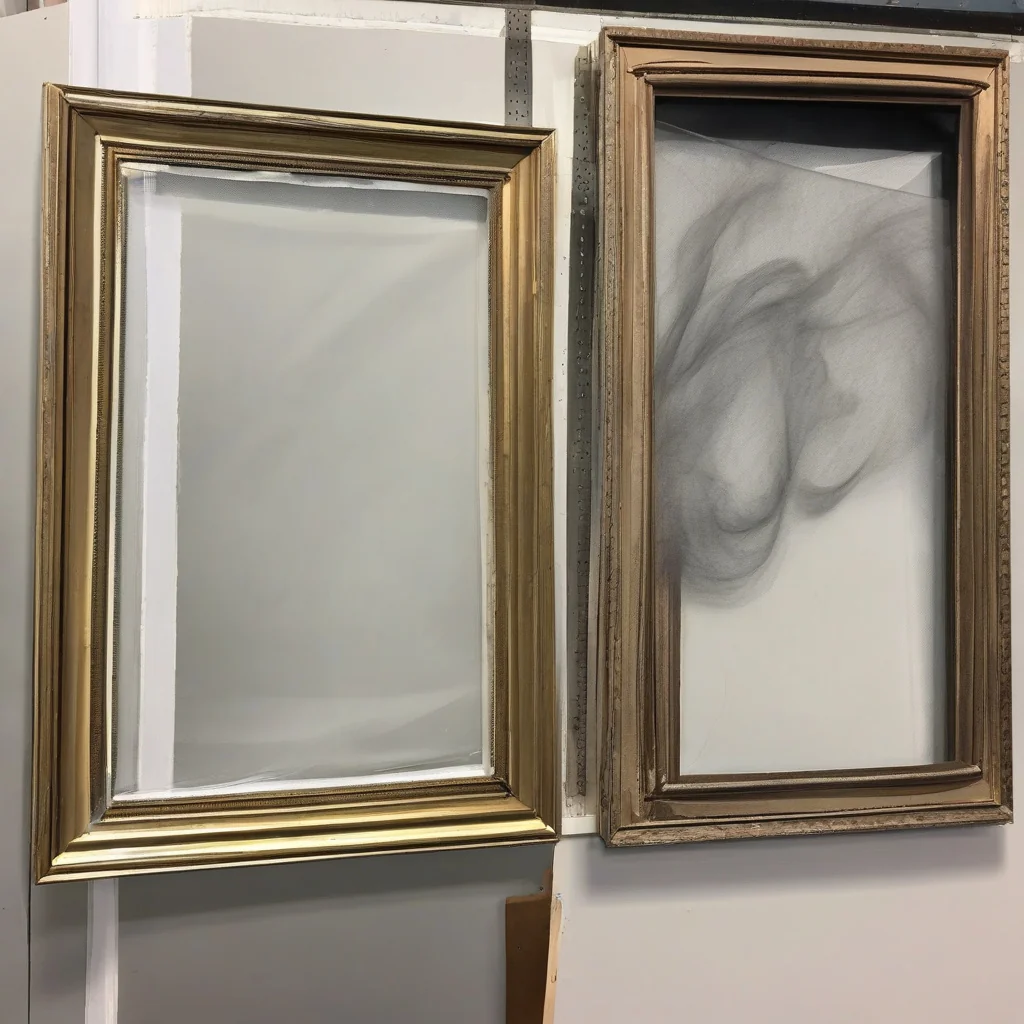
Many homeowners ask a simple question with expensive consequences: are the windows already in the house helping indoor comfort, or quietly pushing heating and cooling systems to work harder? In Los Angeles and Southern California, that question can be harder to answer than it appears, because mild mornings, strong afternoon sun, coastal moisture, inland heat, and changing insulation levels can mask window problems for years.
Window warning signs Drafts, hot glass, interior condensation, and uneven room temperatures often point to poor energy performance. The practical response is to evaluate comfort, visible condition, glazing type, frame condition, and air leakage together. The main risk is assuming that a window that still opens and closes is performing well. Professional assessment may be needed when measurements, moisture issues, or hidden frame deterioration are involved.
Appearance alone does not reveal whether a window is energy-efficient. A unit may look clean and intact while allowing air leakage, solar heat gain, or conductive heat transfer through older glass and worn seals. This article explains the signs that matter, how to compare likely improvement options, what can affect planning, and when inspection or current code information should be confirmed before any replacement or retrofit decision.
How inefficient windows usually reveal themselves
A homeowner may notice that one room becomes noticeably warmer in late afternoon, while another feels cool in the morning even when the rest of the house is stable. That pattern often suggests the windows are not managing heat transfer consistently. Other clues include drafts near closed sashes, noticeable outside noise, fading finishes near bright openings, or condensation forming on the interior side of glass under certain weather conditions.
Those symptoms do not automatically mean full replacement is necessary. They do mean the windows deserve closer review. Older single-pane units, damaged weatherstripping, failed insulated glass seals, warped frames, and poor previous installation can all produce similar comfort complaints. A broader review of window replacement options can help frame the issue, but the existing condition must still be assessed before choosing a solution.
Another common mistake is treating operation as the main test. A window that slides or locks normally can still perform poorly if seals have degraded or if the glass has limited insulating value. The right question is not only whether the unit functions, but whether it controls air movement, surface temperature, and solar exposure in a way that supports the house as it is used today.
What homeowners should know before planning
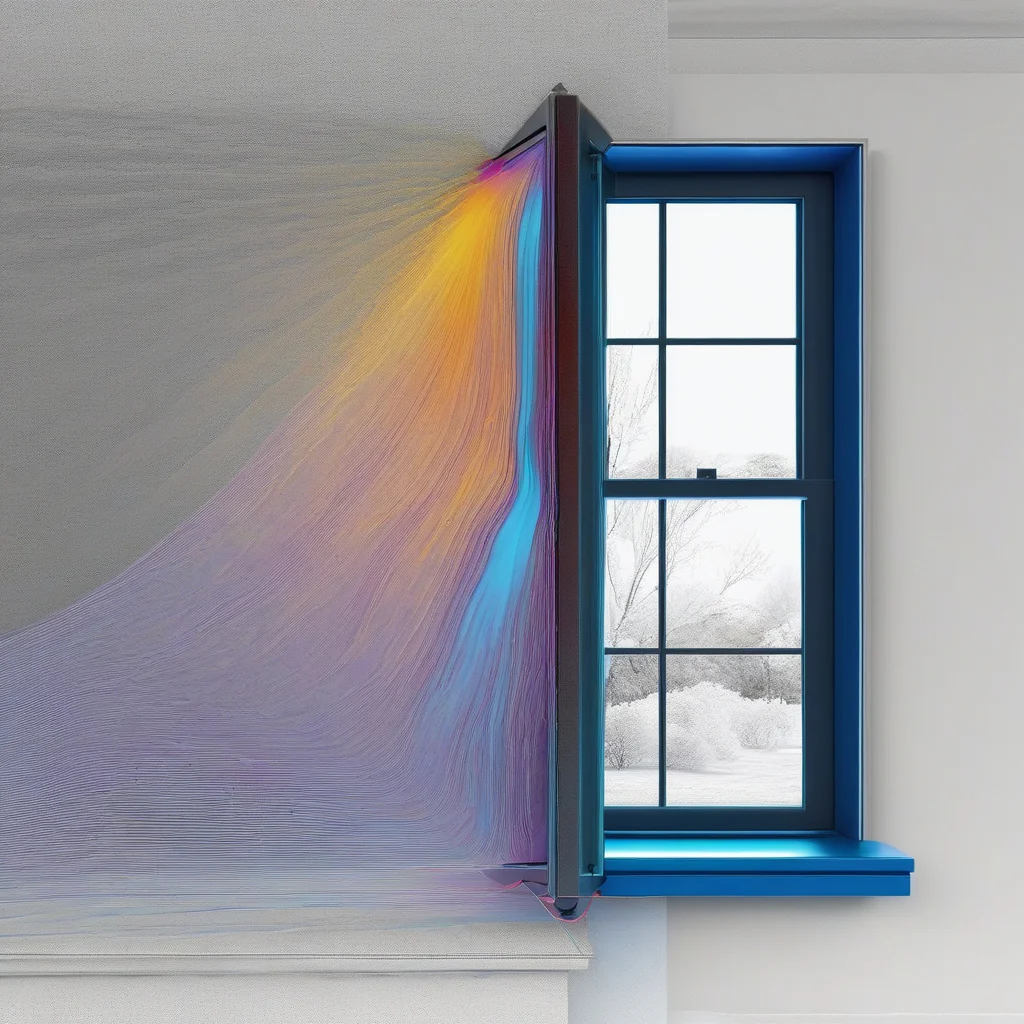
Before deciding whether to repair, retrofit, or replace windows, the existing conditions around them need to be understood. Dimensions are only one part of the picture. Access, surrounding finishes, trim depth, sill condition, signs of moisture, and the state of adjacent wall surfaces can all influence what is feasible. This situation can occur when an apparently simple upgrade exposes hidden movement, deteriorated framing, or past patchwork that needs closer inspection.
Use also matters. A bedroom with long afternoon exposure may have different priorities than a bathroom, stair landing, or rental unit. In Southern California, orientation can be especially important because the same house may experience marine air on one side and significant solar buildup on another. If there are signs of staining, softness, recurring condensation, or frame distortion, moisture testing or a structural assessment may be needed before any scope is confirmed.
Plan around actual conditions, not assumptions based on age or appearance.
It is also worth checking whether nearby screens, coverings, alarms, or security elements affect the work. Measuring the opening, the operable sash, and surrounding trim should be done carefully, because replacement decisions based on rough dimensions can lead to mismatched products or unnecessary finish changes.
How to compare the available options
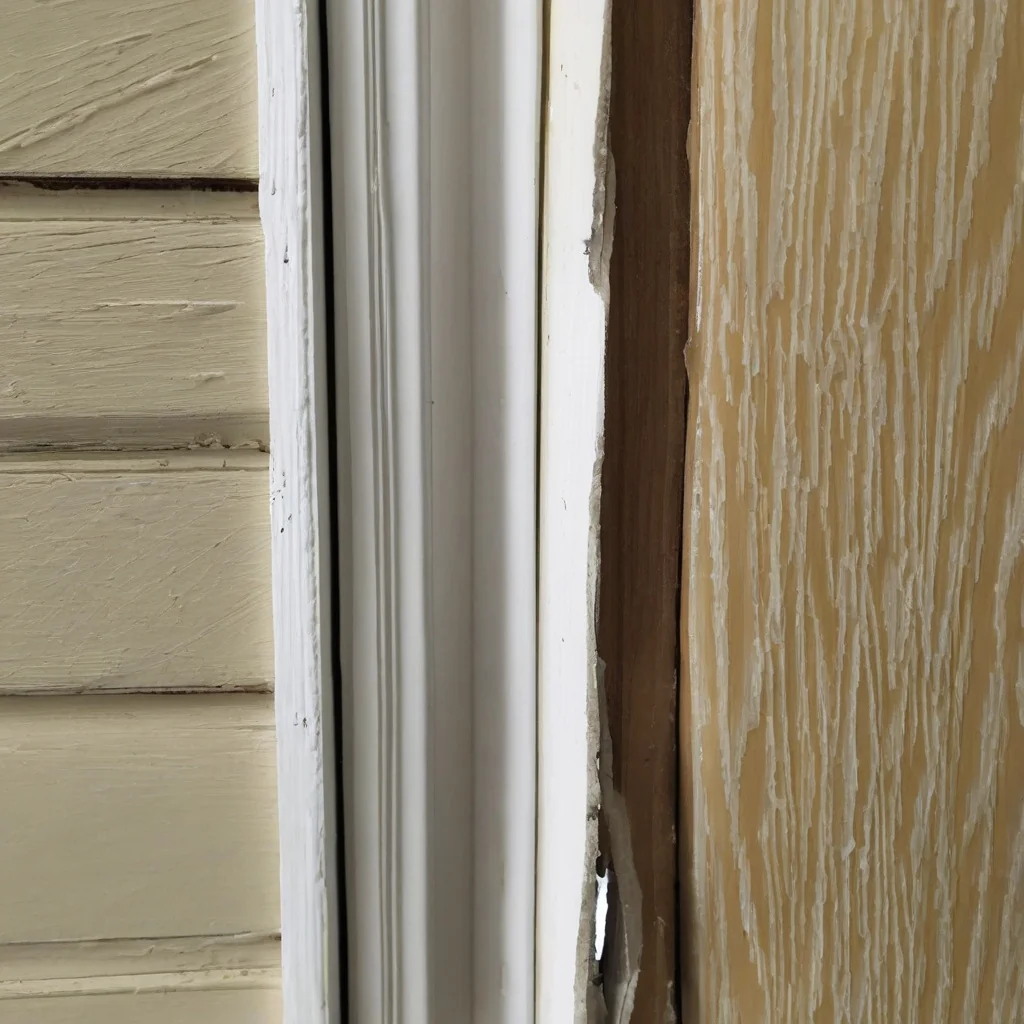
Once the problem is identified, the next step is comparing approaches rather than assuming one universal fix. Some homes benefit from targeted repairs and air sealing where the frame is sound and the main issue is weatherstripping or minor hardware wear. Others need new insulated glass or complete replacement because the glazing, frame, and installation all limit performance.
Materials and upgrade methods should be judged by compatibility with the current opening, maintenance demands, and whether they address the actual source of energy loss. In some cases, supplemental measures such as shading or security-related glazing decisions also influence planning. A homeowner weighing comfort and resilience may also compare security film vs laminated glass where protection and performance overlap, though the right choice still depends on the existing window system.
What each approach can and cannot solve
Repairs can reduce drafts and restore operation, but they will not turn outdated glass into high-performing glazing. Retrofit inserts may improve thermal performance with less disturbance to finishes, but they depend on a stable and properly measured existing frame. Full replacement offers the broadest reset, yet it also introduces more preparation, coordination, and finish review.
| Approach | Possible advantages | Main limitations | Best used when |
|---|---|---|---|
| Weatherstripping and minor repair | Lower disruption, may reduce drafts | Does not solve weak glazing | Frame is sound and leakage is limited |
| Glass unit replacement | Improves glazing without replacing all components | Depends on frame condition and compatibility | Seal failure or fogging is the key issue |
| Retrofit insert replacement | Can preserve some existing finishes | Requires accurate measurements and sound opening | Existing frame remains stable and usable |
| Full window replacement | Addresses frame, glazing, and operation together | More preparation and finish complexity | Multiple components are underperforming |
Material choices also affect maintenance and long-term expectations. Frame composition, glazing type, hardware quality, and exposure all matter, especially in properties with varied occupancy patterns. Owners evaluating upgrades in lease settings often face different durability questions than owner-occupied homes, which is why rental property windows are often considered in terms of wear, operation, and repeatability rather than appearance alone.
How the evaluation and upgrade process should be organised
A clear process reduces the chance of spending money on the wrong fix. Energy-related window complaints often involve several contributing factors at once, so the goal should be to identify the main performance problem first, then choose the least disruptive method that solves it.
- Define the main goal, such as reducing drafts, improving room temperature balance, or replacing failed glazing.
- Assess the existing conditions around each window, including frame condition, operation, seal integrity, and visible moisture signs.
- Take accurate measurements of openings, sash dimensions, and surrounding trim or finish constraints.
- Compare suitable repair, retrofit, and replacement options based on compatibility with the existing opening.
- Confirm the project scope so that glass, frames, hardware, screens, and finish touch-ups are all included or excluded clearly.
- Prepare the site by protecting nearby surfaces, clearing access, and identifying rooms with special use needs.
- Complete the work using the selected method without changing the scope informally during installation.
- Inspect the result by checking operation, visible sealing, comfort changes, and any signs of condensation or finish disturbance.
Where there is evidence of hidden decay, racking, or wall movement, measurements alone are not enough. Additional inspection should happen before products are ordered, because a tight new unit installed into a compromised opening may not perform as intended.
Common mistakes and project risks
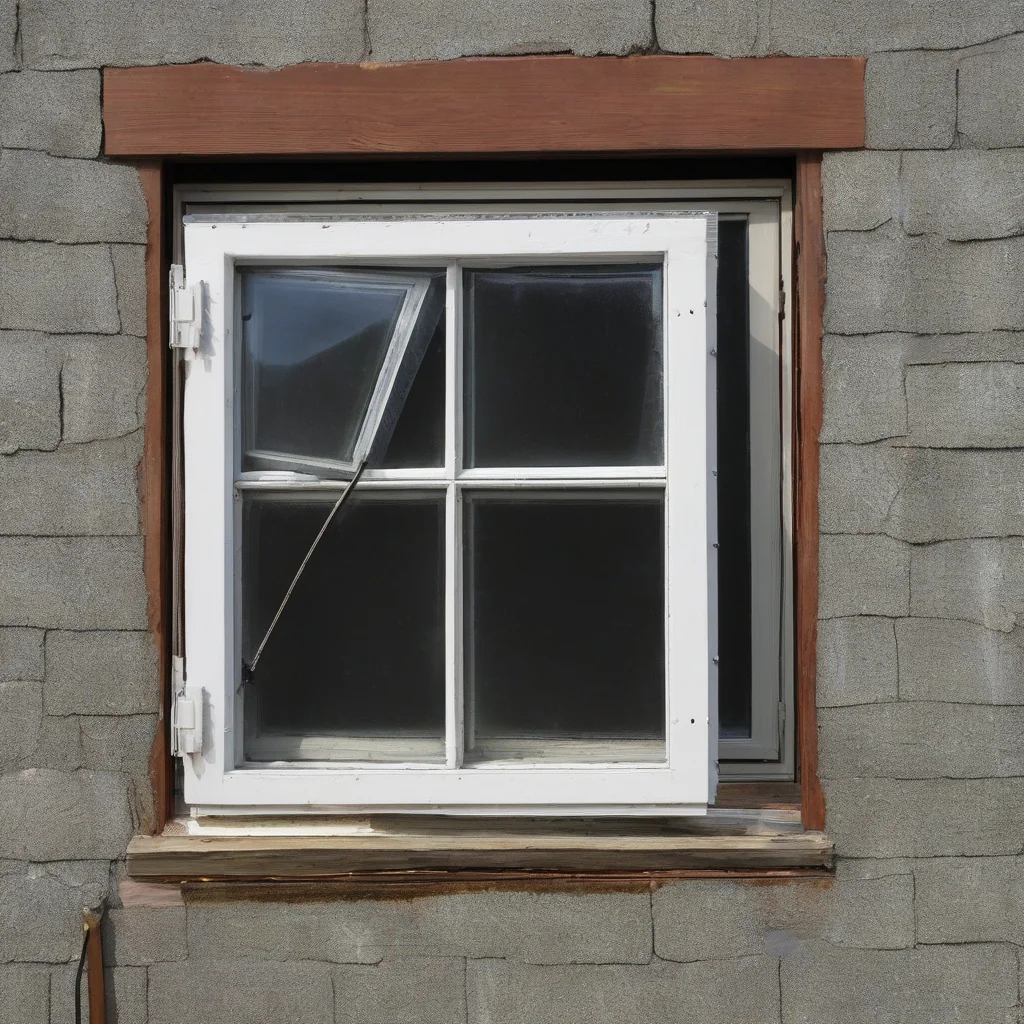
One common error is focusing only on glass type while ignoring the condition of the frame and perimeter seals. A homeowner may replace visible components but still experience drafts because the leakage is around the unit, not through the glass itself. Another frequent problem is relying on rough measurements taken from the interior only, without accounting for frame depth, out-of-square conditions, or trim interference.
Moisture is another risk that can be overlooked when the concern begins as an energy question. Condensation may reflect indoor humidity patterns, but it can also point to thermal weakness, failed insulated units, or concealed deterioration. If staining, softness, swelling, or recurring dampness appears around the opening, further moisture review is needed before deciding that energy efficiency alone is the issue.
A tighter window does not solve a bad opening, a failed seal, or hidden moisture.
Why appearance-based decisions go wrong
Choosing only by sightline, color, or a familiar product style can produce avoidable long-term costs. This can occur when the selected unit does not match the house’s exposure, use pattern, or opening condition. Late design changes can also create problems if hardware, screens, glazing type, or adjacent finishes were not considered at the start.
What affects cost and when professional help makes sense
Window project cost is shaped by scope, not just by the number of units. Dimensions, accessibility, existing finishes, demolition needs, frame condition, hardware complexity, glass choice, and custom details can all change the level of work involved. Hidden damage behind trim or within the opening may also expand preparation needs once the existing unit is examined more closely.
Professional help makes sense when the symptoms are mixed or the condition is unclear. A specialised installer may be appropriate when replacement methods differ by opening type. A contractor may be useful when surrounding finishes, trim, or interior repairs are likely. An engineer or structural professional may be needed if there are signs of movement, sagging, or compromised framing. An inspector or consultant can help when moisture patterns are persistent and the source is uncertain. If current local requirements need to be confirmed before moving ahead, reviewing window code Los Angeles information is a practical final step rather than an assumption made early in planning.
Long-term performance depends as much on sound assessment and fit as on the window product itself.
Knowing whether your current windows are energy-efficient comes down to evidence: comfort patterns, seal condition, frame stability, glazing performance, and the condition of the surrounding opening. The right solution may be modest or extensive, but it should follow measured conditions rather than guesswork.
- Drafts, hot rooms, and condensation often signal underperforming windows.
- Accurate measurements and opening condition should be checked before choosing a fix.
- Cost can rise when hidden frame damage or finish work expands the scope.
- Professional assessment is wise when moisture, distortion, or mixed performance issues appear.
FAQ
How can I tell if my current windows are energy-efficient?
Check for drafts, fogging, difficult operation, and hot or cold spots near the glass or frame. Good windows usually feel stable indoors, but a housewide comfort check is only a first step.
What signs usually show energy loss around windows?
Uneven room temperatures, visible moisture between panes, and peeling caulk can suggest energy loss. These signs may point to window issues, but they can also come from insulation or air-sealing problems nearby.
When is a repair enough, and when should I consider replacement?
Repair may be enough if the frame is sound and the problem is minor. Replacement makes more sense when panes fail repeatedly, frames warp, or comfort issues keep returning, but a full inspection helps confirm the best choice.
What mistakes do homeowners make when judging window efficiency?
Relying only on appearance is a common mistake. New-looking windows can still leak air, while older ones may perform acceptably if maintained. Compare indoor comfort, seal condition, and visible damage before deciding.
What else should homeowners consider before making a final decision?
Consider framing condition, moisture, ventilation, and how the windows fit the rest of the home. A professional review can help if symptoms are mixed or structural concerns are possible; request a window review before choosing repair or replacement.